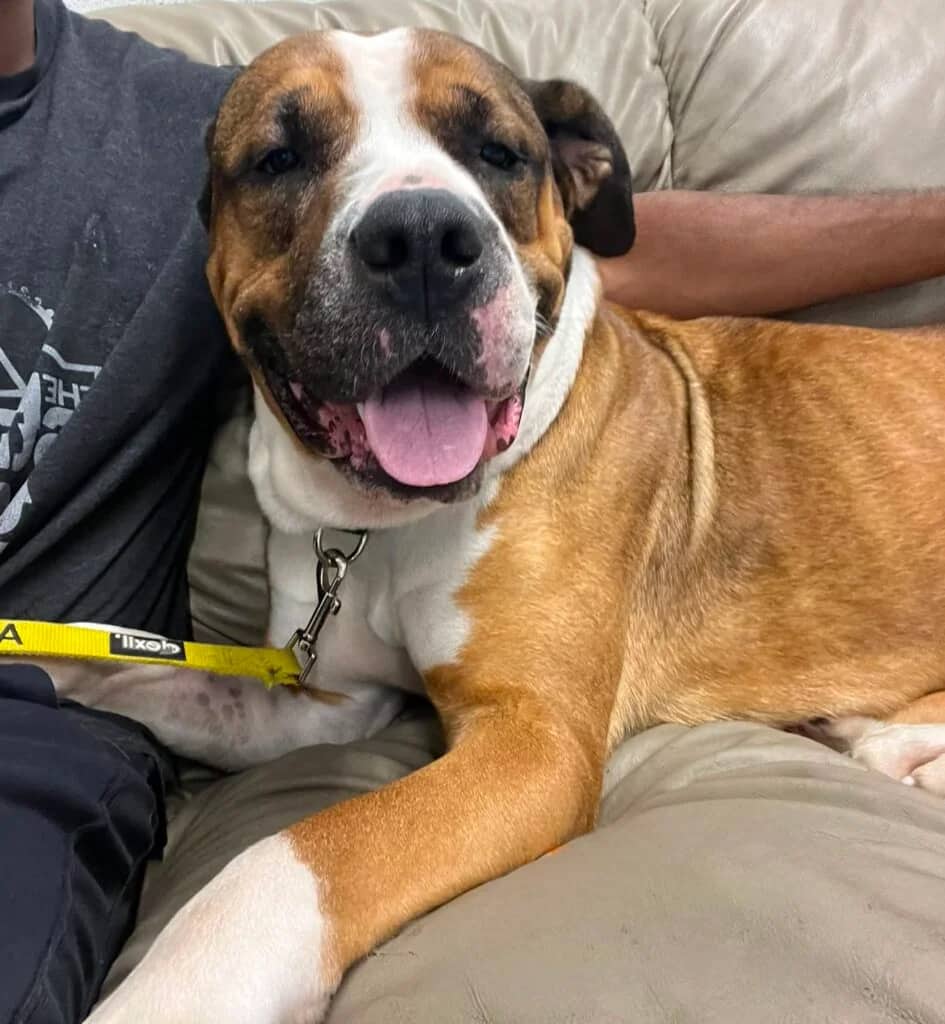
1 Saint Bernard puppy available in Ontario
Under a year old, listed by rescues and shelters. Updated as shelters publish.
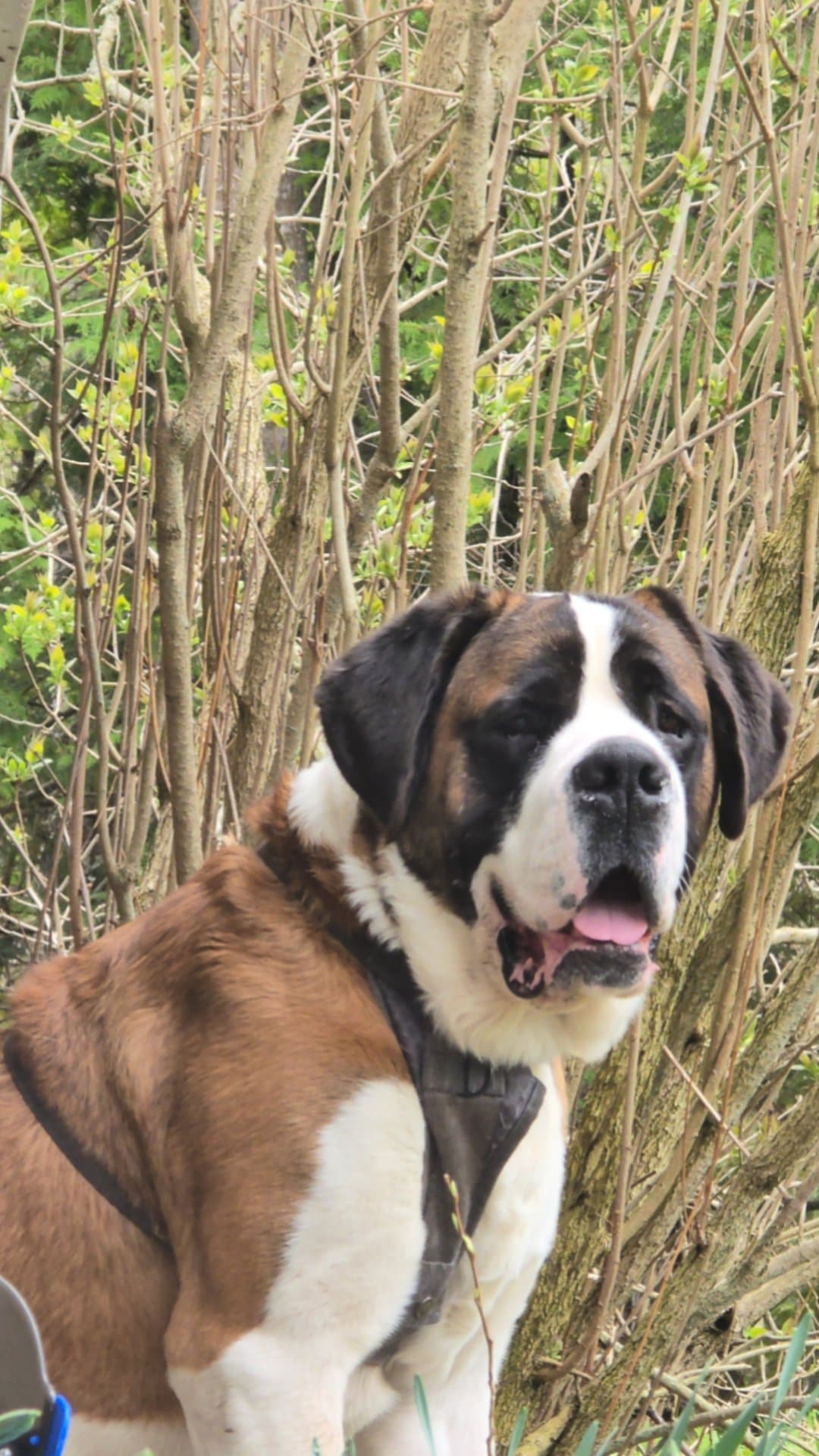
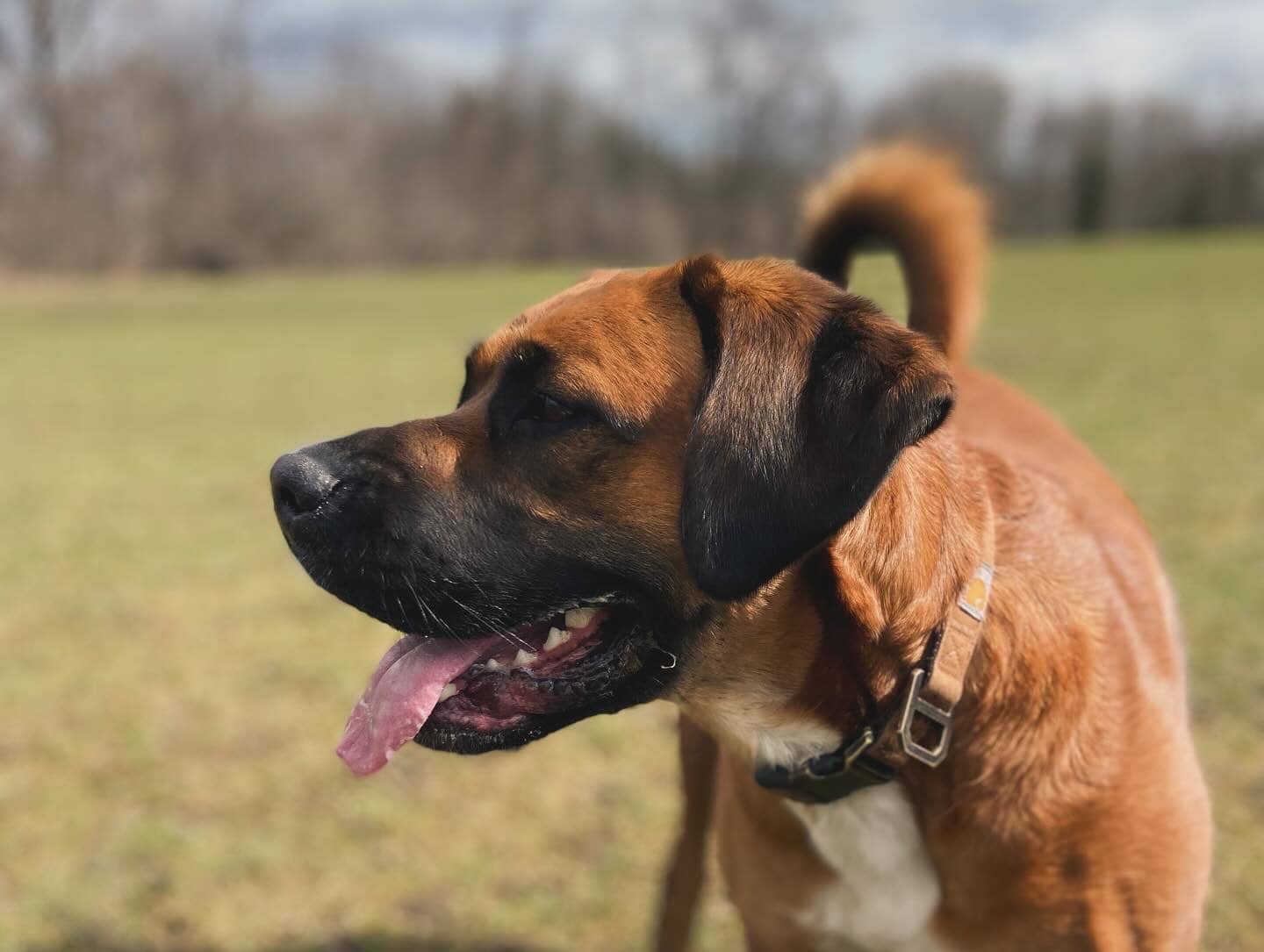
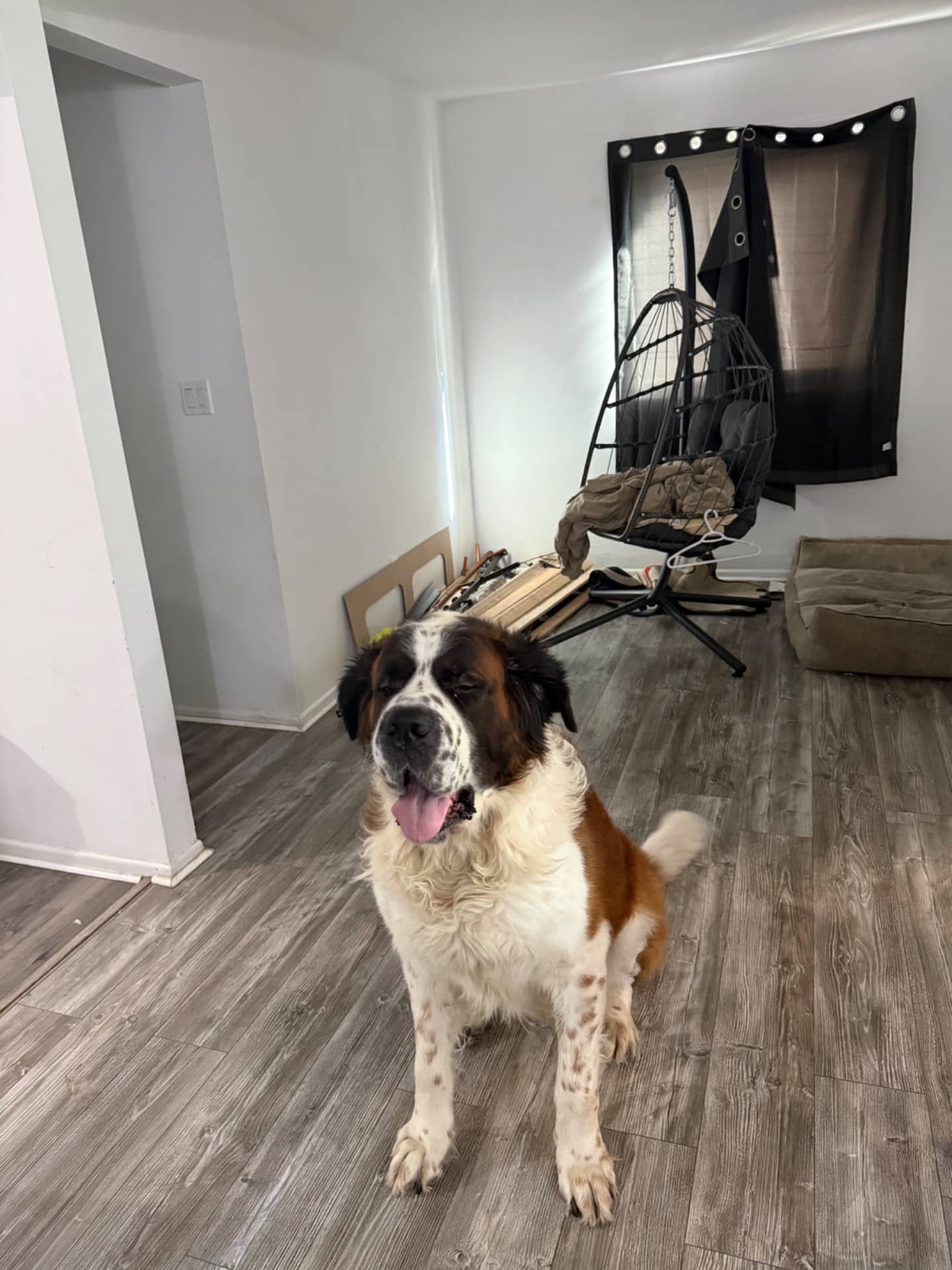
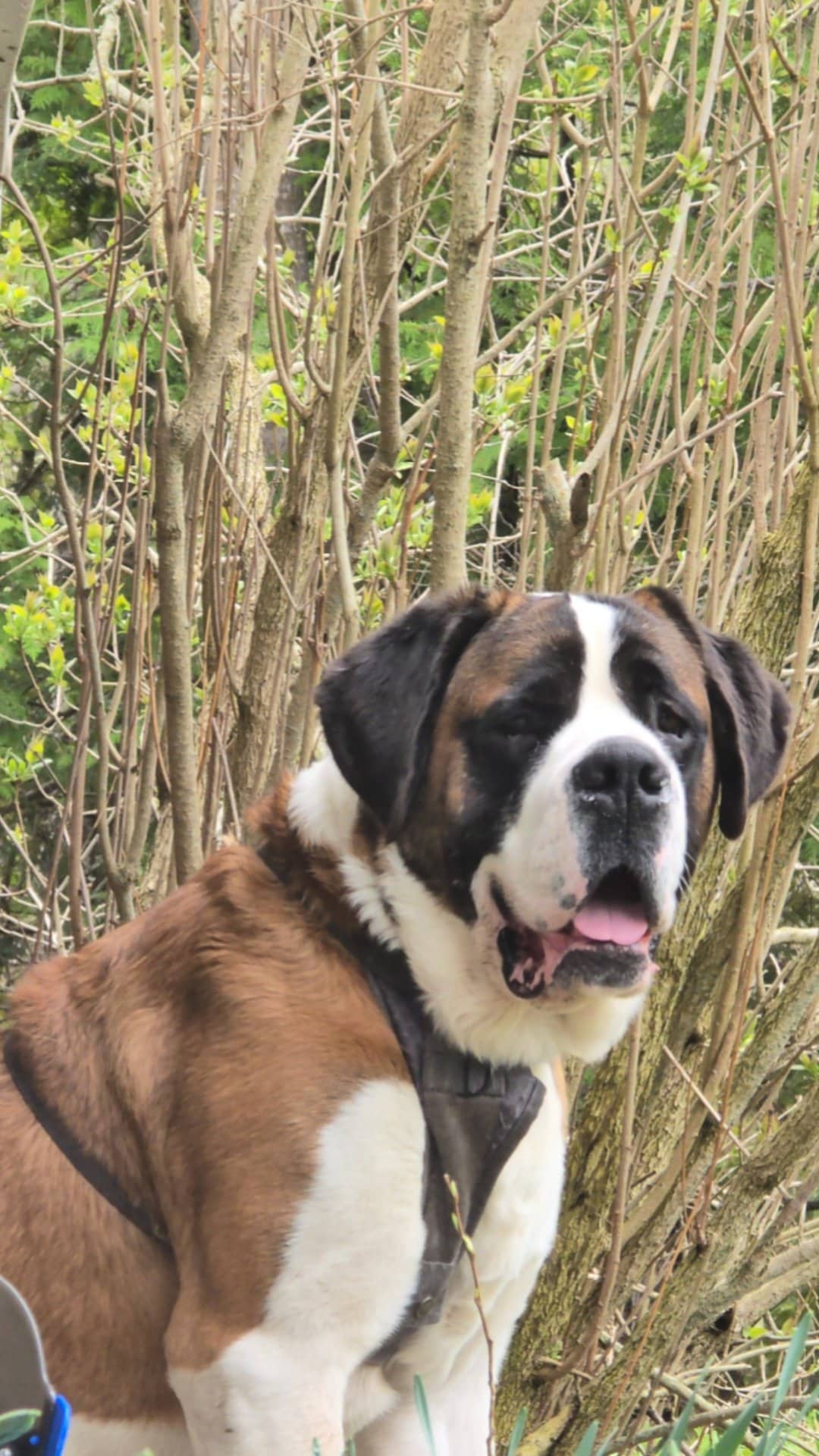


Get notified when a Saint Bernard is listed
We will email you the moment a Saint Bernard becomes available in Ontario, from a rescue or an owner rehoming.
Adopting a Saint Bernard in Ontario
Saint Bernards turn up periodically in Ontario rescue. The Toronto Humane Society, the Ottawa Humane Society, City of Toronto Animal Services, and Ontario SPCA branches see them occasionally — usually 2 to 5 year old adult surrenders from owners who underestimated the medical costs, the food budget, the drool, or the space requirements. Most surrenders are not temperament problems. The breed is genuinely gentle and family-bonded; the practical issues are the giant-breed lifetime medical bill, the short lifespan, and the GTA condo impossibility.
A reputable Ontario rescue will provide written notes on hip and elbow status, any cardiac screening (dilated cardiomyopathy is a real breed concern), whether the dog has had a prophylactic gastropexy, eye condition (entropion and ectropion are common), and foster observations on stairs, mobility, and stranger behaviour. Apply within 24 to 48 hours of a dog appearing — Saints move fast through Ontario rescue queues despite the size.
Giants in a GTA home and the lifetime cost reality
A 120 to 180 lb Saint Bernard is not a Toronto condo dog. The double thick double-coat alone makes condo living impractical, and the breed needs a freestanding house with at least one large open room and ideally a fenced yard. Food alone runs $1,200 to $1,800 annually at GTA prices, and toy, bedding, harness, and crate costs scale with the dog (a giant-breed crate runs $400 to $700, a quality harness $150 to $250). Lifetime cost commonly runs $40,000 to $60,000 plus at GTA prices, much of it concentrated in the final two years of the dog's life.
Saints drool heavily and constantly. Every Saint Bernard household has slobber towels in every room, slobber on every wall, and slobber on every visitor. The trait is non-negotiable and the dog cannot be trained out of it. Energy needs are moderate — 30 to 60 minutes of moderate daily exercise is enough — but the size and the heat sensitivity matter more than the duration. The Beltline Trail, Don Valley pathways in Toronto, and NCC trails in Ottawa work well in spring and fall; humid GTA summers above 25°C with humidex are a real heat emergency risk for the breed.
Lifetime health and Ontario humid summers
The breed is predisposed to bloat or gastric dilatation-volvulus (a true emergency requiring surgery within hours, $5,000 to $8,000 at GTA emergency practices, prophylactic gastropexy at the spay or neuter visit is strongly recommended), dilated cardiomyopathy (cardiac screening at the Ontario Veterinary College in Guelph or VCA Canada specialty branches before adoption is reasonable), hip and elbow dysplasia (orthopaedic surgery $5,000 to $9,000), osteosarcoma (bone cancer is a leading cause of death in the breed), wobbler syndrome (cervical vertebral instability), entropion and ectropion and cherry eye (eyelid surgery $1,500 to $2,500 at GTA specialty practices), and epilepsy. Median lifespan is 8 to 10 years — one of the shortest of any breed.
Toronto humid summers above 25°C with humidex are a serious heat risk. The thick double-coat plus giant body mass plus the slightly elongated muzzle means a Saint Bernard cannot cool efficiently in GTA heat. Limit outdoor activity to dawn and after sunset on humid days, provide continuous air conditioning indoors, never shave the coat (the double coat insulates against heat as well as cold), and watch for early heat stress signs (heavy panting, drooling more than usual, reluctance to move). Winter at minus 15 is no problem — the breed was bred for Swiss Alpine cold.
Looking more broadly? Browse every adoptable dog across the province on Dog Adoption Ontario.
The rescues that most often list Saint Bernards across the province are Toronto Humane Society, Ottawa Humane Society, and City of Toronto Animal Services. For breed-specific background, the Canadian Kennel Club is a useful reference.
Saint Bernard Adoption FAQ — Ontario
Tap a question to expand
How many Saint Bernards are available for adoption in Ontario?▼
Where can I adopt a Saint Bernard near me in Ontario?▼
How long do Saint Bernards live?▼
Can a Saint Bernard handle a Toronto summer?▼
Can a Saint Bernard live in a Toronto condo?▼
How much does it cost to adopt a Saint Bernard in Ontario?▼
Can I get a Saint Bernard free to a good home in Ontario?▼
Are these Saint Bernards for sale in Ontario?▼
Where can I buy a Saint Bernard in Ontario, and should I?▼
Are there free Saint Bernards in Ontario, or saint bernards under $500?▼
Are there Saint Bernard puppies in Ontario, or only adults?▼
Where can I find a Saint Bernard near me in Ontario?▼
Popular dog breeds in Ontario
Saint Bernard adoption by city in Ontario
Each city page lists only the saint bernards available from rescues serving that city, with local adoption details.
Need to rehome a Saint Bernard?
If you can no longer keep your Saint Bernard, you can list them for free on LocalPetFinder. Your dog stays in your home until you find the right family, you screen who applies, and there is no surrender fee. Not sure yet? Our guide to surrendering a dog in Canada walks through every option first.
List your dog for free →