The short answer
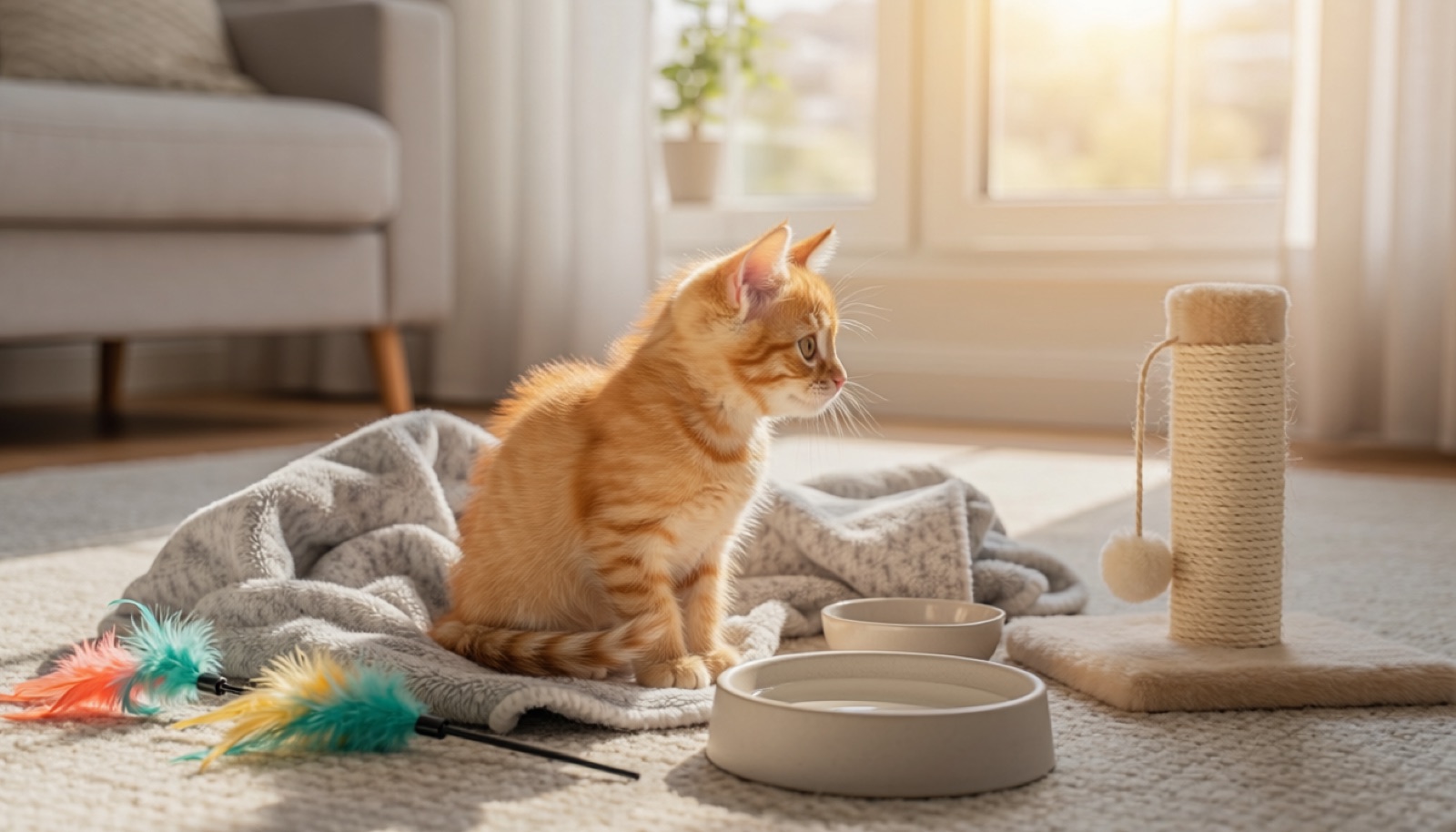
Before pickup day: litter box, litter, kitten food, bowls, a hard-sided carrier, a scratching post, toys, and a bed, roughly $150 to $400 total. A Regina Humane Society kitten costs $155 with spay/neuter, microchip, tattoo, vaccines, and a post-adoption vet exam included; Regina Cat Rescue kittens are $175, similarly complete. Regina residents must add the $20 city cat licence. Book the first vet visit within two weeks, kitten-proof one quiet starter room, and keep the kitten indoors, especially through a -30°C prairie winter.
Heads up: This article is informational and is not veterinary advice. Your Regina veterinarian sets the vaccine schedule, deworming plan, and diet for your specific kitten. Adoption fees and licence rates are current as of July 2026 and change; confirm with the rescue and the City of Regina before you budget.
Kittens are the easiest adoption pitch in rescue and the most underestimated first month. The kitten costs $155. The supplies cost more than the kitten. And the first-week mistakes (no carrier, no scratching post, whole-house access on night one) are the ones we hear about most from new Regina adopters. This checklist is the version we wish every adopter got handed at the counter: what to buy, what it costs in this city, what the City of Regina requires, and what the first week actually looks like.
Regina kittens mostly come through two doors: the Regina Humane Society and the volunteer foster network at Regina Cat Rescue. Both send kittens home already fixed, vaccinated, and identified, which removes the two biggest first-year vet bills before you start. Our Regina cat rescues guide compares the organisations in detail.
One timing note before the list. Kitten season peaks in summer, but a winter adoption works beautifully in Regina: the kitten stays indoors while it settles anyway, and shelters are quieter. You just prep differently for the -30°C drive home. More on that at the end.
Where Regina Kittens Come From (and What They Cost)
| Source | Kitten Fee | What's Included |
|---|---|---|
| Regina Humane Society 306-543-6363 | $155 (under 4 months) | Spay/neuter, tattoo, microchip, vaccinations, post-adoption vet exam. Junior cats (4-12 months) drop to $115, adults $100, mature cats $60. |
| Regina Cat Rescue info@reginacatrescue.com | $175 (under 1 year) | Spay/neuter before adoption, age-appropriate vaccines, tattoo and/or microchip, parasite treatment. Foster-raised, so kittens come with real personality notes. Adults are $150. |
| Free-kitten ads | “Free” | Nothing. Spay/neuter, vaccines, deworming, and identification all become your bill, typically several hundred dollars at a full-service Regina clinic. The $155 shelter kitten is the cheaper cat. |
Regina residents add the mandatory $20 city cat licence to any of these. Regina Cat Rescue has run its volunteer foster network for decades and also operates a trap-neuter-return program for community cat colonies, which is where a surprising share of Regina's friendliest kittens start life.
The Supply Checklist
Prices below are directional estimates for Regina pet retailers as of mid-2026. You can outfit a kitten well at the bottom of every range; the top end buys convenience and furniture-grade cat trees, not better outcomes.
| Item | Typical Cost | Notes |
|---|---|---|
| Litter box (low-entry, uncovered) | $15-$40 | Kittens climb in easier over a low lip. Plan for a second box; the working rule is one box per cat plus one. |
| Cat litter (unscented clumping) | $15-$25/month | Unscented is the safe default. Some vets suggest non-clumping pellets for very young kittens; ask at the first visit. |
| Kitten food (wet + dry, kitten formula) | $30-$60/month | Kitten-formula food, not adult food. Ask the rescue what the kitten is currently eating and transition gradually over a week. |
| Food and water bowls | $10-$30 | Ceramic or stainless steel. Shallow bowls suit small faces. Place water away from the litter box. |
| Hard-sided carrier | $40-$80 | Non-negotiable for vet trips and required the day you pick the kitten up. Top-loading models make vet visits far less dramatic. |
| Scratching post or cat tree | $30-$150 | Buy it before the kitten arrives, not after the couch pays the price. Sisal posts tall enough for a full stretch work best. |
| Toys (wand, balls, kickers) | $15-$40 | A wand toy is the single best purchase. It burns kitten energy and teaches that hands are not prey. |
| Bed and blankets | $15-$40 | A washable bed in a quiet corner. Expect the kitten to ignore it and sleep in the box it shipped in. Normal. |
| Brush and nail clippers | $15-$35 | Start handling paws and brushing in week one while the kitten is small. Future you will be grateful. |
| Litter scoop and mat | $10-$25 | Scoop daily. A mat under the box catches most of the scatter before it migrates across the floor. |
| Breakaway collar + ID tag | $10-$20 | Breakaway only, sized for a growing neck. Even indoor Regina cats need ID; doors get left open. |
Up-front total lands around $150 to $400 before food subscriptions kick in. Buy the carrier, litter box, and scratching post before pickup day; everything else can trail in over week one.
Kitten-Proofing, Room by Room
Everywhere: Electrical cords are chew toys to a teething kitten. Bundle them, cover them, or run them behind furniture. Pick up string, ribbon, hair elastics, and dental floss; swallowed string is a genuine surgical emergency in cats. Check window screens before the kitten does.
Kitchen and bathroom: Latch the cabinets with cleaners. Close toilet lids. Keep human medications zipped away; a countertop pill bottle is a rattly toy until it opens. Block the warm gap behind the fridge and stove; kittens fit into spaces you would not believe.
Living room: Remove toxic plants. Lilies are the critical one; even a small nibble of any lily part is an emergency vet trip for a cat. Tie up blind cords. Assume anything dangling will be climbed.
Laundry room: Keep washer and dryer doors closed, and knock before you run a load. Warm dryers are kitten magnets. This is the one that gives rescue volunteers grey hair.
The starter room: Pick one quiet room (a bedroom or den, not the furnace room) and set it up with the litter box, food and water, bed, scratching post, and a hiding spot. The kitten lives here for the first days and expands from there. A whole house on night one is overwhelming, not generous.
The First Vet Visit and the Vaccine Series
Book a vet appointment for the first week or two, even though the kitten arrives vaccinated for its age. Regina Humane Society adoptions include a post-adoption exam, so the first visit costs you nothing but the trip. The visit does three things: establishes a clinic file while the kitten is healthy, catches anything the shelter missed, and maps out the rest of the vaccine series.
How the series works: Core kitten vaccines typically start around six to eight weeks of age and repeat every few weeks until roughly sixteen weeks, with rabies added along the way. Your kitten will come home partway through this schedule, with the record in the adoption paperwork. Your vet sets the exact timing of the remaining boosters. The American Veterinary Medical Association's vaccination guidance explains why the repeat doses matter: maternal antibodies fade on their own schedule, and the series covers the gap.
What to bring: The adoption paperwork, a stool sample if the clinic asks for one, and the kitten in the hard-sided carrier. A towel from home in the carrier makes it smell familiar.
What to ask about: Feeding portions, deworming schedule, when to switch to adult food, and pet insurance while the kitten has no pre-existing conditions on file. Insurance quotes are never cheaper than at eight weeks old.
Emergencies: Regina has something rare for a prairie city: a true 24-hour animal hospital. The 24 HR Animal Care Centre at 1846 Victoria Ave East (306-761-1449) is open around the clock, every day. Save the number now; a call before arrival is appreciated.
The $20 City of Regina Cat Licence
Regina requires cats to be licensed, and the fee is $20 per year. New pets are typically required to be licensed within 30 days of arriving in the city. Register through the City of Regina, or contact licences@regina.ca or 306-777-7717.
Twenty dollars buys the fastest possible reunion if your cat ever gets out. A licensed cat picked up by Animal Protection is a phone call; an unlicensed one is a shelter stay and an anxious search. Since your Regina rescue kitten already has a microchip and tattoo, the licence completes the identification stack.
What's coming: Regina's 2026 Animal Bylaw amendments focused on dogs; cat-specific rules are slated for a second phase of the bylaw review with consultation planned for 2027. Rules for cats may evolve, so keep an eye on city announcements. For now, the licence is the firm requirement.
The First Week (and the Regina Winter Version)
Start small. The kitten lives in its starter room for the first few days: litter box, food, water, hiding spot, and short calm visits from you. Let it come to you. When it eats confidently and greets you at the door, open up the next room. Some kittens run the house by day three; shy ones take two or three weeks, and both are normal. Our first-week guide for rescue cats covers the full settling timeline, so we will not restate it here.
And keep the kitten indoors. Beyond the settling argument, Regina winters reach -30°C, and a kitten has no business meeting one. The long-term indoor-vs-outdoor decision has more angles than one paragraph can carry; our indoor vs. outdoor guide for Regina owns that topic.
Winter adoption notes (December through February)
- Warm the car before pickup day and before every vet trip. A kitten in a carrier crossing a parking lot at -30°C needs a blanket over the carrier, full stop.
- Never leave the kitten in a parked car in winter, even for minutes. Cars lose heat fast on the prairie.
- Set the starter room away from drafty windows and exterior doors. A blanket-lined bed beats a bare floor in a Regina January.
- Prairie winter air runs dry. If the kitten's skin flakes, mention it at the vet visit; usually it is just the humidity.
- Upside: a winter kitten bonds hard. Nobody is going anywhere, and the kitten knows exactly whose lap is warmest.
What the First Month Really Costs
Adoption: $155 (Regina Humane Society kitten) or $175 (Regina Cat Rescue), with sterilisation, vaccines to date, and identification already done.
Licence: $20 for the City of Regina cat licence.
Supplies: $150 to $400 up front, then roughly $45 to $85 a month for food and litter.
First vet visit: Included with a Regina Humane Society adoption; otherwise a standard exam fee at your clinic. The kitten arrives already fixed, which is the single biggest cost you skip; our Regina cat spay/neuter guide shows what that surgery runs when it is not included.
All in: plan for roughly $350 to $650 for the first month, then a much quieter monthly budget. If the numbers stop working later, talk to the rescue before anything else; our rehoming guide exists for exactly that conversation.
Browse adoptable Regina cats and kittens
Every Regina rescue kitten arrives spayed/neutered, vaccinated, and microchipped. The checklist above is the hard part; the kitten is waiting.
See Available Regina Cats →Frequently Asked Questions
How much does it cost to adopt a kitten in Regina?
A kitten under four months at the Regina Humane Society costs $155, and that fee includes spay/neuter, tattoo, microchip, vaccinations, and a post-adoption vet exam. Regina Cat Rescue kittens under one year are $175 with spay/neuter, age-appropriate vaccines, tattoo and/or microchip, and parasite treatment included. Regina residents must also add the mandatory $20 city cat licence. Either route lands well under what the included vet work would cost on its own.
What supplies do I need before bringing a kitten home?
The core list: a low-entry litter box and litter, kitten-formula food, food and water bowls, a hard-sided carrier, a scratching post, a few toys, a bed, a brush, nail clippers, and a breakaway collar with ID. Budget roughly $150 to $400 up front depending on how fancy the cat tree gets. Everything on the list is available at Regina pet retailers; none of it needs to be premium for a kitten to thrive.
Do Regina kittens come spayed or neutered?
Yes. Both the Regina Humane Society and Regina Cat Rescue spay or neuter before adoption as part of the standard package, along with vaccines and a microchip or tattoo. You skip the surgery booking and the recovery week entirely. If you ever end up with a kitten from a free-kitten ad instead, the surgery becomes your bill; our Regina cat spay/neuter guide covers what that costs.
Do I need to license my kitten in Regina?
Yes. The City of Regina requires a cat licence, and it costs $20 per year. New pets are typically required to be licensed within 30 days of arriving in the city. Contact licences@regina.ca or 306-777-7717 to register. The licence is the fastest route home if your cat ever slips out a door, because it ties the cat to your address in the city system.
When should my kitten first see a vet?
Book the first visit within the first week or two of bringing the kitten home. Regina Humane Society adoptions include a post-adoption vet exam, so use it; it establishes a file with a clinic while the kitten is healthy. The vet checks weight, teeth, ears, and parasites, and maps out the rest of the vaccine schedule. Bring the adoption paperwork so the clinic knows which vaccines the kitten already received.
What vaccines does a kitten need?
Kittens receive a core vaccine series that typically starts around six to eight weeks of age and continues with boosters every few weeks until roughly sixteen weeks, with rabies added along the way. Your Regina kitten will arrive partway through this series, with the record in your adoption paperwork. Your vet sets the exact schedule and timing for the remaining boosters based on the kitten's age and history. Do not skip the later boosters; an unfinished series leaves gaps in protection.
How do I kitten-proof my home?
Think toddler with claws. Secure or hide electrical cords, remove toxic plants (lilies are the big one; even small exposure is an emergency for cats), latch cabinets with cleaners, keep string, ribbon, and hair elastics out of reach, close toilet lids, and check that window screens are solid. Block the gaps behind appliances and under low furniture before the kitten finds them for you. Do a crawl-level pass of each room; what you see at floor height is what the kitten sees.
Should my Regina kitten go outside?
Keep the kitten indoors, at minimum through its first year and realistically for life. Regina winters hit -30°C, and the city's current bylaw review is only bringing cat-specific rules into consultation in 2027, so the safety argument, not the legal one, is what settles it here. Our indoor vs. outdoor cats guide for Regina walks through the full trade-offs, including how to make an indoor life genuinely good.
What do I feed a kitten?
Kitten-formula food, wet or dry or both, until your vet says to switch to adult food (usually around the first birthday). Start with whatever the rescue was feeding and transition to your chosen brand gradually over about a week to avoid stomach upset. Fresh water always. Skip milk; most cats are lactose intolerant and it causes diarrhoea. Ask your vet about portions at the first visit rather than trusting the bag label alone.
Where is the emergency vet in Regina?
The 24 HR Animal Care Centre at 1846 Victoria Ave East is open around the clock, every day of the year, for both emergencies and primary care. Phone 306-761-1449; a call before arrival is appreciated. Save that number in your phone the day the kitten comes home. Kittens are small, fast, and creative, and the classic emergencies (string swallowed, lily nibbled, bad fall) do not wait for business hours.
How long does a kitten take to settle in?
Give it days to weeks, not hours. Start the kitten in one quiet room with the litter box, food, water, and a hiding spot, and let it expand its territory as confidence grows. Some kittens own the house by day three; shyer ones need two or three weeks. Our first-week guide for Regina rescue cats covers the full settling timeline, including the hiding-under-the-bed phase that worries every new adopter and almost always resolves on its own.
Is winter a bad time to adopt a kitten in Regina?
No. It is arguably the best time. A kitten adopted in a Regina January stays indoors anyway, which is exactly where a new kitten belongs while it settles, bonds, and finishes its vaccine series. Prep for the season: warm the car before the drive home, put a blanket over the carrier for the walk between door and vehicle at -30°C, and set up a cozy interior room away from drafty windows. Adoption traffic slows in winter, so shelters often have more cats waiting.
Related Regina Guides
Checklist Done? Meet Your Kitten.
Regina rescue kittens arrive spayed/neutered, vaccinated, microchipped, and vet-checked. From $155 at the Regina Humane Society.
Browse Available Regina Cats →New cat? Start with these care guides
Everything a new adopter needs to set up a safe, happy home.