The short answer
Chihuahuas are among the most common small dogs in Regina rescue, so you will regularly find one. Best rescues: the Regina Humane Society on Parliament Avenue, Bright Eyes Dog Rescue, SOS Prairie Rescue, and the Moose Jaw Humane Society. Adoption fee: about $150 to $500 (Regina Humane Society dog fees run around $100 to $225) versus $800 to $2,000-plus from a breeder, plus the mandatory $25 Regina dog licence. Teacup Chihuahuas are a marketing red flag, not a real type, and often less healthy. The nippy reputation is mostly fear-based and human-created, not breed nature, and a socialized Chihuahua is confident and affectionate. Chi crosses are common: Chiweenie, Chug, Pomchi. Most surrenders trace to over-breeding, impulse buys, and undersocialization. Chihuahuas are exceptionally long-lived (14 to 18 years) and need winter warmth and good socialization. For most households, an adult with a foster-assessed temperament is the right pick.
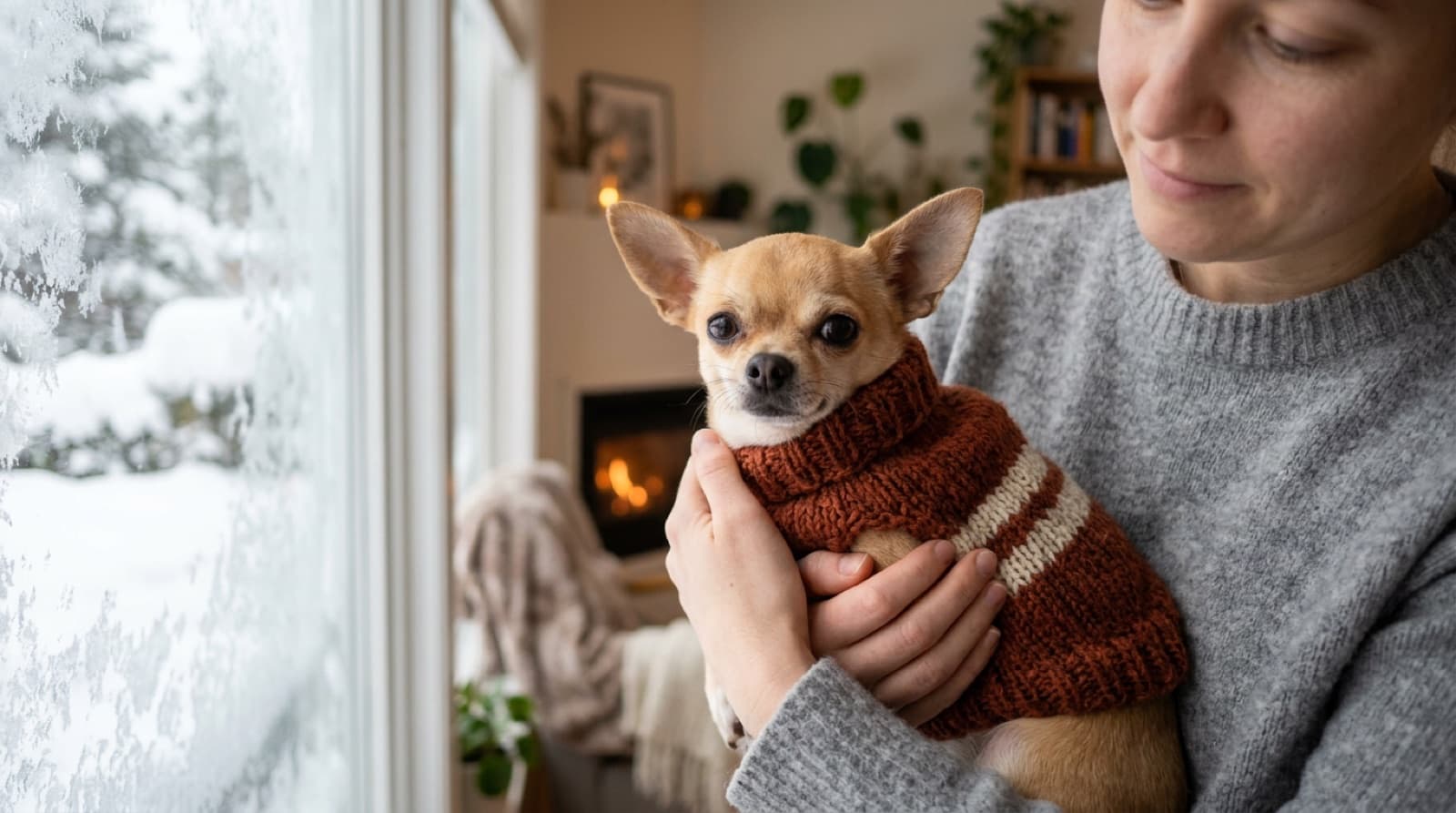
Where can I adopt a Chihuahua in Regina?
Chihuahuas and Chi crosses are among the more common small dogs in rescue here. Best places to check: the Regina Humane Society on Parliament Avenue, Bright Eyes Dog Rescue, SOS Prairie Rescue, and the Moose Jaw Humane Society a short drive west. Browse all currently available Chihuahuas and Chi crosses on LocalPetFinder's Chihuahua breed page. Listings update regularly, and a foster temperament assessment lets you choose a confident, sociable dog.
For the full Regina rescue landscape and how each organisation works, see our best dog rescues in Regina guide. Browsing every adoptable dog at once is easy on the main Regina dog adoption listings.
The teacup Chihuahua myth
There is no separate teacup, micro, or pocket Chihuahua. A Chihuahua is already the smallest breed, so those labels just sell extra-small dogs, often runts or the product of breeding two undersized dogs, at a premium. The problem is health: teacup-marketed Chihuahuas are more fragile and more prone to hypoglycemia, a skull soft spot (molera), heart defects, and bone fractures, so the label often signals a less healthy dog, not a special one.
A normal, healthy Chihuahua is tiny enough for anyone, typically two to six pounds, and the Canadian Kennel Club recognises no teacup variety at all. If a listing leads with teacup, micro, or pocket rather than health and temperament, treat it as a warning sign, not a reason to pay more. In rescue you will simply find Chihuahuas, and adopting one sidesteps the teacup marketing entirely.
The nippy reputation, reframed
Chihuahua nippiness is mostly fear-based, not genuine aggression, and it is usually human-created. Chihuahuas are tiny, so the world is intimidating, and when they are under-socialized, over-babied, or coddled every time they show fear, they learn that snapping creates space. The result is a defensive little dog, but the cause is how it was raised, not the breed.
A well-socialized, well-trained Chihuahua that is treated like a real dog rather than an accessory is typically confident, affectionate, and friendly. The fix is socialization, gentle consistent training, and not reinforcing fearful behaviour, which we cover in depth in our Chihuahua temperament and training guide. In rescue, a foster assessment tells you how the individual dog actually behaves, so you can choose a confident, sociable one from the start.
How much does it cost to adopt a Chihuahua in Regina?
Regina Chihuahua rescue adoption fees range roughly $150 to $500, with the Regina Humane Society around $100 to $225 depending on age. Fees include spay or neuter, vaccinations, microchip, deworming, and a basic vet workup. Senior Chihuahuas are often reduced. Add the mandatory $25 Regina dog licence. Buying from a breeder: $800 to $2,000 or more, with teacup-marketed dogs higher. Annual care: roughly $1,200 to $2,500 per year, and Saskatchewan adds about 11 percent tax to vet services and pet food. The breed-specific ongoing cost is dental care, since Chihuahuas are very prone to dental disease, and pet insurance is commonly $25 to $55 per month for a young healthy Chihuahua, worth enrolling early given the long lifespan.
| Source | Chihuahua Fee Range | What's Included |
|---|---|---|
| Regina Humane Society | $100 to $225 | Spay or neuter, vaccines, microchip, vet check |
| Foster-based rescue (Bright Eyes, SOS Prairie) | $200 to $500 | Spay or neuter, vaccines, microchip, foster temperament plus medical history |
| Senior Chihuahua (9+ years) | Often reduced | Same as above, at a lower fee |
| Regina dog licence | $25 | Mandatory city licence, one-time on adoption |
| Standard breeder puppy | $800 to $2,000 or more | Initial vaccines only |
| “Teacup” premium | $2,000 or more | Marketing premium and a health warning, not an upgrade |
For the full first-year budget with the Saskatchewan tax picture, see our Regina adoption costs guide.
Chihuahua crosses you will see in Regina rescue
Chihuahua crosses are very common in Regina rescue, and each blends the Chi's big personality in a small body with the other breed's traits, so read each rescue's notes carefully.
- Chiweenie (Chihuahua plus Dachshund): tiny, bold, and often vocal, with the Dachshund's long back, so back care matters.
- Chug (Chihuahua plus Pug): small and charming but can inherit the Pug's shortened muzzle and some breathing and heat sensitivity.
- Pomchi (Chihuahua plus Pomeranian): a tiny fluffy companion that needs more grooming.
- Chihuahua-Terrier or MinChi (plus Min Pin): feisty, energetic, alert, and often a touch sturdier and more confident.
All Chi crosses keep the small size, the alert vocal streak, and the need for good socialization.
Browse adoptable Chihuahuas in Regina
Live inventory from Regina rescues, including smooth and long-coat Chihuahuas, Chiweenie and Chug crosses, and senior dogs at reduced fees. A foster assessment lets you pick a confident, sociable dog. Refreshed regularly.
See Available Chihuahuas →Why Chihuahuas fill prairie rescue
Chihuahuas are one of the most commonly surrendered breeds, for consistent reasons:
Over-breeding and impulse buys. Cheap to produce and popular as a cute purse dog, so many are bred carelessly and bought without thinking through a 14-to-18-year commitment.
Undersocialization and nippiness. A fearful, defensive Chihuahua gets labelled a problem, when the real issue was how it was raised.
Housetraining and barking. Small dogs can be harder to house-train, and alert Chihuahuas bark.
Fragility and lifestyle changes. A poor match for homes with very young children, and many placements end on a life change.
Most Saskatchewan Chihuahua surrenders are perfectly good little dogs failed by careless breeding, impulse adoption, or a lack of socialization, all of which a thoughtful adopter can put right. The socialization and training fix is in our temperament and training guide.
Frequently Asked Questions
Where can I adopt a Chihuahua near me in Regina?
Chihuahuas and Chihuahua crosses are among the more common small dogs in Regina rescue, because the breed is heavily over-bred and frequently surrendered, so you will regularly find them. Best places to check: the Regina Humane Society on Parliament Avenue, Bright Eyes Dog Rescue, SOS Prairie Rescue, and the Moose Jaw Humane Society a short drive west. Browse currently available Regina Chihuahuas and Chi crosses on LocalPetFinder's Chihuahua breed page, which updates regularly. Because Chihuahuas turn up often, you have a real chance to find one that fits your household, and setting up email alerts with the rescues helps you hear about new arrivals. Most surrendered Regina Chihuahuas are given up over undersocialization, housetraining struggles, barking, or impulse-buy regret, not because anything is inherently wrong with them.
Is there a Chihuahua-specific rescue in Saskatchewan?
There is no large registered Chihuahua-only rescue based in Saskatchewan, and you rarely need one, because Chihuahuas and Chi crosses are common in the general rescues. The Regina Humane Society, Bright Eyes Dog Rescue, and SOS Prairie Rescue all take them in through the year, usually with a full vet workup and a foster temperament assessment, which is especially valuable for this breed since it tells you how the individual dog behaves. Small-dog and Chihuahua-heavy rescues do sometimes operate through volunteer networks and transport in Western Canada. If you find a breed-specific Chihuahua rescue claiming Saskatchewan placements, verify it before applying or paying: check the Canada Revenue Agency charitable registry, a physical address or named foster network, public vet references, and recent adoptable dog listings. The same checklist applies to any out-of-province group, because popular small breeds attract scams.
How much does it cost to adopt a Chihuahua in Regina?
Regina Chihuahua rescue adoption fees run roughly $150 to $500, below the $800 to $2,000 or more a breeder charges, with teacup-marketed dogs priced even higher. Regina Humane Society dog fees sit lower, around $100 to $225 depending on age, and Bright Eyes Dog Rescue and SOS Prairie Rescue run closer to $200 to $500. Those fees cover spay or neuter, vaccinations, microchip, deworming, and a basic vet workup, and senior Chihuahuas are often reduced. Add the mandatory $25 Regina dog licence. Annual care for a Chihuahua in Regina runs roughly $1,200 to $2,500 per year, less than a large breed since food and medication scale with size, and Saskatchewan adds about 11 percent tax to vet services and pet food. The breed-specific ongoing cost to plan for is dental care, because Chihuahuas are very prone to dental disease and often need regular cleanings, and pet insurance for a young healthy Chihuahua is commonly $25 to $55 per month and worth enrolling early given the breed's long lifespan and its dental, knee, and heart risks.
Are teacup Chihuahuas real?
No, and teacup is a marketing red flag, not a real type. A Chihuahua is already the smallest dog breed, and there is no separate teacup, micro, or pocket Chihuahua variety, so those labels are used to sell extra-small dogs, often runts or the product of deliberately breeding two undersized dogs together, at a premium price. The problem is that breeding for extreme tiny size increases health problems: teacup-marketed Chihuahuas are more fragile and more prone to serious issues like hypoglycemia, a soft spot in the skull called a molera, heart defects, and bone fractures, so a teacup label often signals a less healthy dog, not a more special one. A normal, healthy Chihuahua is tiny enough for anyone, typically two to six pounds, and does not need a teacup label. If a listing leads with teacup, micro, or pocket rather than health and temperament, treat it as a warning sign and a reason to be cautious, not a reason to pay more. In rescue you will simply find Chihuahuas, and adopting one sidesteps the teacup marketing entirely.
Are Chihuahuas really aggressive or nippy?
Not by nature, and this is the most important myth to reframe. Chihuahuas have a reputation for being snappy, but the truth is that most Chihuahua nippiness is fear-based, not genuine aggression, and it is usually created by how the dog is raised and handled rather than by the breed itself. Chihuahuas are tiny, so the world is genuinely intimidating to them, and when they are under-socialized, over-babied, never taught to cope with normal handling, or picked up and coddled every time they show fear, they learn that snapping is how they create space and get their way. The result is a defensive little dog, but the cause is human, not breed. A well-socialized, well-trained Chihuahua that is treated like a real dog rather than an accessory is typically confident, affectionate, and friendly. The fix is socialization, gentle consistent training, and not reinforcing fearful behaviour, which we cover in depth in our temperament and training guide. In rescue, a foster assessment tells you how the individual dog actually behaves, so you can choose a confident, sociable one.
What are Chihuahua crosses like: Chiweenie, Chug, Pomchi?
Chihuahua crosses are very common in Regina rescue, and each blends the Chi's big personality in a small body with the other breed's traits. A Chiweenie (Chihuahua plus Dachshund) is tiny, bold, and often vocal, and inherits the Dachshund's long back, so back care matters. A Chug (Chihuahua plus Pug) is small and charming but can inherit the Pug's shortened muzzle and some breathing and heat sensitivity. A Pomchi (Chihuahua plus Pomeranian) is a tiny fluffy companion that needs more grooming. A Chihuahua-Terrier cross tends to be feisty, energetic, and tenacious, and a Chihuahua-Min Pin (MinChi) is lively and alert. All Chi crosses tend to keep the small size, the alert vocal streak, and the need for good socialization, so read each rescue's temperament notes, because the other half changes size, coat, energy, and sometimes health substantially. Crosses can also be a touch sturdier and more confident than some purebred Chihuahuas, which suits families well.
Why do Chihuahuas end up in Regina and Saskatchewan rescues in such numbers?
Chihuahuas are one of the most commonly surrendered breeds, and the reasons are consistent. Over-breeding and impulse buying lead the list: the breed is cheap to produce and popular as a cute purse dog, so many are bred carelessly and bought on impulse by people who did not think through a 14-to-18-year commitment, and reality sets in. Undersocialization and the resulting nippy behaviour is a huge factor, because a fearful, defensive Chihuahua that snaps gets labelled a problem and surrendered, when the real issue was how it was raised. Housetraining difficulty is common, as small dogs can be harder to house-train and prairie winters make a tiny dog reluctant to go out. Barking draws complaints, fragility makes them a poor match for homes with very young or rough children, and lifestyle changes end many placements. Most Saskatchewan Chihuahua surrenders are perfectly good little dogs who were failed by careless breeding, impulse adoption, or a lack of socialization and training, all of which a thoughtful adopter can put right.
Are Chihuahuas good for first-time dog owners in Regina?
They can be an excellent first dog for the right owner, but only if you commit to socializing and training them properly rather than treating them as a fragile accessory. Chihuahuas are affectionate, portable, long-lived, adaptable to apartments, and full of personality, which makes them appealing, but the flip side is that they need real socialization and training to avoid the fear-based nippiness the breed is known for, they can be tricky to house-train, and their fragility means they are not ideal for homes with very young or boisterous children. For a first-time Regina owner, the keys are treating the Chihuahua like a real dog, socializing it thoroughly, using gentle positive training, not reinforcing fearful behaviour by coddling, and protecting the small body from injury. An adult rescue Chihuahua with a known, foster-assessed temperament is often the easiest and safest choice, letting you pick a confident, sociable dog. If you can commit to socialization and training, a Chihuahua is a wonderful, devoted, low-cost, long-lived companion.
Should I adopt a senior Chihuahua?
Absolutely, and senior Chihuahuas are one of the most rewarding and overlooked adoptions there is. Chihuahuas are exceptionally long-lived, commonly reaching 14 to 18 years, so a senior of 9 or 10 often has many good years ahead, more than a senior of almost any larger breed. Senior Chihuahuas appear in Regina rescues because owners passed away, downsized, or could no longer care for them, and these dogs are usually calmer than their younger years, often already house-trained, and deeply bonded and affectionate once they trust you. Their tiny size and modest exercise needs suit apartments, quieter households, and prairie winters (with a warm coat) very well. The main things to plan for are dental care, which is a lifelong Chihuahua need, weight management on a small frame, protection of the fragile body and knees, warmth in winter, and routine senior vet checks for heart and other age-related issues. Adoption fees are usually reduced. For a household wanting a devoted lap companion with years of life left, a senior Chihuahua is a wonderful choice.
Do Chihuahuas handle Regina winters?
They need serious protection, more than almost any other breed, because they are tiny and often thin-coated. A Chihuahua has very little body mass to retain heat and, especially in the smooth-coated variety, minimal insulation, so it gets cold extremely fast and is genuinely at risk in a Regina winter without help. A warm, well-fitted coat or sweater is not optional for winter outings, keep time outside short in deep cold, and carry the dog or use a sheltered, cleared potty area rather than making it wade through snow that may be taller than it is. Watch closely for shivering, lifted paws, and reluctance, which mean it is time to go in immediately, and consider booties for the feet. The cold also worsens the breed's house-training challenge, because a tiny dog will not want to go out, so many Chihuahua owners use indoor potty options like pads or a litter setup in the coldest months. With a coat, very short outings, indoor potty backup, and a warm home, a Chihuahua manages a prairie winter, but it is a dog that must be kept warm.
Related Guides
New dog? Start with these care guides
Everything a new adopter needs to set up a safe, happy home.