The short answer
Corgis are less common in Regina rescue, so set up alerts. Best rescues: the Regina Humane Society on Parliament Avenue, Bright Eyes Dog Rescue, SOS Prairie Rescue, and the Moose Jaw Humane Society. Adoption fee: about $200 to $600 (Regina Humane Society dog fees run lower, roughly $100 to $225) versus $1,500 to $3,000-plus from a breeder, plus the mandatory $25 Regina dog licence. Pembroke (tailless, more common) and Cardigan (tailed, rarer) are two breeds. Fluffy Corgis are real but not premium; mini or teacup Corgis are a red flag. Corgi crosses are common: Auggie, Horgi, Dorgi. Most surrenders are adults given up over energy, herding and nipping, heavy shedding, and back-related costs. Corgis are a big herding dog in a small body, long-lived (12 to 13 years) but prone to back problems, so weight control matters. For most households, an adult past the puppy phase is the right pick.
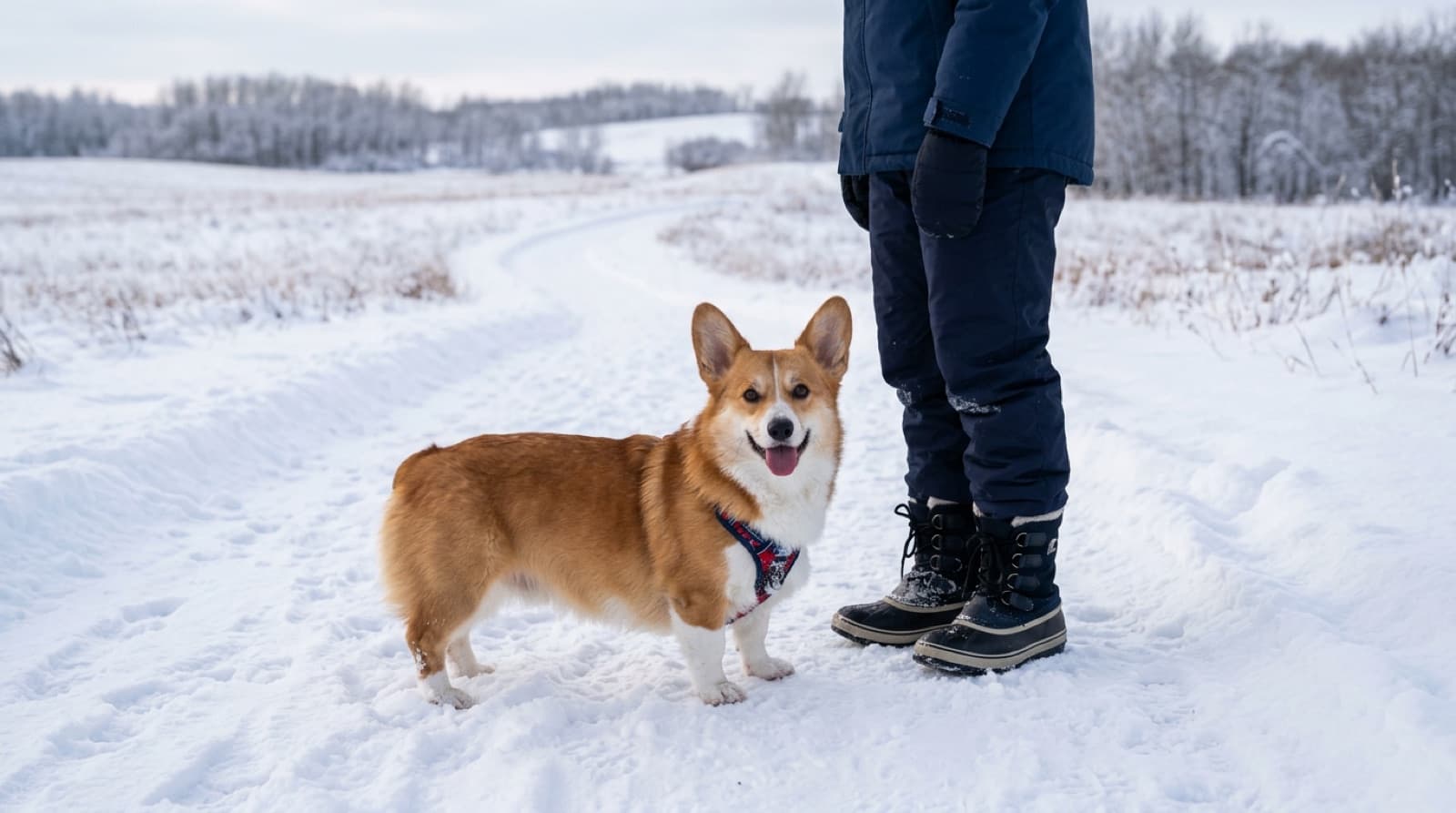
Where can I adopt a Corgi in Regina?
Corgis are a rarer rescue arrival here, and Corgi crosses appear more often. Best places to check: the Regina Humane Society on Parliament Avenue, Bright Eyes Dog Rescue, SOS Prairie Rescue, and the Moose Jaw Humane Society a short drive west. Browse all currently available Corgis and Corgi crosses on LocalPetFinder's Corgi breed page. Listings update regularly. Because Corgis go fast, set up email alerts so you hear the moment one is listed.
For the full Regina rescue landscape and how each organisation works, see our best dog rescues in Regina guide. Browsing every adoptable dog at once is easy on the main Regina dog adoption listings.
Pembroke vs Cardigan Welsh Corgi
These are two separate breeds that look similar. The Pembroke is the more common and famous one, usually tailless or short-tailed, with pointed ears and a lighter build. The Cardigan is rarer, has a long fox-like tail, larger rounded ears, a heavier build, and more colours including blue merle and brindle.
The Canadian Kennel Club recognises the Pembroke and Cardigan as distinct breeds, but temperament is broadly similar: both are smart, active, bold herding dogs, though Cardigans are sometimes described as a touch more reserved. In rescue you will see far more Pembrokes and Pembroke crosses than Cardigans. For an adopter the practical differences are minor: both are wonderful, both herd, both need the same exercise and back care, so choose the individual dog rather than agonizing over the variety.
How much does it cost to adopt a Corgi in Regina?
Regina Corgi rescue adoption fees range roughly $200 to $600, with the Regina Humane Society lower at around $100 to $225 depending on age. Fees include spay or neuter, vaccinations, microchip, deworming, and a basic vet workup. Senior Corgis are often reduced. Add the mandatory $25 Regina dog licence. Buying from a breeder: $1,500 to $3,000 or more, since Corgi popularity keeps prices high. Annual care: roughly $1,600 to $2,800 per year, and Saskatchewan adds about 11 percent tax to vet services and pet food. The breed-specific budget concern is the back, because Corgis are prone to disc disease and a serious problem can mean expensive treatment, so pet insurance is worth enrolling early, commonly $35 to $70 per month for a young healthy Corgi.
| Source | Corgi Fee Range | What's Included |
|---|---|---|
| Regina Humane Society | $100 to $225 | Spay or neuter, vaccines, microchip, vet check |
| Foster-based rescue (Bright Eyes, SOS Prairie) | $200 to $600 | Spay or neuter, vaccines, microchip, foster temperament plus medical history |
| Senior Corgi (8+ years) | Often reduced | Same as above, at a lower fee |
| Regina dog licence | $25 | Mandatory city licence, one-time on adoption |
| Standard breeder puppy | $1,500 to $3,000 or more | Initial vaccines only |
| “Rare colour” or fluffy premium | $3,000 or more | Marketing premium, not a health upgrade (verify) |
For the full first-year budget with the Saskatchewan tax picture, see our Regina adoption costs guide.
The fluffy and mini Corgi myths
Fluffy Corgis are real but should not cost more. A fluffy is a Corgi with a long, soft coat from a recessive gene, considered a show fault but a perfectly healthy, wonderful pet, just with more grooming and even heavier shedding. Mini, teacup, or dwarf Corgis are a red flag: Corgis are already a dwarf breed, and breeding for extra-small size can add health problems, so the label usually means an undersized dog, a runt, or a cross sold at a premium.
Breeders market fluffies and rare colours as premium, but rare here means a coat or colour variation, not a better or healthier dog. If a listing leads with fluffy, mini, or a rare colour rather than health testing and temperament, treat it as marketing, not a reason to pay more. A standard rescue Corgi is the real thing at a fraction of the price, and a fluffy rescue Corgi is a delight if you do not mind extra brushing.
Corgi crosses you will see in Regina rescue
Corgi crosses are more common in Regina rescue than purebreds, and each keeps the short-legged, long body and herding streak while adding the other breed's traits, so read each rescue's notes carefully.
- Auggie (Corgi plus Australian Shepherd): smart, high-energy, and very herding-driven, needing lots of exercise and mental work.
- Horgi or Corgski (Corgi plus Husky): energetic, vocal, with a possible Husky escape drive and a heavy double coat.
- Dorgi (Corgi plus Dachshund): long-bodied and short-legged from both sides, so back care is especially important.
- Corgipom (Corgi plus Pomeranian): small and fluffy; Corgi-Lab or Corgi-Shepherd crosses are larger and more energetic.
All Corgi crosses tend to keep the herding drive, the nipping tendency, heavy shedding, and often the long-back, short-leg build that makes weight control and back protection matter.
Browse adoptable Corgis in Regina
Live inventory from Regina rescues, including Pembroke and Cardigan Corgis, fluffy Corgis, Auggie and Horgi crosses, and senior dogs at reduced fees. Refreshed regularly, and Corgis go fast, so set up alerts.
See Available Corgis →Why Corgis end up in prairie rescue
Corgi surrenders are almost always about the gap between the cute image and the reality of a working herding dog:
Energy and herding drive. People expect an easygoing lap dog and get a bold, active herder that needs real exercise and a job.
Herding behaviour. Corgis nip at heels to herd, including kids and other pets, which needs training.
Heavy shedding. Corgis blow their double coat and shed year-round far more than their size suggests.
Back problems and cost. Disc disease and its treatment, plus popularity-driven impulse buys, drive surrenders.
Most Saskatchewan Corgi surrenders are lovely dogs whose owners were not ready for a high-energy, high-shedding herding breed in a small package. The exercise and herding side is covered in our Corgi temperament and training guide.
Frequently Asked Questions
Where can I adopt a Corgi near me in Regina?
Corgis are less common in Regina rescue than many breeds, because they are popular and usually kept for life, and they sell fast, but they do turn up, and Corgi crosses appear more often. Best places to check: the Regina Humane Society on Parliament Avenue, Bright Eyes Dog Rescue, SOS Prairie Rescue, and the Moose Jaw Humane Society a short drive west. Browse currently available Regina Corgis and Corgi crosses on LocalPetFinder's Corgi breed page, which updates regularly. Because Corgis are a rarer rescue arrival here, set up email alerts with the rescues so you hear the moment one is listed, since they are usually adopted within days. Most surrendered Regina Corgis are 1 to 6 year old adults given up over the breed's energy, herding behaviour, shedding, or back-related costs, not because anything is wrong with the dog.
Is there a Corgi-specific rescue in Saskatchewan?
There is no large registered Corgi-only rescue based in Saskatchewan. Breed-specific rescue in Western Canada tends to run through volunteer networks and transport, and reach into Saskatchewan is thin. You rarely need one, because Corgis and Corgi crosses turn up in the general rescues: the Regina Humane Society, Bright Eyes Dog Rescue, and SOS Prairie Rescue all take them in through the year, usually with a full vet workup and a foster temperament assessment. If you do find a breed-specific Corgi rescue claiming Saskatchewan placements, verify it before applying or paying: check the Canada Revenue Agency charitable registry, a physical address or named foster network, public vet references, and recent adoptable dog listings. The same checklist applies to any out-of-province group, because a popular breed like the Corgi attracts scams.
How much does it cost to adopt a Corgi in Regina?
Regina Corgi rescue adoption fees run roughly $200 to $600, far below the $1,500 to $3,000 or more a breeder charges, since Corgi popularity keeps breeder prices high. Regina Humane Society dog fees sit lower, around $100 to $225 depending on age, and Bright Eyes Dog Rescue runs closer to $200 to $600. Those fees cover spay or neuter, vaccinations, microchip, deworming, and a basic vet workup, and senior Corgis are often reduced. Add the mandatory $25 Regina dog licence. Annual care for a Corgi in Regina runs roughly $1,600 to $2,800 per year, and Saskatchewan adds about 11 percent tax to vet services and pet food. The breed-specific budget concern is the back: Corgis are prone to intervertebral disc disease, and a serious disc problem can mean expensive treatment or surgery, so weight management is both a health and a cost issue, and pet insurance is worth enrolling early, commonly $35 to $70 per month for a young healthy Corgi. Budget as if a back or joint issue is possible over the dog's life.
What is the difference between a Pembroke and a Cardigan Welsh Corgi?
They are two separate breeds that look similar but differ in a few clear ways. The Pembroke Welsh Corgi is the more common and more famous one, typically born without a tail or with a very short tail, with pointed ears and a slightly smaller, lighter build, and it comes in red, sable, fawn, and black-and-tan, often with white markings. The Cardigan Welsh Corgi is rarer, has a long, fox-like tail, larger rounded ears, and a slightly heavier build, and it comes in more colours including blue merle and brindle, which Pembrokes do not have. Temperament is broadly similar, both are smart, active, bold herding dogs, though Cardigans are sometimes described as a touch more reserved. In rescue you will see far more Pembrokes and Pembroke crosses than Cardigans. For an adopter, the practical differences are minor: both are wonderful, both herd, both need the same exercise and back care, so choose the individual dog rather than agonizing over the variety.
Are fluffy Corgis or mini Corgis real, and are they worth more?
Fluffy Corgis are real but should not command a premium, and mini or teacup Corgis are a marketing red flag. A fluffy Corgi is a Corgi with a long, soft coat caused by a recessive gene, and while it is considered a fault in the show ring and cannot be shown, a fluffy Corgi is a perfectly healthy, wonderful pet, just with more grooming needs and even heavier shedding. Breeders sometimes market fluffies as rare to charge more, but rare here means a coat variation, not a better or healthier dog. Mini, teacup, or dwarf Corgis, on the other hand, are not a recognised type: Corgis are already a dwarf breed with short legs, and deliberately breeding for extra-small size can introduce health problems, so a mini Corgi label usually means an undersized dog, a runt, or a cross sold at a premium. If a listing leads with fluffy, mini, or a rare colour rather than health testing and temperament, treat it as marketing, not a reason to pay more.
What are Corgi crosses like: Auggie, Horgi, Dorgi?
Corgi crosses are more common in Regina rescue than purebreds, and each keeps the Corgi's short-legged, long body and herding streak while adding the other breed's traits. An Auggie (Corgi plus Australian Shepherd) is smart, high-energy, and very herding-driven, needing lots of exercise and mental work. A Horgi or Corgski (Corgi plus Husky) is energetic, vocal, and can inherit a Husky escape drive along with a heavy double coat. A Dorgi (Corgi plus Dachshund) is long-bodied and short-legged from both sides, so back care is especially important. A Corgipom (Corgi plus Pomeranian) is small and fluffy, and a Corgi-Lab or Corgi-Shepherd cross is larger and more energetic. All Corgi crosses tend to keep the herding drive, the tendency to nip and herd, and often heavy shedding, and most share the long-back, short-leg build that means weight control and back protection matter. Read each rescue's temperament notes, because the other half changes size, energy, and coat substantially.
Why do Corgis end up in Regina and Saskatchewan rescues?
Corgi surrenders are almost always about the gap between the cute image and the reality of a working herding dog. Energy and herding drive lead the list: people expect a small, easygoing lap dog and get a bold, active, intelligent herder that needs real exercise and a job, and a bored, under-exercised Corgi becomes destructive and vocal. Herding behaviour surprises owners too, because Corgis nip at heels to herd, including children and other pets, which needs training and management. Heavy shedding is a genuine shock, since Corgis blow their double coat and shed year-round far more than their size suggests. Back problems and the associated costs drive some surrenders, popularity fuels impulse buys that do not last, and barking draws complaints. Regina winters add the exercise challenge for a dog that needs activity. Most Saskatchewan Corgi surrenders are lovely dogs whose owners were not ready for a high-energy, high-shedding herding breed in a small package.
Are Corgis good for first-time dog owners in Regina?
They can be a good first dog for an active owner with realistic expectations, but they are not the easygoing small dog many people imagine. Corgis are affectionate, intelligent, sturdy, and genuinely fun, and their smaller size is manageable, but they are a working herding breed with real exercise needs, a tendency to nip and herd, heavy shedding, and a bold, sometimes bossy personality. For a first-time Regina owner, the keys are committing to daily exercise and mental stimulation, starting force-free training early to manage the herding and nipping, being ready for a lot of hair, and protecting the back through weight control and sensible activity. An adult rescue Corgi past the demanding puppy phase, with a known temperament, is often the easiest entry point. If you want an active, smart, characterful companion and can meet the exercise and training needs, a Corgi is a wonderful first dog. If you want a calm, low-shedding lap dog, look elsewhere.
Should I adopt a senior Corgi?
Absolutely consider it. Corgis are a fairly long-lived breed, commonly reaching 12 to 13 years and often more, so a senior Corgi of 8 or 9 can have several good years ahead. Senior Corgis appear in Regina rescues because owners passed away, downsized, or could no longer keep up with an active dog, and these dogs are usually calmer than their demanding younger years, house-trained, and still bright, affectionate, and characterful. Their smaller size and settled exercise needs suit a prairie winter and a quieter household well. The main things to plan for are weight management, which matters enormously for a long-backed breed prone to disc problems, protecting the back with ramps and no repetitive jumping, dental care, and routine senior vet checks. Adoption fees are usually reduced. For a household wanting a smart, loving companion with real personality and years of life left, a senior Corgi is a wonderful and often overlooked adoption.
Do Corgis handle Regina winters?
Yes, quite well, with two caveats about their build. Corgis have a thick double coat that gives genuinely good cold tolerance, and many love snow, so a Regina winter is not a barrier and a Corgi handles cold walks better than a short-coated breed. The first caveat is their short legs: in deep snow a Corgi's belly drags and it tires faster, so pack a path in the yard, keep walks on cleared routes, and watch for the belly and low-slung areas getting cold and snow-caked. The second is paws and salt: wipe or rinse the feet after walks to clear salt and ice-melt, and trim paw fur to reduce ice balls. The bigger winter issue, as always, is meeting the exercise needs of an active herding dog when deep cold shortens outdoor time, so lean on indoor games, training, and puzzle feeders through the coldest weeks. With sensible cold-weather care, a Corgi is well suited to prairie life and genuinely enjoys the snow.
Related Guides
New dog? Start with these care guides
Everything a new adopter needs to set up a safe, happy home.