The honest version
Chihuahuas are 3 to 6 lbs, 6 to 9 inches tall, and live 12 to 20 years. They bond intensely with one person, alert-bark at everything, snap defensively when handled roughly, and take 4 to 8 months to fully housetrain. They are the apartment-friendliest breed in Calgary and the worst-fit for Calgary winters at the same time. The breed is great for patient singles, seniors, and adult-only households who want a devoted long-lived companion. The breed is wrong for families with toddlers, outdoor lifestyle owners, frequent travellers, and anyone who cannot tolerate barking. Most Chihuahua regret in the Calgary rescue network is housetraining frustration, snapping incidents with kids, or separation anxiety from owners gone 9+ hours daily. This article catches all three before you adopt.
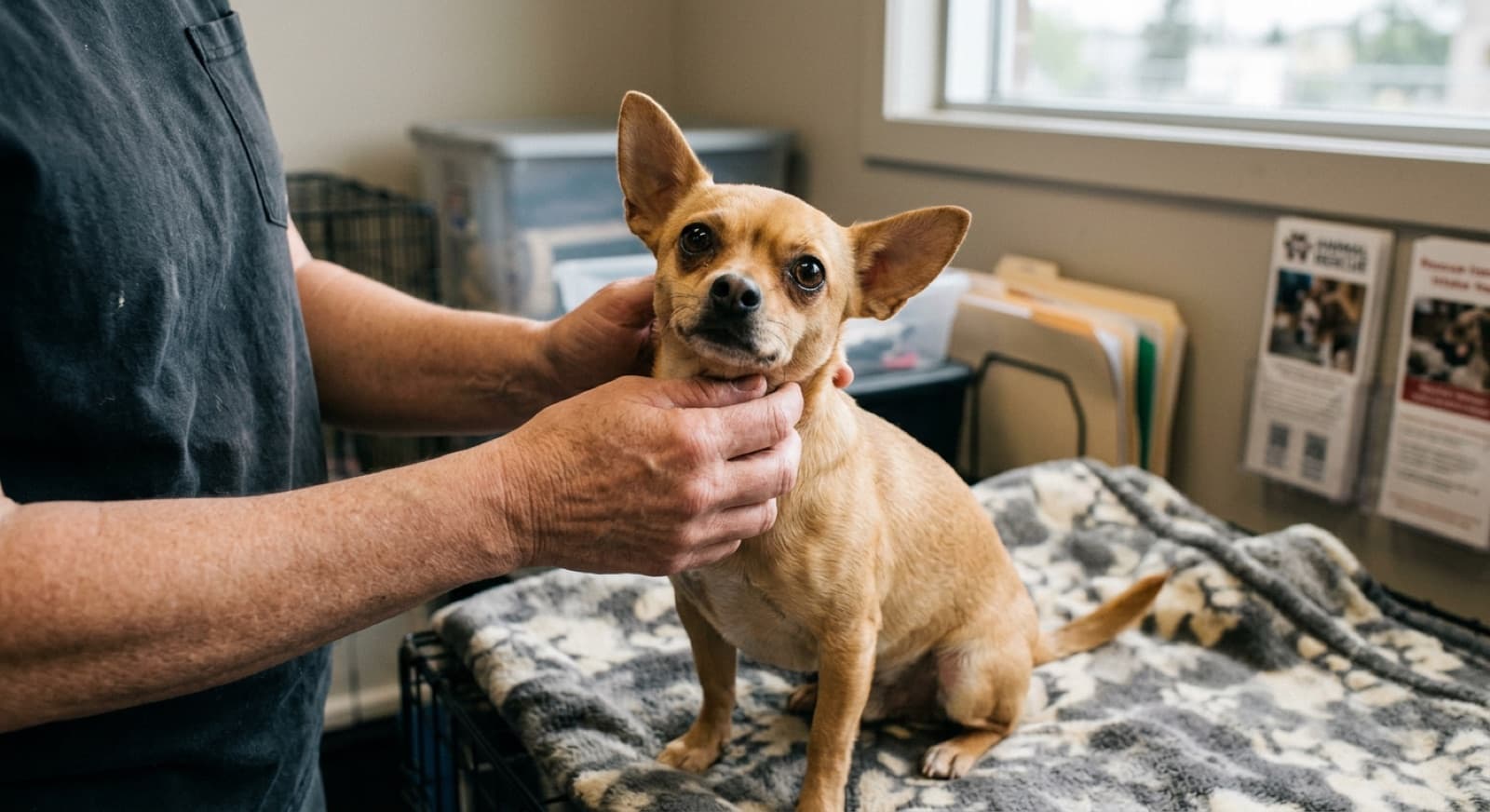
10 Honest Questions to Ask Yourself Before Adopting a Chihuahua
1. Am I ready for a 12 to 20 year commitment?
Chihuahuas are the longest-lived breed in common ownership. Average is 15 to 17 years. A Chihuahua adopted at age 2 will be with you through job changes, moves, relationships, and possibly kids. This is the single biggest underestimate new adopters make. If you are unsure about a 15-year horizon, foster-to-adopt first through Pawsitive Match, AARCS, or Furball Force.
2. Do I live in an adult-only home, or have kids 10 and older?
Chihuahuas and toddlers are a dangerous combination both ways. A 4 lb dog can be killed by a 30 lb child stepping on it or dropping it. A startled Chihuahua snaps to defend itself and can break a child's skin. Most Calgary Chihuahua rescues require adult-only homes or kids 10+. If you have small children or plan to within the next 5 years, pick a sturdier small breed (Cavalier, Cocker, Beagle).
3. Can I be home most of the day, or arrange daycare?
Chihuahuas velcro to one person and develop separation anxiety more often than the breed-average dog. Owners who work from home, are retired, or work part-time are the best fit. If you work full-time in an office, plan for daycare 2 to 3 days a week, a midday walker, and gradual alone-time conditioning from day one. Without a plan, panting, barking, destruction, and house-soiling are common.
4. Am I patient enough for 4 to 8 months of housetraining?
Tiny bladder, dislike of cold or wet ground, and stubborn streak make Chihuahuas the slowest small breed to housetrain. Months, not weeks. Plan for crate training, potty breaks regularly, and consistent accident clean-up with enzymatic cleaner. Indoor potty pads are a real Calgary tool for -25C winter mornings. If you expect a typical 4 to 8 week puppy timeline, you will be frustrated by month 3.
5. Can I tolerate alert barking at every doorbell, footstep, and stranger?
Chihuahuas were bred to alert. They bark at delivery drivers, the elevator, footsteps in the hall, dogs on TV, and the wind. Training reduces excess barking but does not eliminate the breed-typical alarm reflex. If you live in a quiet apartment building with strict noise rules, or if you work from home on video calls, this is a real friction point. Furball Force foster reports often flag “barky” explicitly.
6. Am I okay with a dog that snaps at strangers and vets?
Not aggressive, defensive. A 4 lb dog handled by a 6 foot stranger will sometimes snap. Vet techs, groomers, kids who reach in to pet, and delivery drivers are common triggers. Positive socialization, force-free training, and a good Calgary vet who handles small dogs gently (Avenida, Bridgeland Vet, McKenzie Towne) reduce this. The reactive baseline is real and training-fixable but never zero. Owners who cannot tolerate it should pick a different breed.
7. Do I have a real plan for Calgary winters?
A 4 lb short-coat Chihuahua at -25C is genuinely at risk. Frostbite on ears, tail, and paws happens fast. The Calgary plan: a proper winter coat below -5C, booties below -10C, indoor pee pads on -25C days, and outdoor time capped at 5 to 10 minutes in extreme cold. Long-coat Chihuahuas tolerate cold slightly better but still need gear. This is the biggest climate mismatch of any small breed in Calgary and the reason some owners regret the breed at month 5 of winter.
8. Will I commit to force-free, positive-only training?
Chihuahuas shut down or escalate with harsh methods (yelling, leash pops, e-collars, alpha rolling). Force-free training with high-value treats, gentle handling, and patient consistency is the only method that builds a stable Chihuahua. Calgary trainers Doggie Tales, Sit Happens, and Above and Beyond all teach force-free small dog handling. Old-school “dominance” advice from family or YouTube ruins this breed.
9. Can I budget for a small breed lifetime ($15,000 to $35,000 over 15 years)?
Chihuahuas are cheap to feed (a 6 lb dog eats half a cup of food a day) but the long lifespan stretches all other costs. Dental cleanings every 1 to 2 years ($500 to $900), annual vet visits, pet insurance ($25 to $50 a month), grooming for long-coats ($40 to $70 every 8 weeks), and end-of-life care add up. Calgary adoption fees run $250 to $500 through rescues. Breeder pricing runs $1,500 to $3,000. Kijiji listings are not vetted and most are puppy-mill or backyard-bred.
10. Have I met enough Chihuahuas to know the temperament fits me?
Foster-to-adopt is the single best test of breed fit. Pawsitive Match, AARCS, and Furball Force place Chihuahuas in 2 to 4 week foster trials regularly. You learn the velcro reality, the barking baseline, the housetraining timeline, and the snapping triggers in real life, not in theory. If the trial does not work, return the dog. The breed is so polarizing that a foster trial is worth more than any breed book.
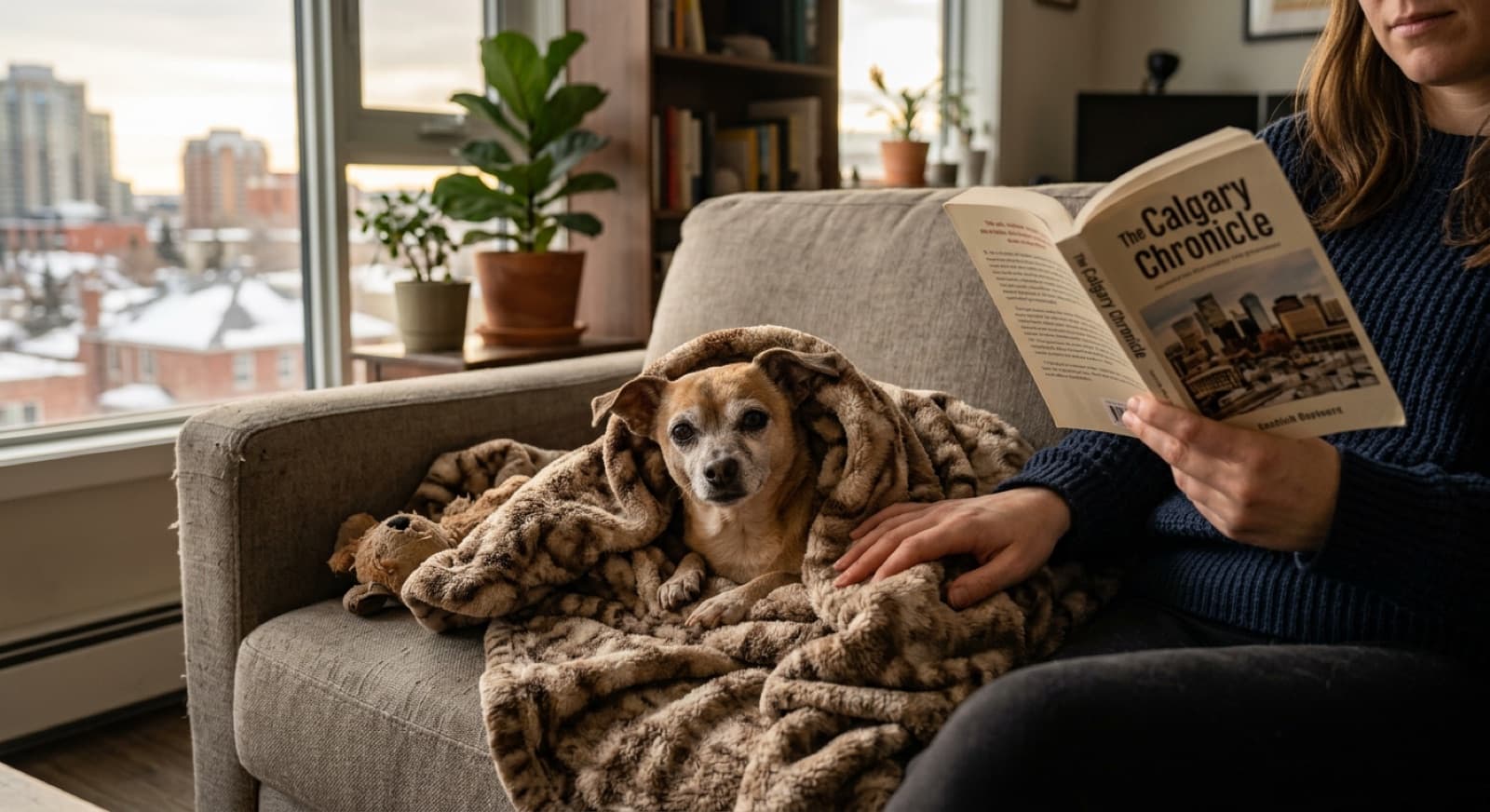
Apple-Head vs Deer-Head Chihuahuas (Both Valid)
The single most common question new Chihuahua adopters ask. Short answer: both are real Chihuahuas, same breed, same temperament. The difference is skull shape and minor health profile.
Apple-Head Chihuahua
Rounded, domed skull. Short muzzle. Large eyes set wide apart. Often described as “baby-faced.” This is the AKC and CKC show standard. The breed clubs require an apple-shaped head for the ring.
Health trade-offs: More prone to hydrocephalus (fluid on the brain), molera (soft spot on skull that stays open), dental crowding, and tracheal collapse. The short muzzle restricts airflow slightly.
Most common in: show breeders, puppy-mill listings, and some Kijiji ads charging premium.
Deer-Head Chihuahua
Longer muzzle. Flatter skull. Larger ears that look more deer-like. Often slightly larger overall (5 to 8 lbs vs 3 to 5 lbs for apple-heads). Not recognized in the show ring but equally purebred.
Health trade-offs: Fewer dental crowding issues because the longer muzzle gives teeth room. Less prone to breathing problems. Generally healthier overall.
Most common in: Calgary rescues, mixed-breed Chihuahuas, and older bloodlines closer to the original Mexican breed.
For adoption, deer-head Chihuahuas often have fewer health issues. For show, only apple-heads qualify. As pets, both are equally lovable and the temperament is identical. Most Calgary rescue Chihuahuas are deer-heads or mixes.
Short Coat vs Long Coat Chihuahuas
Both coat types come in apple-head and deer-head. Coat is a separate trait.
Short Coat (Smooth Coat)
Smooth, glossy, low-maintenance coat. Sheds year-round but minimal grooming needed. Brush once a week, bathe every 4 to 6 weeks.
Calgary winter note: Far less cold tolerance. Mandatory winter coat from -5C and below. Indoor potty access on deep-freeze days.
Long Coat
Soft, feathered coat with longer fur on ears, legs, tail, and chest. Brush 2 to 3 times a week to prevent tangles. Professional grooming every 8 to 10 weeks runs $40 to $70 in Calgary salons.
Calgary winter note: Marginally better cold tolerance. Still needs a coat below -10C and indoor potty access in extreme cold. Not a substitute for proper winter gear.
Who Chihuahuas Are a GREAT Fit For
Singles in apartments or condos
A 4 lb dog fits anywhere. No yard needed. Daily exercise is a 20 to 30 minute walk plus indoor play. Calgary downtown, Beltline, Bridgeland, and Mission condos with no-large-dog rules almost always allow Chihuahuas. The bond is intense and lifelong for an adult living alone.
Seniors and retirees
Long lifespan, low exercise needs, indoor-friendly, and intense devotion make Chihuahuas one of the best senior companion breeds. Many Calgary seniors specifically adopt 5 to 10 year old rescue Chihuahuas because the housetraining is already done and the temperament is settled. AARCS and Pawsitive Match have senior dog placement programs.
Adult-only households
No toddlers means no fragility risk and fewer snapping triggers. Couples, roommates, or single adults with no kids in the picture are the safest match. If a baby is planned within 3 to 5 years, reconsider the breed.
Work-from-home or part-time workers
Velcro bonding pays off when you are home. The dog naps on your lap during meetings, follows you to the kitchen, and sleeps next to your desk. WFH became standard after 2020 and Chihuahua adoptions surged for exactly this reason.
Patient first-time owners willing to slow-housetrain
If you have realistic expectations (4 to 8 months of work) and you stay consistent, a Chihuahua becomes a wonderful first dog. Read our Chihuahua potty training Calgary guide before you start.
Who Chihuahuas Are NOT a Fit For
Families with toddlers or young kids
The fragility plus snapping baseline makes this a real safety issue both ways. Most Calgary Chihuahua rescues will not place into homes with kids under 8 to 10. Pick a sturdier small breed (Cavalier, Cocker, Beagle, Cockapoo).
Outdoor-lifestyle people
Hiking, camping, skiing, paddleboarding, mountain biking. A Chihuahua cannot keep up, cannot tolerate Calgary winter exposure, and is at constant risk from wildlife (coyotes, hawks, owls). If your weekends are in Kananaskis or Banff, pick a breed that can come with you (Border Collie mix, Aussie, Lab mix).
Owners who travel often
Velcro Chihuahuas struggle with frequent boarding or pet sitters. Separation anxiety builds with every absence. Owners gone more than 2 to 3 nights a month need a dedicated trusted sitter, not a kennel. If you travel for work weekly, this is not the right breed.
Owners who cannot tolerate barking
Strict-rules condos, light sleepers, and home-office workers on video calls all hit the barking wall. Training reduces but does not eliminate alert-barking. If silence matters more than companionship, pick a Basenji, Whippet, or older retired Greyhound.
Foster-to-adopt is the safest test of fit
Calgary Chihuahua rescues run 2 to 4 week foster trials through Pawsitive Match, AARCS, and Furball Force. You meet the velcro reality, the barking baseline, the housetraining curve, and the snapping triggers in real life. If the trial fits, you adopt. If not, the dog returns to foster with no fee lost. This is by far the best way to know.
See Available Chihuahuas →The Reality of Velcro Bonding
Chihuahuas pick one person and stick. They follow you to the bathroom, the kitchen, and the front door. They sleep under blankets in your bed. They sit on your lap during calls. They reject other family members for affection if the bonded person is in the room.
This is wonderful if you live alone or want a constant companion. It is hard if you wanted a dog the whole family shares equally. Many Calgary couples end up with one partner as the “chosen one” and the other partner as background. Plan for it.
The flip side: separation anxiety. A Chihuahua left alone 9 hours a day without conditioning, daycare, or a walker often develops panting, barking, destruction, and house-soiling. Counter-conditioning from day one (5 minutes alone, 10 minutes, 20 minutes) is mandatory. Read our Chihuahua separation anxiety Calgary guide for the full prevention plan.
The Reality of Slow Housetraining
Months, not weeks. The tiny bladder holds maybe 2 to 3 hours of urine. The low body temperature makes Chihuahuas hate cold or wet ground. The stubborn streak means scolding makes accidents worse. The standard Calgary winter potty problem at -25C amplifies everything.
Realistic timeline: 4 to 8 months for full housetraining. Crate training, scheduled potty breaks regularly, enzymatic cleaner for accidents, treats and praise within 5 seconds of successful outdoor potty. Indoor pee pads as a winter tool for deep-freeze days.
Owners who expect a 4 to 8 week timeline (the typical puppy textbook) often surrender at month 3. This is the second most common Calgary Chihuahua surrender reason after “snapped at the toddler.”
The Reality of Snapping at Strangers
Not aggression, defensive behaviour. A 4 lb dog being reached for by a 6 foot stranger is genuinely scared. Most snapping is fear-based and triggered by strangers reaching in, kids grabbing, rough handling, vet techs lifting, or being startled awake.
Training fixes most of it. Positive socialization from puppyhood, force-free handling, a small-dog-friendly vet (Avenida Veterinary Clinic, Bridgeland Vet, McKenzie Towne), and never letting strangers grab the dog all reduce the baseline. A well-socialized adult Chihuahua from a stable Calgary foster home is usually much calmer than the stereotype.
The reality: occasional snapping at delivery drivers, surprise guests, or kids who grab will still happen. Owners who cannot tolerate that should pick a different breed. Read our Chihuahua biting and aggression Calgary guide for the full training plan.
The Calgary Winter Constraint
This is the single biggest climate mismatch of any small breed in Calgary. A 4 lb short-coat dog at -30C is genuinely at risk. Frostbite on ears, tail, and paws can happen in under 10 minutes of exposure. Hypothermia in a tiny dog kicks in fast.
The Calgary plan looks like this. Winter coat below -5C. Booties below -10C (Calgary sidewalk salt cracks small paw pads). Outdoor time capped at 5 to 10 minutes in extreme cold. Indoor pee pads for -25C and below deep-freeze days. Heated dog beds, blankets, and possibly a small dog sweater indoors if your home runs cool.
Long-coat Chihuahuas tolerate cold marginally better but still need full winter gear. Coat type does not replace a winter coat below -10C.
If you live in a walk-up apartment 3 stories above the door, expect to carry your Chihuahua up and down stairs in winter to spare its joints and paws. Many Calgary owners do exactly this. For the full winter survival plan, read our Chihuahua winter survival Calgary guide.
Foster-to-Adopt: The Best Way to Test Fit
Calgary Chihuahua rescues run foster trials regularly. Pawsitive Match, AARCS, and Furball Force place Chihuahuas in 2 to 4 week foster homes before formal adoption. You pay nothing during the trial. The rescue provides food, vet care, and gear. You provide the home.
In two weeks you learn whether the velcro reality fits, whether the barking is tolerable, whether housetraining progress is happening, whether your kids can handle a Chihuahua, and whether the dog tolerates your daily routine. If it works, you adopt. If not, the dog returns to foster.
This is by far the safest test of breed fit. Calgary breeders rarely allow trial returns. Kijiji and most “Chihuahua for sale Calgary” listings are not vetted and have no return option. The rescue route protects both you and the dog.
Frequently Asked Questions
Are Chihuahuas good for first-time dog owners?
Yes for the right first-timer, no for many others. The breed is small, devoted, long-lived, and apartment-friendly. The catch is slow housetraining (4 to 8 months), velcro bonding, alert barking, and defensive snapping with strangers. A patient first-timer who lives alone or with adults, is home most of the day, and accepts months of housetraining work does very well. A first-timer expecting an easy compact dog that tolerates kids and visitors will struggle.
Apple-head vs deer-head: which is better?
Both are valid purebred Chihuahuas. Apple-head Chihuahuas have a rounded domed skull and short muzzle and are the AKC and CKC show standard. Deer-head Chihuahuas have a longer muzzle and flatter skull, are not recognized in the show ring, and typically have fewer dental and breathing issues. As pets, both are equally lovable and temperament is identical. Deer-heads are usually the healthier choice. Most Calgary rescue Chihuahuas are deer-heads or mixes.
How long do Chihuahuas live?
12 to 20 years, with 15 to 17 the average. The longest-lived breed in common ownership. Healthy weight, regular dental care, and protection from injury are the top predictors. The lifespan is the biggest commitment new adopters underestimate. A Chihuahua adopted at 2 will be with you for 15+ years through every life change.
Are Chihuahuas good with kids?
Generally not for kids under 8 to 10. Fragility (3 to 6 lbs) plus defensive snapping make this a safety risk both ways. Most Calgary Chihuahua rescues require adult-only homes or kids 10+. With calm older children who can read body language, the breed often does fine. Toddler households should pick a sturdier small breed.
How hard is Chihuahua housetraining?
Hard. 4 to 8 months of consistent work, not the 4 to 8 weeks most puppy books suggest. Tiny bladder, dislike of cold or wet ground, and stubborn streak all stack against you. Calgary winter at -25C amplifies it. Indoor pee pads are a real tool. Crate training, potty breaks regularly, and patient consistency are the only path. Owners expecting fast results surrender at month 3.
Are Chihuahuas aggressive?
Defensive, not aggressive. A 4 lb dog snaps to protect itself from a 6 foot stranger reaching in. Positive socialization, force-free training, and a small-dog-friendly vet reduce the baseline dramatically. A well-socialized adult Chihuahua from a stable Calgary foster home is much calmer than the stereotype. The reactive baseline is real and training-fixable but never zero.
Can Chihuahuas handle Calgary winter?
Poorly without serious gear. A 4 lb short-coat at -25C is genuinely at risk. Frostbite happens fast. The Calgary plan: winter coat below -5C, booties below -10C, indoor pee pads on deep-freeze days, outdoor time capped at 5 to 10 minutes in extreme cold. Long-coat tolerates cold slightly better but still needs gear. This is the biggest climate mismatch of any small breed in Calgary.
Who should NOT get a Chihuahua?
Families with toddlers or kids under 8. Hikers, campers, and outdoor-lifestyle people. Owners who travel often. Owners who cannot tolerate barking. Owners gone 8+ hours a day with no companionship plan. Anyone expecting fast housetraining. Anyone uncomfortable with occasional snapping at strangers, vets, or delivery drivers.
Related Chihuahua guides
Chihuahua Adoption Calgary →
Where to find a rescue Chihuahua in Calgary, real adoption costs, foster-to-adopt programs, and what to expect from each shelter.
Chihuahua Potty Training Calgary →
The realistic 4 to 8 month housetraining plan, indoor pee pad strategy for Calgary winter, and how to handle accidents.
Chihuahua Winter Survival Calgary →
Frostbite prevention, the right winter coat and booties, indoor potty setup for -25C days, and the full Calgary winter playbook.
New dog? Start with these care guides
Everything a new adopter needs to set up a safe, happy home.