The short answer
SCARS is a foster-based rescue with two operating centres (Athabasca and Morinville) and a network of fosters across Edmonton metro. Adoption runs through an application at adopt.scarscare.ca, a phone interview, reference checks, a home visit, and a foster-home meet-and-greet. Total timeline is 2 to 4 weeks. SCARS publishes the most detailed compatibility profiles in Edmonton and is the #1 source for working-breed rescue dogs. The Working Cats program places feral and semi-feral cats as barn cats.
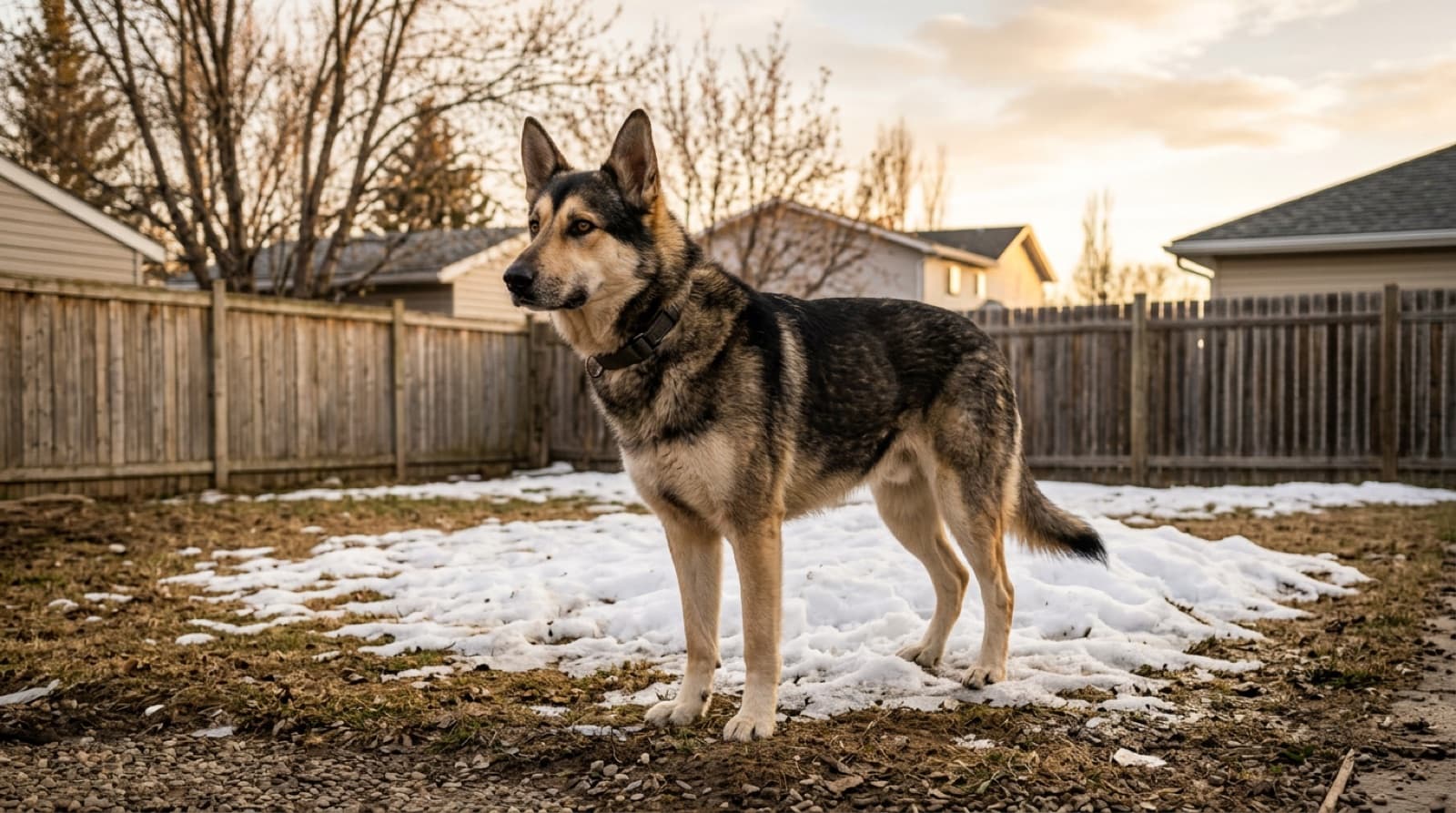
About SCARS
SCARS stands for Second Chance Animal Rescue Society of Alberta. It is one of the largest Edmonton-area foster-based rescues, with two named operating centres and a foster network across Edmonton metro.
- Athabasca Second-Chance Country Refuge: a rural facility in Athabasca that houses some intake dogs and cats before placement.
- Morinville Rescue Centre: a closer-to-Edmonton facility for intake and short-term housing.
- Edmonton foster network: dogs and cats live in foster homes across Edmonton, Sherwood Park, St. Albert, Morinville, and surrounding communities until adoption.
SCARS is best known for pulling dogs and cats from underserved northern Alberta communities and Indigenous community partnerships where veterinary infrastructure is limited. The organization also runs a mobile spay-neuter-return clinic for partner communities to reduce the long-term need for animal relocation, and the Walls for Winter program that delivers insulated outdoor shelters to rural residents.
For working-breed dogs (German Shepherd, Husky, Labrador, working-line mixes), SCARS is Edmonton's #1 source. Their structured compatibility profiles include explicit housing requirements, training status, and detailed notes on the dog's behaviour around cats, kids, and other dogs.
The adoption process, step by step
Step 1, browse the inventory. Start at adopt.scarscare.ca. Each pet has structured compatibility data, photos, and foster notes. Read the profile carefully. SCARS profiles are usually detailed enough to know whether the dog is a real candidate for your home before applying.
Step 2, submit the application. Detailed online form covering household composition, housing, work schedule, prior pet experience, vet reference, landlord reference if you rent, and what behavioural or medical situations you can manage. Plan 30 to 45 minutes.
Step 3, application review. Typically 1 to 2 weeks. Volunteers review applications and shortlist for the dogs you applied for.
Step 4, phone interview. A volunteer calls to discuss the application, ask follow-up questions, and tell you more about the specific dog. The call usually runs 20 to 45 minutes.
Step 5, reference checks. Vet reference for prior pet care quality. Landlord reference if you rent. Personal reference sometimes. A few days.
Step 6, home visit. A SCARS volunteer visits to see the environment, meet household members, check fencing if relevant, and answer questions. Foster-based rescues run home visits because the dog is leaving the foster home for an unknown environment.
Step 7, meet-and-greet. At the foster home, the Athabasca Country Refuge, or the Morinville Rescue Centre depending on where the dog currently lives. Bring everyone in the household. Bring any current dog if compatibility is being assessed. Plan 30 to 90 minutes.
Step 8, adoption contract and take-home. If the match is right, sign the contract, pay the fee, and take the dog home. The foster usually stays in contact for the first weeks to support the transition.
What the adoption fee covers
| Pet | Typical fee range | Notes |
|---|---|---|
| Adult dog | $400 to $650 | Spay or neuter, vaccines, microchip, deworming, foster behavioural notes |
| Puppy | Higher | Reflects ongoing vaccine series and post-adoption spay or neuter |
| Adult cat | $150 to $250 | Spay or neuter, vaccines, microchip, FeLV and FIV testing |
| Working Cat | $0 to $50 | Reflects the working placement model rather than a household pet relationship |
What is included in every adoption: spay or neuter surgery, age-appropriate vaccinations, microchip, deworming, parasite prevention, and behavioural notes from the foster home. The veterinary bundle alone runs $500 to $1,200 if done privately.
Timeline expectations
Typical timeline is 2 to 4 weeks from application to adoption. Shorter than Zoe's because SCARS has more inventory and runs a higher placement volume.
Faster than typical: straightforward applications on less-applied-for dogs sometimes complete in 10 to 14 days.
Slower than typical: applications on highly desired dogs (puppies, small breeds, sociable Labs) take longer because SCARS chooses among multiple strong applicants. Foster-to-adopt arrangements for trauma-history dogs add another 2 to 4 weeks of trial period before the adoption is finalized.
If the pet is adopted by someone else: the volunteer will tell you, often with redirects to one or two similar dogs. The application stays on file for future placements.
Common reasons applications get declined
SCARS declines are usually about specific dog-fit, not adopter quality. Working-line and trauma-history dogs have stricter placement criteria than the average rescue dog because the consequences of a mismatch are higher.
- Inappropriate housing for the specific dog (apartment for a working-line German Shepherd with high exercise needs, no yard for a high-prey-drive Husky).
- Lack of breed experience for a working-line or trauma-history dog.
- Inadequate fencing for a flight-risk dog with no leash history (typical for chain-tether intake dogs).
- Household composition mismatch (very young children plus a fear-reactive dog).
- Work schedule mismatch for a separation-prone dog.
- Prior surrender history pattern that suggests the placement may repeat.
If your application is declined, ask the volunteer what would change the answer for a different dog. The redirect is often to a less-demanding dog who is actually a better fit.
The Working Cats program in detail
Working Cats is one of SCARS's most distinctive programs and the right path for adopters with barns, shops, acreages, or rural properties who want functional rodent control plus the satisfaction of giving a feral or semi-feral cat a chance at outdoor life.
Who is a Working Cat: typically feral or semi-feral cats who would be miserable in an indoor-only household setting. Some are former community cats; some are barn cats whose original placements ended. They want to be outdoors, they want minimal human contact, and they want shelter and food.
What adopters provide: a safe shelter (barn, shop, garage, insulated outbuilding), food and water daily, basic veterinary care if the cat presents with illness or injury, and a reasonable acclimation period (typically a 2 to 4 week confinement in the new shelter so the cat learns where home is before being released to roam).
Why working cats often come in pairs: cats settle better with a familiar companion. SCARS will sometimes place a bonded pair of Working Cats together because the second cat dramatically improves the chance the first cat stays.
What Working Cats are not: not pets in the traditional sense. Do not adopt a Working Cat expecting affection or interactive behaviour. The right Working Cat home values the cat for what they actually are.
Why SCARS profiles are detailed
SCARS fosters are usually rural Alberta volunteers who live with the dog for weeks before the dog is listed for adoption. The foster writes detailed temperament notes covering housing requirements, training status, observed behaviour around cats, kids, and other dogs, and any flags that surfaced in the household.
This depth is unusual in the Edmonton rescue landscape. For working-line dogs, where breed-experience expectations matter, the SCARS profile is the most honest available assessment. Read it carefully. Ask the foster the questions the profile does not answer. The foster's observation is your starting point, not a finished product, because the Edmonton home is the dog's second indoor environment after the foster home.
For trauma-history dogs (chain-tether background, undersocialization, no prior veterinary care), expect a fresh decompression period in your home even after the foster has done good work. See our rescue Shepherd trauma framework for the standard 333 rule applied to high-drive Edmonton rescue dogs.
How SCARS compares to other Edmonton rescues
- EHS: open-admission, same-day adoption. Best for first-time adopters who want speed and broad selection.
- SCARS: foster-based, northern Alberta intake, most detailed compatibility profiles. Best for adopters specifically looking for working-breed mixes, willing to take on chain-tether or undersocialization history. Working Cats program is the only one of its kind in Edmonton.
- Zoe's: foster-based, no facility. Best for adopters who want detailed personality data and a known-history pet. Caretaker Cat Program is unique to Zoe's.
- AHHRB: foster-based, bylaw-agency intake from the eastern Edmonton corridor.
- GEARS and Hope Lives Here: smaller foster-based rescues with force-free training emphasis.
For the full comparison see our best dog rescues Edmonton guide.
References used in this guide: SCARS; ASPCA: cats position statement; American Veterinary Medical Association: dog-bite prevention.
Browse SCARS pets in Edmonton
SCARS dogs and cats appear on LocalPetFinder alongside Edmonton's other rescues. Foster-evaluated temperament, detailed compatibility data, working-breed expertise, and the Working Cats program for barn and acreage placements. Listings update regularly.
See SCARS Pets →Frequently Asked Questions
What does SCARS stand for?
SCARS stands for Second Chance Animal Rescue Society of Alberta. It is one of the largest Edmonton-area foster-based rescues with two operating centres, Athabasca Second-Chance Country Refuge and the Morinville Rescue Centre, and a foster network spanning Edmonton metro. SCARS is best known for pulling dogs and cats from underserved northern Alberta communities and Indigenous community partnerships where veterinary infrastructure is limited.
How do I adopt from SCARS?
Browse adoptable pets at adopt.scarscare.ca, submit an adoption application, complete the application review (typically 1 to 2 weeks), pass a phone interview, complete reference checks, host a home visit, meet the pet at the foster home or at one of the Athabasca or Morinville country refuge sites, sign the adoption contract, and take the pet home. Total timeline is typically 2 to 4 weeks.
Do I have to drive to Athabasca to adopt from SCARS?
Not necessarily. Most SCARS dogs and cats live in foster homes across the Edmonton metro, so the meet-and-greet happens at the foster home in Edmonton, Sherwood Park, St. Albert, Morinville, or wherever the foster lives. Some pets at the Athabasca Country Refuge or Morinville Rescue Centre require a visit to the facility. The pet profile at adopt.scarscare.ca will tell you where the meet happens. Confirm before driving.
What is the Working Cats program?
Working Cats is a SCARS placement program for cats not suited to indoor-only homes. Most Working Cats are feral, semi-feral, or under-socialized cats who would be miserable in a household setting but thrive as barn cats, shop cats, or acreage cats. Adopters provide shelter, food, and basic care; the cats provide rodent control and outdoor presence. Working Cats are typically free or low-fee. Many SCARS Working Cats come in pairs because cats settle better with a familiar companion.
What is the Walls for Winter program?
Walls for Winter is a SCARS community resilience program (not adoption-focused) that builds and delivers insulated outdoor shelters with straw bedding to rural Alberta residents whose dogs spend time outside in winter. The goal is to reduce cold-weather suffering at the community level without requiring relocation. Walls for Winter is funded by donations and runs primarily in fall, before the first hard freeze.
What does the SCARS adoption fee cover?
SCARS adoption fees cover spay or neuter surgery, microchip, age-appropriate vaccinations, deworming, and behavioural notes from the foster. As a directional guide, adult dogs typically run $400 to $650 (higher for puppies), adult cats $150 to $250, and Working Cats often $0 to $50 because the placement is barn or shop and not a household pet relationship.
Why does SCARS publish more detailed compatibility data than other rescues?
SCARS fosters are usually rural Alberta volunteers who write extensive temperament notes after weeks of observing the dog or cat in their household. Their structured profiles include housing requirements (apartment, house, acreage), training status, and explicit compatibility notes (good with cats, good with kids, good with dogs). This depth is unusual in the Edmonton rescue landscape. Adopters who want known-temperament data on a working-line dog should treat the SCARS profile as the most honest available assessment.
What is the chain-tether history many SCARS dogs have?
Many SCARS dogs come from northern Alberta and Indigenous community partnerships where rural and remote conditions sometimes mean dogs live their entire lives outdoors on a chain tether with limited human handling, no leash experience, no indoor exposure, and sometimes no prior veterinary care. The foster home is often the dog's first indoor environment. The temperament profile reflects what the foster observed. Edmonton home adoption is then the dog's second-ever indoor environment, so expect a fresh decompression period even after the foster has done good work. See our <a href="/alberta/dog-adoption-edmonton/resources/adopting-rescue-german-shepherd-trauma-edmonton">rescue Shepherd trauma framework</a> for the standard timeline.
Common reasons SCARS declines applications?
Inappropriate housing for the specific dog (apartment for a working-line GSD with high exercise needs), prior surrender history pattern, lack of breed experience for a working-line or trauma-history dog, inadequate fencing for a flight-risk dog with no leash history, household composition mismatch (very young children plus a fear-reactive dog), or work schedule that leaves a separation-prone dog alone too long. Most declines come with a redirect to a different dog on the available list.
Does SCARS only have dogs from northern Alberta?
No. The majority of SCARS dogs come from northern community partnerships, but SCARS also takes owner surrenders, transport-pull dogs from other rescues, and occasionally bylaw-agency intake. The adoption profile will tell you the dog's known background. Ask the foster directly about what the dog has been exposed to.
Is foster-to-adopt available at SCARS?
For working-line and trauma-history dogs, SCARS often arranges foster-to-adopt placements. The dog goes home on a trial basis while SCARS retains ownership and supports the foster home with food, training help, and a safety net to return the dog if the match is wrong. Foster-to-adopt is the standard recommendation for trauma cases and the strongest path for adopters who want to commit to a dog with unknowns. Ask SCARS directly whether the specific dog is foster-to-adopt eligible.
How does SCARS compare to Edmonton Humane Society?
SCARS is foster-based with a slower 2 to 4 week timeline and the most detailed compatibility profiles in Edmonton. EHS is open-admission with same-day adoption and broader inventory. SCARS is best for adopters specifically looking for working-breed mixes, willing to take on a chain-tether or undersocialization history, or wanting deep known-temperament data. EHS is best for first-time adopters who want speed and on-site matchmaking. The two paths are complementary, not competing.
Rescue GSD with Trauma History
The 333 rule applied to SCARS chain-tether and undersocialization intake dogs.
Adopting from Edmonton Humane Society
Same-day adoption, 3,905 placements in 2024, on-site matchmaking.
Best Dog Rescues Edmonton
EHS, SCARS, Zoe's, GEARS, Hope Lives Here, and AHHRB compared by adopter persona.
All Edmonton Adoptable Dogs
Live listings of rescue dogs from Edmonton-area shelters and foster networks.
New dog? Start with these care guides
Everything a new adopter needs to set up a safe, happy home.