The short answer
Havanese are velcro dogs, bred purely as companions, so a tendency toward separation anxiety is built into the breed, not a sign you did something wrong. The single best thing you can do is teach alone time from day one: short, calm absences that build up gradually, low-key departures and arrivals, a positive association with being alone (a special food toy that only appears when you leave), and enough exercise and enrichment. If anxiety is already established, the fix is gradual desensitisation (slowly increasing alone time while never letting the dog tip into panic), bridged by daycare, a walker, or a sitter so the dog is not left longer than it can handle. Punishment never helps, because the problem is fear, not disobedience. Moderate to severe cases need a certified separation-anxiety trainer or veterinary behaviourist. Pair this with the Havanese health guide.
Why Havanese are velcro dogs
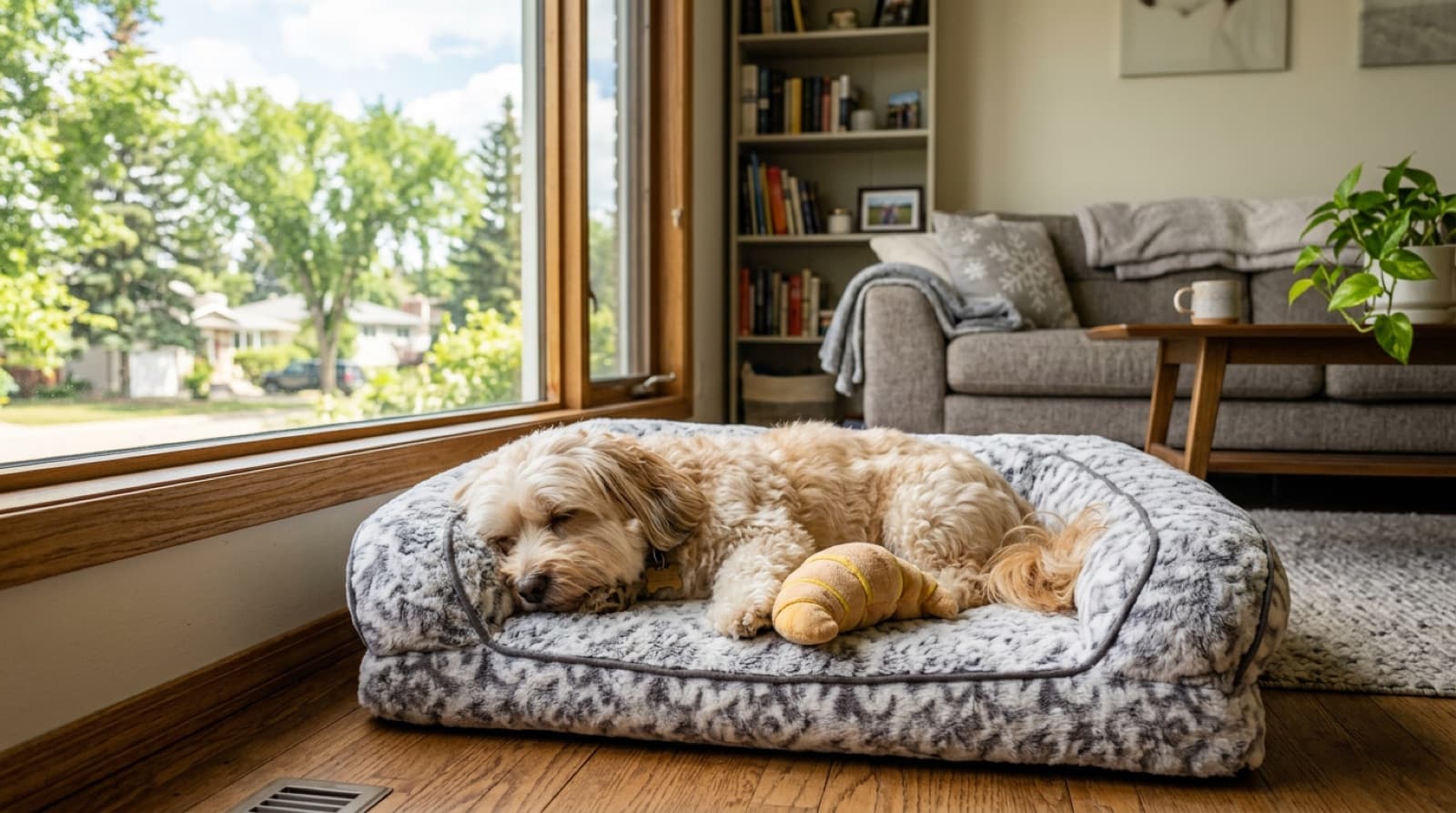
To understand Havanese separation anxiety, start with the breed's history. The Havanese, Cuba's national dog, was developed over centuries for one job: to be a devoted human companion. Unlike breeds shaped for herding, hunting, or guarding, the Havanese was bred purely to be with its people, and that intense people-orientation is woven into the temperament. It is why the breed is so affectionate, so attuned to its family, and so often described as a velcro dog that follows its person from room to room.
That same devotion is what makes alone time hard. A dog bred to be constantly with people does not automatically know how to be calm by itself; it has to be taught. So a Havanese struggling when left alone is not a defect or a training failure, it is the predictable flip side of the companion temperament you adopted the breed for. Knowing this reframes the work ahead: you are not fixing a broken dog, you are teaching a naturally people-loving dog a skill (being alone) that does not come built in. Most Havanese learn it well with the right approach.
What true separation anxiety looks like
It helps to separate genuine separation anxiety from ordinary boredom or a one-off bad day, because the approach differs. True separation anxiety is panic at being left alone. The signs cluster around departures and the time alone:
- Distress that begins as you prepare to leave, or right after you go
- Persistent barking, howling, or whining
- Pacing, restlessness, drooling, or panting
- Destructive behaviour focused on exit points (doors, windows, crates)
- House-soiling in a dog that is otherwise house-trained
- Refusing food or a treat while alone, even a favourite one
A telling feature is that the behaviour is tied specifically to being alone and often peaks in the first 15 to 30 minutes. The most useful diagnostic step any owner can take is to record the dog on a phone or pet camera during a short absence; it shows you whether the dog settles after a few minutes or spirals into genuine distress. Mild fussing that quickly resolves is different from real panic, and knowing which you are dealing with shapes how urgently and intensively you respond.
Some of the product links in this section are Amazon affiliate links — we may earn a small commission at no extra cost to you. It never changes which products we recommend.
Prevention: teach alone time from day one
Prevention is far easier than treatment, and it starts the day your Havanese comes home. The goal is to teach, from the beginning, that being alone is normal, safe, and always temporary. The most common mistake new owners make, especially with such a companionable breed, is spending every waking minute together for the first weeks and then abruptly leaving for a full day, which is a recipe for panic.
Instead, build alone time in gently from the start:
- Practise short absences from day one: step into another room or out the door for a minute, then a few minutes, then longer, always returning before the dog gets distressed.
- Keep departures and arrivals calm and low-key rather than emotional, so coming and going is no big deal.
- Build a positive association with being alone, such as a stuffed food toy or chew that only appears when you leave.
- Set up a comfortable safe space the dog actively likes.
- Meet the dog's exercise and enrichment needs, since a physically and mentally satisfied dog settles far more easily.
Do this consistently and most Havanese simply grow up taking alone time in stride, never developing the anxiety in the first place.
Browse adoptable Edmonton Havanese
Current Edmonton Havanese and Havanese-mix listings from SCARS, Zoe's, EHS, GEARS, Hope Lives Here, AHHRB, and AARCS Edmonton fosters. Foster notes often flag how a dog handles being alone. Plan alone-time training from the first day home, and line up a daycare or walker if you work.
See Available Havanese →Treating anxiety that has already started
If your Havanese already panics when alone, the proven approach is gradual desensitisation: systematically teaching the dog that being alone is safe, at a pace that never tips it into panic. The principle is simple even though the work takes patience. You start with absences so short the dog stays completely calm, sometimes only seconds at first, reward that calm, and increase the duration in small increments over days and weeks, always staying below the threshold where distress kicks in.
The piece owners most often miss: while you do this training, you must avoid leaving the dog alone longer than it can currently handle, because every panicked absence sets the work back. This is where management bridges the gap, and Edmonton makes it workable with doggy daycares, dog walkers, pet sitters, or help from family and neighbours to cover the absences the dog cannot yet manage. Alongside that, keep departures undramatic, provide enrichment, and hold a predictable routine.
Two things to be clear about. Punishment never helps and actively makes anxiety worse, because the dog is afraid, not disobedient. And moderate to severe separation anxiety is genuinely hard to resolve alone; it responds far better to a structured plan from a certified separation-anxiety trainer or a veterinary behaviourist, and your vet may discuss whether anti-anxiety medication has a supporting role alongside the behaviour work. This is weeks-to-months work, and steady patience is what gets results.
When to involve a vet or behaviourist
Get professional help sooner rather than later if the anxiety is more than mild. Specific reasons to call: the dog injures itself or is destructive trying to escape, the distress is intense and not improving with your efforts, the dog will not eat while alone, or you simply cannot make progress on your own. Start with your Edmonton vet, who can rule out medical contributors and refer you onward.
For the behaviour work itself, look for a certified force-free trainer or a veterinary behaviourist, ideally one who specialises in separation anxiety, since it is a distinct area often coached remotely over video with great success. Credentials from the Certification Council for Professional Dog Trainers or the International Association of Animal Behaviour Consultants signal proper training. Getting expert guidance early is not an admission of failure; it is the fastest, kindest route to a calm dog.
Living with a Havanese in a working Edmonton household
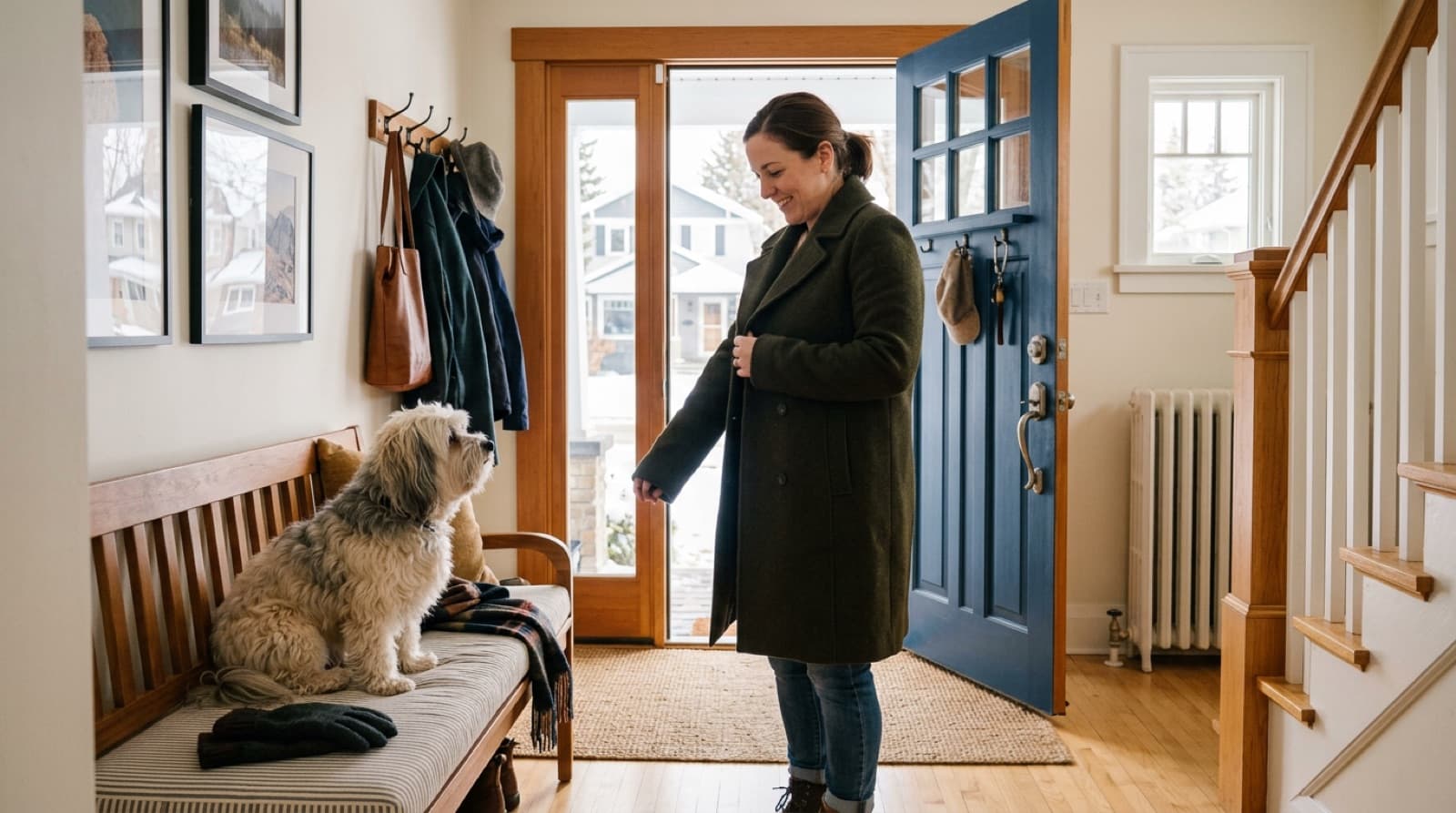
Plenty of Havanese thrive with owners who work, but it takes a plan rather than wishful thinking. The breed should not be left alone for very long daily stretches with nothing in between, both for the anxiety risk and because it is a social dog that needs company. The workable model is to break up the day and keep the dog fulfilled: a midday walker or a trip home at lunch, doggy daycare a few days a week, solid morning exercise, and enrichment to occupy the dog while you are out. Edmonton's daycare and dog-walking services make this realistic.
Winter deserves a specific mention. Deep Edmonton cold cuts everyone's activity, and an under-exercised, under-stimulated Havanese has more pent-up energy and can backslide on alone time, while extra cooped-up togetherness can deepen a velcro dog's reliance on company. Keep up daily exercise and indoor enrichment through the cold months, maintain your alone-time practice rather than letting it lapse over a togetherness-heavy winter, and lean on daycare or walks to break up long indoor days. Meet the dog's needs year-round and winter will not undo your training.
Frequently asked questions
Where can I get help for a Havanese with separation anxiety near me in Edmonton?
Start with your general-practice Edmonton vet, who can rule out medical causes and, for moderate to severe cases, refer to a veterinary behaviourist or a certified force-free trainer experienced with separation anxiety. Look for credentials from bodies like the Certification Council for Professional Dog Trainers (CCPDT) or the International Association of Animal Behaviour Consultants (IAABC), and for separation-anxiety specialists specifically, since it is a specialised area often worked remotely over video. For day-to-day management while you train, Edmonton has doggy daycares and dog walkers that can break up the alone time. The key is to start early and get professional guidance before mild anxiety becomes entrenched, because separation anxiety responds far better to a structured plan than to guesswork.
Why are Havanese prone to separation anxiety?
It comes down to what the breed was made for. The Havanese was developed over centuries purely as a human companion, a lap dog bred to be with its people constantly, and that intense people-orientation is exactly what makes the breed so affectionate and also what predisposes it to struggle when left alone. Havanese are often called velcro dogs because they like to follow their person from room to room. That devotion is wonderful, but it means alone time does not come naturally and has to be taught gently. It is not a flaw or a training failure; it is the flip side of the companion temperament you adopted the breed for. The good news is that with early, deliberate alone-time training, most Havanese learn to be calm by themselves.
What does separation anxiety look like in a Havanese?
True separation anxiety is panic at being left alone, and it looks different from boredom or a one-off bad day. Signs include distress that starts as you prepare to leave or right after you go: persistent barking, howling, or whining; pacing; drooling or panting; destructive behaviour focused on exit points like doors and windows; house-soiling in an otherwise house-trained dog; and refusing food or treats while alone. A telling clue is that the behaviour is tied specifically to being alone and often peaks in the first 15 to 30 minutes. A common way owners discover the severity is by recording the dog on a phone or camera while out. Mild fussing that settles quickly is different from genuine panic. If you see real distress, treat it seriously and get a plan in place, because anxiety left to escalate becomes harder to resolve.
How do I prevent separation anxiety in a new Havanese?
Prevention starts the day the dog comes home, and it is far easier than treating established anxiety. The core idea is to teach from the start that being alone is normal, safe, and temporary. Avoid the very common mistake of spending every minute together for the first weeks and then suddenly leaving for a full work day, which sets the dog up to panic. Instead, build in short, calm absences from day one: step out for a minute, then a few, then longer, always returning before the dog becomes distressed. Make departures and arrivals low-key rather than emotional. Give the dog a positive association with alone time, such as a stuffed food toy that only appears when you leave. Create a comfortable safe space. And make sure the dog gets enough exercise and mental enrichment, since a tired, fulfilled dog settles more easily. Build the habit early and most Havanese take alone time in stride.
How do I treat separation anxiety once it has started?
The proven approach is gradual desensitisation: slowly and systematically teaching the dog that being alone is safe, at a pace that never tips them into panic. In practice that means starting with absences so short the dog stays calm (sometimes just seconds at first), rewarding calm, and increasing the duration in small steps over days and weeks, never pushing to the point of distress. Crucially, while you do this training, you also need to avoid leaving the dog alone longer than it can currently handle, which is where daycare, a dog walker, a sitter, or help from family bridges the gap. Make departures undramatic, provide enrichment, and keep a predictable routine. Punishment never helps and makes anxiety worse, because the problem is fear, not disobedience. Moderate to severe cases benefit enormously from a certified separation-anxiety trainer or veterinary behaviourist, and your vet may discuss whether anti-anxiety medication has a role alongside the training. Patience is everything; this is weeks-to-months work, not days.
Can I leave a Havanese alone while I work?
Yes, many Havanese live happily in working households, but it takes planning and honesty about the breed. A Havanese should not be left alone for very long stretches every day with nothing in between, both because of the separation-anxiety risk and because it is a social breed that needs company. If you work full time, build a plan: a midday dog walker or a lunchtime visit home, doggy daycare a few days a week, enrichment to occupy the dog, and gradual alone-time training so the absences it does have are manageable. In Edmonton, daycare and walking services make this very workable. The breed is a poor fit only for someone who is away long hours with no provision for the dog and no interest in training alone-time tolerance. With reasonable arrangements, a Havanese and a working owner do well together.
Does an Edmonton winter make separation anxiety worse?
It can, in a couple of indirect ways worth planning around. Deep Edmonton winter tends to cut everyone's activity, and a Havanese that is under-exercised and under-stimulated has more pent-up energy and less to do, which can worsen anxiety and barking when alone. Winter also often means more time cooped up together indoors, which can deepen a velcro dog's reliance on constant company and make the contrast of being alone sharper. The fixes are straightforward: keep up daily exercise and indoor enrichment through the cold months (food puzzles, training games, indoor play), maintain alone-time practice rather than letting it lapse over a togetherness-heavy winter, and use daycare or walks to break up long indoor days. Treating the dog's mental and physical needs year-round keeps winter from undoing your alone-time training.
Related Edmonton Havanese guides
Havanese Health Issues Edmonton
Hereditary cataracts and eye disease, patellar luxation, chondrodysplasia, deafness, and sebaceous adenitis.
Havanese Adoption Edmonton
Rescue sources, real adoption costs, the companion-breed reality, and common Havanese mixes.
Maltese Health Issues Edmonton
Another devoted companion toy breed, with overlapping temperament and toy-breed health themes.
Edmonton Adoptable Dogs
Current Edmonton-area Havanese and Havanese-mix listings from local rescues and fosters.
Find your Edmonton rescue Havanese
Browse current Edmonton-area Havanese and Havanese-mix listings. Start alone-time training from the first day home, line up daycare or a walker if you work, and you give a velcro breed the best chance of settling calmly on its own.
Browse All Edmonton Dogs →New dog? Start with these care guides
Everything a new adopter needs to set up a safe, happy home.