Showing 159 dogs
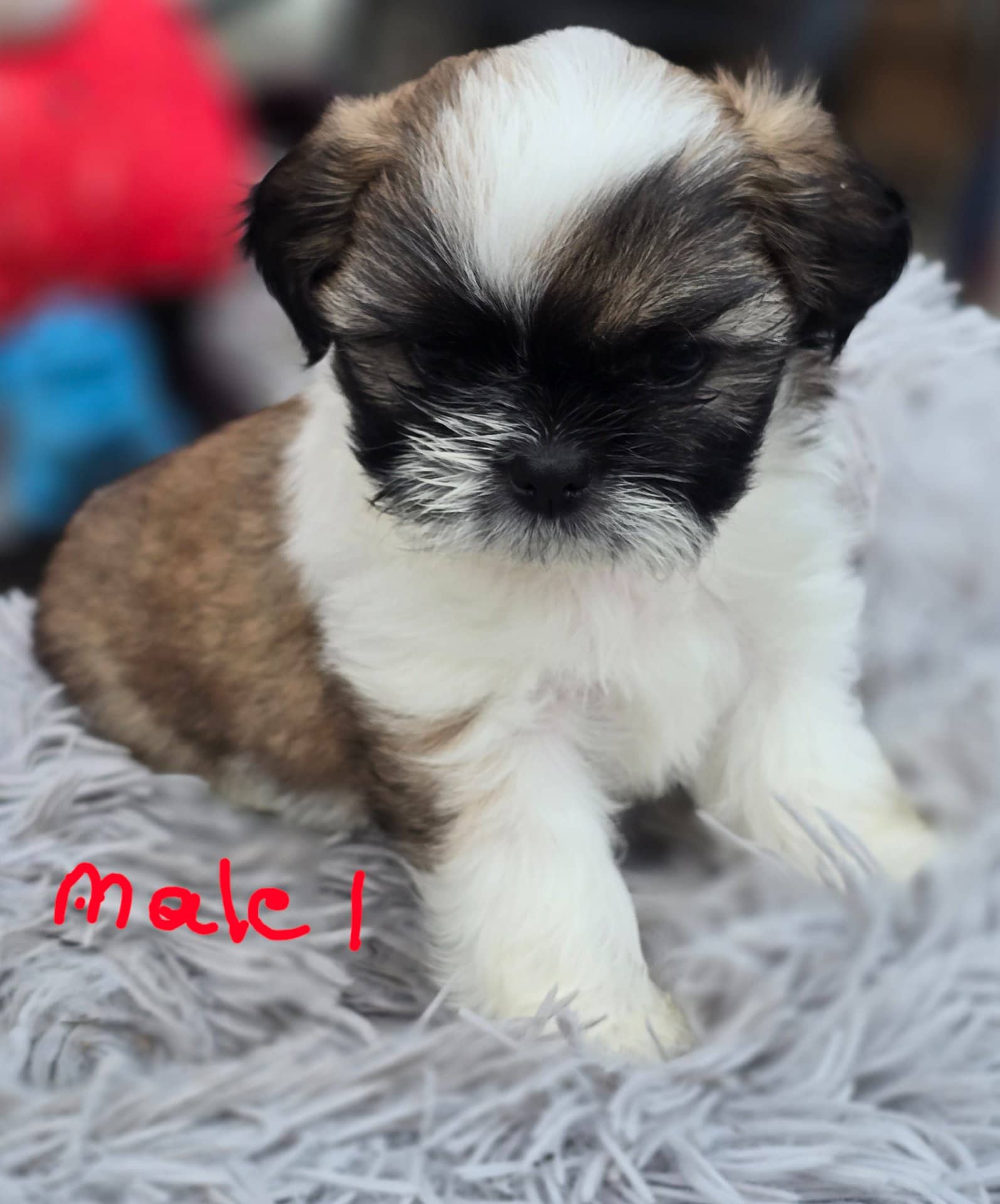
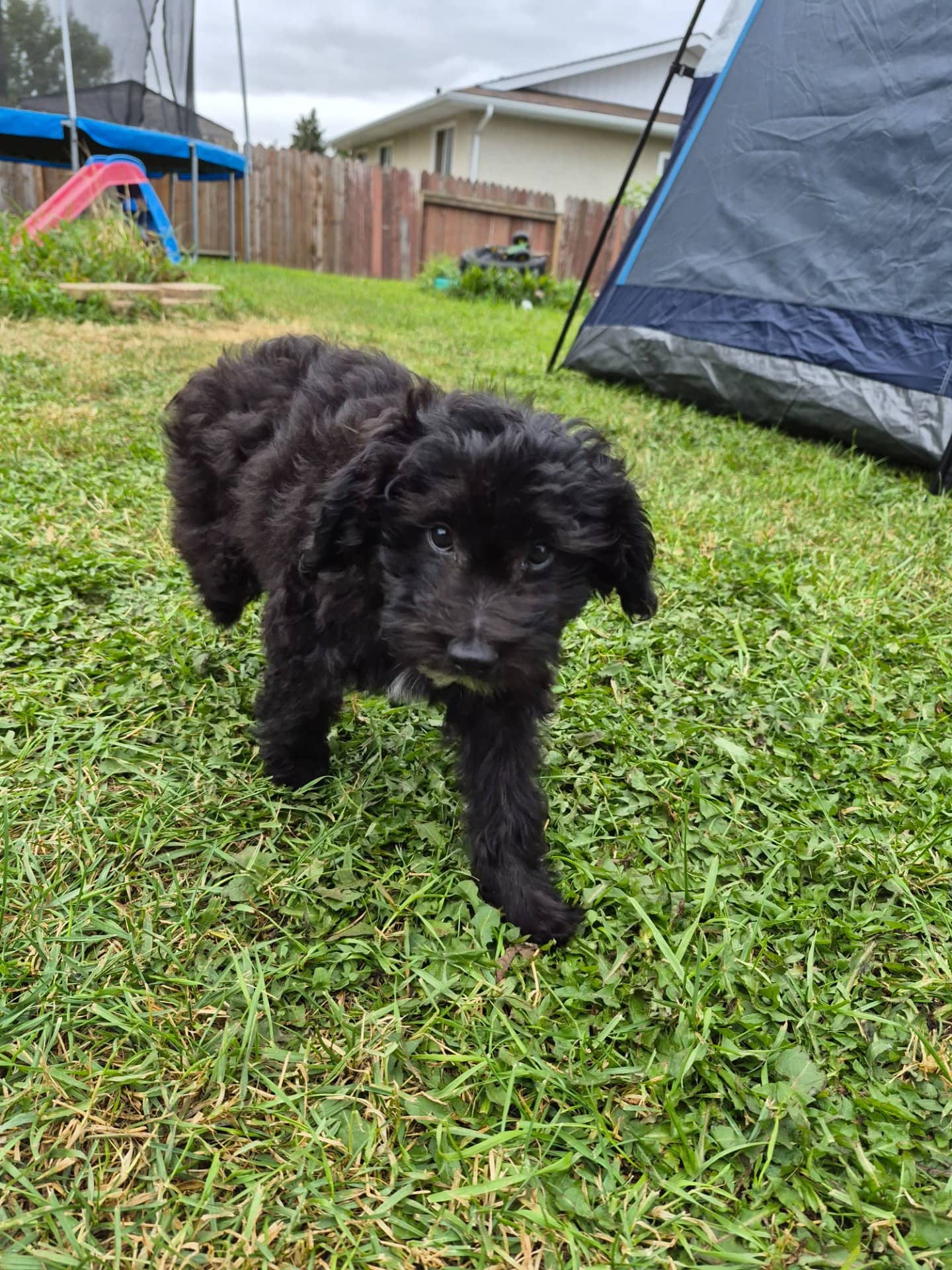
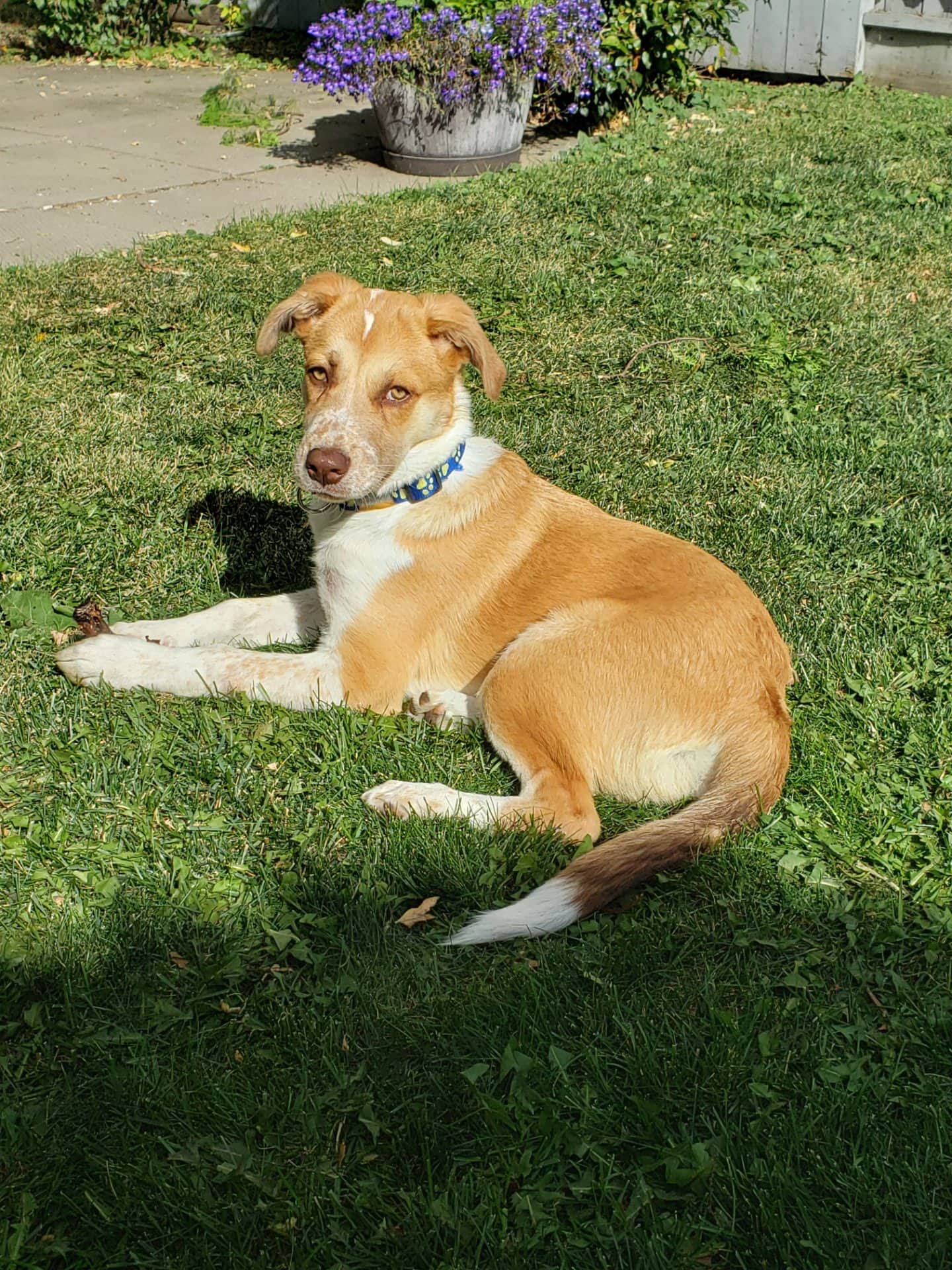
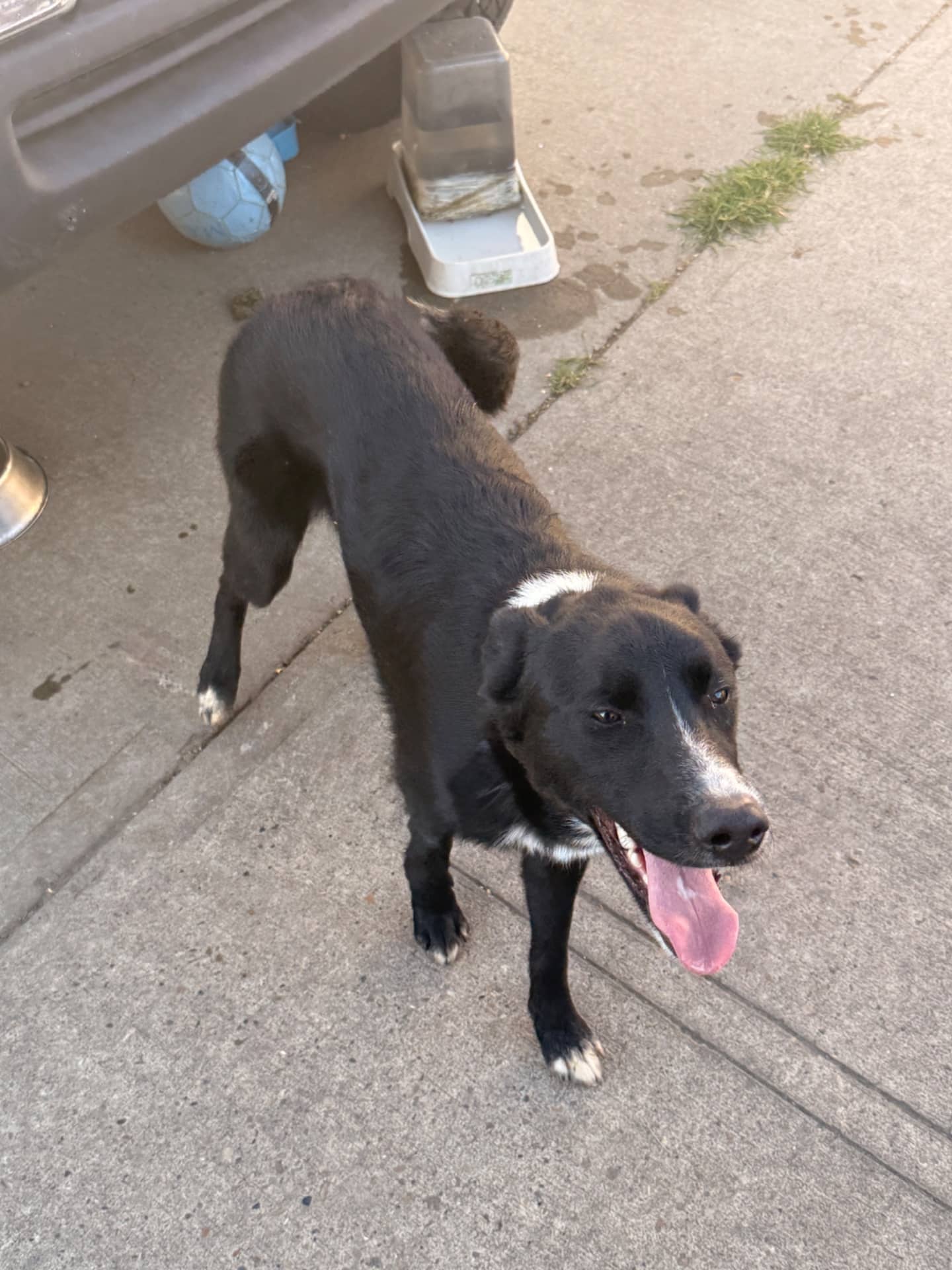
Leo
4.5 months • Australian shepherd mix
Owner Rehoming
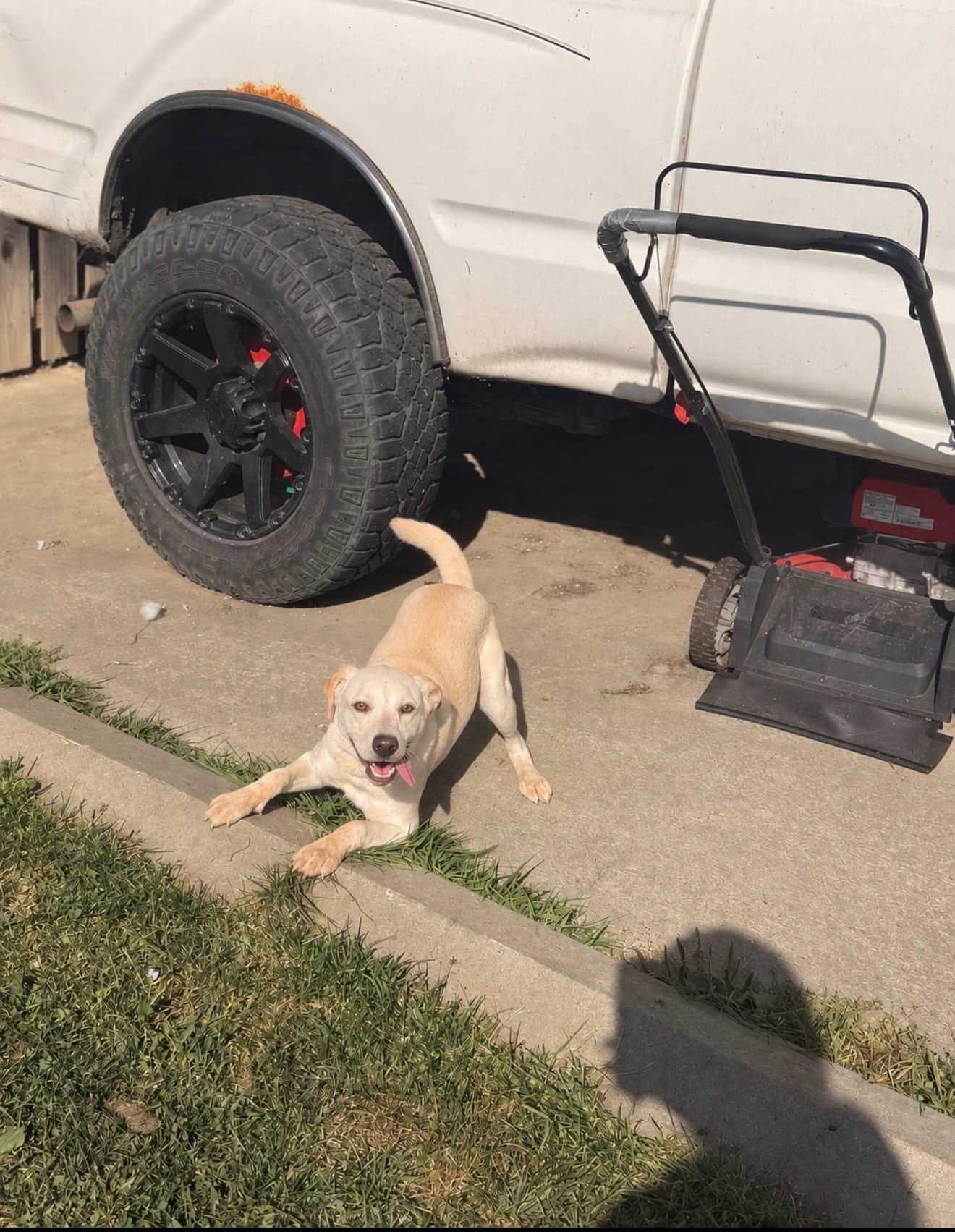
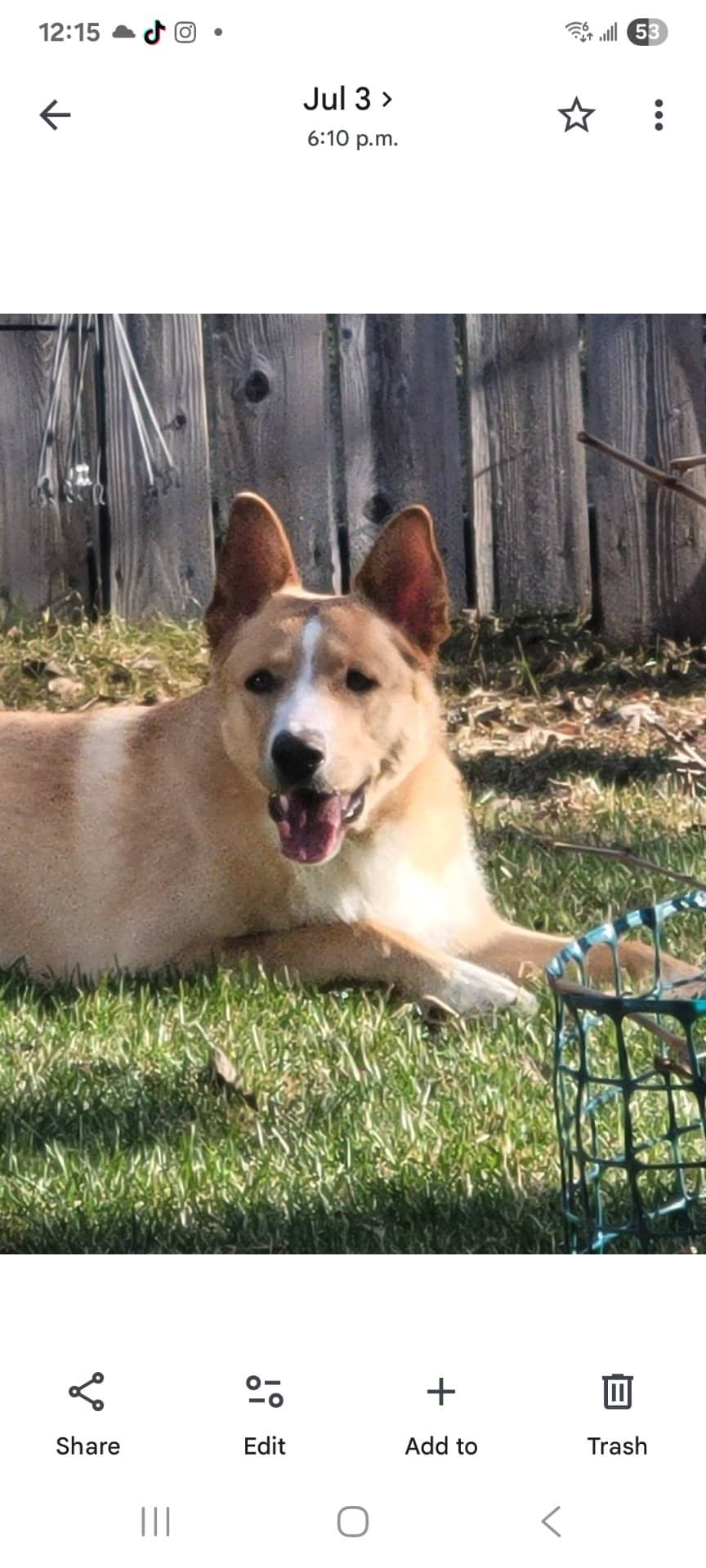
Princess
5 months • Labrador Mix
Owner Rehoming
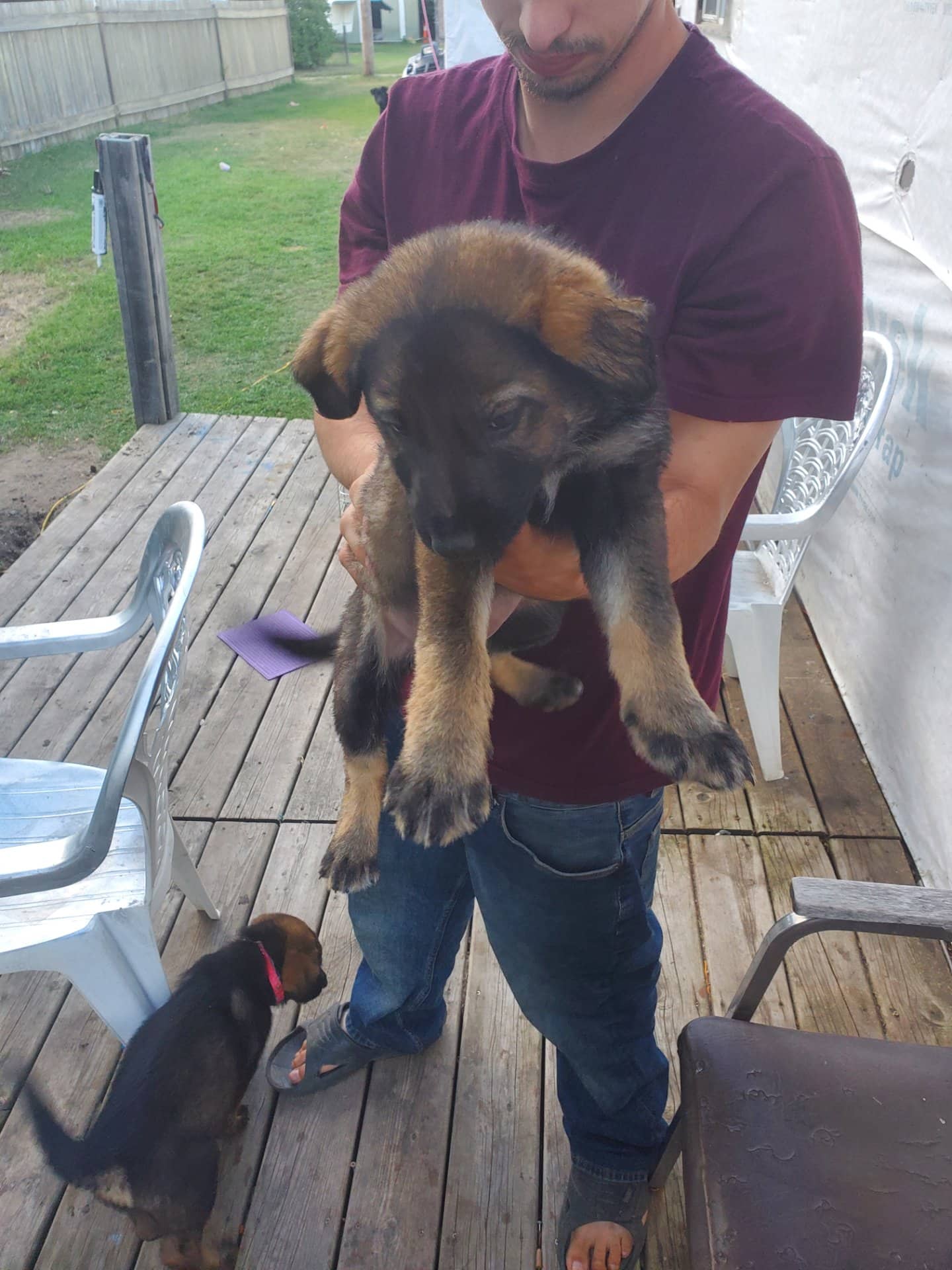
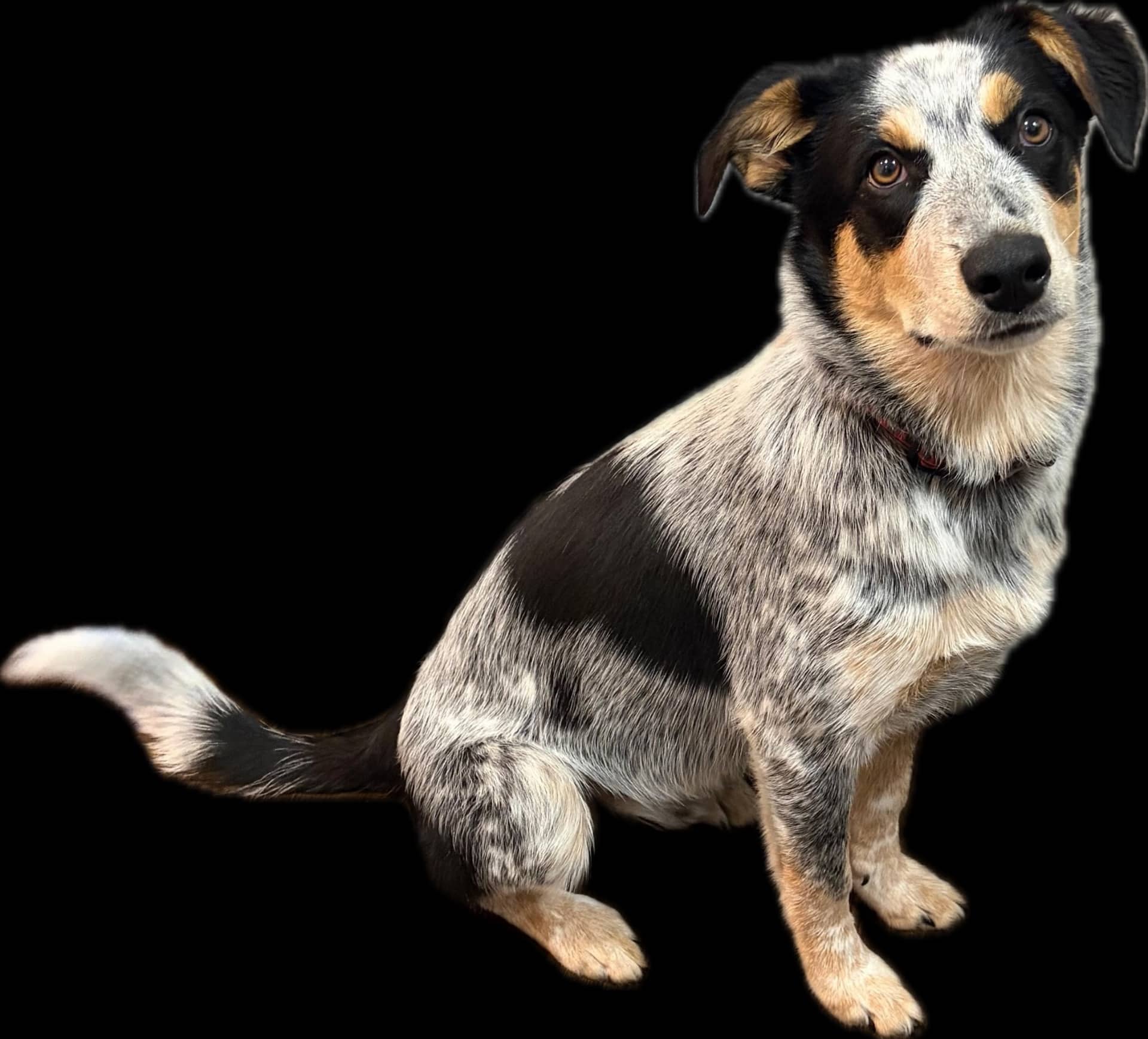
Mirrin
1 year • Mixed Breed
Owner Rehoming
Popular Puppy Breeds & Types in Alberta Rescues
Most rescue puppies in Alberta are mixed breeds, and mixes often make the healthiest, most adaptable family dogs. Certain breed types still show up again and again in rescue intake, especially herding and working crosses. Browse the breed pages below to see which types are available now.
Labrador Retriever Puppies →
The classic family puppy. Friendly, trainable, great with kids, and forgiving of first-time owners.
German Shepherd Puppies →
Smart and loyal, but high-drive. Shepherd puppies need early socialization and daily mental work.
Husky Puppies →
Common in rescue and beautiful, but escape artists with big exercise needs. Read the breed page first.
Border Collie Puppies →
The most intelligent breed, and the most demanding. Border Collie puppies need a job to stay balanced.
Blue Heeler Puppies →
Cattle-dog crosses are common in rescue. Tough, whip-smart, and nippy as pups. Best for active owners.
Great Pyrenees Puppies →
Livestock-guardian crosses from rural intake. Gentle giants that grow large and need space to settle.
Golden Retriever Puppies →
Gentle, family-oriented, and eager to please. Rare in rescue and quick to go, so set up alerts.
Pit Bull & Bully Puppies →
Common in rescue, often the most affectionate dogs on the floor. Check local housing and insurance rules.
This page pools every adoptable rescue puppy in Alberta into one grid, rather than making you check each city in turn. Most of them sit in Calgary and Edmonton, with smaller numbers in Cochrane, Red Deer, Grande Prairie and Medicine Hat.
BARC's Rescue reliably carries the most puppies of any Alberta rescue we track, by a wide margin. AARCS and pause4change Rescue Foundation follow on the Calgary side, Zoe's Animal Rescue is the main Edmonton source, and Cochrane & Area Humane Society, Calgary Humane Society and Central Alberta Humane Society in Red Deer make up much of the rest. Several are foster-based, which is why their write-ups describe how a puppy behaves in a house rather than in a kennel.
Two honest notes. First, Alberta rescues do not all serve the whole province, and some limit adoptions by distance, so a puppy listed in Grande Prairie is not necessarily available to a family in Lethbridge. Check the rescue's own service area before you get attached. Second, puppies are a small and fast-moving slice of what is actually available. If you are flexible, the adult dogs on the main Alberta listing wait far longer and come with a temperament you can assess.
Working and herding crosses, and what they become
Alberta intake is weighted toward working breeds, and it shapes what you will find here. Shepherd, husky and cattle-dog crosses dominate, and the rural and ranch-adjacent shelters add livestock-guardian crosses such as Great Pyrenees. These are wonderful dogs in the right home and a serious mismatch in the wrong one. A cattle-dog cross at 10 weeks becomes a 55-pound dog that needs a job; a Pyrenees cross keeps growing well past where most owners expect it to stop. Ask the rescue what they predict for adult size and drive, and plan for that dog rather than the one in the photo.
House training through an Alberta winter
Adopting a puppy in January is harder here than almost anywhere, and it is worth going in knowing that. Below roughly -25 °C keep toilet breaks to a few minutes and check between the toes for ice balls every single time. Road salt burns young pads, so rinse and dry them after walks and use balm or booties if the puppy tolerates them. The chinooks are the specifically Alberta problem: a swing from deep cold to above freezing and back glazes driveways and sidewalks, and that ice is how young dogs pull something. Many adopters run indoor pads as a backup through the worst cold snaps, which is a sensible compromise rather than a failure.
Search by city if you are not willing to drive
A province-wide view is useful for seeing what exists, less useful for deciding. Alberta is large, rescues restrict adoptions by distance more often than adopters expect, and applications move within hours. If you are not going to drive four hours for a puppy, work from your own city page and apply the day something suits. The city links below go straight to the shelters nearest you.
Puppies by Alberta city
See every dog available in Alberta
Puppies are the smallest and fastest-moving slice of the province's shelters. The adult dogs wait months, and you can actually assess who they are.
Browse All Alberta Dogs →Alberta Rescue Puppy Adoption FAQ
How many puppies are available for adoption in Alberta right now?▼
159 rescue puppies are listed across Alberta as this page loaded, pooled from shelters in Calgary, Edmonton, Cochrane, Red Deer, Grande Prairie and Medicine Hat. That count moves daily, because puppies are the fastest-moving category in any shelter. Calgary and Edmonton carry the large majority of them; the smaller-city shelters usually hold a handful each.
Are these puppies for sale in Alberta?▼
Not for sale, for adoption, and it works out cheaper. Every puppy here comes from an Alberta rescue or shelter, not a breeder or a classified ad. Adoption fees across the province generally run a few hundred dollars and already include spay or neuter, vaccinations, deworming and a microchip, against roughly $2,000 to $5,000+ to buy a puppy from a breeder before any of that veterinary work is done. If you searched "puppies for sale Alberta," adopting gets you a vetted puppy for a fraction of the price.
Which Alberta rescues have the most puppies?▼
BARCS Rescue consistently carries the largest number of puppies in the province, with AARCS (Alberta Animal Rescue Crew Society) and ARF Alberta close behind on the Calgary side, and Zoe's Animal Rescue the main source in Edmonton. Calgary Humane Society, Cochrane & Area Humane Society and Central Alberta Humane Society in Red Deer round it out. Several are foster-based, which is a real advantage: a puppy that has lived in someone's house for three weeks comes with honest notes on crate behaviour and house training.
Should I search province-wide or by city?▼
Start province-wide if you are willing to drive, and narrow to your city if you are not. Alberta rescues do not all serve every community, and some restrict adoptions by distance, so a puppy listed in Grande Prairie may not be realistically available to a Calgary family. This page shows everything so you can see the full picture, and the city links below take you to the shelters closest to you.
Is a puppy the right choice, or should I look at adult dogs?▼
For a lot of Alberta households the adult dog is the better answer. Puppies need toilet breaks every two or three hours, structured socialisation and real daily presence through the first months, and an Alberta January makes house training genuinely harder than it is elsewhere. An adult arrives with a known temperament, is often already house trained, and the shelter can tell you how it handles kids, cats and stairs. Adults also wait far longer for homes, so the need is greater there.
How do I raise a puppy through an Alberta winter?▼
Short outings, often, and watch the paws. Below about -25 °C keep toilet breaks to a few minutes and check between the toes for ice balls every time you come in. Road salt burns young pads, so rinse and dry them after walks and use balm or booties if your puppy tolerates them. Chinooks are the specific Alberta complication: a swing from deep cold to above freezing and back glazes everything in ice, which is how young dogs get hurt. On the worst days replace the walk with indoor training and puzzle feeding rather than forcing a march.
What breeds are Alberta rescue puppies?▼
Mostly mixes, weighted toward working and herding crosses. Shepherd, husky and cattle-dog crosses dominate, and the rural and ranch-adjacent shelters add livestock-guardian crosses like Great Pyrenees. Purebred puppies show up occasionally and go fastest. Ask about likely adult size before committing, because a great many Alberta rescue puppies finish considerably larger and higher-drive than they look at 10 weeks.