Showing 197 dogs
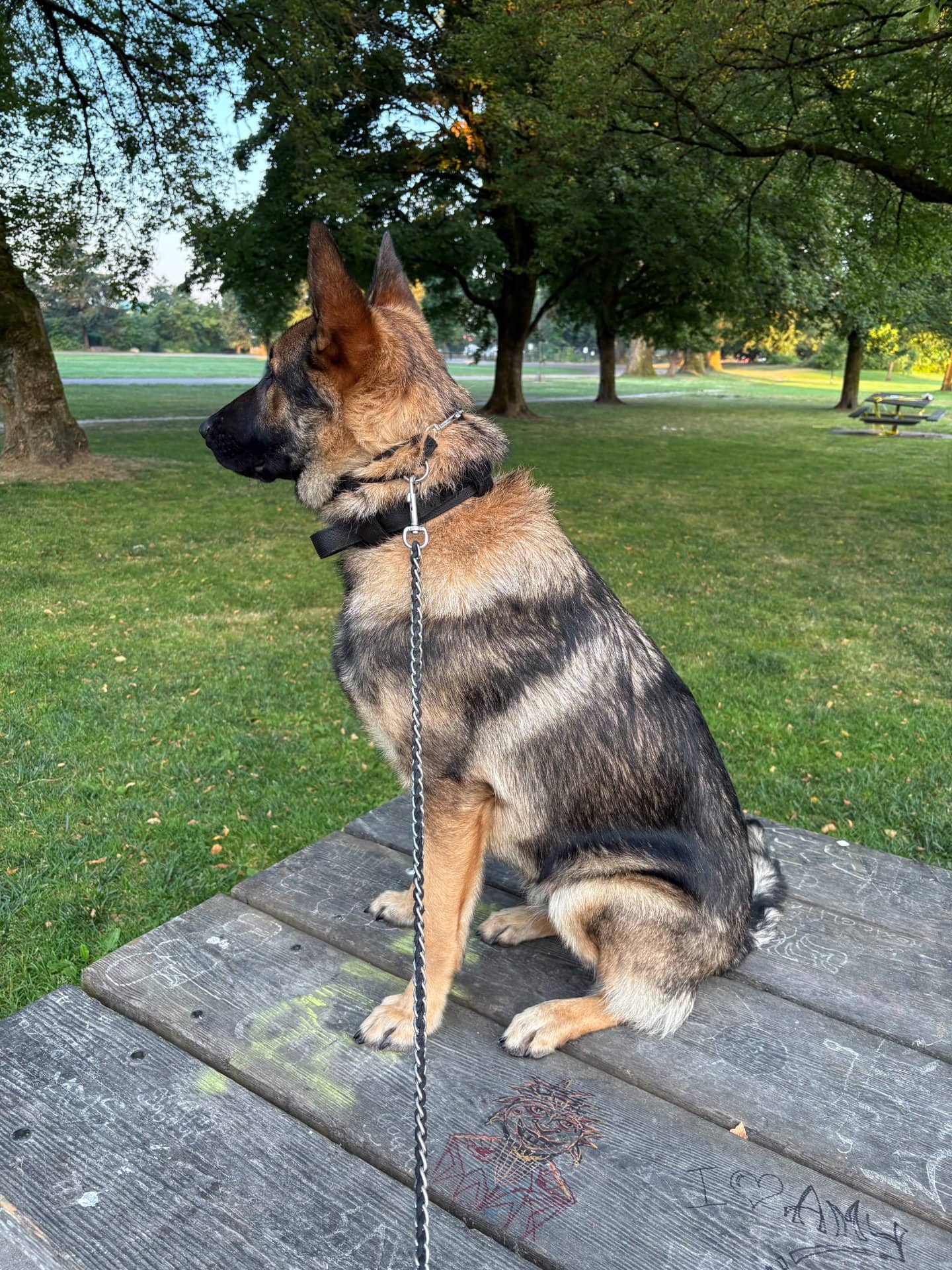
Ceasar
1 year • German Shepherd
Owner Rehoming
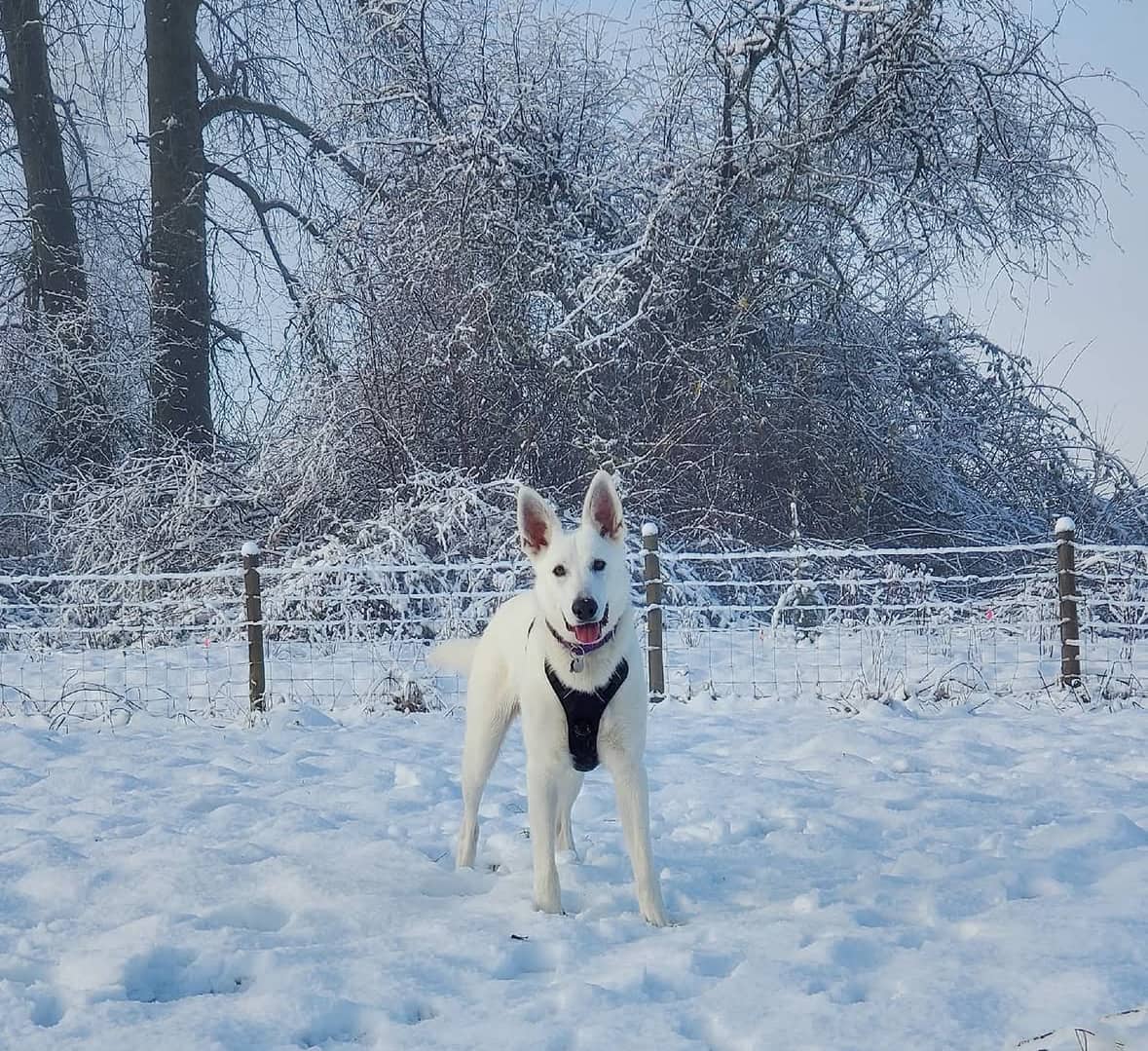
Koby
7 years • German Shepherd
Owner Rehoming
Sugar
5 years • Labrador
Owner Rehoming
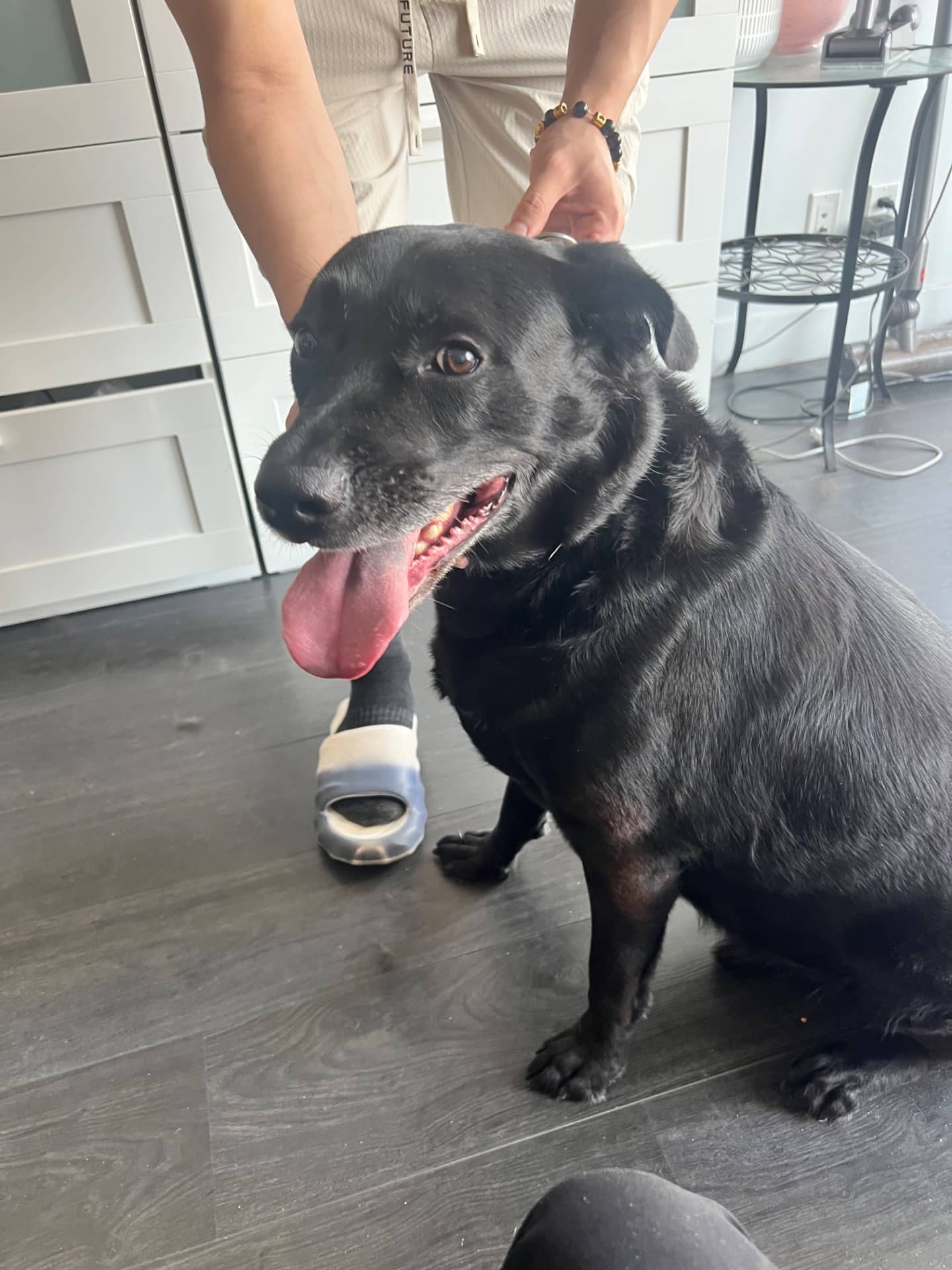
Black sugar
5 years • Labrador
Owner Rehoming
Teddy
5 years • Pomeranian
Furever Freed Dog Rescue
Nena
6 years • Chihuahua
Furever Freed Dog Rescue
Amelia
2 years • Daschund
Furever Freed Dog Rescue
Cooper
11 months • Mixed
Furever Freed Dog Rescue
Finding the right family dog in Vancouver means matching your household's energy, space, and lifestyle with a dog's temperament. Most Vancouver-area rescues run foster networks rather than kennels, which means the dog has already been living in a real home for weeks or months. The foster family knows how the dog handles noisy mornings, dropped food at the dinner table, kids running through the living room, and bedtime routines. That history is far more useful than a fifteen-minute meet at a shelter.
BC SPCA, Heart and Soul Dog and Cat Rescue, Loved at Last Dog Rescue, and Langley Animal Protection Society (LAPS) all publish foster notes on dogs that have lived with children. Family neighbourhoods like Kitsilano, Point Grey, Dunbar, Mount Pleasant, North Vancouver, Burnaby, and Coquitlam all have households fostering for these rescues. Vancouver families increasingly live in condos and townhouses rather than detached houses with yards, and the foster network reflects that, so most kid-friendly dogs you see here have been evaluated in apartment-style living too.
When you find a dog you like, ask the rescue what ages of children the dog has lived with. “Good with kids” covers a wide range: a calm dog that lived with a quiet ten-year-old is a very different match than a dog that thrived with active toddlers. The right question is not whether the dog is good with kids in general, but whether the dog is good with your kids in particular.
Best family breeds in Vancouver
Lab and Golden mixes, Doodles, Bernese Mountain Dogs, foster-raised Pit Bull mixes, calm hound mixes, and small breed mixes from out-of-province transports. Foster history matters more than breed.
Foster-evaluated means
The dog has lived in a home with children and been observed across meal times, bedtime, friends over, and the everyday chaos of family life. Ask what ages of kids the dog has lived with.
Year-round family outings
Stanley Park seawall, Pacific Spirit, Spanish Banks, Sunset Beach, and Jericho Beach all work for kids and dogs together year-round. Mild coastal weather, no winter shutdowns.
Top Family-Friendly Breeds at Vancouver Rescues
Labrador Retriever
Patient, gentle, endlessly playful. The classic family dog and a regular in Vancouver rescues.
Golden Retriever
Calm, loyal, and great with kids of all ages. Natural therapy dog temperament.
Boxer
Energetic and protective. Often called "nanny dogs" for their patience with children.
Poodle & Doodles
Smart, low-shedding, eager to please. A common pick for families with allergies.
Bernese Mountain Dog
Gentle giants. Sturdy, calm, and tolerant of young kids when raised in family homes.
Border Collie
Best for active families. Brilliant, trainable, and tireless on Pacific Spirit trails.
Kid-Friendly Vancouver Dogs Available Now
All dogs listed here have been verified as good with children by their rescue or foster family.
Browse all Vancouver rescue dogs
See every adoptable dog from Vancouver-area shelters, not just the kid-friendly ones. Filter by size, age, energy level, and compatibility.
See All Vancouver Dogs →Family Dog Adoption FAQ
How many family dogs are available for adoption in Vancouver?
As of October 2026, 197 family dogs are available for adoption in Vancouver across 8 rescues on LocalPetFinder. Listings update regularly as pets are adopted and new ones arrive — browse them above and apply directly through the rescue.
What is the best family dog to adopt in Vancouver?
Labrador Retrievers, Golden Retrievers, and Boxers are consistently rated as the best family dogs, and all three appear regularly in Vancouver rescues. Larger calm breeds like Bernese Mountain Dogs and Doodle mixes are also strong picks. The best choice depends on your home size (apartment vs house), activity level, and your children's ages. Foster history is more reliable than breed reputation, so always ask the rescue what the dog was like in its foster home.
How do Vancouver rescues verify a dog is good with kids?
Most Vancouver-area rescues run foster networks rather than kennels. Dogs live in real homes, often with children, for weeks or months before adoption. Foster families report on how the dog handles noise, rough play, food handling, and being startled awake. Heart and Soul Dog and Cat Rescue, Loved at Last Dog Rescue, and Langley Animal Protection Society (LAPS) all publish detailed foster notes on individual dog profiles, which is the most reliable kid-compatibility signal available. BC SPCA assesses dogs in care and notes kid history on every listing.
Are rescue dogs safe for families with young children?
Yes, when properly matched. Vancouver rescue organizations assess each dog's temperament in foster homes before adoption, including behaviour around children. Dogs listed as good with kids have been observed with children and deemed safe. Always supervise initial interactions, give the dog a quiet space the kids cannot access, and teach children how to respectfully interact with any new dog.
What age dog is best for a family with kids?
Adult dogs aged two to six are usually the best fit for families with young children. They are past the nippy puppy stage, often already house-trained, and their temperament is fully developed so you know exactly what you are getting. Puppies need intensive training and supervision that is hard to give when toddlers are also in the house. Many of the strongest family dogs at Vancouver rescues are adults from out-of-province transports who arrive already evaluated in foster.
How do I introduce a rescue dog to my kids?
Keep the first meeting calm and controlled. Have children sit quietly and let the dog approach them, not the other way around. Avoid hugging, grabbing, or loud excitement. Use treats to create positive associations. Follow the 3-3-3 rule: three days to decompress, three weeks to learn the routine, three months to feel fully at home. Supervise every interaction for the first several weeks and use baby gates to give the dog a kid-free retreat. Vancouver condo and townhouse families especially benefit from a designated quiet room or crate corner the dog can retreat to.
What does foster-evaluated kid compatibility actually mean?
It means the dog has lived in a home with children of a specific age range, and the foster family observed the dog day to day across normal family life: meal times, bath time, bedtime, friends over, loud TV, dropped food. This is the closest you get to a real test before adoption. Always ask the rescue what ages of children the dog has lived with, since good with kids can describe a calm dog used to a quiet ten-year-old or one that thrived with active toddlers, and those are very different dogs.
Does size matter for family dogs in a Vancouver condo or townhouse?
Less than most people think. Many small dogs are too fragile or anxious for young children, while many large dogs are gentle giants. A 70-pound Golden Retriever is often safer around toddlers than a 7-pound small breed that nips when startled. For Vancouver families in apartments or townhouses, energy level and noise tolerance matter more than size. Calm medium-to-large mixes often settle better in condos than reactive small breeds. Focus on temperament, foster history, and energy level rather than size alone.
How do family walks work in Vancouver year-round?
Vancouver's mild coastal climate means year-round outdoor family time is genuinely workable. The Stanley Park seawall is paved, stroller-friendly, and on-leash. Pacific Spirit Regional Park has off-leash trails through coastal forest perfect for active families with kids and dogs together. Spanish Banks and Jericho Beach are off-leash before 10am and after 5pm in summer, ideal for early-morning family runs. Sunset Beach is another off-leash favourite. Winter rain is the real challenge, not cold, so a quick-dry coat for the dog and a towel by the door matter more here than booties or heavy insulation. Family neighbourhoods like Kitsilano, Point Grey, Dunbar, Mount Pleasant, North Vancouver, Burnaby, and Coquitlam all have walkable family-and-dog corridors.
Are these family dogs for sale in Vancouver?
Not for sale, for adoption, and for most people that is the better deal. Every dog listed here comes from a Vancouver-area rescue or shelter rather than a breeder, pet store or classified seller. The adoption fee is typically a few hundred dollars and already covers spay or neuter, vaccinations, deworming and a microchip, which on their own would usually cost more than the fee. If you searched "family dogs for sale vancouver", this is the same search done a cheaper way, with a dog someone has already examined and can tell you about.
Where can I buy a family dog in Vancouver, and should I?
You can buy from a registered breeder, and it is worth pricing against adoption before you do. A breeder puppy generally runs well into four figures and often comes with a waitlist, while a rescue dog costs a few hundred dollars fully vetted and may be available this week. The listings to be careful with are the cheap ones on classified sites and marketplaces, which are frequently backyard breeders or puppy-mill resellers moving unvetted animals with no health guarantee. If you do buy, insist on seeing where the litter was raised and getting vet records.
Are there free family dogs in Vancouver, or family dogs under $500?
Adoption is the closest honest answer and it is not free. A rescue dog in Vancouver usually costs a few hundred dollars. The fee already covers medical work worth considerably more. Genuinely free listings deserve suspicion: a dog advertised free to a good home has usually not been vetted, and free rehoming ads are the route flippers and unregistered breeders use to move animals with no recourse for the buyer. Reduced-fee events, sponsored long-stay dogs and senior discounts are the legitimate ways the price comes down.
Are there family-friendly puppies in Vancouver, or mostly adults?
Both, but adults outnumber puppies and it is worth knowing that before you start. Most dogs arriving in Vancouver rescue are adolescents and adults, because that is the stage at which first homes tend to give up. Puppies do come through, usually as accidental litters or with a surrendered mother, and they are typically spoken for quickly, so an alert beats refreshing the page. It is also worth asking whether you want one: an adult arrives with a temperament a foster has already lived with and can describe, where a puppy is a prediction.
Where can I find family dogs near me in Vancouver?
Start with the listings on this page, which pull from Vancouver rescues and shelters and refresh regularly, so what you see is genuinely available rather than a directory that went stale months ago. If nothing suits today, check back or set an alert, because family dogs in particular move fast and the list turns over. It is also worth widening slightly beyond the city, since most rescues serving Vancouver will adopt across a reasonable driving distance rather than only within municipal limits.