The short answer
Malamutes turn up in BC rescue periodically, often as powerful adolescents surrendered by unprepared owners. Check BC SPCA Vancouver and the foster-based rescues. Adoption fee: $400 to $800 versus $1,500 to $3,500-plus from a breeder. This is a large, powerful, high-energy, independent working breed for experienced, active owners only. It needs substantial daily exercise, secure escape-proof fencing (notorious diggers and climbers), and has a strong prey drive (unreliable off-leash, tricky with small pets). Vancouver's cool climate and trails suit it well, though the dense coat means heavy grooming and summer heat needs managing. Not a first-dog breed.
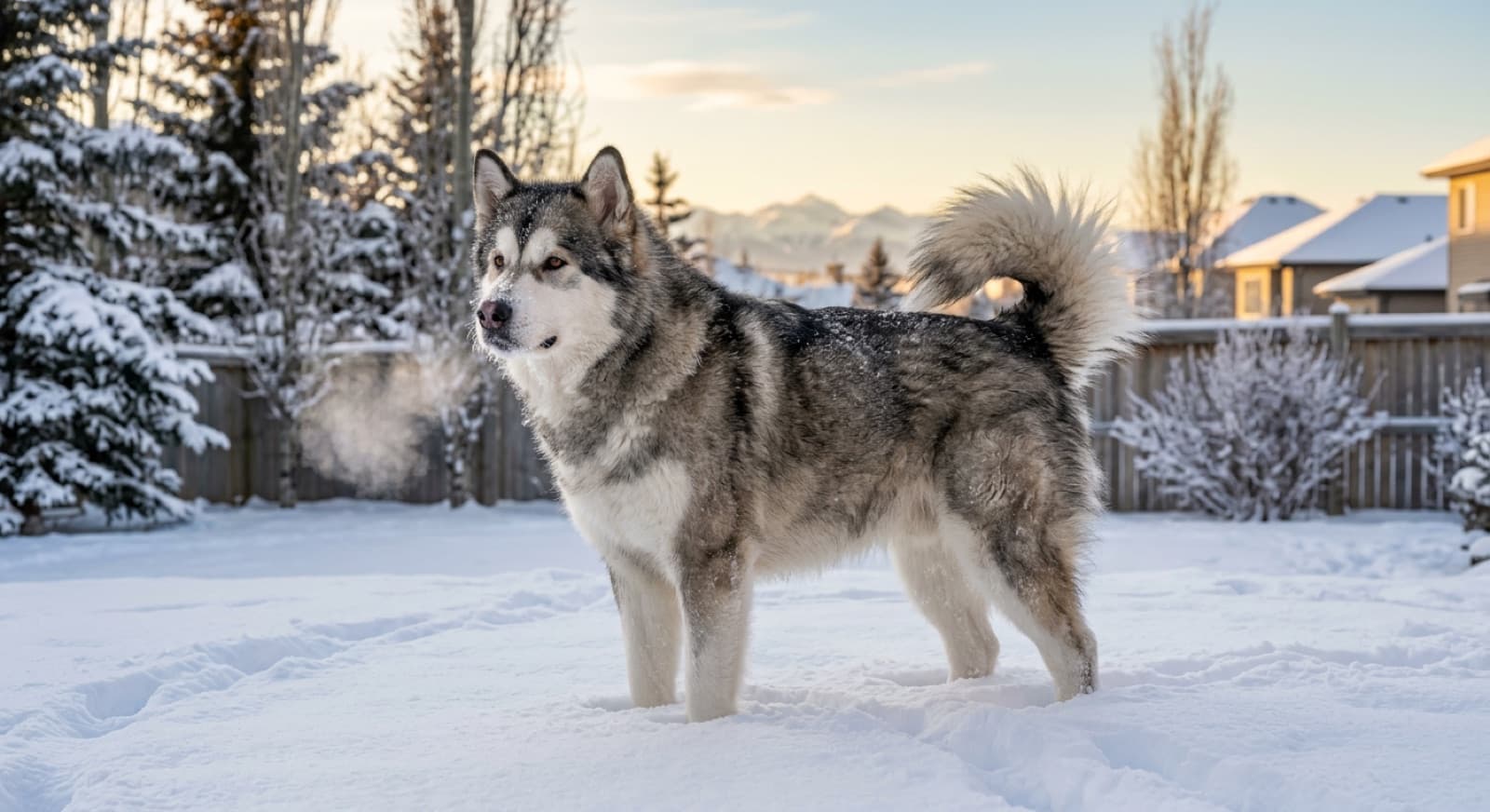
Where can I adopt an Alaskan Malamute in Vancouver?
Check the major Lower Mainland rescues: BC SPCA Vancouver, Loved at Last Dog Rescue, Langley Animal Protection Society (LAPS), Heart and Soul Dog and Cat Rescue, and Furever Freed Dog Rescue, plus Malamute-specific or northern-breed rescues. Malamutes and mixes turn up periodically, often as powerful adolescents. Browse currently available Malamutes and Malamute mixes at LocalPetFinder's Alaskan Malamute breed page. The foster notes on energy, training level, and prey drive are especially worth reading.
For the full Vancouver rescue landscape, see our best dog rescues in Vancouver guide, or browse every adoptable dog on the main Vancouver dog adoption listings.
Are Alaskan Malamutes good family dogs?
Malamutes can be affectionate, loyal family dogs for the right experienced, active household, but they are a demanding breed that is wrong for many families. They are typically friendly, people-loving, and good with their family, and often good with children they are raised with (though their size and exuberance mean supervision with young kids is essential). But the breed is large, powerful, high-energy, independent, and strong-willed, and needs an experienced owner who can provide substantial exercise, consistent training, and firm leadership.
Malamutes also have a strong prey drive and can be challenging with other animals (especially small pets and sometimes same-sex dogs), and they can be stubborn and difficult to train. They are not a good fit for first-time owners, sedentary households, or homes that cannot commit to the exercise and management the breed demands. For an experienced, active owner who understands northern working breeds, a Malamute is a magnificent, affectionate companion; for anyone else, it is likely too much dog. Our Malamute vs Husky comparison helps you tell the two apart and choose.
Exercise needs and escape artistry
Malamutes are powerful working sled dogs and need substantial daily exercise, plus they are notorious escape artists and diggers. Bred to haul heavy loads over long distances, they need long walks, hikes, runs, and ideally activities that let them pull or work, plus mental stimulation. An under-exercised Malamute becomes bored, frustrated, and destructive, and given the size and strength, that can mean serious damage. Vancouver's trails and cool climate suit the exercise needs very well.
On escape: Malamutes can dig under fences, climb or jump, and are strongly motivated to roam, so secure containment is essential, a very secure, high fence (ideally with dig protection), never trusted off-leash in unfenced areas (the prey drive and independence make recall unreliable), and an owner who takes containment seriously. Combined with the strong prey drive, this means real diligence about fencing, leashing, and supervision. These are not optional considerations, they are central to safely owning the breed.
Can Alaskan Malamutes handle Vancouver's climate?
Vancouver's cool, temperate climate is a good fit for a Malamute most of the year. As a heavily double-coated Arctic breed bred for the far north, Malamutes are extremely cold-hardy and handle Vancouver's cool, wet winters with ease, they are genuinely built for cold, though the damp means diligent coat care and drying. The important caveat is heat: the thick coat makes them heat-sensitive, and they can overheat dangerously, so summer heat waves require real care.
Keep the dog cool and indoors with AC or a cool space during hot spells, provide shade and water, exercise only in the cool hours, and never over-exert a Malamute in heat or leave it in a warm car. Never shave the coat to cool the dog, it helps regulate temperature; manage heat through environment and timing. Overall, Vancouver's cool, mild climate suits a Malamute well, with summer heat the main thing to manage and the damp requiring diligent coat maintenance.
Why do Alaskan Malamutes end up in rescue?
Malamutes end up in rescue most often because owners underestimate the breed. People are drawn to the striking, wolf-like appearance and fluffy puppy without grasping how large, powerful, high-energy, independent, and demanding the adult will be, and when the reality of the exercise, training, escaping and digging, prey drive, heavy shedding, and sheer strength sets in, often at adolescence, some cannot cope and surrender. Under-exercised, under-trained Malamutes develop destructive, difficult behaviours.
The prey drive and dog-aggression tendencies also lead to surrenders, and the popularity of the wolfish look fuels impulse buys from mills and backyard breeders. A rescue Malamute is often a dog whose owners simply were not ready for the demands, and in an experienced, active home, many thrive. Adopting an adult also lets you see the dog's real size, energy, and temperament, valuable for a breed where the adult reality is everything.
How much does it cost to adopt and keep an Alaskan Malamute in Vancouver?
Vancouver Alaskan Malamute rescue adoption fees typically range $400 to $800, well under the $1,500 to $3,500-plus a breeder charges. Fees include spay or neuter, vaccines, microchip, and a vet check. The ongoing costs of a large working breed are substantial: Malamutes eat a lot, large-breed vet care and weight-dosed medication cost more, and the breed is prone to some issues (hip dysplasia, eye conditions) that a vet fund and insurance help cover.
Budget too for the grooming commitment (the heavy double coat needs regular brushing and blows out dramatically), secure fencing (a real cost given the escape tendencies), quality large-breed food, sturdy equipment, and possibly professional training. A Malamute is moderate to acquire through rescue but an expensive, demanding dog to own responsibly.
| Source | Fee Range | What's Included |
|---|---|---|
| BC SPCA Vancouver | $300 to $600 | Spay or neuter, vaccines, microchip, vet check |
| Foster-based & breed rescues | $500 to $800 | Spay or neuter, vaccines, microchip, foster energy and temperament assessment |
| Senior Malamute | $250 to $500 | Same as above. Reduced fee; history disclosed. |
| Breeder puppy | $1,500 to $3,500 or more | Initial vaccines only; adult size and temperament unknown |
Browse adoptable Alaskan Malamutes in Vancouver
Adopting an adult lets you meet the real dog, its size, energy, and temperament with other animals, rather than gambling on a fluffy puppy. Each Lower Mainland rescue Malamute comes with a foster's assessment. Refreshed regularly.
See Available Alaskan Malamutes →Frequently Asked Questions
Where can I adopt a Malamute in Vancouver?
BC SPCA Vancouver, the foster-based rescues, and northern-breed rescues. Browse current listings at LocalPetFinder's Alaskan Malamute breed page, and read the foster notes on energy, training, and prey drive closely for a breed this demanding.
Are they good family dogs?
For experienced, active families, yes, affectionate, loyal, often good with their own kids (supervise given the size). But they are large, powerful, independent, and demanding, with a strong prey drive, and not a first-dog breed. Wrong for sedentary homes.
Do they need lots of exercise, and are they escape artists?
Yes to both. They need substantial daily exercise (easy with Vancouver's trails), and they are notorious diggers and climbers who roam, so secure high fencing and never off-leash in unfenced areas are essential. The prey drive makes recall unreliable.
Can they handle Vancouver's climate?
Very well most of the year, they are cold-hardy Arctic dogs, though dry the coat after rain. The caveat is heat: the dense coat makes them heat-sensitive, so manage summer heat waves with AC and cool-hour exercise, and never shave to cool them.
Why do they end up in rescue?
Owners underestimate the breed, drawn to the wolfish look, unprepared for the size, energy, escaping, prey drive, and shedding. Under-met needs and impulse buys from mills drive surrenders. A rescue Malamute in an experienced, active home often thrives.
Cost to adopt and keep one?
$400 to $800 from rescues versus $1,500 to $3,500-plus from breeders. Budget for large-breed food and vet care, heavy grooming, secure fencing, and possible training. Moderate to acquire, expensive and demanding to own responsibly.
Related Vancouver guides
Adoptable Alaskan Malamutes in Vancouver
All currently available Malamutes and Malamute mixes with foster temperament notes. Updates regularly.
Alaskan Malamute Health Issues: Joints, Skin
Alaskan Malamute health issues to plan for: hip dysplasia, zinc-responsive skin disease, hypothyroidism, glaucoma, bloat and heat in summer.
Alaskan Malamute vs Husky: Key Differences
Freight hauler vs distance runner: size, temperament, exercise, coat and which suits your home.
Best Dog Rescues in Vancouver
Every Vancouver-area rescue reviewed on cost, wait time, and best fit by adopter type.
New dog? Start with these care guides
Everything a new adopter needs to set up a safe, happy home.