The short answer
The Basset Hound's main concerns come from its long-backed, dwarfed build: back problems, especially IVDD (potentially serious and surgical), and chronic ear infections (the floppy ears trap moisture). Add bloat, obesity (which worsens everything), and some joint and eye conditions. Lifespan is ~10 to 13 years. The levers you control are unusually powerful here: keep the dog lean (the single biggest task, protects the back), protect the back (prevent jumping, use ramps), and keep up diligent ear care (critical in damp Vancouver). Because IVDD surgery and chronic ear care can be costly, the insurance case is real, insure while young.
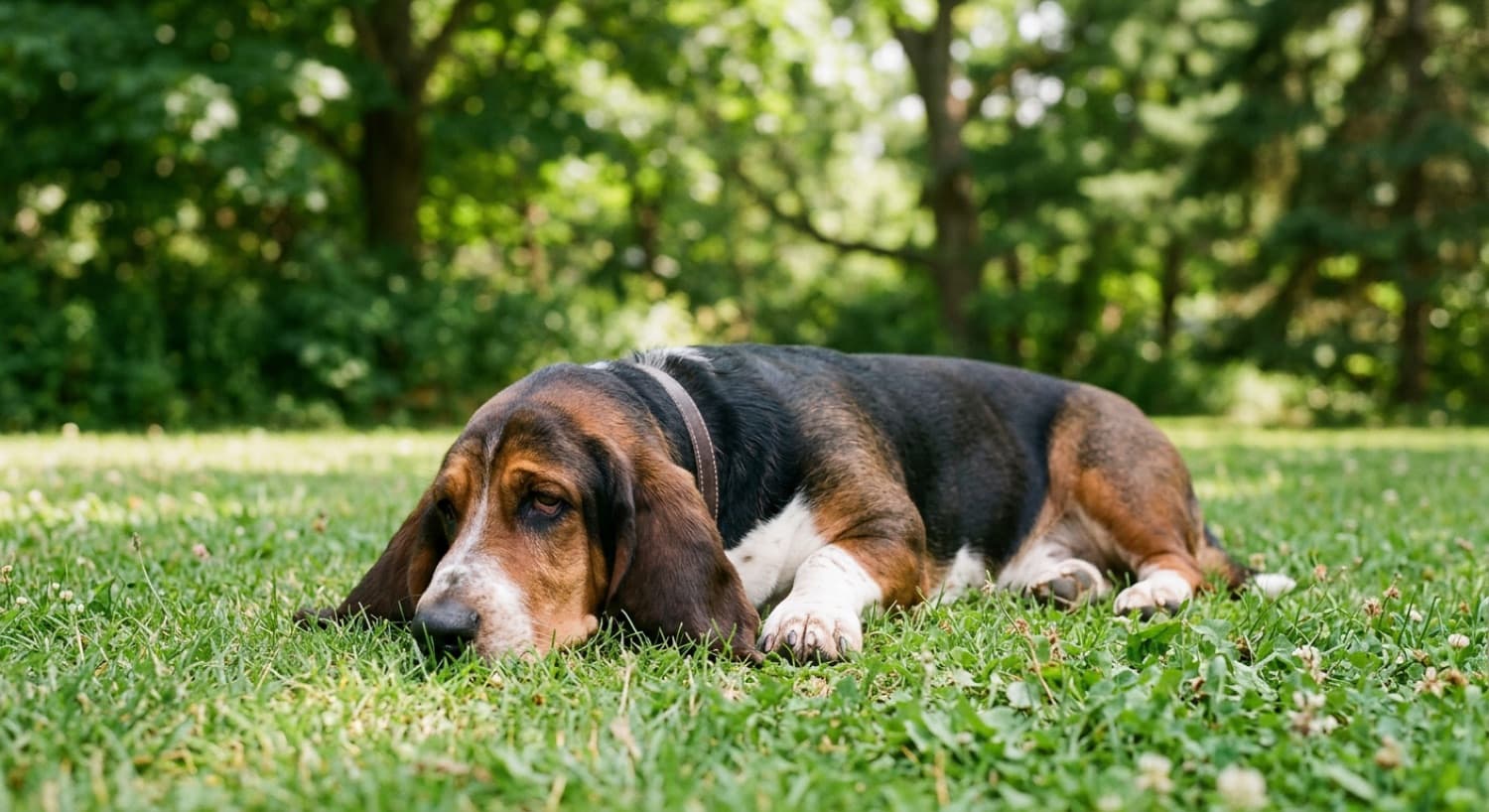
The Basset Hound is a sturdy, generally healthy breed, but its distinctive shape creates specific vulnerabilities, and the good news is that the biggest ones are substantially preventable through weight control, back protection, and ear care. Here is the medical picture, condition by condition.
Back problems (IVDD), the signature issue
Basset Hounds are prone to back problems, particularly intervertebral disc disease (IVDD), because of their conformation: a long spine on short, dwarfed legs. This long-backed, low-slung build puts extra stress on the spine and makes the intervertebral discs more susceptible to degenerating, bulging, or rupturing. IVDD can cause back pain, reluctance to move, hind-end weakness or wobbliness, and in severe cases partial or complete paralysis, and it can be a serious, sometimes surgical, condition.
To protect a Basset's back: keep the dog lean (excess weight dramatically increases spinal strain, the single most important preventive step), discourage or prevent jumping on and off furniture and up and down stairs (use ramps, and lift the dog properly, supporting both front and rear), and avoid activities that stress the back. If you notice signs of back pain or hind-end weakness, see the vet promptly, early treatment gives the best outcome. Much of the prevention is in your hands. The VCA guide to IVDD is worth reading.
Chronic ear infections
The Basset's long, heavy, floppy ears are iconic but a genuine health-management task, they trap moisture, warmth, and debris and have poor air circulation, creating ideal conditions for the ear infections Bassets are very prone to, which can become chronic if neglected. Prevention: check the ears regularly (weekly at least) for redness, odour, discharge, or excess wax; clean with a vet-recommended cleaner (proper technique, do not push debris deeper); and keep the ears dry, especially after baths, swimming, or wet, muddy Vancouver walks.
Moisture is the main culprit, so dry the ears thoroughly. If an infection develops (head shaking, ear scratching, odour, redness, discharge), see the vet, untreated ear infections are painful and worsen. In Vancouver's damp climate, ear care is especially important, the moisture makes infections more likely, so diligent, regular cleaning and drying is a non-negotiable part of owning a Basset here. Our adoption guide covers the full care commitment.
Why weight control is critical
Weight control is arguably the single most important health task for a Basset owner, because obesity worsens nearly every one of the breed's vulnerabilities. Bassets are both prone to gaining weight (food-motivated, low-energy, heavy-bodied) and especially harmed by it. The biggest issue is the back: extra weight dramatically increases strain on the already-vulnerable long spine, raising IVDD risk. Excess weight also worsens joint problems, strains the heart, and reduces quality of life and lifespan.
Keeping a Basset lean takes deliberate effort: measured meals rather than free-feeding, strictly limited treats (Bassets are masters of begging), and regular moderate exercise (diet is the bigger factor). You should be able to feel the ribs without a thick fat layer. Because Bassets look heavy-set by nature and are experts at looking hungry, it is easy to let one become overweight without noticing, so honest body-condition checks and portion discipline are essential. Keeping a Basset lean is one of the simplest, most powerful things you can do for its health.
Lifespan and keeping a Basset healthy
Basset Hounds typically live around 10 to 13 years, and much of keeping one healthy is within your control. The priorities are breed-specific: keep the dog lean (the single most important task), protect the back (prevent jumping and hard impacts, use ramps, lift properly), maintain diligent ear care (especially in damp Vancouver), and provide moderate regular exercise (for weight and health, without overstressing the back).
Beyond that, know the signs of bloat and have an emergency plan (deep chest), monitor the eyes (for glaucoma and other conditions), and stay on routine vet care so back, ear, joint, and eye issues are caught early. Feed a good-quality diet with portion control, keep vaccinations and parasite prevention current, and maintain dental care. A Basset that is kept lean, has its back protected and ears cared for, gets moderate exercise, and receives routine monitoring has an excellent chance at a long, comfortable life.
Is pet insurance worth it?
Pet insurance is worth considering for a Basset Hound, mainly because of the breed's risk of potentially expensive back problems (IVDD treatment, including surgery, can be very costly) and the recurring cost of chronic ear infections, plus the general risks of bloat and joint issues, and Vancouver vet care is not cheap. The back-problem risk in particular, where IVDD surgery can run into the thousands, makes the insurance case relevant.
As always, take out insurance while the dog is young and healthy, before any condition, especially a back or chronic ear issue, is diagnosed and excluded. Compare providers, understand coverage and exclusions, and read the fine print. For many owners, insurance provides good protection against the potentially large cost of back surgery and the ongoing cost of recurrent ear infections. If you self-insure, keep a solid vet fund with back problems and chronic ear care specifically in mind. See our Vancouver adoption and ownership costs guide for the numbers.
Browse adoptable Basset Hounds in Vancouver
Rescue Bassets come vet-checked, and a good rescue will share a dog's known back, ear, and weight history so you can adopt informed. Refreshed regularly across Lower Mainland rescues.
See Available Basset Hounds →Frequently Asked Questions
What are the main health problems?
Back problems (IVDD) from the long spine, chronic ear infections from the floppy ears, bloat, obesity (which worsens everything), and some joint and eye conditions. Lifespan ~10 to 13 years. Weight control, back protection, and ear care are the biggest levers.
Why are they prone to back problems?
Their long spine on short, dwarfed legs stresses the discs, making IVDD (pain, weakness, sometimes paralysis) a real risk. Prevent it by keeping the dog lean, preventing jumping and stairs (use ramps, lift properly), and seeing the vet promptly for any back pain or hind-end weakness.
How do I prevent ear infections?
The floppy ears trap moisture, so check weekly, clean with a vet-recommended cleaner, and keep them dry, especially after wet Vancouver walks. Watch for head shaking, odour, redness, or discharge, and see the vet for infections. Diligent ear care is non-negotiable in the damp.
Why is weight control so critical?
Obesity worsens the back (raising IVDD risk), joints, heart, and overall health, and Bassets gain weight easily and beg expertly. Measured meals, limited treats, moderate exercise, and honest rib checks keep a Basset lean, the single most powerful thing you can do for its health.
How long do they live?
Around 10 to 13 years. Keep the dog lean, protect the back, care for the ears, provide moderate exercise, know the bloat signs, monitor the eyes, and stay on routine vet care. Consistent, informed care focused on the breed's needs gives a Basset the best shot.
Is pet insurance worth it?
Worth considering, mainly for the back-problem risk (IVDD surgery can be costly) and chronic ear care, plus bloat and joints. Take insurance out while the dog is young, before back or ear issues are excluded. If you self-insure, budget for back problems and ear care.
Related Vancouver guides
Basset Hound Adoption in Vancouver
Where to adopt in BC, the easygoing temperament, care needs, real costs, and who it suits.
Basset Hound Training & Recall
Working with the stubborn scent-hound nose, why recall is unreliable, and how to train a Basset.
Adoptable Basset Hounds in Vancouver
All currently available Bassets and Basset mixes with foster health notes. Updates regularly.
Low-Cost Vet Care in Vancouver
Affordable clinics and options for routine care, ear care, and the checks a Basset needs.
New dog? Start with these care guides
Everything a new adopter needs to set up a safe, happy home.