The short answer
The Bernese Mountain Dog's defining health issue is cancer, at one of the highest rates of any breed and the leading cause of death, often young (the breed is especially associated with histiocytic sarcoma). This drives the heartbreakingly short 7 to 10 year lifespan. Beyond cancer: hip and elbow dysplasia, bloat/GDV, and eye and bleeding disorders. The highest-impact things you control: be vigilant about cancer (lumps, weight loss, lethargy, lameness, prompt vet visits), keep the dog lean, know the signs of bloat and consider a gastropexy, and manage summer heat. Insure while young and healthy, before any lump or diagnosis, this is one of the breeds where insurance matters most. Adopting an adult skips the risky puppy growth phase.
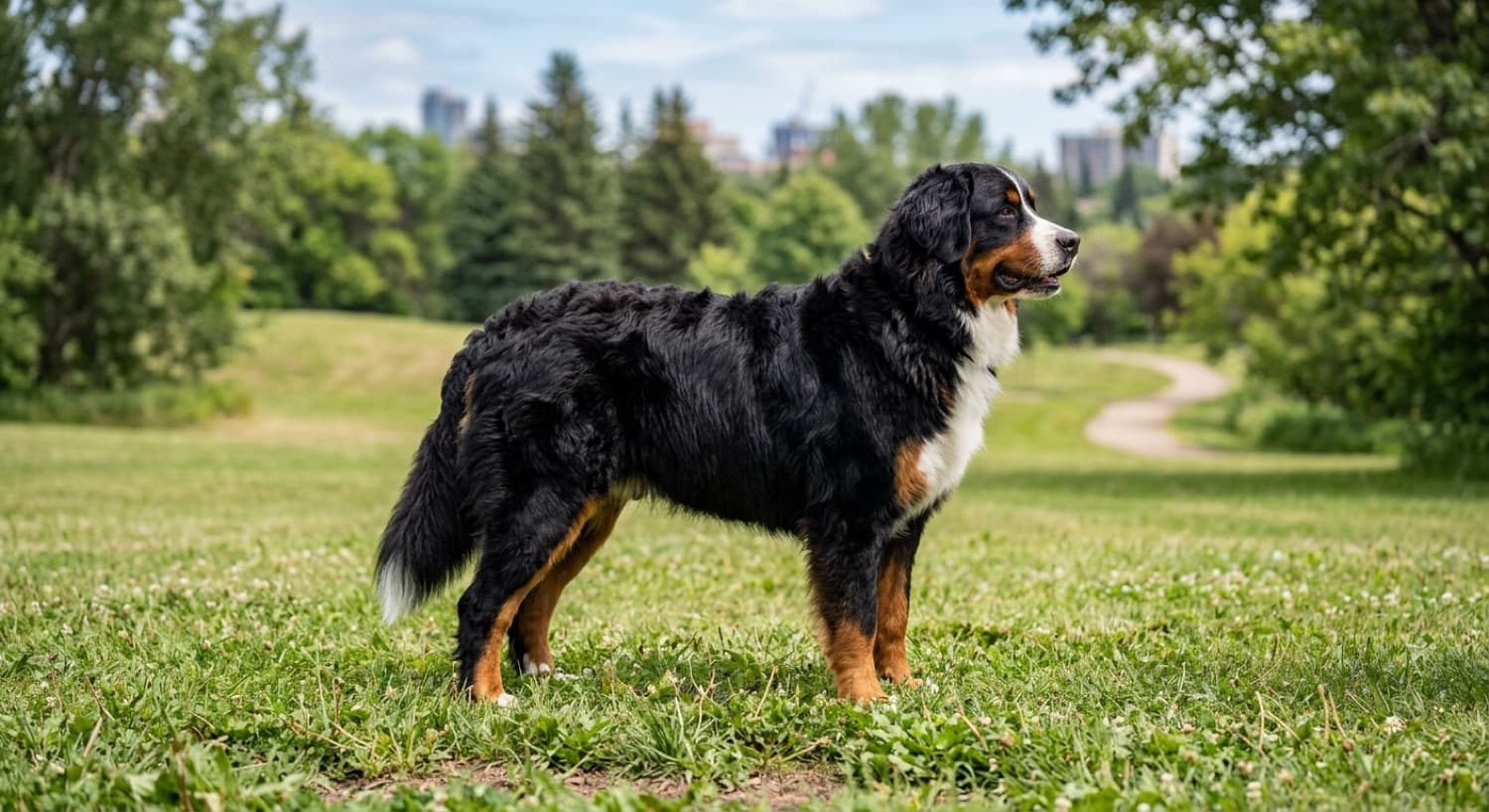
What health problems are Bernese Mountain Dogs prone to?
The defining issue is cancer, which the breed suffers at one of the highest rates of any breed and which is the leading cause of death, often young. Beyond cancer, as a large, heavy breed Berners are prone to hip and elbow dysplasia and other orthopedic issues; bloat/GDV, a life-threatening emergency; and a range of other conditions including progressive retinal atrophy, von Willebrand disease (a bleeding disorder), and, in some, a kidney condition. The combination of the very high cancer rate and the giant-breed issues gives the breed its heartbreakingly short lifespan of around 7 to 10 years. A Berner is a magnificent dog, but also a breed where serious illness is statistically likely, so go in understanding the health profile, emotionally and financially, and insure.
Why do Bernese Mountain Dogs get so much cancer?
Berners have an exceptionally high rate of cancer, the leading cause of death, often taking dogs at just six to eight years old. The breed is particularly associated with histiocytic sarcoma (malignant histiocytosis), an aggressive cancer Berners are far more prone to than most breeds, and they also have elevated rates of lymphoma, mast cell tumours, and osteosarcoma. The high rate is believed to be largely genetic, a consequence of the breed's relatively limited gene pool, and there is no way to guarantee a Berner will not develop cancer, though lines with good tracked longevity may modestly help. Practically: be aware cancer is a real likelihood, watch for signs (lumps, unexplained weight loss, lethargy, lameness, loss of appetite, or any persistent change), see the vet promptly for anything concerning since early detection can matter, and have a financial plan, ideally insurance from a young age.
The VCA guide to cancer in dogs covers the warning signs to watch for.
Are Bernese Mountain Dogs prone to joint problems?
Yes, as a large, heavy, fast-growing breed, Berners are prone to orthopedic problems, particularly hip and elbow dysplasia. Their substantial size loads the joints throughout life. Growth matters: like all giant-breed puppies, Berner puppies grow fast and need an appropriate large-breed puppy diet and carefully managed exercise (avoiding forced running, jumping, and over-exercise while growing) to develop healthy joints, another reason adopting an adult, whose growth phase is complete, is an advantage. For an adult, protect the joints by keeping the dog lean, providing traction on slippery floors and orthopedic bedding, giving sensible moderate exercise (Berners enjoy cool-weather walks and hikes but do not need extreme exercise), and monitoring for lameness or stiffness. Joint-support supplements and, in significant cases, medication or surgery can help, and reputable breeders screen for hip and elbow health.
Are Bernese Mountain Dogs at risk of bloat?
Yes, as a large, deep-chested breed, the Berner is prone to bloat (GDV), a sudden, life-threatening emergency where the stomach fills with gas and can twist. Without emergency surgery it is rapidly fatal. Know the signs: a distended or swollen belly, unproductive retching, restlessness, drooling, and distress, and treat them as an immediate emergency requiring a rush to a Vancouver emergency vet. Reduce the risk with smaller meals rather than one large one, no heavy exercise right around meals, and a conversation with your vet about preventive gastropexy (often done at spay/neuter), which many large-breed owners choose. Knowing the signs and acting instantly saves lives, so know where your nearest Vancouver emergency vet is before you ever need it.
The VCA guide to bloat covers the signs and prevention.
How do I keep a Bernese Mountain Dog as healthy as possible?
Within the limits of the breed, attentive care makes a difference to both the length and quality of a Berner's life. The highest-impact things: keep the dog lean; know the signs of bloat and consider a preventive gastropexy; feed appropriately (and for a puppy, a proper large-breed growth diet with managed exercise); provide traction and orthopedic bedding; be vigilant about cancer, watching for lumps, weight loss, lethargy, lameness, or any persistent change and seeing the vet promptly since early detection can matter; keep up with routine checkups, which matter more as a large breed ages faster; and manage summer heat carefully given the heavy coat while enjoying Vancouver's cool climate. Because Berners are prone to serious, sometimes sudden conditions, a proactive vet relationship and pet insurance are especially valuable. And, given the short lifespan, cherish the time.
Should I get pet insurance for a Bernese Mountain Dog?
Very strongly recommended, arguably as much as for any breed, because the combination of a very high cancer rate and giant-breed issues makes a significant vet bill genuinely likely. Cancer treatment (surgery, chemotherapy, specialist care) can run into the thousands or more, and bloat surgery, joint surgery, and other giant-breed care add up too. The critical rule is to insure while the dog is young and healthy, before any condition is diagnosed and excluded as pre-existing, especially important for a breed where cancer is statistically likely, you want that coverage in place before any lump or diagnosis. Compare Canadian providers specifically on cancer coverage and hereditary/giant-breed conditions, read the exclusions (including caps) carefully, and treat insurance or a substantial vet fund as core. For this breed, going in without a financial plan for serious illness is a mistake.
Our Vancouver adoption cost guide covers giant-breed budgeting and the insurance case in full.
Browse adoptable Bernese Mountain Dogs in Vancouver
Live inventory from Lower Mainland rescues, each with a foster's notes on temperament and any known health history. Adopting an adult puts the risky growth phase behind you. Refreshed regularly.
See Available Bernese Mountain Dogs →Frequently Asked Questions
What health problems are Berners prone to?
Above all cancer, at one of the highest rates of any breed and the leading cause of death. Also hip and elbow dysplasia, bloat, eye conditions, and von Willebrand disease. The cancer risk drives the short 7 to 10 year lifespan.
Why so much cancer?
An exceptionally high, largely genetic rate, especially histiocytic sarcoma, plus lymphoma and others. No way to guarantee against it. Watch for lumps, weight loss, lethargy, or lameness, see the vet promptly, and insure from a young age.
Do they have joint problems?
Yes, hip and elbow dysplasia are common in this large, fast-growing breed. Puppies need a large-breed diet and managed exercise; adults need to stay lean with traction and good bedding. Adopting an adult skips the risky growth phase.
Are they at risk of bloat?
Yes, a deep-chested breed prone to GDV, a life-threatening emergency. Know the signs (distended belly, unproductive retching) and rush to an emergency vet. Smaller meals and a preventive gastropexy reduce the risk.
How do I keep one healthy?
Keep the dog lean, know the bloat signs (consider gastropexy), be vigilant about cancer with prompt vet visits, feed appropriately, provide traction and bedding, manage summer heat, and keep up routine care. Insure early, and cherish the time.
Do I need pet insurance?
Very strongly recommended, one of the breeds where it matters most. Cancer treatment, bloat, or joint surgery run into the thousands. Insure while young and healthy, before any lump or diagnosis, and check cancer coverage and caps.
Related Vancouver guides
Bernese Mountain Dog Adoption in Vancouver
Where to adopt in BC, the gentle temperament, the short-lifespan reality, and who the breed suits.
Bernese Grooming & Shedding
Managing the heavy double coat, the seasonal blow, brushing, and damp-coast coat care.
Adoptable Bernese Mountain Dogs in Vancouver
All currently available Berners and Berner mixes with foster health notes. Updates regularly.
Vancouver Dog Adoption Costs
Adoption fees, giant-breed annual care, and the insurance case for BC adopters.
New dog? Start with these care guides
Everything a new adopter needs to set up a safe, happy home.