The short answer
Border Collies appear in BC rescue fairly regularly, often surrendered by homes that underestimated the breed or by farms and working lines. Best rescues to check: BC SPCA Vancouver, Loved at Last, Langley APS, Heart and Soul, Taco Dog Rescue, Furever Freed. Adoption fee: $400 to $800 versus $2,000 to $3,500 from a breeder. This is the most demanding common breed: it needs one to two hours of daily exercise AND constant mental work, or it becomes anxious and destructive. It suits an active, committed home (ideally one that does a dog sport), not a busy or condo-bound one. Know the MDR1 gene: many herding dogs carry a drug-sensitivity mutation, so ask your vet about a DNA test. For most adopters, a moderate-drive adult a foster has assessed is the smartest pick.
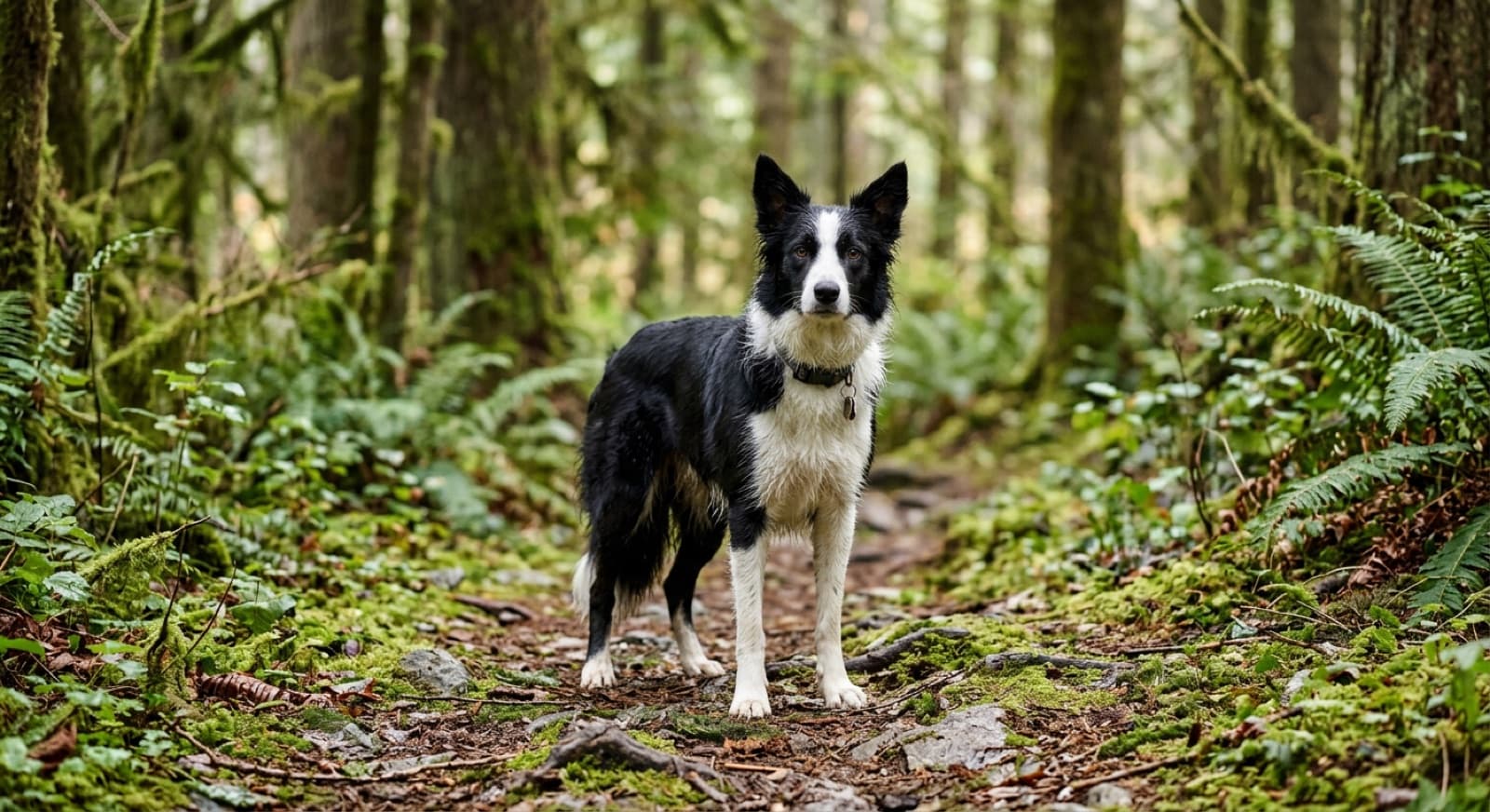
Where can I adopt a Border Collie in Vancouver?
Start with the major Lower Mainland rescues: BC SPCA Vancouver, Loved at Last Dog Rescue, Langley Animal Protection Society (LAPS), Heart and Soul Dog and Cat Rescue, Taco Dog Rescue Society, and Furever Freed Dog Rescue. Browse all currently available Border Collies and Collie mixes at LocalPetFinder's Border Collie breed page. Listings update regularly. Border Collies show up in BC rescue more often than you might expect, so the key is not scarcity, it is matching the right drive level to your home.
For the full Vancouver rescue landscape and how each organisation works, see our best dog rescues in Vancouver guide, or browse every adoptable dog on the main Vancouver dog adoption listings.
Why do so many Border Collies end up in BC rescue?
Because the Border Collie is the most demanding common breed, and most homes underestimate it. It is widely considered the smartest dog breed, bred to work sheep all day, and that brain needs a job. Given an ordinary pet life it does not relax. It invents work, and the work it invents is the problem: compulsive pacing, shadow and light chasing, spinning, herding and nipping people or bikes, and destruction. BC also has a real working-dog culture, so some rescue Collies are farm or trial washouts, or working-line dogs that were never going to settle into a suburban living room. None of it is a bad dog. It is a superb working animal in a home that could not use it. Because these dogs come through foster-based rescues, you can learn a specific dog's real drive level before committing.
How much exercise does a Border Collie actually need?
More than almost any other breed, and the mental side matters as much as the physical. Plan on one to two hours of vigorous daily exercise (running, fetch, long hikes) AND a real job for the mind: training, puzzle work, scent games, or a dog sport like agility, flyball, or herding. A tired body alone is not enough. An exhausted Border Collie with a bored brain is still a frustrated, destructive dog.
Metro Vancouver actually suits the breed if you use it. Pacific Spirit Regional Park, the North Shore trails, and the Fraser Valley offer serious space, and the region has active agility and herding communities. Our Vancouver off-leash parks guide maps the best spots to run one. If you cannot commit real hours every day, rain included, this is the wrong breed rather than the wrong dog.
How much does it cost to adopt a Border Collie in Vancouver?
Vancouver Border Collie rescue adoption fees range $400 to $800, well under the $2,000 to $3,500 a breeder charges. BC SPCA Vancouver: roughly $250 to $500. Foster-based rescues (Loved at Last, Heart and Soul, Taco Dog Rescue): often $500 to $800. Senior Collies (8+ years): often reduced to $200 to $400. Fees include spay or neuter, vaccinations, microchip, deworming, and a basic vet workup. Annual care: roughly $1,800 to $3,500 per year. For this breed the biggest real cost is not money, it is time: the daily exercise and training. Budget also for enrichment (puzzle toys, a long line, training or agility classes).
| Source | Fee Range | What's Included |
|---|---|---|
| BC SPCA Vancouver | $250 to $500 | Spay or neuter, vaccines, microchip, vet check |
| Loved at Last / Heart and Soul / Taco Dog (foster-based) | $500 to $800 | Spay or neuter, vaccines, microchip, foster temperament plus drive assessment |
| Langley APS | $300 to $600 | Spay or neuter, vaccines, microchip, vet check |
| Senior Border Collie (8+ years) | $200 to $400 | Same as above. Reduced fee. |
| Breeder puppy | $2,000 to $3,500 or more | Initial vaccines only |
Can a Border Collie live in a Vancouver condo?
It is one of the hardest breeds for condo life, and only works for a deeply committed owner. A Border Collie can technically live anywhere its needs are met, but a condo removes easy exercise outlets and the breed does badly with boredom and confinement. If you are set on one in a Vancouver apartment, commit to multiple daily outings, structured training, and a dog sport or serious enrichment, rain included. An under-exercised Border Collie in a small space develops anxiety, noise complaints, and destructive habits fast. For most condo dwellers, a calmer breed is kinder to both of you. And note: a yard is not a substitute for engagement. A Collie left alone in a yard is still bored, and many become fence-runners or escape artists. See our rescue guide for breeds better suited to apartment life.
Are Border Collies good family dogs?
They can be wonderful with an active family, with one caveat: the herding instinct. Border Collies may try to herd running children by circling, staring, and nipping at heels, which needs training and management around young kids. They are affectionate, loyal, and deeply bonded, and thrive in a family that hikes, runs, and trains together, far more than in a sedentary one. Supervise young children closely and redirect herding early. Look for a rescue Collie whose foster has specifically seen it with kids, and be honest about whether your family's pace matches the breed.
What health problems do Border Collies have, and what is MDR1?
Border Collies are generally hardy, athletic dogs, but a few breed-associated conditions matter. The one specific to herding breeds is the MDR1 gene mutation (multidrug sensitivity): dogs carrying it can react dangerously to certain common medications, including some parasite preventives at high doses, some sedatives, and some chemotherapy drugs. An inexpensive DNA test reveals a dog's MDR1 status, and every Border Collie owner should ask their vet about it so drug choices are safe. This is a safety issue, not just a cost one.
The breed health profile, by priority:
- MDR1 multidrug sensitivity. Common in herding breeds. A one-time cheek-swab DNA test tells you the status; share it with your vet so medication and dosing are safe.
- Hip dysplasia. Ask whether the parents had OFA hip clearances if buying, and watch for stiffness or limping in a rescue dog.
- Eye conditions. Collie Eye Anomaly (CEA) and progressive retinal atrophy appear in the breed; a vet eye exam and, for breeder pups, parent eye clearances matter.
- Epilepsy. Seizures occur in some lines. Ask a rescue foster whether a dog has any seizure history.
For a rescue adult, ask the foster about any known issues, seizures, or eye problems. The AKC Border Collie breed profile lists the recommended health screenings for the breed. Keep routine care affordable with our guides on low-cost vet options in Vancouver and affordable spay and neuter.
Should I look at “Border Collie puppies for sale Vancouver” instead of adoption?
Adoption is the better path for most Vancouver households, and with Border Collies it is often the safer one. Adopting an adult means the dog's drive level and temperament are already known, and a good foster can tell you whether it is a manageable moderate-drive dog or an intense working-line dog. That knowledge is invaluable for a breed where the mismatch is exactly what fills rescue. A rescue Border Collie also costs $400 to $800 with full vet work, versus $2,000 to $3,500 from a breeder.
If you specifically want a working or sport prospect and go the breeder route, choose a breeder who:
- Is CKC-registered or works and trials their own dogs
- Does hip and eye clearances, and MDR1 testing, on both parents
- Allows home visits and meeting both parents
- Takes dogs back at any age and never sells through pet stores or classifieds
Avoid the Craigslist or Kijiji “Border Collie puppies for sale” litter. It is usually an untested backyard pairing, and it produces the exact under-considered dogs that fill rescue two years later. For the broader rescue-first reasoning, see our Vancouver rescue guide.
Are Border Collie mixes different to live with?
Often meaningfully, and Collie mixes are common in Vancouver rescue. A Border Collie crossed with another herding breed (Aussie, Kelpie, Heeler) can be just as high-drive or higher. A cross with a calmer breed (Lab, hound) can land somewhere more moderate and easier for most homes than a purebred working-line Collie. The label “Border Collie mix” tells you the look, not the drive, so read the foster's temperament notes rather than assuming. If you love the breed's brains but are not sure you can meet a full working Collie's needs, a moderate-energy mix a foster has flagged as good in a normal active home can be the smarter adoption.
Are Border Collies good for first-time owners in Vancouver?
Usually not, and it is worth being honest about that. A Border Collie is a demanding, intensely intelligent working breed that will find and exploit any gap in structure, exercise, or training, and first-time owners often underestimate all three. That said, an active, committed first-timer who genuinely wants to train and do a dog sport can succeed with the right individual, ideally a moderate-drive adult a foster has assessed rather than a working-line puppy. If you are drawn to the breed, the safest path is: adopt an assessed adult, commit to a training class and a daily physical-plus-mental routine, and accept that this is a lifestyle dog. If your life is busy and indoor, a calmer breed will make both of you happier.
Browse adoptable Border Collies in Vancouver
Live inventory from Lower Mainland rescues, including purebred Border Collies, Collie mixes, and senior dogs at reduced fees, each with a foster's drive-level assessment. Refreshed regularly.
See Available Border Collies →Frequently Asked Questions
Where can I adopt a Border Collie in Vancouver?
BC SPCA Vancouver, Loved at Last, Langley APS, Heart and Soul, Taco Dog Rescue, and Furever Freed. Browse current Border Collies and Collie mixes at LocalPetFinder's Border Collie breed page (updates regularly). Read foster drive-level notes carefully.
Why do Border Collies end up in rescue?
The most demanding common breed, surrendered when homes cannot meet its exercise and mental needs. Under-stimulation drives pacing, chasing, herding, nipping, and destruction. Some are farm or working-line washouts. Almost never a bad dog, just a badly matched one.
How much exercise do they need?
One to two hours of vigorous daily physical exercise plus real mental work (training, puzzles, a dog sport). A tired body with a bored brain is still a frustrated dog. Metro Vancouver's trails and agility community suit the breed if you use them.
Adoption cost in Vancouver?
$400 to $800 from rescues versus $2,000 to $3,500 from breeders. Annual care $1,800 to $3,500. The biggest real cost is time, not money.
Can they live in a condo?
One of the hardest breeds for condo life. Only works with a deeply committed owner providing multiple daily outings, training, and a sport or serious enrichment. For most apartment dwellers, a calmer breed is kinder.
What is MDR1, and what health issues matter?
MDR1 is a multidrug-sensitivity gene common in herding breeds; a cheap DNA test tells you a dog's status so your vet can dose medications safely. Also watch for hip dysplasia, eye conditions (CEA), and epilepsy in some lines. Ask the foster about any history.
Are Border Collies good for first-time owners?
Usually not, unless you are active and committed to training and a dog sport. If drawn to the breed, adopt a moderate-drive adult a foster has assessed rather than a working-line puppy, and treat it as a lifestyle dog.
Related Vancouver guides
Adoptable Border Collies in Vancouver
All currently available Border Collies and Collie mixes, with foster drive-level notes. Updates regularly.
German Shepherd Adoption
Another intelligent working breed common in BC rescue. Real fees, the breed reality, and health.
Best Dog Rescues in Vancouver
Every Vancouver-area rescue reviewed on cost, wait time, and best fit by adopter type.
Vancouver Off-Leash Parks
Where to burn a high-drive dog's energy across the Lower Mainland, rain or shine.
New dog? Start with these care guides
Everything a new adopter needs to set up a safe, happy home.