The short answer
Boston Terriers are friendly, affectionate, people-oriented, playful, and adaptable, the American Gentleman, and generally excellent with children and other pets. They have moderate exercise needs (a couple of walks plus play), which suits Vancouver apartment life, just avoid over-exercising in summer heat. They are intelligent and eager to please, so they train readily with short, fun, positive, reward-based sessions, and respond poorly to harsh corrections. Housetraining takes the usual small-breed patience and a consistent schedule. They are not excessive barkers, but they bond closely, so don't leave them alone all day, separation anxiety is the main risk to prevent.
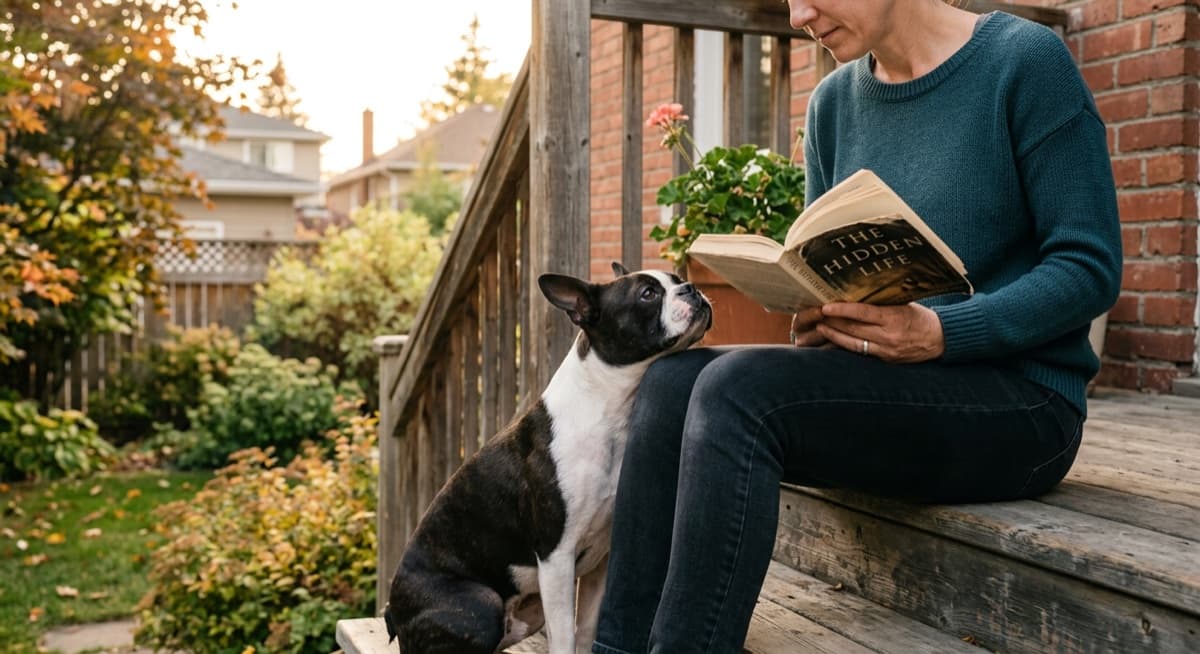
What the temperament is really like
Boston Terriers have one of the most agreeable temperaments in the dog world, which is exactly why they are called the American Gentleman. They are friendly, affectionate, and intensely people-oriented, bonding closely with their family and thriving on companionship. They are playful and often comedic, with a lively, expressive personality, yet generally polite and adaptable, happy to play and then settle down.
Most are good with children and often good with other dogs and pets, and they tend to be gentle and sociable rather than sharp or snappy. They are intelligent and eager to please, which makes them enjoyable to train. Bostons can be a little stubborn or easily distracted at times, and some are sensitive, but overall this is a wonderfully easygoing companion breed. The main thing they ask is not to be left alone all day, they want to be with their people.
How much exercise does a Boston need?
Boston Terriers have moderate exercise needs, more than a lapdog but far less than a working breed, which is part of what makes them so adaptable to apartments and city life. A couple of walks a day plus some play and mental stimulation keeps a Boston happy and healthy; they enjoy a romp but are also content to relax with the family. This makes them very manageable for Vancouver apartment dwellers, indoor play and a walk on the seawall go a long way.
Two important caveats given the flat face: do not over-exercise a Boston in heat (they overheat easily, so keep summer activity to the cool hours), and watch for breathing distress during hard exercise. Puppies and young Bostons have plenty of energy and benefit from outlets to prevent boredom-driven mischief, but the breed's overall exercise requirement is comfortably within reach of most owners, including those without a yard. A tired Boston is a well-behaved Boston, and tiring one out is not hard.
Are Boston Terriers easy to train?
Yes, Boston Terriers are generally quite trainable, they are intelligent, eager to please, and food-motivated, a great combination, and they take well to positive, reward-based methods. Keep sessions short, fun, and consistent, use treats and praise generously, and you can teach good manners and obedience readily. They respond poorly to harsh corrections, so stick to positive reinforcement.
The main challenges are an occasional stubborn streak and a tendency to be distractible or excitable, especially as youngsters, so patience and consistency matter, and early socialization helps produce a confident, well-mannered adult. Because they are smart and love interaction, Bostons often enjoy tricks and can do well in obedience or agility. For a first-time owner, the Boston Terrier's trainability makes it one of the more forgiving breeds to learn on. A qualified positive-reinforcement trainer can help you build a foundation, or get you past any sticking points.
Housetraining and the Vancouver rain
Boston Terriers are not especially hard to housetrain, but small breeds in general take a bit more patience and consistency, partly because small bladders mean more frequent trips and partly because small-dog accidents are easy to under-notice. The keys are the same as for any dog: a consistent schedule, crate training, immediate praise for going in the right place, thorough cleanup, and patience without punishment.
Most Bostons housetrain reliably with a consistent routine, and adult rescue Bostons are often already housetrained, a nice advantage of adopting. Vancouver's wet winters can complicate things, some small dogs dislike going out in the rain, so a covered potty spot or gentle persistence helps. Overall, with a good routine, housetraining a Boston is very achievable and rarely a major obstacle.
Good with kids and other pets?
Boston Terriers are generally excellent with children and often good with other pets, one of the reasons they are such a popular family companion. Their friendly, sturdy (for a small dog), playful nature suits families, and they typically enjoy the company of kids. As always, supervise interactions with young children and teach kids to handle a small dog gently, but Bostons are among the more child-friendly small breeds.
With other dogs and cats, most well-socialized Bostons coexist happily, they are sociable rather than scrappy, though proper introductions and individual temperament matter. Early socialization strengthens these traits. For a rescue Boston, a good rescue will usually have assessed how the dog does with kids, dogs, and cats, so you can match the individual dog to your household, always the best approach.
Barking and quirks
Boston Terriers are generally not excessive barkers, which is one reason they suit apartment and condo living so well, they tend to bark to alert or when excited rather than incessantly, and with training they learn good quiet manners. A few endearing quirks come with the breed: they are often snorty and snuffly (the flat face), they can be gassy (a well-known Boston trait, manageable with a good diet), and their expressive faces give them a big personality in a small package.
Like many companion breeds, they can be prone to separation anxiety if over-attached and left alone too much, since they bond so closely, so crate training, gradual alone-time practice, and enrichment help prevent it. Overall the Boston Terrier's behaviour is easygoing and apartment-appropriate, and most quirks are charming rather than problematic. Consistent training and not leaving the dog alone excessively keep a Boston well-behaved and content.
Browse adoptable Boston Terriers in Vancouver
A good rescue assesses each Boston's temperament with people, kids, and other pets, so you can pick the right individual. Refreshed regularly across Lower Mainland rescues.
See Available Boston Terriers →Frequently Asked Questions
What is the temperament like?
Friendly, affectionate, people-oriented, playful, and adaptable, the American Gentleman. Good with kids and often other pets, intelligent and eager to please. A little stubborn or distractible at times, but wonderfully easygoing. They just ask not to be left alone all day.
How much exercise do they need?
Moderate, a couple of walks plus play and mental stimulation. Very manageable for Vancouver apartments. Two caveats given the flat face: don't over-exercise in summer heat, and watch for breathing distress during hard exercise.
Are they easy to train?
Yes, intelligent, eager to please, and food-motivated. Use short, fun, positive, reward-based sessions and avoid harsh corrections. An occasional stubborn or distractible streak needs patience. One of the more forgiving breeds for first-time owners.
Are they hard to housetrain?
Not especially, though small breeds take some patience, small bladders mean frequent trips. Use a consistent schedule, crate training, praise, and cleanup. Adult rescue Bostons are often already trained. Vancouver rain can complicate it, a covered potty spot helps.
Good with kids and other pets?
Generally excellent with children and often good with other pets, one of the more child-friendly small breeds. Supervise with young kids and do proper introductions. A rescue will assess how a dog does so you can match it to your household.
Do they bark a lot?
Not excessively, which suits condos. They bark to alert or when excited, not incessantly. Quirks: snorty, snuffly, and sometimes gassy. They bond closely, so separation anxiety is the main risk, prevent it with crate training and gradual alone-time practice.
Related Vancouver guides
Boston Terrier Adoption in Vancouver
Where to adopt in BC, the friendly temperament, apartment fit, real costs, and who it suits.
Boston Terrier Health Issues
Breathing, eyes, knees, and allergies, the flat-faced small-breed health picture in full.
Adoptable Boston Terriers in Vancouver
All currently available Bostons and Boston mixes with foster temperament notes. Updates regularly.
Best Dog Rescues in Vancouver
Every Vancouver-area rescue reviewed on cost, wait time, and best fit by adopter type.
New dog? Start with these care guides
Everything a new adopter needs to set up a safe, happy home.