The short answer
A Dalmatian needs at least one to two hours of vigorous daily exercise (running, hiking, fetch, hard play, not just a walk) plus real mental stimulation. Bred to run for miles, they have tremendous stamina. The under-exercised Dalmatian is the destructive Dalmatian, unmet needs turn into chewing, barking, hyperactivity, and anxiety, and it is the top reason the breed is surrendered. Vancouver is close to ideal for meeting these needs: the seawall, trails, off-leash areas, and running culture give you endless options, if you use them daily, rain or shine. Wait until ~18 months before high-impact running to protect growing joints. Be brutally honest about your activity level before choosing this breed.
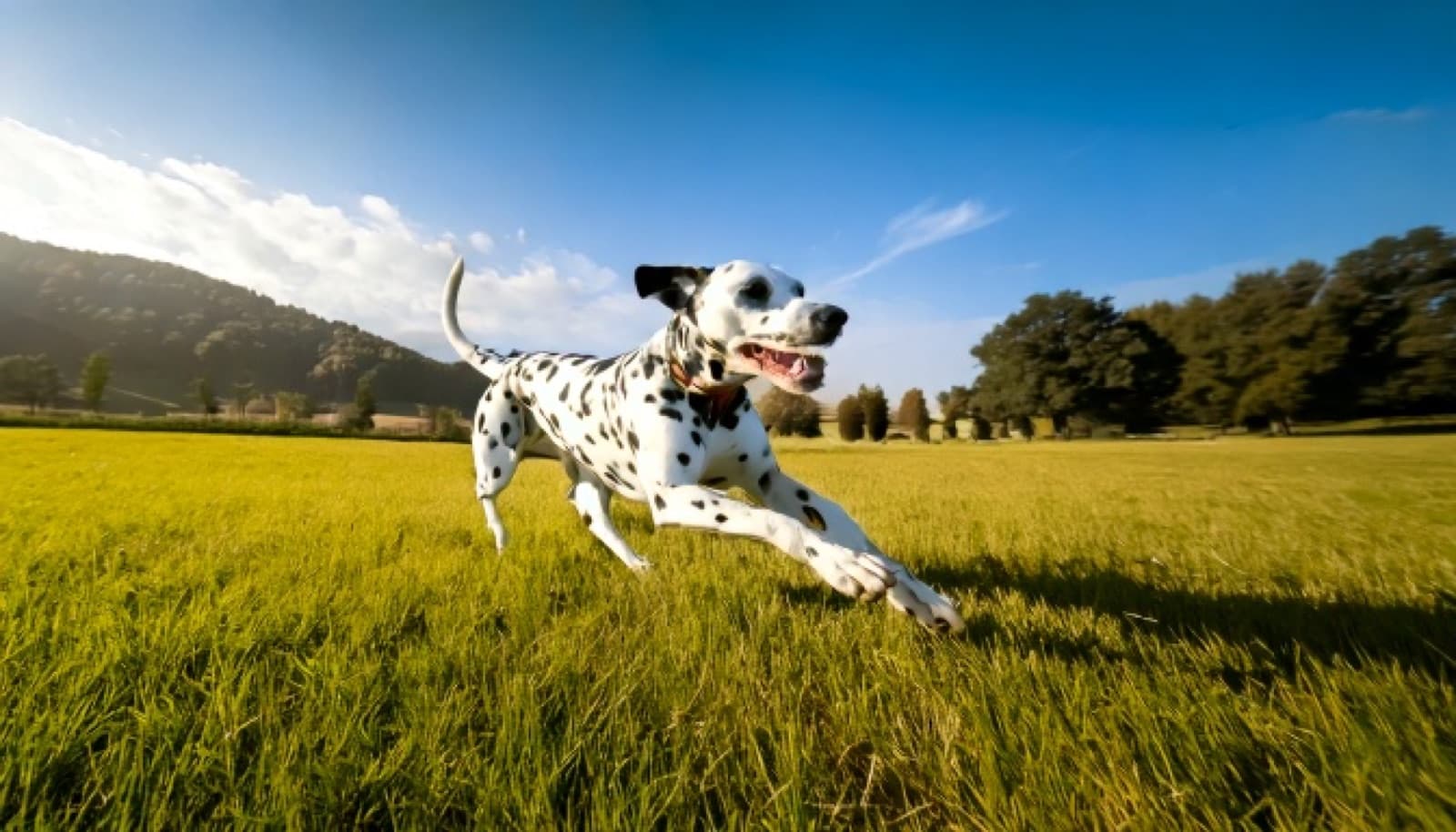
How much exercise does a Dalmatian need?
A Dalmatian needs a lot of exercise, and this is the single biggest thing prospective owners must be honest about. Plan on at least one to two hours of vigorous daily exercise, and more for a young, high-drive dog, meaning real activity like running, jogging, long brisk hikes, fetch, or vigorous play, not just a gentle stroll. Bred to trot for miles alongside carriages, they have tremendous stamina and a genuine need to move.
On top of physical exercise, they need mental stimulation, training, puzzle toys, games, and jobs, because they are intelligent and bore easily. A well-exercised Dalmatian is typically calm and well-behaved at home; one that is not becomes hyperactive, anxious, and destructive. This is not a breed whose exercise needs you can shortcut, and if your lifestyle cannot reliably provide one to two-plus hours of real activity a day, a Dalmatian is likely the wrong breed. Vancouver's trails and running culture make meeting these needs very achievable for an active owner.
What happens if a Dalmatian does not get enough?
An under-exercised Dalmatian is a recipe for problems, and it is the leading reason the breed ends up in rescue. When a high-energy, intelligent dog does not burn off its physical energy and mental drive, that energy goes somewhere, usually into chewing furniture, excessive barking, digging, hyperactivity and inability to settle, restlessness, anxiety, and sometimes escape attempts. Under-exercised Dalmatians can become genuinely difficult to live with.
Crucially, these are not behaviour flaws in the dog, they are the predictable result of unmet needs, and they typically resolve or greatly improve when the dog gets adequate exercise and enrichment. The lesson is clear: the destructive Dalmatian is almost always the under-exercised Dalmatian. Provide the substantial daily activity and stimulation the breed requires and you will very likely have a calm companion at home; skip it and you will likely have problems. Meeting the exercise needs is the foundation of a well-behaved Dalmatian.
The best ways to exercise a Dalmatian in Vancouver
Vancouver is close to ideal for exercising a Dalmatian, with abundant options for a high-stamina dog. Running and jogging are perfect (once mature), and the seawall, trails, and quieter streets give endless routes. North Shore and regional hiking trails provide great physical and mental workouts, and off-leash areas and dog beaches let a Dalmatian run at full speed and socialize.
- •Running and hiking: the seawall, North Shore trails, and regional parks. Confirm reliable recall before off-leash, and remember a deaf Dalmatian needs extra caution.
- •Dog sports: agility, flyball, or canicross suit the athletic, trainable Dalmatian and combine mental and physical exercise.
- •Swimming: great low-impact exercise at many Vancouver spots, easy on the joints.
- •Fetch and enrichment: structured play plus puzzle feeders, training sessions, and scent games for the mental side.
The key is variety and consistency: a mix of daily physical exercise and enrichment, using Vancouver's excellent infrastructure, keeps a Dalmatian happy and well-behaved year-round.
Can I exercise one enough in an apartment or condo?
It is possible but demanding, and it depends entirely on your commitment to getting the dog out. A Dalmatian can live in an apartment if, and only if, you reliably provide the substantial daily outdoor exercise the breed needs, every day, regardless of weather or your energy level. The apartment itself is fine (Dalmatians are calm indoors when well-exercised), but there is no yard to take the pressure off, so all the responsibility falls on your routine.
This works for dedicated, active people who build the dog's exercise into their day, but it fails quickly for anyone who overestimates their commitment. Vancouver's wet winters test this: you must be willing to exercise the dog in the rain. Honestly assess whether you will really provide the exercise every single day. Dog walkers and daycare can fill gaps but are supplements, not substitutes for an engaged owner.
When can a Dalmatian start running? Puppy safety
Dalmatians make superb running companions as adults, but do not do high-impact, sustained running with a puppy or adolescent whose growth plates have not closed (typically around 18 months), because repetitive high-impact exercise on developing joints can contribute to joint problems later. For a puppy, provide plenty of age-appropriate exercise and stimulation, free play, short walks, training, socialization, without forced, prolonged running or jumping.
Let the puppy self-regulate through play and gradually build controlled activity as it matures. Once mature (around 18 months to two years, check with your vet), you can gradually build a Dalmatian into a genuine running or hiking partner. Puppies still need daily exercise and mental stimulation, just channel it into age-appropriate activities, and Vancouver's trails and parks offer great low-impact options for a growing Dalmatian.
Is a Dalmatian too much dog for a casual owner?
For a genuinely active first-time owner who understands the commitment, a Dalmatian can work, but for a casual or sedentary owner, yes, a Dalmatian is likely too much dog. The exercise and stimulation needs are among the highest in the dog world, and the breed's intelligence and sensitivity mean it also needs consistent training and engagement.
Dalmatians work for people with active lifestyles who genuinely want a dog to run, hike, and do things with, and who will commit for the dog's whole life. First-time ownership is not disqualifying if you are honestly that active, and adopting an adult (whose energy you can assess) helps match the dog to your lifestyle. But if you want a low-maintenance companion, a Dalmatian will likely overwhelm you. Be brutally honest about your lifestyle before choosing this breed, it is one where a mismatch causes the most problems for everyone.
Browse adoptable Dalmatians in Vancouver
Adopting an adult Dalmatian lets you assess the dog's real energy level and match it to your lifestyle. Each Lower Mainland rescue dog comes with a foster's notes. Refreshed regularly.
See Available Dalmatians →Frequently Asked Questions
How much exercise does a Dalmatian need?
At least one to two hours of vigorous daily exercise (running, hiking, fetch, hard play), plus mental stimulation. Bred to run for miles, they have huge stamina. If you cannot reliably provide that daily, a Dalmatian is likely the wrong breed.
What happens if they do not get enough?
Chewing, barking, digging, hyperactivity, anxiety, escape attempts, the top reason Dalmatians are surrendered. These are unmet-needs behaviours, not flaws, and they resolve with adequate exercise. The destructive Dalmatian is almost always the under-exercised one.
Best ways to exercise one in Vancouver?
Running and hiking the seawall, North Shore, and regional trails; off-leash areas and dog beaches; dog sports like agility or canicross; swimming; and fetch plus puzzle feeders for the mental side. Variety and daily consistency are the keys.
Can I manage one in an apartment?
Possible but demanding, it works only if you reliably provide the full daily exercise regardless of weather. No yard means all the responsibility is on your routine. Vancouver's wet winters test this. Be honest about your commitment first.
When can a Dalmatian start running?
Not high-impact running until growth plates close (~18 months), to protect developing joints. Give puppies age-appropriate play, short walks, and training instead, then build up to running once your vet confirms skeletal maturity.
Too much dog for a casual owner?
For a casual or sedentary owner, yes. Dalmatians suit active people who want to run, hike, and do things with a dog. An active first-timer can manage one, especially by adopting an adult, but a mismatch causes problems for everyone. Be brutally honest about your lifestyle.
Related Vancouver guides
Dalmatian Adoption in Vancouver
Where to adopt in BC, the high-energy temperament, deafness, real costs, and who it suits.
Dalmatian Health Issues
Deafness, urate bladder stones, hip dysplasia, allergies, and the breed's vet picture.
Adoptable Dalmatians in Vancouver
All currently available Dalmatians and Dalmatian mixes with foster energy notes. Updates regularly.
Best Dog Rescues in Vancouver
Every Vancouver-area rescue reviewed on cost, wait time, and best fit by adopter type.
New dog? Start with these care guides
Everything a new adopter needs to set up a safe, happy home.