The short answer
The Dalmatian's two signature health issues are congenital deafness (a significant minority are born deaf in one or both ears) and urate bladder stones (the breed's unique urinary metabolism produces excess uric acid, and a urinary blockage, more likely in males, is a life-threatening emergency). Beyond those: hip dysplasia, skin allergies. Lifespan is a healthy ~11 to 14 years. The levers you control: a suitable diet and excellent hydration for the urinary risk, hearing awareness, skin care, and keeping the dog lean and well-exercised. Because the urate risk is specific and expensive, the insurance case is real, insure while young.
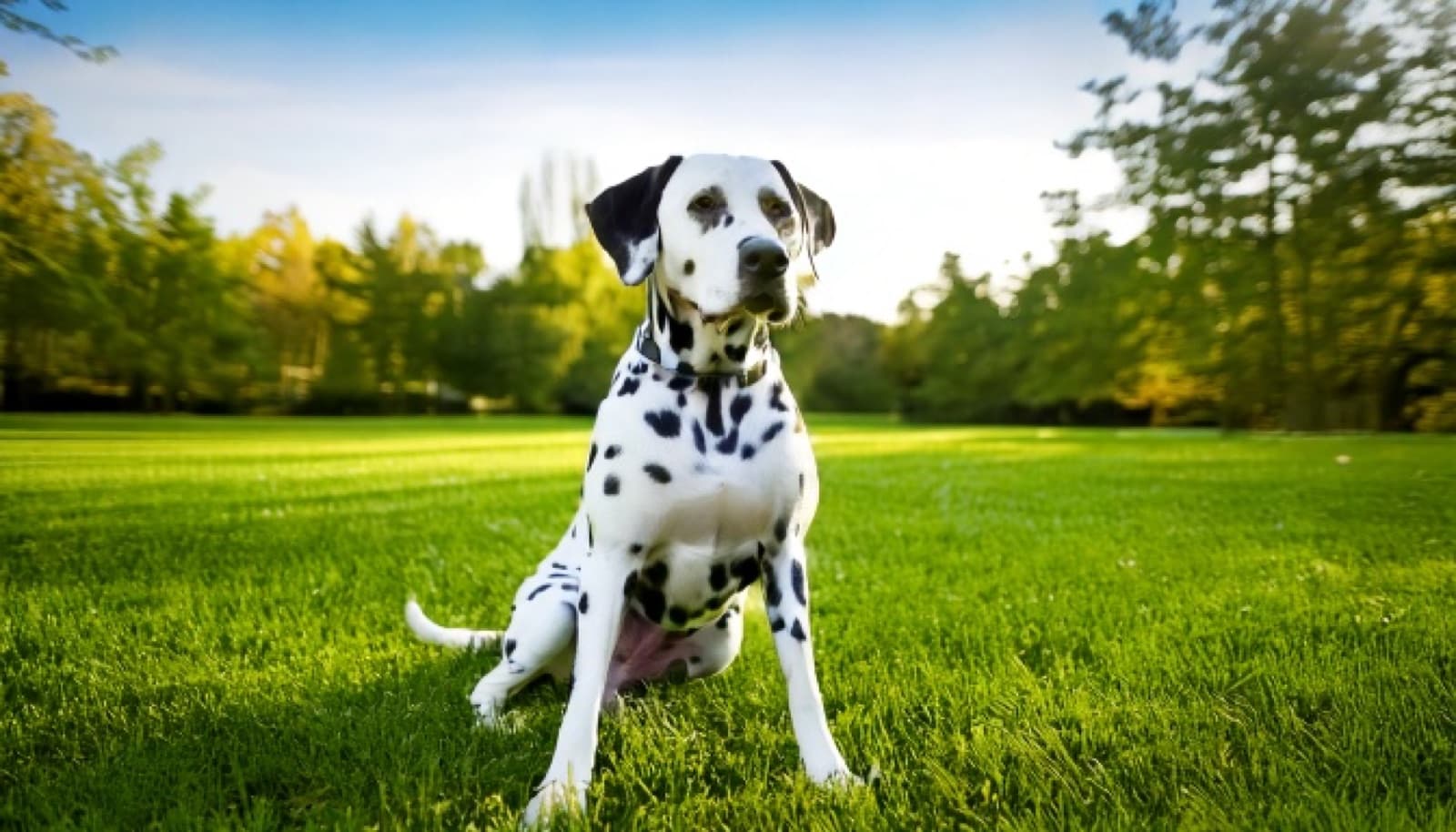
The Dalmatian is not a sickly breed, most live long, active lives, but it has two genuinely breed-defining health issues plus a couple of common ones. Knowing them, especially the urinary risk, lets you prevent and catch problems early. Here is the medical picture, condition by condition.
Urate bladder stones, the signature issue
Urate bladder stones are the Dalmatian's most distinctive health issue. Unlike other dogs, Dalmatians do not fully convert uric acid to allantoin, so they excrete more uric acid, which predisposes them to forming urate stones in the bladder and urinary tract. These can cause painful, frequent, or bloody urination, straining, and, in a serious scenario, a urinary blockage, a life-threatening emergency (more common and dangerous in males due to the narrower urethra).
Signs of urinary trouble, straining, frequent or bloody urination, or inability to urinate, warrant prompt vet attention, and a blockage is an emergency. Management focuses on prevention: a suitable diet (often lower-purine or a veterinary urinary diet), plenty of fresh water and good hydration to keep urine dilute, frequent chances to urinate, and monitoring. With good dietary and hydration management, many Dalmatians never have serious stone problems, but the predisposition is lifelong. Work with your vet on prevention. The American College of Veterinary Internal Medicine publishes guidance on urolithiasis management.
Congenital deafness
Deafness is one of the most well-known Dalmatian health issues. A meaningful proportion are born with some hearing loss, a portion deaf in one ear (unilateral) and a smaller portion completely deaf (bilateral), a hereditary condition associated with the genes for the white coat and spotting. Responsible breeders BAER-test puppies to identify hearing status.
A Dalmatian deaf in one ear typically lives an entirely normal life, and many owners never notice. A fully deaf Dalmatian needs a committed owner who trains with hand signals and visual cues, takes extra precautions around traffic and off-leash situations, and uses vibration or light-based communication, but such dogs live very happy, full lives. A good rescue will usually know or assess a dog's hearing status. Deafness is manageable and should not automatically rule out a dog. Our adoption guide covers adopting a deaf Dalmatian in more detail.
Joints and skin
Dalmatians can experience hip dysplasia, a hip malformation leading to arthritis and pain, as in many active medium-to-large breeds, though not as pervasively as in some. Keeping a Dalmatian lean and providing appropriate exercise protects the joints, and Vancouver's trails support good, sustained activity. On the skin side, Dalmatians are notably prone to allergies and sensitive skin, environmental and food allergies can cause itching, rashes, and dermatitis.
Signs of joint issues include stiffness, difficulty rising, limping, or reluctance to exercise; management ranges from weight control and supplements to medication or surgery in severe cases. Allergic skin is generally managed with veterinary guidance, appropriate diet, and good skin care, and the damp Vancouver climate can be a factor, so monitor and address skin problems early. Neither is usually severe in the breed, but both are worth watching for.
Lifespan and keeping a Dalmatian healthy
Dalmatians typically live around 11 to 14 years, a good lifespan, and much of keeping one healthy is within your control. The breed-specific priorities: manage the urinary metabolism with a suitable diet and excellent hydration to prevent urate stones, be aware of and accommodate any hearing loss, watch and manage the skin for allergies, and keep the dog lean and well-exercised to protect the joints and support overall health (which for this high-energy breed also prevents under-exercise behaviour problems).
Beyond that, routine vet care, dental care, parasite prevention, and current vaccinations round it out, and prompt attention to any urinary signs is especially important. Vancouver's abundant exercise options make it easy to keep a Dalmatian fit. A Dalmatian that is well-exercised, kept lean, fed and hydrated with the urinary metabolism in mind, and given routine care has an excellent chance at a long, healthy life.
Is pet insurance worth it?
Pet insurance is worth considering for a Dalmatian, primarily because of the breed's specific and somewhat predictable risk of urinary problems. Urate stones and possible urinary blockages (especially in males) can require expensive treatment, including emergency surgery in a blockage, and Vancouver vet care is not cheap. The urate-stone risk makes the insurance case more relevant than for a breed without a known expensive predisposition.
As always, take out insurance while the dog is young and healthy, before any condition, especially a urinary one, is diagnosed and excluded, which matters given the lifelong nature of the predisposition. Compare providers, understand coverage and exclusions, and read the fine print. For many owners, insurance provides good protection against the potentially costly urinary risk plus the usual accident and illness coverage. If you self-insure, keep a solid vet fund with urinary emergencies specifically in mind. See our Vancouver adoption and ownership costs guide for the numbers.
Browse adoptable Dalmatians in Vancouver
Rescue Dalmatians come vet-checked, and a good rescue will share a dog's known hearing status and health history so you can adopt informed. Refreshed regularly across Lower Mainland rescues.
See Available Dalmatians →Frequently Asked Questions
What are the main health problems?
Two signatures: congenital deafness and urate bladder stones (from the breed's unique urinary metabolism). Plus hip dysplasia and skin allergies. Lifespan ~11 to 14 years. Diet and hydration for the urinary risk, plus hearing awareness, are the biggest priorities.
What are urate stones and why are they prone?
Dalmatians excrete excess uric acid (a metabolic quirk), predisposing them to urate stones that cause painful, bloody urination and, in males especially, dangerous blockages. Prevent with a suitable diet and excellent hydration. Any inability to urinate is an emergency.
How common is deafness?
A meaningful proportion are born deaf in one ear (usually lives normally) or fully deaf (needs hand-signal training and traffic care, but lives a full life). It is linked to the coat genetics. A good rescue assesses and discloses hearing status.
Do they have joint or skin problems?
Hip dysplasia occurs but is not pervasive, keep the dog lean and well-exercised. The bigger tendency is skin allergies and sensitive skin, which the damp Vancouver climate can affect. Manage with diet, vet guidance, and good skin care.
How long do they live?
Around 11 to 14 years. Manage the urinary metabolism (diet, hydration), accommodate hearing, watch the skin, keep the dog lean and well-exercised, and stay on routine vet care. Prompt attention to urinary signs matters most.
Is pet insurance worth it?
Worth considering, mainly for the specific urate-stone and urinary-blockage risk, which can be expensive (emergency surgery in a blockage). Take insurance out while the dog is young, before urinary issues are diagnosed and excluded. If you self-insure, budget for urinary emergencies.
Related Vancouver guides
Dalmatian Adoption in Vancouver
Where to adopt in BC, the high-energy temperament, deafness, real costs, and who it suits.
Dalmatian Exercise & Energy
How much a Dalmatian really needs, and how to meet it using Vancouver's trails and seawall.
Adoptable Dalmatians in Vancouver
All currently available Dalmatians and Dalmatian mixes with foster health notes. Updates regularly.
Low-Cost Vet Care in Vancouver
Affordable clinics and options for routine care, urinary checks, and the care a Dalmatian needs.
New dog? Start with these care guides
Everything a new adopter needs to set up a safe, happy home.