The short answer
Great Pyrenees turn up in BC rescue periodically, often surrendered when owners underestimate the guardian-breed reality. Check BC SPCA Vancouver and the foster-based rescues. Adoption fee: $400 to $800 versus $1,500 to $3,000-plus from a breeder. They are calm, gentle, majestic giants, often lovely with family and kids, but the livestock-guardian instincts are central: independent and stubborn (not biddable), protective and wary of strangers, they bark a lot (especially at night), they roam (need very secure high fencing, never off-leash), they are giant (85 to 120-plus lbs) and shed heavily. Best suited to a rural or large-secure-yard home, not apartments or dense urban settings. Vancouver's cool climate is ideal for them, just manage summer heat.
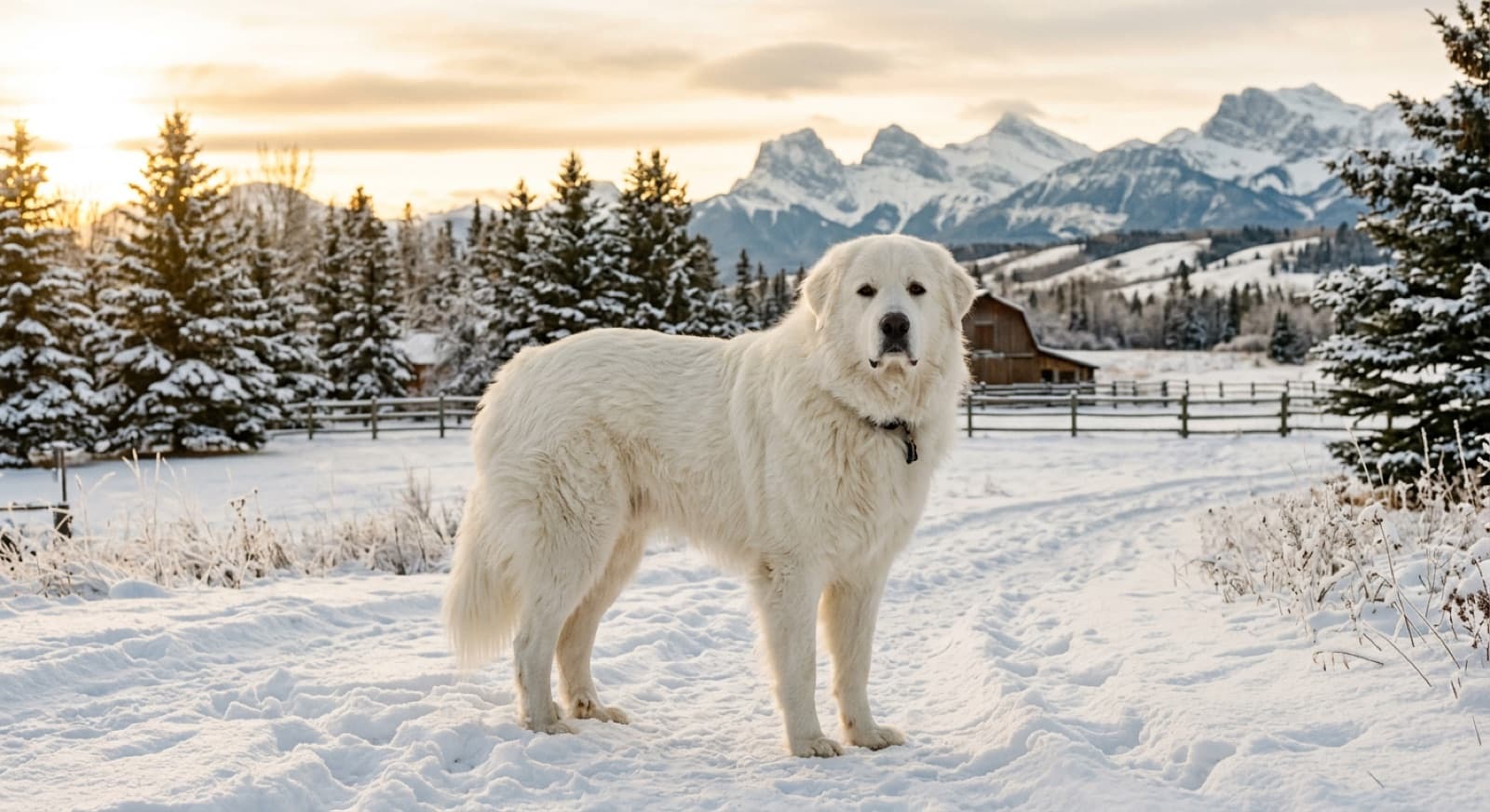
Where can I adopt a Great Pyrenees in Vancouver?
Check the major Lower Mainland rescues: BC SPCA Vancouver, Loved at Last Dog Rescue, Langley Animal Protection Society (LAPS), Heart and Soul Dog and Cat Rescue, and Furever Freed Dog Rescue, plus Great Pyrenees-specific, livestock-guardian, or giant-breed rescues. Pyrs and Pyr mixes turn up periodically, sometimes from rural or farm settings. Browse currently available Great Pyrenees and Pyr mixes at LocalPetFinder's Great Pyrenees breed page. The foster notes on temperament, guardian behaviours, history with people and animals, and any barking or roaming tendencies are especially worth reading.
For the full Vancouver rescue landscape, see our best dog rescues in Vancouver guide, or browse every adoptable dog on the main Vancouver dog adoption listings.
Are Great Pyrenees good family dogs?
Great Pyrenees can be wonderful, gentle family companions for the right home, but they are a distinctive livestock-guardian breed whose independent, protective nature is not for everyone. A well-raised Pyr is typically calm, gentle, patient, affectionate, and devoted, often good with children and, when socialized, other animals (they were bred to be gentle with livestock), a mellow, majestic gentle giant. But the guardian heritage brings significant caveats: they are highly independent (bred to work alone), so not biddable and often stubborn and hard to train; they have strong guarding instincts and are wary of strangers; they bark, a lot, especially at night; they roam; they are giant dogs needing space; and they shed heavily and need grooming.
So a Great Pyrenees suits an experienced owner with space (ideally rural or with a large, very secure yard), who understands and appreciates independent guardian breeds, and can manage the barking, roaming, size, and grooming, and is a poor fit for apartment or dense-urban living, a first-time owner, or anyone wanting a biddable, quiet, low-maintenance dog. For the right home, a Pyr is a magnificent, gentle, devoted companion. Our guardian-instincts guide covers what living with those instincts really involves.
Do Great Pyrenees bark a lot and roam?
Yes to both, and these are two of the most important practical realities of the breed, rooted in its livestock-guardian heritage, and they must be seriously considered before adopting, especially in Vancouver. Barking: Pyrs are famously vocal, barking is a core, instinctive part of how a guardian works (warning off threats, alerting to anything unusual), so they bark, often a lot, and often at night, and you cannot fully train the instinct out, the barking is part of the breed. This nocturnal, frequent barking can be a serious problem, and generate noise complaints, in a suburban, urban, or apartment setting.
Roaming: livestock guardians patrol and expand their territory, so Pyrs are strongly inclined to roam and wander, they should never be trusted off-leash in unfenced areas and require very secure, high fencing (they are determined escapers), an unfenced or poorly-fenced situation will likely result in a roaming, lost, or endangered Pyr. Both the barking and the roaming mean a Great Pyrenees is genuinely best suited to a rural or acreage setting, or at minimum a home with a large, very secure yard and understanding neighbours, and is a difficult fit for dense urban or apartment living. Be honest about whether you can accommodate the barking and provide secure containment, these are central to the breed.
Can Great Pyrenees handle Vancouver's climate?
Great Pyrenees are extremely well-suited to cold, and Vancouver's cool, wet climate is genuinely comfortable for them, though the damp requires coat care and heat is a concern in summer. Developed to guard livestock in the cold, snowy Pyrenees Mountains, they have a thick, heavy, weather-resistant double coat built for harsh cold, so they handle Vancouver's cool, wet winters with ease and are in their element (many love the cold and rain). The damp means diligent coat care and drying, and a wet Pyr in muddy Vancouver is a lot of dog to manage.
The important caveat is heat: the thick coat makes them heat-sensitive, so summer heat waves require care, keep the dog cool with AC or a cool space, shade, and water, exercise in the cool hours, and never over-exert a Pyr in heat or leave it in a warm car. As with all double-coated breeds, never shave the coat to cool the dog, it helps regulate temperature; manage heat through environment and timing. Overall, Vancouver's cool, mild climate is an excellent match for a Great Pyrenees, with summer heat the main thing to manage and the damp requiring diligent coat maintenance.
Why do Great Pyrenees end up in rescue?
Great Pyrenees end up in rescue frequently, largely because owners underestimate the breed's livestock-guardian nature and practical demands. Common causes: the barking (the frequent, nocturnal barking is a leading reason Pyrs are surrendered, especially by suburban or urban owners); the roaming and escaping (owners without adequate secure fencing find their Pyr wandering or lost); the independence and training challenges (people expecting a biddable dog are frustrated by the stubborn, independent nature); the size, shedding, and grooming; and the reality that many Pyrs are acquired for farm roles and surrendered when circumstances change.
Life changes also contribute. Because the guardian traits are so specific and so often underestimated, Great Pyrenees are a breed rescues see regularly. A rescue Pyr is usually a gentle, wonderful dog whose owners simply were not prepared for the guardian-breed reality (barking, roaming, size, independence), and in the right home, rural or with a large, secure yard, an understanding owner, and tolerance for the barking, a rescue Pyr can be a magnificent, devoted companion. Adopting an adult also lets you see the dog's actual size and temperament, valuable for this large, individual breed.
How much does it cost to adopt and keep a Great Pyrenees in Vancouver?
Vancouver Great Pyrenees rescue adoption fees typically range $400 to $800, well under the $1,500 to $3,000-plus a breeder charges. Fees include spay or neuter, vaccines, microchip, and a vet check. The ongoing costs of a giant breed are substantial: Pyrs eat a lot, giant-breed vet care and weight-dosed medication cost significantly more, and the heavy double coat requires regular grooming and deshedding (they shed heavily). As a giant breed, they can be prone to hip and elbow dysplasia, bloat (a giant-breed emergency), and bone and joint issues, so a vet fund and insurance are wise.
Add secure fencing (a real and important cost given the roaming tendency), quality large-breed food, and sturdy giant-sized equipment. A Great Pyrenees is affordable to acquire through rescue but genuinely an expensive, demanding dog to own responsibly, and importantly, ensure you can provide the space, secure fencing, and management the breed requires before adopting.
| Source | Fee Range | What's Included |
|---|---|---|
| BC SPCA Vancouver | $300 to $600 | Spay or neuter, vaccines, microchip, vet check |
| Foster-based, guardian & giant-breed rescues | $400 to $800 | Spay or neuter, vaccines, microchip, foster temperament assessment |
| Senior Great Pyrenees | $250 to $500 | Same as above. Reduced fee; history disclosed. |
| Breeder puppy | $1,500 to $3,000 or more | Initial vaccines only; giant-breed ongoing costs still high |
Browse adoptable Great Pyrenees in Vancouver
Adopting an adult lets you meet the real dog, its size, temperament, and guardian behaviours, and match it to a home with the right space and fencing. Each rescue Pyr comes with a foster's assessment. Refreshed regularly.
See Available Great Pyrenees →Frequently Asked Questions
Where can I adopt a Great Pyrenees in Vancouver?
BC SPCA Vancouver, the foster-based rescues, and guardian-breed or giant-breed rescues. Browse current listings at LocalPetFinder's Great Pyrenees breed page, and read the foster notes on temperament, guardian behaviours, and any barking or roaming closely.
Are they good family dogs?
For the right home, yes, calm, gentle, devoted, often good with kids. But they are independent, stubborn guardians who bark, roam, are giant, and shed heavily. Best for an experienced owner with space (ideally rural or a large secure yard), and a poor fit for apartments, dense urban living, or first-time owners.
Do they bark a lot and roam?
Yes to both, guardian instincts. They bark a lot, especially at night (a serious issue in suburban/urban settings, and you cannot fully train it out), and they roam, so they need very secure high fencing and never off-leash. Best suited to rural or large-secure-yard homes.
Can they handle Vancouver's climate?
Excellently, they are cold-adapted mountain dogs that love Vancouver's cool, wet winters, though dry the coat after rain. The caveat is heat: the thick coat makes them heat-sensitive, so manage summer heat waves with a cool space and cool-hour activity, and never shave.
Why do they end up in rescue?
Frequently, mostly the barking (a leading cause of surrender), roaming and escaping, the independence and training challenges, the size and shedding, and farm situations changing. A rescue Pyr in the right home, with space, secure fencing, and barking tolerance, is a magnificent companion.
Cost to adopt and keep one?
$400 to $800 from rescues versus $1,500 to $3,000-plus from breeders. Budget for giant-breed food and vet care, heavy grooming and deshedding, secure fencing (important given the roaming), and health risks (hips, bloat). Ensure you have the space and fencing before adopting.
Related Vancouver guides
Adoptable Great Pyrenees in Vancouver
All currently available Great Pyrenees and Pyr mixes with foster temperament notes. Updates regularly.
Great Pyrenees Health Issues: Joints, Bloat
Great Pyrenees health issues to plan for: hip dysplasia and slipping kneecaps, bloat, bone cancer and giant-breed growth, plus what to ask your vet after adoption.
Great Pyrenees Guardian Instincts at Home
A calm flock guardian at home: barking, fencing, socialisation and training a giant dog.
Best Dog Rescues in Vancouver
Every Vancouver-area rescue reviewed on cost, wait time, and best fit by adopter type.
New dog? Start with these care guides
Everything a new adopter needs to set up a safe, happy home.