The short answer
Greyhounds are uncommon in BC rescue (dog racing is banned in Canada, so most are retired US racers transported by Greyhound-adoption groups). Check BC SPCA Vancouver, the foster-based rescues, and breed-specific Greyhound rescues, and set an alert. Adoption fee: $400 to $700-plus. Despite being the fastest breed (~45 mph), they are gentle, quiet, and famously lazy couch potatoes that sleep 16 to 18 hours a day, with modest exercise needs, ideal for Vancouver condos. Two rules: never off-leash outside secure fencing (strong prey drive), and provide a warm coat and a soft bed (thin skin, little padding). Check cat/small-dog compatibility per dog. A gentle, easy, feel-good rescue.
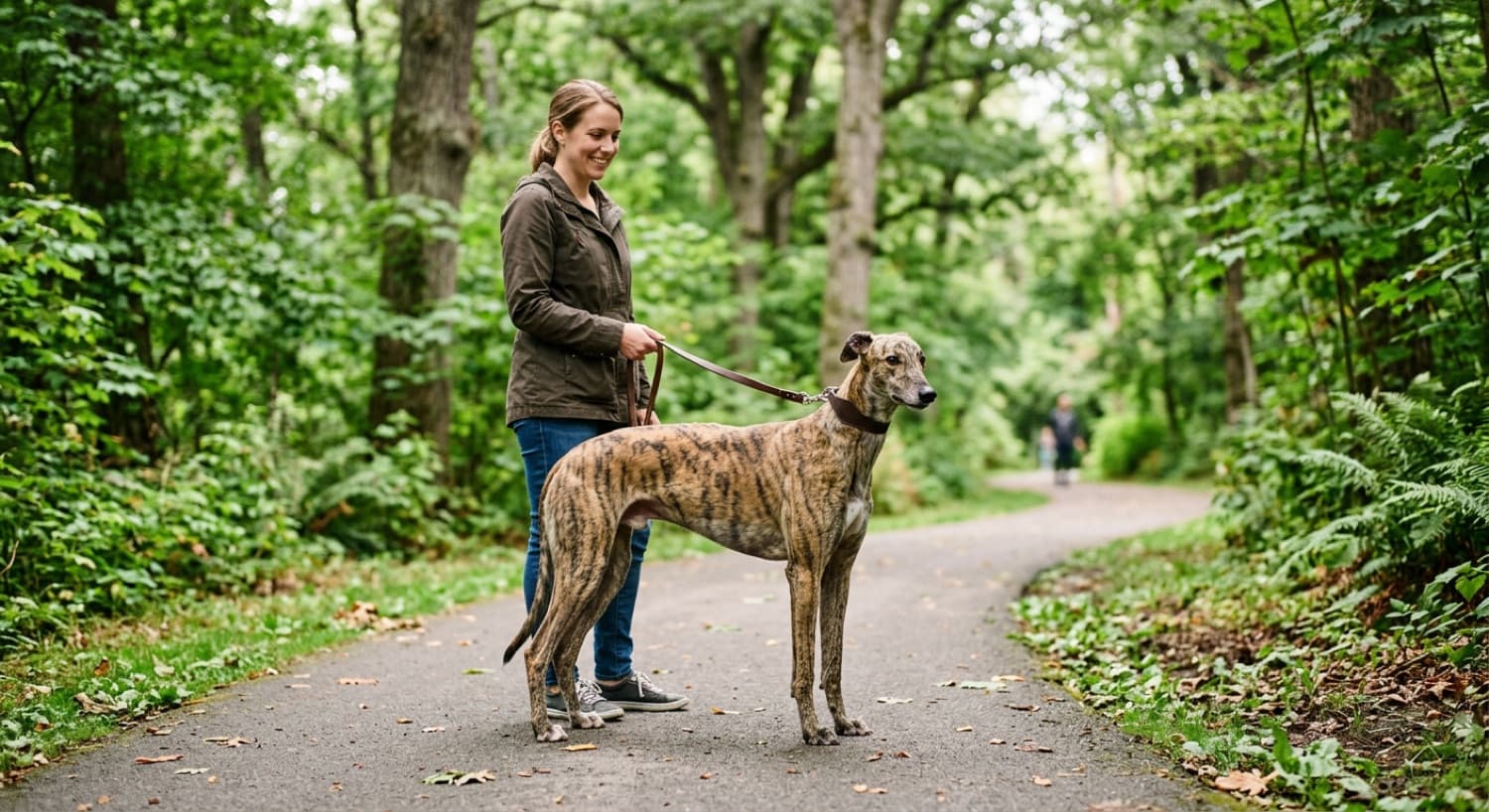
Where can I adopt a Greyhound in Vancouver?
Check the major Lower Mainland rescues: BC SPCA Vancouver, Loved at Last Dog Rescue, Langley Animal Protection Society (LAPS), Heart and Soul Dog and Cat Rescue, and Taco Dog Rescue Society, plus breed-specific Greyhound or sighthound rescues, usually the best source for the breed. Because dog racing is banned across Canada, Greyhounds are relatively uncommon in BC rescue, and many are retired US racers transported by Greyhound-adoption organizations. Browse currently available Greyhounds at LocalPetFinder's Greyhound breed page, and set an alert given their scarcity. Greyhound-specific rescues will give excellent guidance on prey drive and off-leash safety.
For the full Vancouver rescue landscape, see our best dog rescues in Vancouver guide, or browse every adoptable dog on the main Vancouver dog adoption listings.
Are Greyhounds good family and apartment dogs?
Yes, often surprisingly so, Greyhounds are one of the best-kept secrets for apartment living. Despite being the fastest breed (around 45 mph / 72 km/h), they are gentle, calm, quiet, and famously lazy couch potatoes that sleep 16 to 18 hours a day and are content with a couple of walks plus a short sprint. They are affectionate, sensitive, mild-mannered, typically excellent with people and gentle with children, and their calm, quiet nature and low exercise needs make them a wonderful fit for a Vancouver condo. The main caveats: a strong prey drive (many are not safe off-leash or with cats and small dogs, though cat-friendly Greyhounds exist and rescues test for it), thin skin and a lean build (they feel the cold and need a coat, which suits damp Vancouver), and a need for a soft bed since they have so little padding. For a calm household, a Greyhound is a gentle, easy companion.
Are Greyhounds high-energy dogs that need lots of exercise?
No, and this is the biggest and most delightful surprise about the breed. Greyhounds are sprinters, not endurance athletes: built for short bursts of incredible speed, not hours of activity, so despite their racing heritage they have modest exercise needs and are among the laziest dogs around the house. A couple of moderate daily walks plus the occasional chance to sprint in a securely fenced area is plenty, and they will happily sleep the rest of the day on a soft bed, they sleep 16 to 18 hours a day and are often called “45-mile-per-hour couch potatoes.” This makes them a fantastic fit for someone who wants a large, gentle, easy dog without the exercise demands of a working breed, a retired Greyhound asks far less of you than a Labrador or an Aussie. In Vancouver, a walk on the seawall and a run in a fenced dog park is a great routine.
Can I let a Greyhound off-leash in Vancouver?
Generally no, and this is the single most important safety rule of the breed. Greyhounds have a very strong prey drive and are the fastest breed (~45 mph), so a Greyhound that spots something to chase, a squirrel, rabbit, or small dog, can be gone in seconds and hundreds of metres away before you react, with roads and getting lost as serious dangers, and their recall is unreliable once in chase mode. On Vancouver trails, in open parks, and anywhere unfenced, an off-leash Greyhound is a real risk. The rule most Greyhound rescues insist on: never off-leash except inside a securely, fully fenced area. Keep the dog leashed in public, use a martingale collar (which Greyhounds cannot slip out of), and only run free in a fenced dog park or yard. This is not poor training; it is the breed's hardwired sighthound nature.
Our dedicated Greyhound off-leash and recall guide covers the prey drive, safe exercise, and the martingale-collar essentials in depth.
Why do Greyhounds end up in rescue?
The Greyhound rescue story is different from most breeds. Because dog racing is banned in Canada, the Greyhounds available here are largely retired racing dogs from US tracks (where racing has also been declining and closing), transported by Greyhound-adoption organizations that rehome them once their racing careers end, typically at two to five years old. So a rescue Greyhound is usually not a “problem dog” that was surrendered, it is a healthy young-to-middle-aged dog whose working life ended and who now needs a home. The upshot is that adopting a Greyhound is a genuinely feel-good rescue: you are giving a gentle, retired athlete a soft-bed retirement, and these dogs adapt beautifully to home life (though a track-raised Greyhound may need to learn about stairs, windows, and being a pet, which rescues help with).
How much does it cost to adopt a Greyhound in Vancouver?
Vancouver Greyhound rescue adoption fees range $400 to $700, with Greyhound-specific rescues that transport retired racers sometimes charging a bit more to cover transport and vetting, still far below a breeder. Fees include spay or neuter, vaccinations, microchip, dental work (retired racers often need it), and a vet workup. Annual care: roughly $1,500 to $2,500 per year, kept moderate by their modest food needs and generally good health. A few breed-specific notes: they need a warm coat for damp, cool Vancouver weather (thin skin, little body fat), a soft, well-padded bed (bony bodies get sores on hard surfaces), and awareness that the breed is sensitive to anaesthesia, so ensure your vet knows it is a sighthound before any procedure. Otherwise, a Greyhound is a relatively economical large dog to own.
| Source | Fee Range | What's Included |
|---|---|---|
| BC SPCA Vancouver | $300 to $500 | Spay or neuter, vaccines, microchip, vet check |
| Greyhound-specific rescue (retired racers) | $400 to $700-plus | Spay or neuter, vaccines, microchip, dental, transport, cat/small-dog assessment |
| Senior Greyhound (8+ years) | $300 to $500 | Same as above. Reduced fee. |
| Breeder puppy (rare in Canada) | $1,500 to $2,500 or more | Initial vaccines only |
Are Greyhounds good with cats and small dogs?
It varies a lot by the individual dog, because of the prey drive, so this is exactly the kind of thing to check with the rescue. Many Greyhounds have a strong prey drive from their racing background and may see cats, small dogs, or small animals as things to chase, which can be dangerous, but a significant number are genuinely “cat-friendly” or “small-dog-friendly,” and good Greyhound rescues specifically test and note this for each dog. So if you have a cat or small dog, do not rule out a Greyhound, work with a rescue to find one assessed as cat-safe or small-dog-safe, and follow their guidance on careful introductions. A muzzle is commonly used during the settling-in period and is completely normal for the breed, not a sign of aggression. With the right individual dog and sensible management, many Greyhounds live happily alongside cats and small dogs; the key is honest assessment of the specific dog.
Browse adoptable Greyhounds in Vancouver
Live inventory from Lower Mainland and Greyhound-specific rescues, including retired racers, each with a foster's notes on temperament and cat or small-dog compatibility. Give a gentle retired athlete a soft-bed retirement. Refreshed regularly.
See Available Greyhounds →Frequently Asked Questions
Where can I adopt a Greyhound in Vancouver?
BC SPCA Vancouver, the foster-based rescues, and especially breed-specific Greyhound rescues (usually retired US racers). They are uncommon in BC, so set an alert. Browse current listings at LocalPetFinder's Greyhound breed page.
Do they need lots of exercise?
No, they are sprinters, not endurance dogs, and famously lazy at home, sleeping 16 to 18 hours a day. A couple of walks plus an occasional fenced sprint is plenty. Great for people wanting a big, gentle, low-exercise dog.
Are they good apartment dogs?
Excellent. Calm, quiet, gentle, and low-energy, they suit Vancouver condos beautifully. Just provide a warm coat (thin skin), a soft bed (little padding), and keep them leashed outside secure fencing.
Can I let one off-leash?
Generally no. Strong prey drive plus 45-mph speed means a chasing Greyhound is gone in seconds with unreliable recall. Never off-leash outside secure fencing; use a martingale collar and a leash in public. It is the breed's nature, not bad training.
Adoption cost in Vancouver?
$400 to $700-plus from rescues (breed-specific groups a bit more for transport). Annual care $1,500 to $2,500, kept moderate by good health and modest appetite. Budget for a coat, a soft bed, and anaesthesia awareness at the vet.
Are they good with cats and small dogs?
It depends on the individual, because of the prey drive. Many are cat-safe or small-dog-safe, and good rescues test and note this per dog. If you have a cat or small dog, find an assessed one and follow the rescue's introduction guidance.
Related Vancouver guides
Adoptable Greyhounds in Vancouver
All currently available Greyhounds and mixes with foster notes on temperament and cat/small-dog safety. Updates regularly.
Greyhound Off-Leash Safety and Recall
Why sighthounds chase, safe fenced running, martingale collars and harnesses, and recall training.
Greyhound Health Issues: Bone Cancer, Bloodwork
Greyhound health issues to plan for: bone cancer, bloodwork that reads differently from other dogs, anaesthesia and cold, teeth, glaucoma and bloat.
Best Dog Rescues in Vancouver
Every Vancouver-area rescue reviewed on cost, wait time, and best fit by adopter type.
New dog? Start with these care guides
Everything a new adopter needs to set up a safe, happy home.