The short answer
Havanese turn up in BC rescue periodically (less often than some breeds, including some seniors), so set alerts and connect with small-breed rescues. Check BC SPCA Vancouver and the foster-based rescues. Adoption fee: $350 to $700 versus $1,800 to $3,500-plus from a breeder. They are affectionate, playful, intelligent, people-loving velcro dogs, excellent for apartments, great with kids, trainable, and not overly barky, with moderate exercise needs, and are genuinely low-shedding (popular with some allergy sufferers, though no dog is truly hypoallergenic). The trade-offs: a high-maintenance long silky coat needing frequent professional grooming (every 4 to 8 weeks; the loose hair stays in the coat and mats), and a strong need for companionship (prone to separation anxiety). Vancouver's mild climate suits them.
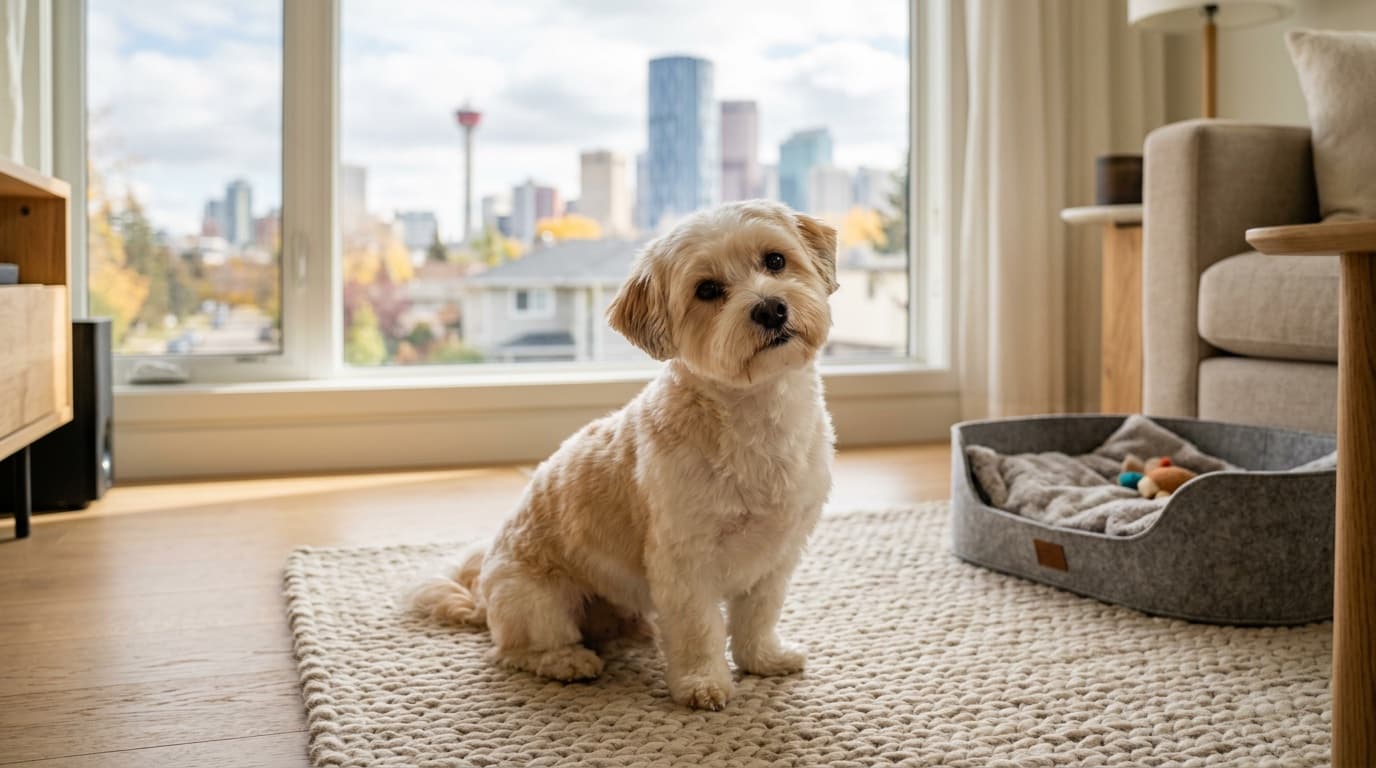
Where can I adopt a Havanese in Vancouver?
Check the major Lower Mainland rescues: BC SPCA Vancouver, Loved at Last Dog Rescue, Langley Animal Protection Society (LAPS), Heart and Soul Dog and Cat Rescue, Taco Dog Rescue Society, and Furever Freed Dog Rescue, plus small-breed rescues. Purebred Havanese are less common, but they and Havanese mixes turn up periodically, so alerts help. Browse currently available Havanese at LocalPetFinder's Havanese breed page. The foster notes on coat condition, any eye, ear, or dental issues, and temperament are worth reading. The Havanese Fanciers of Canada Rescue is a national breed-specific resource.
For the full Vancouver rescue landscape, see our best dog rescues in Vancouver guide, or browse every adoptable dog on the main Vancouver dog adoption listings.
Are Havanese good family and apartment dogs?
Yes, Havanese are excellent family and apartment dogs, one of the best companion breeds for city and apartment living. The national dog of Cuba, the Havanese is affectionate, playful, friendly, intelligent, and intensely people-oriented, a true velcro dog that bonds closely and wants to be with its family constantly. Typically great with children and good with other pets, their small size, moderate energy, adaptable nature, and low-shedding coat suit apartments and smaller homes, ideal for many Vancouver dwellers, and popular with families, seniors, and singles. They are also quite trainable (intelligent and eager to please, excelling at tricks and dog sports) and generally not excessively barky.
The main considerations: they thrive on companionship and do best where they will not be left alone all day (as velcro dogs, prone to separation anxiety); and they need real grooming (the long, silky coat requires regular brushing and professional grooming). But temperamentally the Havanese is close to an ideal companion and apartment dog. For anyone wanting a loving, people-oriented, low-shedding, apartment-friendly small dog and willing to handle the grooming and provide companionship, a Havanese is a delightful choice. Our grooming guide covers the coat commitment in depth.
Are Havanese hypoallergenic and low-shedding?
Havanese are one of the breeds most often described as hypoallergenic and low-shedding, and there is real truth to this. Their long, silky, low-shedding coat catches its shed hair rather than dropping it into the environment (part of why grooming is essential to prevent matting), so they are genuinely low-shedding and often recommended for people who want a dog that does not leave hair everywhere. This also makes them a popular choice for some allergy sufferers, as they release less dander and hair, and the Havanese is frequently listed among breeds that may suit allergy sufferers.
The important caveat: no dog is truly 100 percent hypoallergenic, allergies are triggered by dander, saliva, and other factors, not just shed hair, and reactions are individual, so while many allergy sufferers do well with a Havanese, some may still react. If allergies are a concern, spend time with the specific dog before adopting. The bottom line: Havanese are genuinely low-shedding (a real plus for cleanliness and for many allergy sufferers), but low-shedding is not the same as no grooming, the silky coat requires significant regular grooming precisely because the hair does not shed out, and no dog is a guaranteed allergy solution.
Can Havanese handle Vancouver's climate?
Vancouver's mild, temperate climate suits a Havanese well, with the main consideration being coat care in the damp. Despite originating in tropical Cuba, the Havanese's coat provides reasonable protection and they adapt well to cooler climates, handling Vancouver's cool weather comfortably (a small dog with a fine coat, especially in a shorter clip, appreciates a coat on very cold, wet days). The bigger consideration is coat and skin care in the wet: the long, silky coat is prone to matting (especially since shed hair stays in the coat), and moisture makes it worse, so drying thoroughly after wet, muddy walks and keeping up regular brushing and grooming is important.
Havanese love being cozy indoors with their people, so the wet winters are more a coat-care consideration than a comfort problem. As their tropical origin suggests, they can be somewhat heat-sensitive, so during summer heat waves the usual care applies (keep cool, provide water, exercise in cooler hours), though as small indoor dogs heat management is straightforward, and Vancouver rarely gets extreme heat. Overall, the mild coastal climate is comfortable for a Havanese, and the main practical consideration is diligent coat care and drying in the wet to keep the high-maintenance coat healthy and mat-free.
Why do Havanese end up in rescue?
Havanese end up in rescue less often than some breeds (cherished companion dogs), but they do for a mix of reasons, largely related to the grooming commitment and life circumstances rather than temperament problems. Common causes: owners underestimating the grooming commitment (the long, silky coat needs regular professional grooming and diligent home brushing, and neglected coats mat badly); the breed's potential health issues (eye and other conditions) and costs; the separation-anxiety tendency (a velcro dog left alone too much can develop anxiety); and general life changes (moves, finances, illness, and, given the breed's popularity with seniors, situations where an elderly owner can no longer care for the dog).
Havanese from puppy mills or backyard breeders are also more likely to have issues and be surrendered, and senior Havanese are seen in rescue. A rescue Havanese is usually a sweet, affectionate, delightful dog whose owners could not keep up with the grooming or care, or whose circumstances changed, and adopting one, including a senior, is a great way to give a lovely little dog a home. In a household willing to handle the grooming and provide companionship, a rescue Havanese typically thrives.
How much does it cost to adopt and keep a Havanese in Vancouver?
Vancouver Havanese rescue adoption fees typically range $350 to $700, well under the $1,800 to $3,500-plus a breeder charges. Fees include spay or neuter, vaccines, microchip, and a vet check. Ongoing costs for a small dog are otherwise modest, but grooming is the main recurring expense: regular professional grooming (every 4 to 8 weeks for the long, silky coat, unless kept in a shorter clip) is a real ongoing cost unless you DIY, and one of the defining ongoing costs. On health, Havanese are generally fairly healthy and long-lived but can be prone to eye conditions (cataracts, PRA), patellar luxation, hip issues (Legg-Calve-Perthes), heart conditions, deafness in some lines, and dental issues, so a vet fund and insurance are sensible.
Add quality small-breed food, routine care, and preventatives. A Havanese is affordable to acquire and cheap to feed and exercise, but the grooming (frequent professional grooming plus home care) and the potential health costs are the main ongoing financial considerations.
| Source | Fee Range | What's Included |
|---|---|---|
| BC SPCA Vancouver | $300 to $550 | Spay or neuter, vaccines, microchip, vet check |
| Foster-based & small-breed rescues | $400 to $700 | Spay or neuter, vaccines, microchip, foster temperament and coat notes |
| Senior Havanese | $200 to $500 | Same as above. Reduced fee; health disclosed. |
| Breeder puppy | $1,800 to $3,500 or more | Initial vaccines only; frequent grooming still substantial |
Browse adoptable Havanese in Vancouver
The breed sometimes has lovely seniors available who make mellow, affectionate companions. Each rescue Havanese comes vet-checked with a foster's notes on coat and temperament. Refreshed regularly.
See Available Havanese →Frequently Asked Questions
Where can I adopt a Havanese in Vancouver?
BC SPCA Vancouver, the foster-based rescues, small-breed rescues, and the national Havanese Fanciers of Canada Rescue. Purebreds are less common, so set alerts. Browse current listings at LocalPetFinder's Havanese breed page.
Are they good family and apartment dogs?
Excellent at both, one of the best apartment breeds. Affectionate, playful, trainable velcro dogs, great with kids and pets, and not overly barky. Just handle the grooming and provide companionship (prone to separation anxiety as devoted velcro dogs).
Are they hypoallergenic and low-shedding?
Genuinely low-shedding, the loose hair stays in the coat rather than shedding out, which is why grooming matters. Popular with some allergy sufferers, but no dog is truly hypoallergenic, so meet the specific dog if allergies are a concern. Low-shedding does not mean low-grooming.
Can they handle Vancouver's climate?
Well, despite their tropical origin they adapt to cool weather and love being cozy indoors. The main consideration is coat care, the silky coat mats, and damp makes it worse, so dry thoroughly after wet walks. Somewhat heat-sensitive, but easy to keep cool as small indoor dogs.
Why do they end up in rescue?
Less often than some breeds, but reasons include the grooming commitment (neglected coats mat badly), health costs, the separation-anxiety tendency, life changes, and mill breeding. Seniors are seen in rescue. A rescue Havanese, including a senior, is usually a sweet, delightful companion.
Cost to adopt and keep one?
$350 to $700 from rescues versus $1,800 to $3,500-plus from breeders. Cheap to feed and exercise, but grooming (professional every 4 to 8 weeks) is the main recurring cost, plus potential eye, joint, and dental health care. A vet fund or insurance is sensible.
Related Vancouver guides
Adoptable Havanese in Vancouver
All currently available Havanese and Havanese mixes with foster notes. Updates regularly.
Havanese Health Issues: Knees, Eyes, Teeth
Havanese health issues to plan for: slipping kneecaps, hips and eye disease (the breed club’s recommended tests), dental disease, skin problems and young-dog limping.
Havanese Grooming: Brushing, Mats and Puppy Cuts
Line brushing a long, soft, non-shedding coat, preventing mats, puppy cuts, ears, eyes and nails.
Best Dog Rescues in Vancouver
Every Vancouver-area rescue reviewed on cost, wait time, and best fit by adopter type.
New dog? Start with these care guides
Everything a new adopter needs to set up a safe, happy home.