The short answer
Newfoundlands are uncommon in BC rescue (mixes turn up more often), so set alerts and connect with giant-breed rescues. Check BC SPCA Vancouver and the foster-based rescues. Adoption fee: $400 to $800 versus $2,000 to $4,000-plus from a breeder. Temperamentally they are near-ideal gentle giants, sweet, patient, wonderful with kids, and calm. The caveats are practical and significant: giant size (100 to 150-plus lbs), heavy drool and shedding, a substantial grooming commitment, heat sensitivity, and high giant-breed vet and food costs. Vancouver's cool, wet climate is close to ideal for them (they love water), though summer heat needs managing. A special companion for a home that can handle the size and cost.
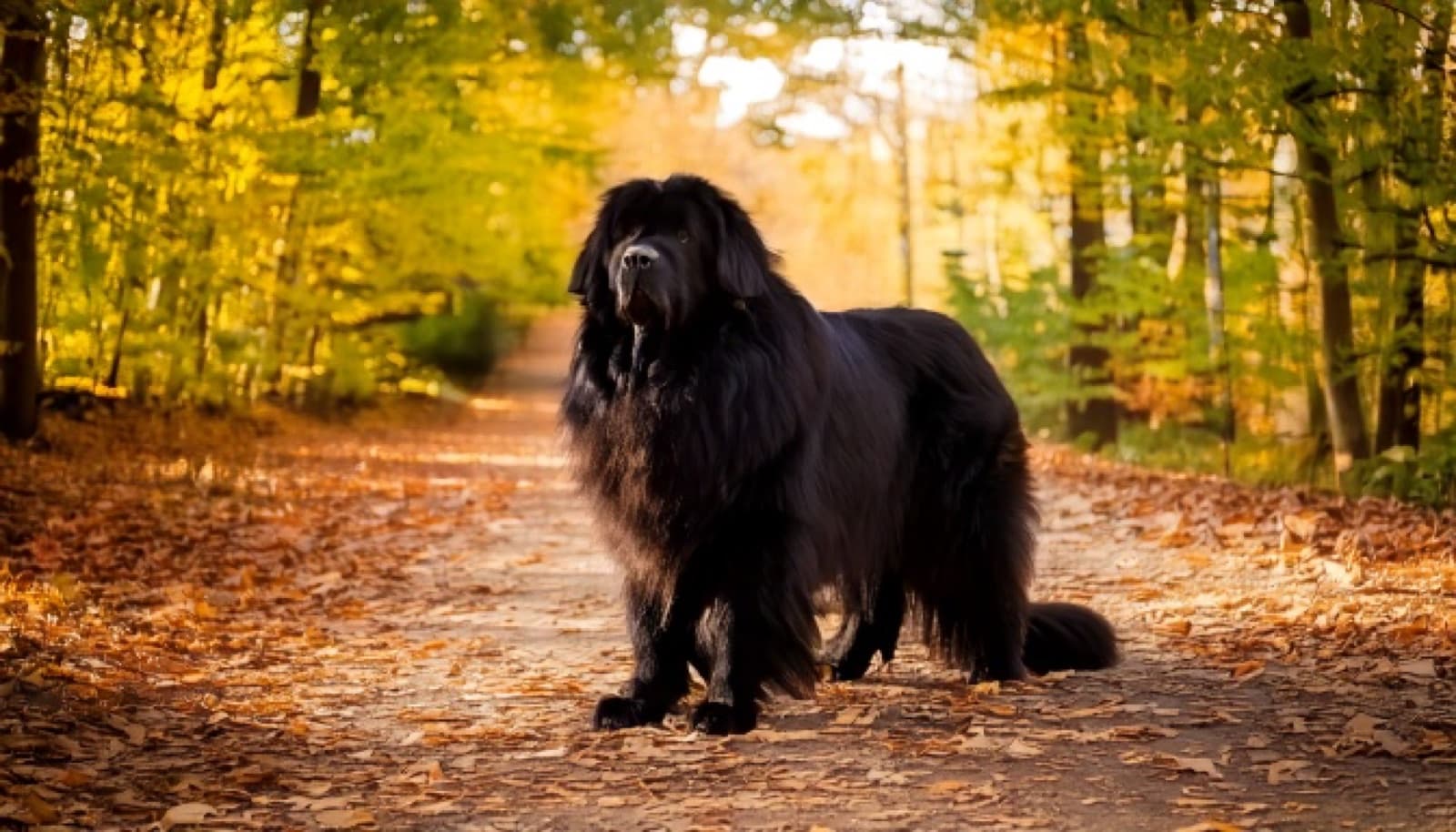
Where can I adopt a Newfoundland in Vancouver?
Check the major Lower Mainland rescues: BC SPCA Vancouver, Loved at Last Dog Rescue, Langley Animal Protection Society (LAPS), Heart and Soul Dog and Cat Rescue, and Furever Freed Dog Rescue, plus Newfoundland-specific or giant-breed rescues. Purebreds are uncommon, so alerts and connecting with giant-breed rescues help; mixes turn up more often. Browse currently available Newfoundlands and Newfoundland mixes at LocalPetFinder's Newfoundland breed page. The foster notes on coat condition, joint or mobility issues, and temperament are worth reading.
For the full Vancouver rescue landscape, see our best dog rescues in Vancouver guide, or browse every adoptable dog on the main Vancouver dog adoption listings.
Are Newfoundlands good family dogs?
Yes, Newfoundlands are famously wonderful family dogs, the classic gentle giant, renowned for their sweet, patient, gentle, and devoted temperament. They are typically excellent with children (a well-earned reputation as a patient nanny dog), usually good with other pets, and deeply bonded and affectionate. Their calm, mellow disposition makes them lovely companions, generally gentle and easygoing rather than boisterous despite their size.
The caveats are practical and significant: a giant breed (often 100 to 150-plus lbs) means everything is big, the space, the food, the vet costs, and the strength (even a gentle Newfoundland can knock over a small child simply by being large, so supervision with very young kids and consideration of the size matter). They also drool considerably, shed heavily, need substantial grooming, are heat-sensitive, and have the shorter lifespan and health considerations common to giant breeds. So while temperamentally near-ideal, the breed suits a family with the space, budget, and willingness to manage a giant, drooling, heavy-coated dog. Our grooming, drool, and heat guide covers those practical realities in depth.
How much exercise and space does a Newfoundland need?
Newfoundlands have moderate exercise needs but substantial space needs. Despite their working heritage, adult Newfoundlands are relatively low-to-moderate energy and do not need extreme exercise, a couple of daily walks and some activity suffice, and they love swimming (superb swimmers with webbed feet). Moderate exercise keeps the dog fit and lean, but this is not a high-energy breed. Do not over-exercise a puppy or young dog, giant breeds grow slowly and their joints are vulnerable, so keep puppy exercise moderate.
Space is where Newfoundlands are demanding: they are enormous and need room, a large comfortable resting area, and ideally a house with space, a yard, and access to swimming rather than a small apartment (a calm adult can manage a smaller space if its needs are met, but the sheer size makes a house a much better fit). In Vancouver, the mild climate and access to water and trails suit the breed's moderate exercise and swimming preferences well.
Can Newfoundlands handle Vancouver's climate?
Vancouver's cool, temperate, wet climate is genuinely well-suited to a Newfoundland, one of the breed's better geographic matches. Bred in the cold, wet maritime climate of Newfoundland as water working dogs, they are built for exactly this weather, a heavy, water-resistant double coat that thrives in cool, damp conditions, handling Vancouver's wet winters with ease (many love the rain and water). The damp means diligent coat care and drying, and their love of water plus Vancouver's wet conditions means a lot of wet, muddy dog to manage.
The critical caveat is heat: the heavy coat makes them very heat-sensitive, and they can overheat dangerously, so summer heat waves require real care, keep the dog cool and indoors with AC, provide shade and water (swimming is great cooling), exercise in the cool hours, and never over-exert a Newfoundland in heat or leave it in a warm car. Never shave the coat to cool the dog, it helps regulate temperature; manage heat through environment and timing. Overall, Vancouver's cool, wet climate is close to ideal, with summer heat the main thing to manage.
Why do Newfoundlands end up in rescue?
Newfoundlands end up in rescue for reasons largely related to the practical demands of a giant breed rather than temperament problems. Common causes: owners underestimating the size and space requirements, the substantial cost of feeding, grooming, and giant-breed veterinary care, the grooming commitment, and the giant-breed health issues (joint problems, heart conditions) that can be expensive and emotionally difficult. Sometimes owners cannot manage the physical demands (moving an injured or elderly Newfoundland is a real challenge), or life changes make keeping a giant dog impossible.
Newfoundlands from puppy mills or backyard breeders are also more likely to have problems and be surrendered, and the breed's shorter giant-breed lifespan and the cost of its health issues mean some end up in rescue as seniors or with health needs. A rescue Newfoundland is usually a wonderful, gentle dog whose owners simply could not manage the practical demands, and in a home with the space, budget, and willingness to care for a big dog, they make deeply rewarding companions, adopting a Newfoundland, including a senior, is a genuinely meaningful thing to do.
How much does it cost to adopt and keep a Newfoundland in Vancouver?
Vancouver Newfoundland rescue adoption fees typically range $400 to $800, well under the $2,000 to $4,000-plus a breeder charges. Fees include spay or neuter, vaccines, microchip, and a vet check. But the honest reality is that Newfoundlands are expensive to own, and giant-breed ongoing costs are substantial: they eat a great deal, giant-breed vet care and weight-dosed medication cost significantly more, professional grooming (or a serious time-and-equipment investment) is a real recurring expense, and the breed is prone to costly issues, hip and elbow dysplasia, heart conditions, bloat, and cystinuria (a bladder-stone condition), so a substantial vet fund and pet insurance are strongly advisable.
Add quality large-breed food, sturdy giant-sized equipment, and the general higher cost of everything for a big dog. A Newfoundland is affordable to acquire through rescue, but genuinely one of the more expensive breeds to own responsibly, so go in with a clear understanding of the giant-breed budget.
| Source | Fee Range | What's Included |
|---|---|---|
| BC SPCA Vancouver | $300 to $600 | Spay or neuter, vaccines, microchip, vet check |
| Foster-based & giant-breed rescues | $500 to $800 | Spay or neuter, vaccines, microchip, foster health and temperament assessment |
| Senior Newfoundland | $250 to $500 | Same as above. Reduced fee; health disclosed. |
| Breeder puppy | $2,000 to $4,000 or more | Initial vaccines only; giant-breed ongoing costs still very high |
Browse adoptable Newfoundlands in Vancouver
Adopting a giant breed, including a senior, is deeply rewarding. Each Lower Mainland rescue Newfoundland comes vet-checked with a foster's notes on health and temperament. Refreshed regularly.
See Available Newfoundlands →Frequently Asked Questions
Where can I adopt a Newfoundland in Vancouver?
BC SPCA Vancouver, the foster-based rescues, and giant-breed rescues. Purebreds are uncommon, so set alerts; mixes turn up more often. Browse current listings at LocalPetFinder's Newfoundland breed page.
Are they good family dogs?
Famously so, the gentle giant, sweet, patient, and wonderful with kids. Temperamentally near-ideal. The caveats are practical: the giant size (supervise around small children), heavy drool and shedding, grooming, heat sensitivity, and high costs. Best for a family with space and budget.
How much exercise and space do they need?
Moderate exercise (a couple of walks plus swimming, they love water), but substantial space, they are enormous and do best with a house and ideally a yard. Do not over-exercise puppies given the vulnerable growing joints. Vancouver's water and trails suit them.
Can they handle Vancouver's climate?
Genuinely well, they were bred for a cold, wet maritime climate and thrive in Vancouver's cool, wet winters (many love the rain and water). Dry the coat to prevent matting. The caveat is heat: the heavy coat makes them very heat-sensitive, so manage summer heat carefully and never shave.
Why do they end up in rescue?
Mostly the practical demands of a giant breed, size, space, feeding and vet costs, grooming, and expensive health issues, plus owners unable to manage the physical demands, and life changes. A rescue Newfoundland in a home with space and budget is deeply rewarding.
Cost to adopt and keep one?
$400 to $800 from rescues versus $2,000 to $4,000-plus from breeders. But this is one of the more expensive breeds to own, big food bills, high giant-breed vet care, recurring grooming, and costly health risks (joints, heart, bloat, cystinuria). A substantial vet fund and insurance are strongly advisable.
Related Vancouver guides
Adoptable Newfoundlands in Vancouver
All currently available Newfoundlands and Newfoundland mixes with foster notes. Updates regularly.
Newfoundland Dog Health Issues: Heart, Joints
Newfoundland dog health issues to plan for: subaortic stenosis and dilated cardiomyopathy, cruciate and hip problems, cystinuria, bloat and heat.
How to Groom a Newfoundland
A Newfoundland grooming guide: why you never shave, the hours-long brush-out, the oily water-resistant coat, drying to the skin, drool, and the honest cost.
Best Dog Rescues in Vancouver
Every Vancouver-area rescue reviewed on cost, wait time, and best fit by adopter type.
New dog? Start with these care guides
Everything a new adopter needs to set up a safe, happy home.