The short answer
No breed ban in BC. No pit ban in Vancouver. Pit-type dogs are fully legal. The barriers are private. Under the Strata Property Act, a strata can restrict dogs by breed, size, or number, and many Metro Vancouver stratas do. Under the Residential Tenancy Act, a landlord can set pet terms in the tenancy agreement. Read the strata bylaws AND the rental pet clause before you adopt, because a strata bylaw overrides even a pet-friendly landlord. Insurance: some home and tenant insurers exclude or surcharge pit-type dogs on liability coverage, so ask your insurer or broker in writing before adopting. Standalone dog liability policies exist as a backstop. Find housing first: target houses, non-strata rentals, and independent landlords; build a pet resume; expand to Surrey, Langley, and the Tri-Cities. Adopt through BC SPCA, Loved at Last, Langley APS, or Heart and Soul, which screen for housing fit. Moving: fine within BC, AB, SK, MB, and most Maritimes; do not move to Ontario with a pit-type dog.
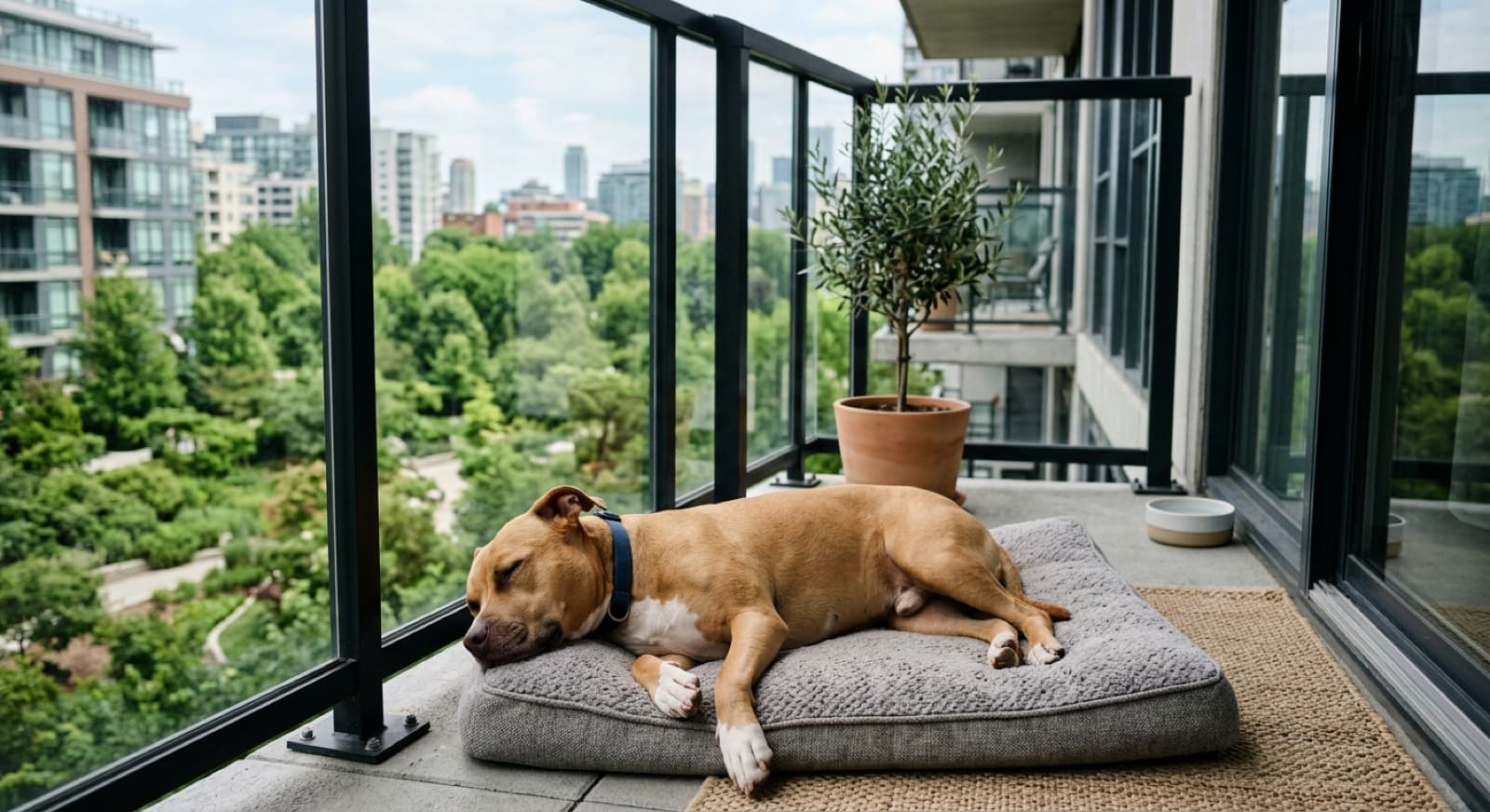
Confirm housing + insurance BEFORE you adopt
The biggest cause of pit-type surrenders in BC is a housing or insurance problem discovered after the dog is already home. Get the strata bylaws, get the rental pet clause, and ask your insurer about pit-type liability coverage, all in writing, with the breed named, before you commit. A two-week verification delay is worth preventing one surrender.
Are Pit Bulls legal in Vancouver and BC?
Yes. British Columbia has no province-wide breed-specific legislation, and Vancouver has no pit bull ban.
American Pit Bull Terriers, American Staffordshire Terriers, Staffordshire Bull Terriers, American Bullies, and pit-type mixes are legal to own across the province.
BC regulates dogs by behaviour, not breed. Vancouver and most Metro Vancouver municipalities use “dangerous dog” or “aggressive dog” designations that apply to any dog with a documented bite or aggression history, regardless of breed. The BC SPCA opposes breed-specific legislation and supports behaviour-based dog regulation, which reflects the approach BC takes.
The practical takeaway: legally adopting a pit-type dog in Vancouver is no different from adopting any other breed. The real restrictions come from private parties: strata corporations, landlords, and some insurers. The rest of this guide is about navigating those.
A handful of BC municipalities have minor local dog bylaws. If you live outside Vancouver proper, check your city's dog control bylaw. None of this is a breed ban, but it is worth confirming.
Can a strata corporation ban my Pit Bull in BC?
Often yes. Under the Strata Property Act, a strata can pass bylaws restricting pets by number, size, weight, or breed, and many Metro Vancouver stratas do.
A strata bylaw is not the same as a rental pet clause. It is registered against the strata and binds every owner and tenant in the building. Common forms:
- No dogs at all
- A weight limit (often framed in pounds or kilograms) that quietly screens out most adult pit-type dogs
- A limit on the number of pets
- Specific breeds named and prohibited
Before you adopt or buy into a strata, read the current bylaws and rules in full. Ask the strata or property manager for:
- The registered strata bylaws and rules
- The Form B Information Certificate
- Any pet application or pet registration process
Do not rely on a verbal “dogs are fine.” If a strata bylaw prohibits your dog, the strata can fine you and seek an order to remove the dog. Restrictions discovered after you move in are a common reason pit-type dogs get surrendered in Vancouver.
If a strata pet dispute arises, the Civil Resolution Tribunal handles strata bylaw matters in BC and publishes guidance. Confirm with the strata before you commit, and if anything is unclear, get it in writing.
Can a landlord refuse to rent to me because I have a Pit Bull?
In most cases yes. Under the Residential Tenancy Act, a landlord can choose whether to allow pets and can set conditions, including breed or size restrictions, in the tenancy agreement.
A landlord can also charge a pet damage deposit up to half a month's rent. If a tenancy agreement says no pets, or restricts pit-type breeds, that term generally applies.
The exception worth knowing: in a strata rental, the strata's own pet bylaws sit on top of the landlord's preferences. Even a pet-friendly landlord cannot override a strata bylaw that bans the breed.
The Vancouver reality: pit-friendly rentals exist, but they take longer to find than rentals for a small or neutral breed. Plan for a longer search. Use a pet resume, target independent landlords and house rentals over large professionally-managed towers, and be upfront about the breed. Never hide it. Discovery later can mean eviction.
The Residential Tenancy Branch is the authority on what a BC landlord can and cannot include in a tenancy agreement. Confirm anything unusual with them rather than guessing.
Strata bylaw vs rental pet clause: check both
They are two separate sources of restriction, and a strata bylaw is the stricter ceiling. A pet-friendly landlord cannot waive a strata breed ban.
| Strata bylaw | Rental pet clause | |
|---|---|---|
| Source | Strata Property Act | Residential Tenancy Act |
| Set by | The strata corporation | Your landlord |
| Binds | Every owner and tenant in the building | You and your landlord, for that unit |
| Applies to a house rental? | No (no strata) | Yes |
| Applies to a strata rental? | Yes | Yes (both apply) |
| Can the other party override it? | No. It is the ceiling. | No, but the strata bylaw can be stricter |
The order to check, before adopting: confirm the strata bylaws first (if there is a strata), then confirm the tenancy pet clause. If either one prohibits your dog, that unit will not work, no matter how welcoming the other party is.
How do I find pit-friendly housing in Metro Vancouver?
Treat it as a project that starts before you adopt, not after. Plan for a longer search than a non-bully adopter, and run the housing conversation in parallel with the adoption application.
- Decide rent versus own. A detached house or a non-strata rental gives you the fewest breed restrictions. Strata living is where most pit-type restrictions live
- Read the fine print first. For a rental, get the pet clause in the tenancy agreement before you fall in love with a dog. For a purchase or strata rental, get the registered strata bylaws and rules
- Build a pet resume (covered in detail below): records, references, calm photos
- Target the right stock. Independent landlords, basement and laneway suites, older walk-ups, and houses tend to be more flexible than newer strata towers
- Lean on the rescue. BC SPCA and foster-based rescues like Loved at Last and Heart and Soul screen for housing fit before placement and can sometimes provide a landlord reference
- Expand your radius. Surrey, Langley, Maple Ridge, and the Tri-Cities often have more pet-flexible housing than dense central Vancouver
- Offer the pet damage deposit up front as goodwill (legal in BC, up to half a month's rent)
For broader pet-rental strategy that applies to any breed, our Vancouver rescue guide covers which rescues screen hardest for housing fit, which helps your application.
Will my home or tenant insurance still cover me?
Not always, so ask before you adopt. Some home and tenant insurers exclude pit-type breeds from liability coverage, surcharge them, or decline to renew. Others cover all breeds with no questions asked. There is no single rule.
Home and tenant (renter) insurance in BC usually includes personal liability coverage, which is what would respond if your dog injured someone. That liability coverage is where the breed question lives.
Before you adopt, call your insurer or broker and ask directly:
“Does my policy cover personal liability if I add an American Pit Bull Terrier / Staffordshire Bull Terrier / pit-type mix to my household?”
Get the answer in writing. Possible outcomes:
- Full coverage, no breed restriction
- Covered with a surcharge or a rider
- Covered, but with a reduced liability limit
- Excluded, or the policy will not renew with the dog
If your current insurer excludes pit-type dogs, an independent broker can shop the market for you, and standalone dog liability (canine liability) policies exist as a backstop. Keep insurer names and figures out of this and ask a broker, because coverage and pricing change and vary by policy.
Pet health insurance is a separate product from liability. Many pet health insurers are breed-neutral, but always verify breed acceptance and coverage for breed-relevant conditions (skin, hips, cardiac) before enrolling. Enrol before any vet visit documents a condition, because pre-existing conditions are excluded across Canadian pet insurers.
How do I prepare for the landlord or strata conversation?
Most BC landlords and strata councils react to reputation, not to the individual dog. Your job is to make the dog an individual.
Build a pet resume (a short PDF) with:
- The dog's name, breed, age, weight, and spay or neuter status
- Vaccination and microchip records
- Any training certificates or a rescue temperament assessment
- References from previous landlords or neighbours
- Calm everyday photos (not action shots, not anything that reads as “tough”)
- Proof of liability coverage if you have it, plus your municipal dog licence
Conversation strategy:
- Lead with your own track record as a tenant (“X years, no complaints”)
- Introduce the dog calmly, then offer a meet-and-greet so they see a settled adult, not a label
- Be honest about the breed every time
- For a strata, ask about the pet application process and submit cleanly
- For a rental, offer the pet damage deposit up front
Expect several conversations before a yes, and do not take rejection personally. It is common, and it is not about you or your dog. Numbers, preparation, and persistence matter more than any single argument.
Where to adopt, and which rescues help with housing
Pit-type dogs and mixes appear regularly in Metro Vancouver rescues, and foster-based rescues are especially useful for pit-type adopters because the foster can describe the dog's real temperament, which is exactly what a strata or landlord wants to hear.
Start with:
- BC SPCA Vancouver: general rescue, carries pit-type dogs, opposes breed-specific legislation
- Loved at Last Dog Rescue: foster-based, detailed temperament notes
- Langley Animal Protection Society (LAPS)
- Heart and Soul Dog and Cat Rescue: foster-based
- HugABull: a BC bully-breed advocacy and rescue group with pit-type-specific support and education
Many of these rescues screen for housing fit before placement, so they will not knowingly place a dog into a strata or rental that bans the breed. That screening protects both you and the dog, and the foster temperament assessment is the single most useful document for your housing conversation.
Browse all currently available Vancouver pit-type dogs and mixes on LocalPetFinder's Pit Bull breed page, or see every adoptable dog from Lower Mainland rescues on the main Vancouver listings. Listings update regularly.
What if I move out of BC with my Pit Bull?
Provincial differences matter more than people expect. The one rule to remember: do not move to Ontario with a pit-type dog.
Pit-friendly provinces (no province-wide breed ban): BC, Alberta, Saskatchewan, Manitoba, and most Maritime provinces. Some municipalities within them have local bylaws worth checking.
The major exception is Ontario, which has long-standing provincial restrictions on pit-type dogs. You generally cannot move to Ontario with a pit-type dog acquired under the restricted rules. Plan to stay in a pit-friendly province, or arrange the dog's situation well before any Ontario move.
Across the US border: most states have no statewide breed ban, but some cities have local rules, so verify the destination city.
The safe sequence for any move: confirm the law, then confirm housing, then confirm insurance, then move. Never assume a pit-type dog can relocate the way another breed can.
Browse adoptable Pit Bulls in Vancouver
Live inventory from Lower Mainland rescues, with foster temperament notes that strengthen your strata or landlord application. Refreshed regularly.
See Available Pit Bulls →Frequently Asked Questions
Are Pit Bulls legal in Vancouver and BC?
Yes. No province-wide breed ban in BC, no pit ban in Vancouver. BC regulates dogs by behaviour, not breed. Restrictions come from private parties (strata, landlords, insurers), not law. Check your municipal dog bylaw if outside Vancouver proper.
Can a strata ban my Pit Bull?
Often yes. Under the Strata Property Act, a strata can restrict pets by breed, size, weight, or number, and the bylaw binds every owner and tenant. Read the registered bylaws and Form B before adopting or buying. A strata bylaw overrides a pet-friendly landlord.
Can a landlord refuse my Pit Bull?
In most cases yes. Under the Residential Tenancy Act, a landlord sets pet terms in the tenancy agreement and can charge a pet damage deposit up to half a month's rent. Get the pet clause before adopting and never hide the breed. Confirm unusual terms with the Residential Tenancy Branch.
Strata bylaw vs rental pet clause?
Two separate sources. The strata bylaw (Strata Property Act) binds the whole building and is the stricter ceiling. The rental pet clause (Residential Tenancy Act) is set by your landlord for your unit. In a strata rental, both apply. Check the strata bylaw first, then the pet clause.
Will my home or tenant insurance cover a Pit Bull?
Not always. Some BC home and tenant insurers exclude or surcharge pit-type breeds on liability coverage; others are breed-neutral. Ask your insurer or broker in writing before adopting. Standalone dog liability policies exist as a backstop. Pet health insurance is a separate product.
How do I find pit-friendly housing?
Start before adopting. Target houses, non-strata rentals, and independent landlords; read strata bylaws and pet clauses first; build a pet resume; lean on rescues that screen for housing fit; and expand to Surrey, Langley, and the Tri-Cities. Expect a longer search than a non-bully adopter.
How do I prepare for the landlord or strata conversation?
Build a pet resume (records, references, calm photos, licence, liability proof). Lead with your tenant track record, introduce the dog calmly, offer a meet-and-greet, and be honest about the breed. Expect several conversations before a yes. Numbers and preparation beat arguments.
Which Vancouver rescues help with pit-type housing?
BC SPCA, Loved at Last, Langley APS, and Heart and Soul carry pit-type dogs and many screen for housing fit before placement. HugABull is a BC bully-breed advocacy and rescue group. Foster-based rescues give you a temperament assessment, the most useful document for a strata or landlord.
Moving out of BC with a Pit Bull?
Fine within BC, AB, SK, MB, and most Maritimes (check municipal bylaws). Do not move to Ontario with a pit-type dog acquired under the restricted rules. Confirm law, then housing, then insurance, then move. Verify US destination cities individually.
The full Pit Bull cluster
Adoptable Pit Bulls in Vancouver
All currently available pit-type dogs and mixes from Lower Mainland rescues. Updates regularly.
Pit Bull Adoption Vancouver
Where to find them, real costs vs breeders, the breed-naming truth, free-pit scams, and breed-fit reality.
Pit Bull Health Issues
Skin allergies, hip dysplasia, cardiac, demodex, hypothyroidism. The breed-specific health profile.
Pit Bulls with Kids & Cats
The honest read on pit-type dogs with children, cats, and other dogs, plus how rescues evaluate it.
All Vancouver Dogs
Browse every adoptable dog from Lower Mainland rescues, with size, energy, and compatibility filters.
Best Dog Rescues in Vancouver
Every Vancouver-area rescue reviewed on cost, wait time, and best fit by adopter type.
New dog? Start with these care guides
Everything a new adopter needs to set up a safe, happy home.