The short answer
A Pug's flat face makes cooling inefficient, so heat is the single most dangerous everyday threat, they can suffer fatal heatstroke fast. In a Vancouver summer heat wave, keep the dog in AC, provide shade and water, and walk only in the cool hours. Learn the difference between normal Pug snorting and genuine breathing distress (blue or grey gums, collapse are emergencies), and don't dismiss heavy breathing as normal. Round it out with daily fold cleaning and drying, eye protection (use a harness, watch for problems, proptosis is an emergency), and strict weight control (the single biggest lever). None of it is hard, but it must be consistent.
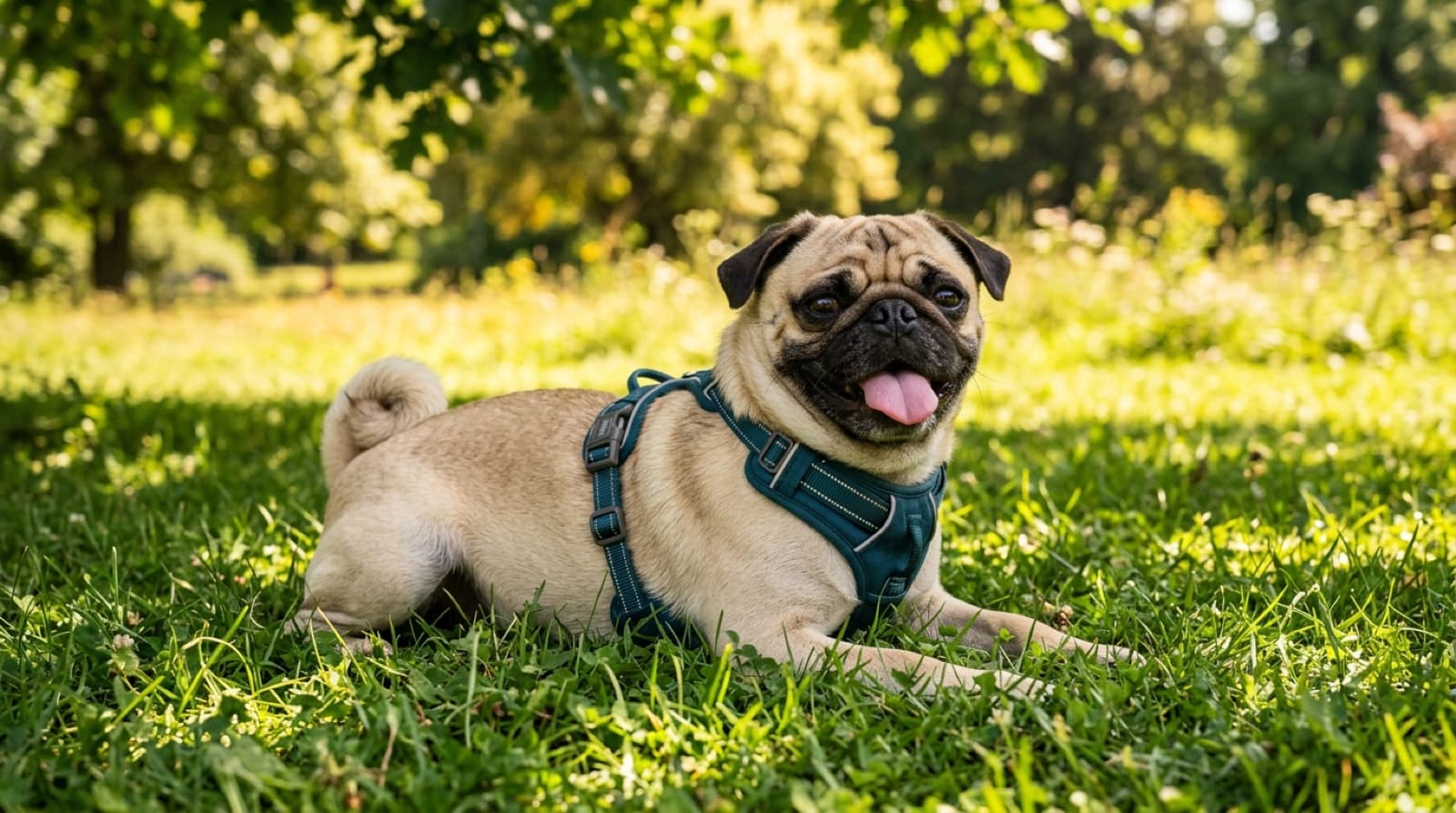
How do I know if my Pug is struggling to breathe?
Learn the difference between normal Pug sounds and genuine distress, because owners often accept heavy breathing as just being a Pug when it can signal real airway obstruction. Normal: light snoring while asleep, some snorting when excited. Concerning: laboured or heavy breathing at rest, loud raspy or honking breathing, gagging or retching, blue or grey gums or tongue (an emergency), extreme exercise intolerance, collapse, or a dog working hard just to breathe. Blue or grey gums, collapse, or severe distress are immediate emergencies, get to a Vancouver emergency vet at once. Milder but persistent laboured breathing or worsening snoring warrants a non-emergency vet visit to assess the airway, since BOAS surgery can dramatically help. When in doubt, especially in heat, treat breathing difficulty as urgent, and do not dismiss it as normal for the breed.
Our Pug health guide covers BOAS and the surgery that helps many dogs.
How do I prevent heatstroke in a Pug in Vancouver?
Heat is the single most dangerous everyday threat to a Pug. Their compromised airway makes cooling by panting far less effective, so they can progress to fatal heatstroke faster than a normal-nosed dog. Prevention: keep the dog in air conditioning or a genuinely cool space in hot weather, provide constant shade and fresh water, and walk only in the cool of early morning or late evening, never in the heat. Avoid hot pavement, never leave a Pug in a warm car even briefly, and consider a cooling mat. Vancouver's mild climate helps a lot most of the year, but the increasingly hot, smoky summer heat waves are genuinely dangerous, so during a heat warning keep the dog inside with AC and skip midday walks entirely. A Pug that seems to want to play in the heat still cannot handle it, so you have to be the one to say no.
What are the signs of heatstroke, and what do I do?
Early signs: frantic heavy panting, excessive drooling, bright red gums, restlessness. Worsening: weakness, stumbling, vomiting or diarrhea, glazed eyes, and eventually collapse, seizures, or unconsciousness. Heatstroke is a life-threatening emergency, and in a flat-faced breed it escalates fast. If you suspect it: move the dog to shade or AC immediately, offer small amounts of cool (not ice-cold) water, wet the body with cool water (belly, groin, paws), and get to a Vancouver emergency vet right away, calling ahead. Do not use ice-cold water or ice, which can trap heat. Even if the dog seems to recover, still see a vet, because heatstroke can cause internal damage that shows up hours later.
The VCA guide to heatstroke is worth reading before summer.
How do I clean a Pug's facial folds?
It takes only a minute and prevents painful infections. Gently part each fold (the deep nose wrinkle and any others), wipe out the trapped moisture and debris with a soft damp cloth or unscented pet wipe, and then, crucially, dry the fold thoroughly, since leftover moisture breeds the yeast and bacteria that cause fold dermatitis. In damp Vancouver especially, thorough drying matters after any rainy walk, and the nose wrinkle needs regular attention. Some owners apply a thin vet-recommended barrier product to particularly damp folds. Watch for redness, odour, or irritation, which signal an infection and a reason to clean more often or see the vet. Make a quick daily wipe part of the routine from day one.
How do I protect my Pug's eyes?
Because a Pug's prominent, exposed eyes are so vulnerable, eye protection is an important part of daily care. Use a harness rather than a collar, since pressure on the neck can affect the airway and, in extreme cases, contribute to a Pug's eye proptosing (popping out of the socket). Keep the dog away from hazards that could scratch or injure the eyes (rough play with larger dogs, branches), and keep nose-wrinkle hair from irritating the eyes. Wipe away eye discharge gently. Most importantly, watch closely for any eye problem, squinting, redness, cloudiness, tearing, a visible film or pigment, or pawing at the eye, and see the vet promptly, because Pug eye issues worsen fast and vision is at stake. If a Pug's eye ever proptoses, keep it moist and get to an emergency vet immediately, it can sometimes be saved with fast treatment. Prompt attention to any eye issue is one of the most important Pug habits.
Why does keeping a Pug lean matter, and what does daily care involve?
Weight control is the single most impactful daily health decision for a Pug, because obesity worsens almost every problem the breed already has: extra weight makes the compromised airway work harder, reduces heat tolerance, adds load to the joints and spine, and shortens life. Pugs are famously food-obsessed and easy to overfeed, so staying lean takes deliberate portion control, measured meals, strictly limited treats, and honest rib checks. A realistic Pug routine: wipe and dry the folds every day or few days; measured meals with tight portion control; short, gentle exercise in the cool part of the day; rigorous heat management; a harness not a collar; eye monitoring and gentle cleaning; routine ear cleaning and nail trims; and dental care. None of it is difficult, but it is consistent, and an owner who keeps up the weight control, heat management, fold care, and eye protection gives a Pug a comfortable, happy, long life.
Browse adoptable Pugs in Vancouver
If you are ready for the heat management, fold and eye care, and weight discipline, a Pug is a comedic, devoted companion. Browse Lower Mainland rescues, each with a foster's notes on breathing and health. Refreshed regularly.
See Available Pugs →Frequently Asked Questions
How do I know if my Pug is struggling to breathe?
Some snorting is normal, but don't dismiss heavy breathing as just a Pug. Concerning: laboured breathing at rest, honking, gagging, exercise intolerance, and especially blue or grey gums or collapse (emergencies). Persistent difficulty warrants an airway assessment; BOAS surgery helps many.
How do I prevent heatstroke in Vancouver?
AC or a cool space in hot weather, constant shade and water, and cool-hour-only walks, never midday. During a summer heat warning, keep the dog inside. Vancouver's mild climate helps, but heat waves are genuinely dangerous for a flat-faced dog.
What are the signs of heatstroke?
Frantic panting, drooling, bright red gums, restlessness, then weakness, vomiting, collapse. Move to cool, offer cool (not ice-cold) water, wet the body, and rush to an emergency vet. See a vet even if the dog recovers, damage can appear hours later.
How do I clean the facial folds?
Part each fold (especially the nose wrinkle), wipe out debris with a damp cloth or unscented wipe, and dry thoroughly, moisture causes infection. Do it daily or every few days, and dry especially well after rainy Vancouver walks. Redness or odour means see the vet.
How do I protect the eyes?
Use a harness not a collar, keep the dog from eye hazards, wipe discharge gently, and watch closely for any eye problem, seeing the vet fast. If an eye proptoses (pops out), keep it moist and rush to an emergency vet. Prompt attention protects vision.
Why does keeping my Pug lean matter?
Obesity worsens the breathing, joints, spine, and heat tolerance all at once. A lean Pug breathes better and lives longer. Pugs are food-obsessed, so measured meals, strictly limited treats, and rib checks are essential.
Related Vancouver guides
Pug Adoption in Vancouver
Where to adopt in BC, the comedic temperament, real costs, and who the breed suits.
Pug Health Issues
BOAS, eyes, skin folds, pug myelopathy, and the pet-insurance case, the full medical picture.
Adoptable Pugs in Vancouver
All currently available Pugs and Pug mixes with foster health notes. Updates regularly.
Low-Cost Vet Care in Vancouver
Affordable clinics and options for routine care, eye checks, and skin management.
New dog? Start with these care guides
Everything a new adopter needs to set up a safe, happy home.