The short answer
The Sheltie is generally healthy and long-lived (~12 to 14 years), but knows several inherited conditions. The most critical: the MDR1 gene, common in collie-type breeds, which makes affected dogs dangerously sensitive to certain common medications, tell every vet your dog is a Sheltie (this can be life-saving). Also: eye conditions (Collie Eye Anomaly, PRA), hip dysplasia, and thyroid disease (common, easy to miss, very treatable). The levers you control: know the MDR1 gene, keep the dog lean, monitor the eyes, watch for thyroid signs, and stay on routine vet care. The insurance case is real, insure while young.
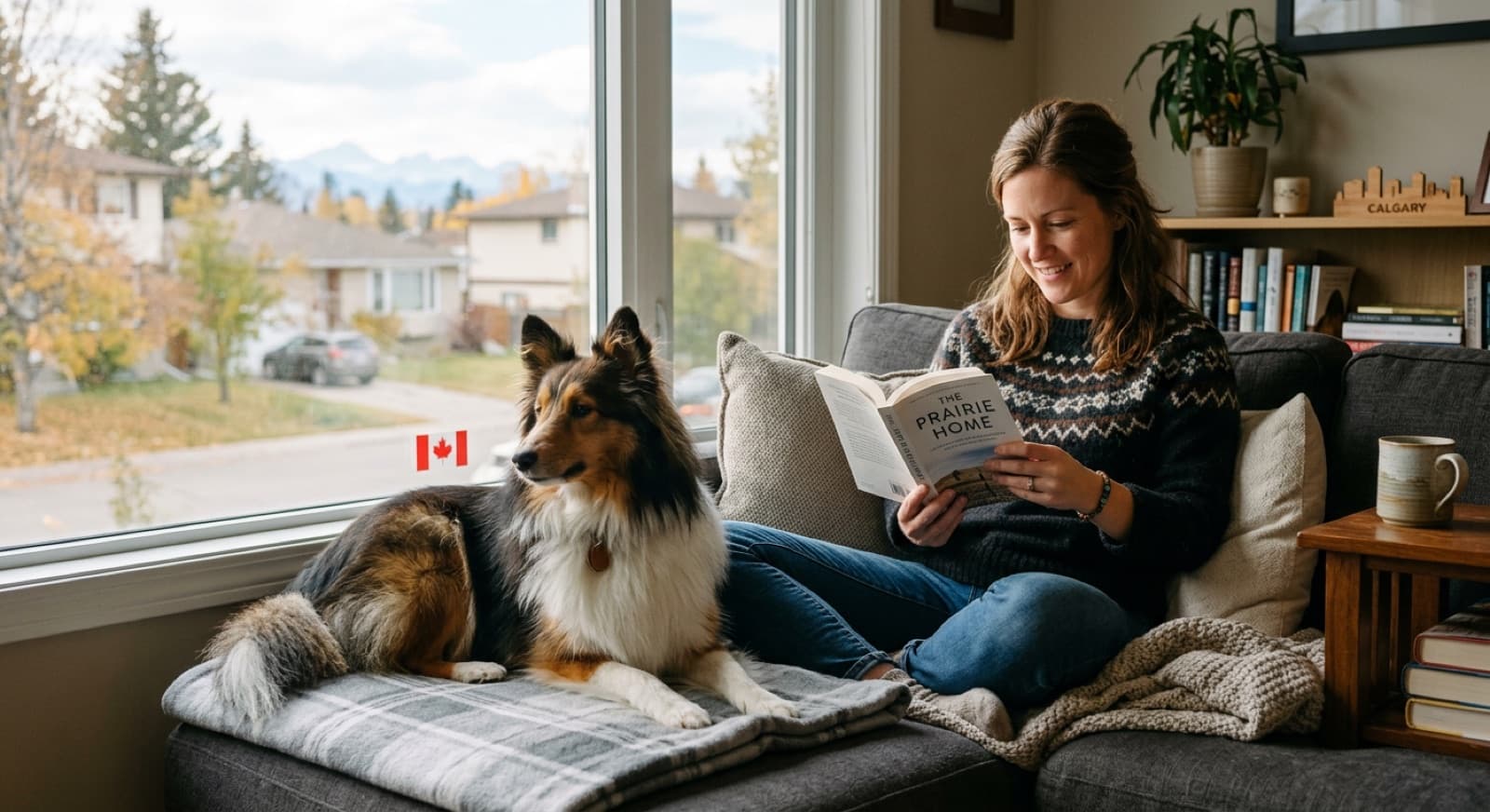
The Sheltie is a fairly healthy, long-lived breed, but it comes with a handful of inherited conditions, several shared with other collie-type breeds. One of them, the MDR1 gene, is critically important and can be life-saving to know about. Here is the medical picture, condition by condition, starting with the one that matters most.
The MDR1 gene: the most important thing to know
The MDR1 (Multidrug Resistance 1) gene mutation, common in collie-type breeds including Shelties, makes affected dogs dangerously sensitive to certain common medications, some anti-parasite drugs (notably high-dose ivermectin), some anti-diarrheals (loperamide/Imodium), certain chemotherapy drugs, and some sedatives/anesthetics, which can build to toxic levels in the brain and cause severe reactions or death at doses safe for other dogs. This is the single most important health fact about the breed.
The takeaways: a simple, inexpensive DNA test tells you whether your dog carries the mutation (well worth it); whether or not you test, tell every vet your dog is a Sheltie and ask them to treat it as potentially MDR1-affected (standard practice for the breed); and be careful with over-the-counter and livestock medications (never give human meds like Imodium without vet guidance). Make sure any vet, especially an emergency vet who does not know your dog, knows it is a Sheltie. This one piece of knowledge can prevent a tragedy. The Washington State University veterinary lab pioneered the MDR1 test.
Eye conditions
Two are worth knowing. Collie Eye Anomaly (CEA) is an inherited developmental condition present from birth, ranging from mild (no noticeable vision effect) to severe (impairment or, rarely, blindness); it is largely non-progressive, so an adult Sheltie's vision is generally a known quantity. Progressive retinal atrophy (PRA) is a separate degenerative condition causing gradual vision loss over time; no cure, but dogs adapt well. Watch for bumping into things, hesitancy in dim light (an early PRA sign), or cloudiness.
Have any eye concerns assessed, and routine eye monitoring is worthwhile for the breed. A Sheltie with a vision-affecting condition can still live a happy, full life with some accommodations. Given the breed's eye predispositions, eye care is part of the routine, and the possibility of eye disease is part of the insurance argument.
Hips, thyroid, and other conditions
Hip dysplasia occurs in the breed, keeping the dog lean is the biggest lever. Thyroid disease (hypothyroidism) is relatively common; signs are subtle (weight gain, lethargy, poor coat, hair loss, skin problems), it is easily diagnosed with a blood test, and it is very manageable with inexpensive daily medication, so have your vet check thyroid function if these signs appear. Other possible conditions: dermatomyositis, von Willebrand disease (a clotting disorder, worth knowing before surgery), epilepsy, patellar luxation, and gallbladder mucocele.
Most individual Shelties will not develop most of these, and the breed is generally healthy, but awareness helps you catch issues early. For an adopted Sheltie, routine vet care, weight management, and watching for the signs above (especially thyroid signs, which are easy to miss) are the practical defenses.
Lifespan and keeping a Sheltie healthy
Shelties are long-lived, typically ~12 to 14 years and often longer. The priorities: know and manage the MDR1 gene (the single most important step), keep the dog lean and well-exercised (Vancouver's trails make this easy), maintain the coat with regular brushing, monitor the eyes, watch for thyroid signs (common, easy to miss, very treatable), and stay on routine vet care.
Feed a good-quality diet, maintain dental care, parasite prevention (being mindful of MDR1 with certain anti-parasite drugs), and vaccinations. A Sheltie kept lean, well-exercised, well-groomed, MDR1-aware, and given routine care has an excellent chance at a long, healthy life, the breed's natural longevity works in your favor. See our barking and training guide for meeting the breed's mental needs.
Is pet insurance worth it?
Pet insurance is worth considering, because while the breed is generally healthy and long-lived, it has a number of potential inherited conditions, eye conditions, thyroid disease, hip dysplasia, and rarer issues like epilepsy or von Willebrand disease, and Vancouver vet care is not cheap. The breed's longevity means more years over which conditions can arise.
Take out insurance while the dog is young and healthy, before any condition is diagnosed and excluded. Compare providers, understand coverage (including hereditary and chronic conditions) and limits, and read the fine print. One Sheltie-specific note: an MDR1 drug reaction can require expensive emergency treatment, so the breed's drug sensitivity is one more reason to have a financial cushion, whether insurance or savings. For an adopted adult, understand what a policy covers. See our Vancouver costs guide.
Browse adoptable Shelties in Vancouver
A good rescue shares a dog's known health history, and many can advise on MDR1 testing. Refreshed regularly across Lower Mainland rescues.
See Available Shelties →Frequently Asked Questions
What are the main health problems?
Generally healthy and long-lived, but with inherited conditions: the MDR1 drug-sensitivity gene (most important), eye conditions (Collie Eye Anomaly, PRA), hip dysplasia, and thyroid disease, plus rarer issues (dermatomyositis, von Willebrand, epilepsy). Most individuals don't develop most of these.
What is the MDR1 gene?
A mutation common in collie-type breeds that makes affected dogs dangerously sensitive to certain common medications (ivermectin, loperamide, some chemo drugs and sedatives). A DNA test exists, but whether or not you test, tell every vet your dog is a Sheltie, this can be life-saving. The single most important health fact about the breed.
What eye conditions affect them?
Collie Eye Anomaly (present from birth, largely non-progressive, so an adult's vision is a known quantity) and PRA (degenerative, gradual vision loss, no cure but dogs adapt well). Watch for bumping into things and hesitancy in dim light. Routine eye monitoring is worthwhile.
Do they have hip, thyroid, or other issues?
Hip dysplasia (keep the dog lean), and hypothyroidism is relatively common, subtle signs (weight gain, lethargy, coat changes), easily diagnosed and very treatable with cheap daily medication. Rarer: dermatomyositis, von Willebrand disease, epilepsy, patellar luxation, gallbladder issues.
How long do they live?
A long-lived breed, typically ~12 to 14 years and often longer. Know the MDR1 gene, keep the dog lean and well-exercised, monitor the eyes, watch for thyroid signs, and stay on routine vet care. The breed's natural longevity works in your favor.
Is pet insurance worth it?
Worth considering, eye conditions, thyroid disease, hip dysplasia, and rarer issues can be costly, and the breed's longevity means more years for conditions to arise. Take insurance out while the dog is young. An MDR1 drug reaction can need expensive emergency care, one more reason for a cushion.
Related Vancouver guides
Sheltie Adoption in Vancouver
Where to adopt in BC, the smart sensitive temperament, exercise and grooming, barking, real costs, and who it suits.
Sheltie Barking & Training
Why Shelties bark and how to manage it, plus training this smart sensitive breed, especially for condo living.
Adoptable Shelties in Vancouver
All currently available Shetland Sheepdogs and Sheltie mixes with foster health notes. Updates regularly.
Low-Cost Vet Care in Vancouver
Affordable clinics and options for routine care, MDR1 testing, and the monitoring a Sheltie needs.
New dog? Start with these care guides
Everything a new adopter needs to set up a safe, happy home.