The short answer
Shelties bark because they were bred to as alert herding and watchdog dogs, and an under-exercised one barks more. You won't make a Sheltie silent, but you can substantially reduce the barking: meet the dog's exercise and mental needs (the biggest lever), manage the environment (limit views of passing people and dogs), train a quiet cue, and use only positive methods (this sensitive breed does poorly with harsh corrections). They are superbly trainable (agility stars) and can live happily in a Vancouver condo for an owner who commits to exercise, environmental management, and barking training.
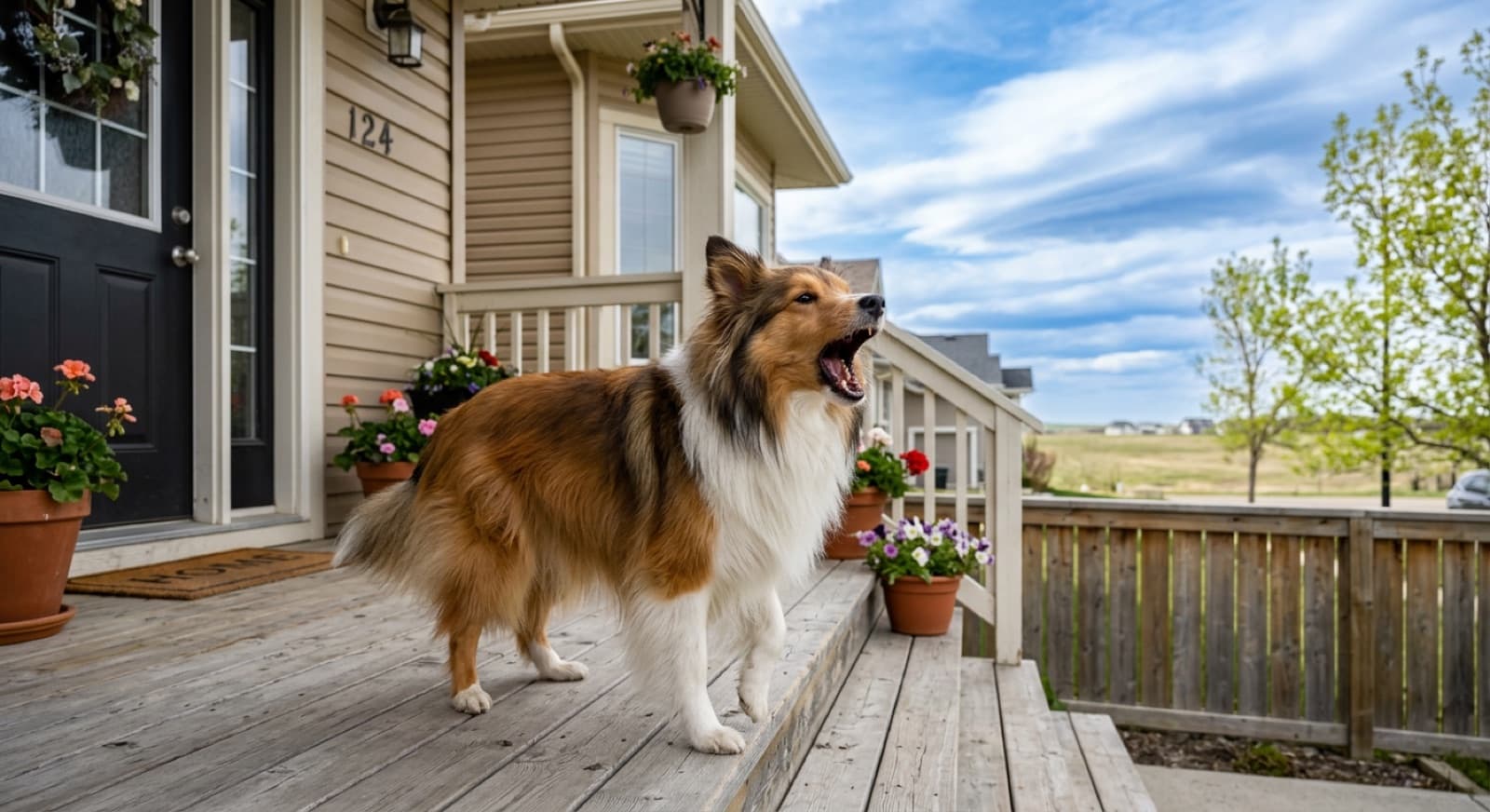
The barking is the trait everyone asks about with Shelties, and rightly so, it is the one most likely to cause problems, especially in shared housing. The good news is that it is normal breed behaviour, not a defect, which means it responds well to training and management. Paired with the breed's exceptional trainability, a Sheltie's vocal side is a workable trait, not a dealbreaker. Here is how.
Why Shelties bark
Shelties bark because they were bred to, as alert herding and farm watchdogs, barking moved livestock, warned off predators, and alerted the farmer. In a modern home that instinct shows up as barking at passing people and dogs (a big one), the doorbell, unfamiliar noises, excitement, herding frustration, and sometimes boredom or attention-seeking. Crucially, barking increases when a Sheltie is under-exercised or under-stimulated.
The barking is normal breed behaviour, not the dog being bad or broken, which means it responds well to training and management rather than punishment. Anyone adopting a Sheltie should expect a vocal dog and be prepared to work on it, because while it is very manageable, it does not manage itself.
How to reduce the barking
You won't make a Sheltie silent, but a consistent, positive approach gets the barking to a very livable level. The foundations:
- •Meet the dog's needs, plenty of daily exercise and mental work. A well-exercised, engaged Sheltie is already a quieter dog. This is the single most effective step.
- •Manage the environment, limit visual access to windows (blinds, film, blocked sightlines) to remove the passing-people-and-dogs trigger, especially useful in a condo.
- •Train a quiet cue, let the dog bark a couple of times, say “quiet,” reward the silence, and build duration. Teach an incompatible behaviour (go to a mat) for the doorbell.
- •Don't accidentally reward barking, even scolding is attention. Reward calm, quiet behaviour instead.
- •Desensitize to triggers over time, pairing them with rewards for a calmer response.
Use only positive, reward-based methods. This sensitive breed does not respond well to harsh corrections, anti-bark shock collars, or punishment, which can worsen anxiety and barking. Consistency from everyone in the household matters, and for a tough case a positive-methods trainer can help.
Condo and apartment living in Vancouver
A Sheltie can live happily in a condo, and many do in Vancouver, but the barking makes it something to approach thoughtfully, it is the trait most likely to create neighbour problems in shared housing. The size is manageable; the barking is what you must actively address.
The practical approach: meet exercise and mental needs thoroughly (Vancouver's trails, seawall, and off-leash areas make this very doable), manage the environment (limit views of the hallway and street, use white noise to mask hallway sounds), train a solid quiet cue, address any separation-related barking (for the dog's welfare and the neighbours' sake), and be a considerate neighbour. Check your building's strata pet bylaws, and be aware that excessive barking can lead to complaints. A Sheltie is a viable condo dog for an owner who commits to exercise, environmental management, and training, but a poorer choice for someone wanting a low-effort, naturally quiet apartment dog.
Training a smart, sensitive breed
Shelties are among the easiest breeds to train, highly intelligent, quick to learn, eager to please, and they enjoy it. The key: they are sensitive, so they respond best to positive, reward-based training and do poorly with harsh methods, yelling, or physical corrections, which can make them anxious or shut down. Use treats, praise, and play, keep sessions upbeat, be consistent and patient, and build trust.
Because they are so smart, Shelties need ongoing mental engagement, not just a puppy class and done, they thrive on continued training, tricks, puzzle toys, and especially dog sports. For an adopted Sheltie, especially a shy or nervous rescue, go at the dog's pace, build confidence gradually with training games and gentle socialization, and never flood a scared dog. A shy Sheltie may take weeks or months to come out of its shell, and that is normal, the reward is often a devoted, confident companion. See our Sheltie adoption guide for more on the breed.
Dog sports: a Sheltie's happy place
Sports meet the breed's physical and mental needs at once, channel the herding drive, build the bond, and reduce problem barking (a tired, fulfilled dog barks less). Great options:
- •Agility, Shelties are agility superstars, one of the top breeds in the sport.
- •Obedience and rally, they excel with their trainability and eagerness to please.
- •Herding, their original purpose, deeply satisfying for the breed.
- •Nosework / scent work, great for building confidence, especially in shy dogs.
- •Flyball, tricks, and freestyle, fast, fun mental work.
Vancouver and the Lower Mainland have an active dog-sports community with clubs and facilities offering agility, obedience, nosework, and more. For an adopted Sheltie, taking up a sport (even casually) meets the breed's needs, builds confidence in a shy dog, strengthens your relationship, and is genuinely fun, agility in particular is a natural, joyful fit for this quick, clever breed.
Browse adoptable Shelties in Vancouver
The barking is manageable, and the trainability is a joy. If you'll put in the work, a Sheltie is a devoted, brilliant companion. Refreshed regularly across Lower Mainland rescues.
See Available Shelties →Frequently Asked Questions
Why do they bark so much?
They were bred to as alert herding and watchdog dogs. Modern triggers: passing people and dogs, doorbells, noises, excitement, herding frustration, and boredom. Barking increases when a Sheltie is under-exercised. It's normal breed behaviour, so it responds well to training, not punishment.
How do I reduce the barking?
Meet the dog's exercise and mental needs (the biggest lever), manage the environment to limit triggers (block window views of passersby), train a quiet cue, don't reward barking with attention, and desensitize to triggers. Use only positive methods, harsh corrections and shock collars backfire on this sensitive breed.
Can a Sheltie live in a condo?
Yes, and many do in Vancouver, but you must actively address the barking, the trait most likely to cause neighbour problems. Meet exercise needs, manage the environment (limit hallway/street views, use white noise), train a quiet cue, address separation barking, and check your strata pet bylaws.
Are they easy to train?
Among the easiest, highly intelligent, quick, and eager to please. The key is positive, reward-based methods, they're sensitive and do poorly with harsh handling. They need ongoing mental engagement, not just one puppy class. They're agility superstars.
How do I train a shy rescue Sheltie?
Use only positive methods, go at the dog's pace, and build trust first. Socialize gradually and positively, never flooding a scared dog. Confidence-building games and low-pressure sports (nosework, agility) help. A shy Sheltie may take weeks or months to open up, that's normal, and the reward is a devoted companion.
What dog sports suit them?
Agility (they're superstars), obedience, rally, herding, nosework, flyball, tricks, and freestyle. Sports meet physical and mental needs, channel the herding drive, build the bond, and reduce problem barking. The Lower Mainland has an active dog-sports community.
Related Vancouver guides
Sheltie Adoption in Vancouver
Where to adopt in BC, the smart sensitive temperament, exercise and grooming, real costs, and who it suits.
Sheltie Health Issues
Eye conditions, the critical MDR1 drug-sensitivity gene, hip and thyroid issues, and the pet-insurance case.
Adoptable Shelties in Vancouver
All currently available Shetland Sheepdogs and Sheltie mixes in the Vancouver area. Updates regularly.
Vancouver Off-Leash Parks Guide
Off-leash areas to exercise an active breed, key to keeping a Sheltie's barking in check.
New dog? Start with these care guides
Everything a new adopter needs to set up a safe, happy home.