The short answer
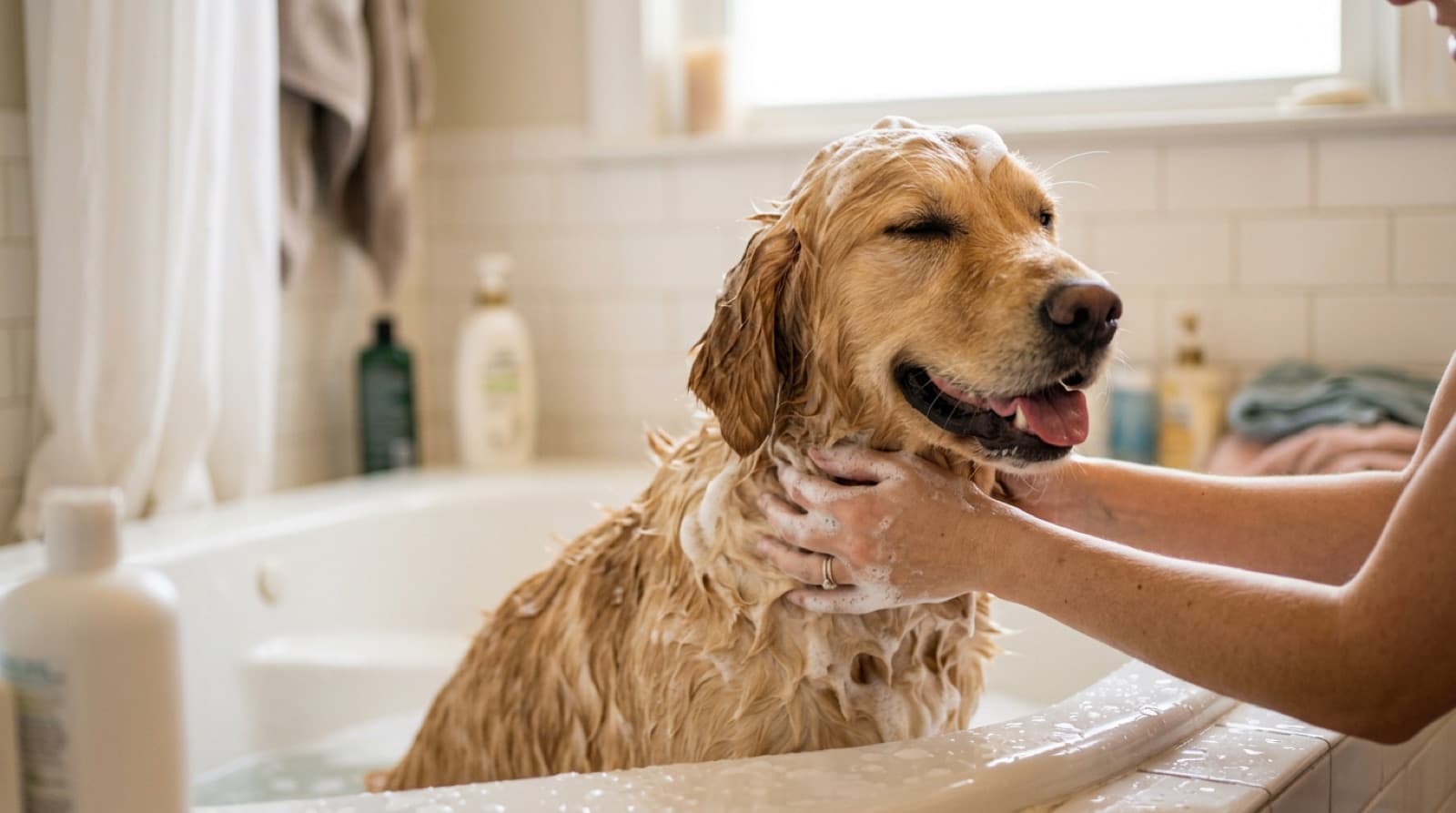
Pick a dog shampoo by coat and skin type, never a human one, and bathe as infrequently as your dog's coat allows. Reach for oatmeal for dry, itchy skin, gentle hypoallergenic for sensitive skin, deshedding for heavy shedders, and a tearless puppy formula for young dogs. Save medicated shampoo for vet-diagnosed conditions, and see a vet for any skin problem that persists.
The two worth buying
Most dogs are covered by one of two bottles, and both happen to come from Canadian companies.
Wahl Oatmeal Shampoo is the default. It is plant-derived, pH-balanced for dog skin, lathers and rinses out easily, and costs about a tenth of what the boutique brands ask. Oatmeal is the right base for the overwhelming majority of dogs, including the itchy ones, and Wahl is a Canadian-made staple that does the job without a story attached. 4.6★ (2,811) · $10.47 on Amazon.ca
Earth Rated 3‑in‑1 is the pick for a dog with genuinely sensitive skin, or for anyone who would rather own one bottle than three. It shampoos, conditions and detangles in a pass, which matters most on a long or curly coat where a plain shampoo leaves you fighting knots afterwards. Also a Canadian company. 4.5★ (665) · $19.99 on Amazon.ca
Neither is medicated. If your dog has a diagnosed skin condition, a hot spot, or a smell that comes back within days of a bath, that is a vet conversation and usually a prescription shampoo — not a shelf product.
Some links on this page are Amazon affiliate links — we may earn a small commission at no extra cost to you. It never changes what we recommend.
Why not just use your own shampoo?
It is the most common shortcut, and it is the one to avoid. Dog skin and human skin have different pH: a dog's is more neutral to slightly alkaline, while ours is more acidic, so a human shampoo is simply formulated for the wrong skin. As the VCA explains, dogs have a thin protective layer called the acid mantle that guards the outer skin, holds in moisture and helps keep bacteria and viruses out, and human shampoo disrupts it.
The result, as the American Kennel Club notes, is drier, flakier skin that itches and gets scratched, on skin that is already thinner and more delicate than ours. One accidental wash with human shampoo will not hurt your dog, but it should not be the routine, and that goes for baby shampoo too, which is milder but still balanced for human skin. Use a shampoo made for dogs.
Matching the shampoo to your dog
Once you are using a dog shampoo, the choice is about the specific job. Here is how the main types line up:
- Gentle or hypoallergenic, for sensitive or allergy-prone skin. Look for a fragrance-free, hypoallergenic formula that will not add irritants.
- Oatmeal or moisturising, for dry, itchy, flaky skin. Colloidal oatmeal delivers moisture and soothes.
- Deshedding, for heavy shedders. A deshedding shampoo with omega fatty acids helps loosen the dead undercoat, and pairs well with the brushing routine in our breed grooming guides.
- Whitening, for white or light coats. A brightening shampoo reduces staining and dullness.
- Puppy, for young dogs. A tearless, mild puppy shampoo is gentle on sensitive skin and safe around the face.
- Waterless, for quick freshening between baths. A no-rinse shampoo is handy when a full bath is not practical.
- Medicated, for vet-diagnosed skin conditions only, covered in its own section below.
Some links on this page are Amazon affiliate links — we may earn a small commission at no extra cost to you. It never changes what we recommend. This article is general information, not veterinary advice; see your vet for any persistent skin problem.
How to bathe a dog properly
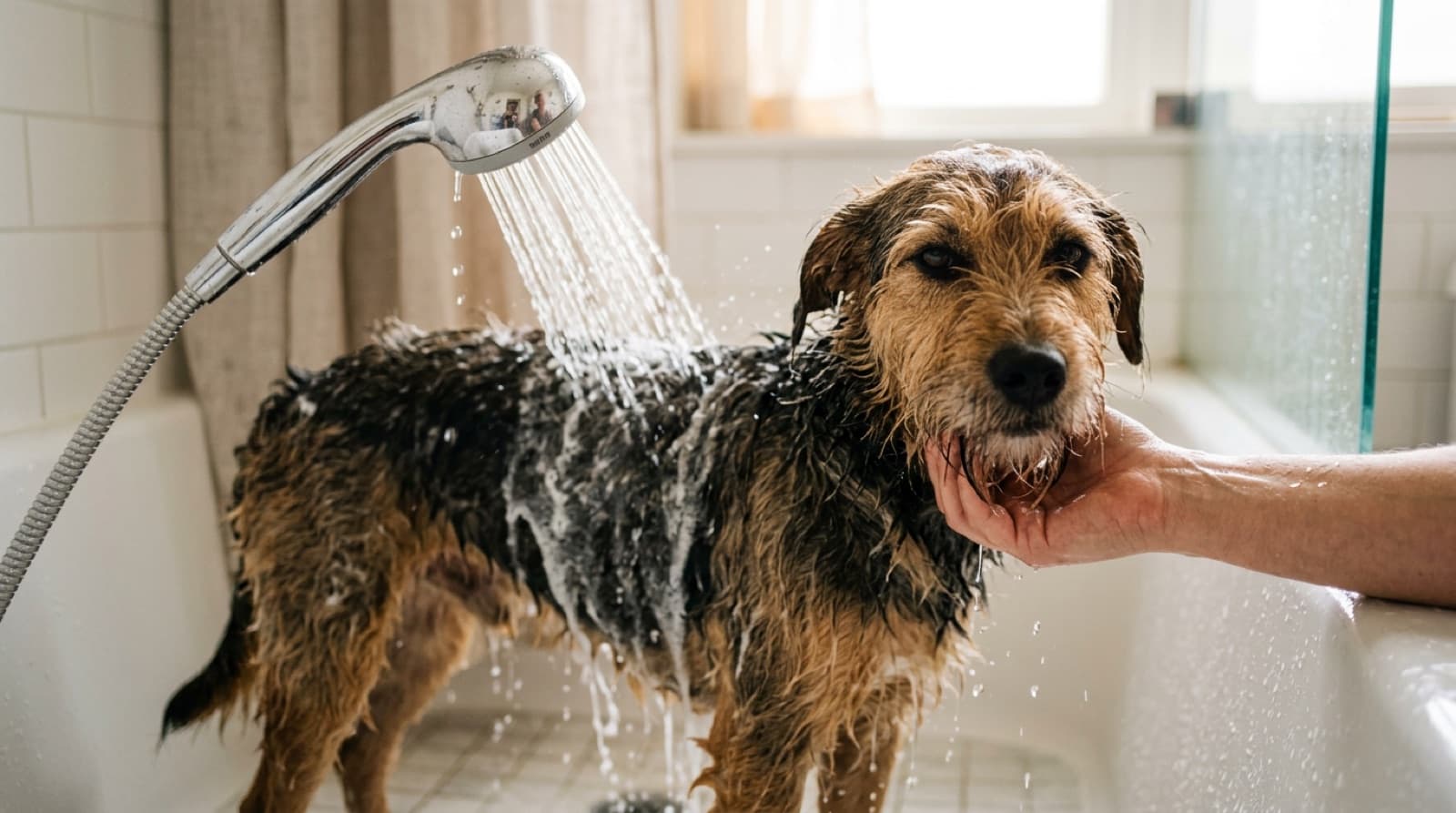
The product matters less than the technique. Brush the coat out first, since mats trap water and make skin problems worse, then use lukewarm water rather than hot. Lather the shampoo through the coat and massage it in, keeping it away from the eyes, ears and nose. Then rinse, and rinse again: leftover shampoo residue is one of the most common causes of post-bath itching, so keep going even when you think the suds are gone. Dry the dog well afterward, paying attention to skin folds and, on floppy-eared dogs, around the ears, where trapped moisture invites trouble. If your dog is on a topical flea or tick preventative, pick a shampoo that will not strip its effectiveness.
How often you do all this depends on the coat. The American Kennel Club advises bathing as infrequently as possible to preserve the coat's natural oils. Short-haired breeds need it least, oily-coated breeds like Basset Hounds can need it closer to weekly, and water-repellent coats like a Golden Retriever's are best left longer to keep their protective oils. For where a bath fits into each breed's full routine, the breed grooming guides go coat by coat.
Medicated shampoo, and when to see a vet
A shampoo is grooming, not a cure. If a skin problem persists after you switch to an appropriate dog shampoo, the answer is a veterinary diagnosis, not another bottle.
Medicated shampoos are a category apart. They are made to treat specific, diagnosed conditions such as bacterial or fungal skin infections, seborrhea or mange, and as the VCA explains, they typically contain no soaps and need a set contact time on the coat, often around ten minutes, to work. They will not even clean a dirty dog, and using one on an undiagnosed problem can mask symptoms or make the underlying condition worse. Reach for a medicated shampoo only when your vet has diagnosed the problem and told you which one to use, how long to leave it on, and how often.
More broadly, see your vet rather than trying another shampoo if your dog has persistent or intense itching, redness or hot spots, hair loss or bald patches, sores or scabs, or a lingering bad smell from the skin. Those point to allergies, parasites or infection, and a shampoo, however good, is not the tool for any of them.
Grooming a specific breed?
The right shampoo depends on the coat. Our breed grooming guides cover bathing, brushing and coat care for each type, from double coats to silky and wiry.
Browse the Grooming Guides →Frequently Asked Questions
How often should I bathe my dog?
Roughly once a month is a reasonable default for many dogs, but it varies a lot with coat and lifestyle: oily-coated breeds may need a bath as often as weekly, while water-repellent coats need far less to preserve their protective oils. The honest rule is to bathe as infrequently as your dog's coat allows, because over-bathing strips the natural oils and dries the skin, which leads to the itching and flaking owners then try to fix with more product.
Can I use human shampoo on my dog?
No, not as a routine. Dog skin has a different, more neutral pH than our more acidic skin, so human shampoo disrupts the thin protective layer called the acid mantle, dries the skin, and leaves it more vulnerable to bacteria and irritation. One accidental use is usually harmless, but for regular baths use a shampoo formulated for dogs.
What is the best dog shampoo for itchy skin?
A gentle oatmeal or moisturising shampoo is the usual first choice, since colloidal oatmeal soothes and rehydrates dry, itchy skin. But if the itching is intense or persistent, that points to allergies, parasites or infection rather than the wrong shampoo, so see your vet instead of cycling through products.
Is oatmeal shampoo good for dogs?
Yes. Colloidal oatmeal is soothing and moisturising for dry, itchy skin, and it is gentle enough for regular use, which makes it a good pick for mild dryness. Just remember it soothes rather than treats, so it is not a substitute for veterinary care for a diagnosed skin condition.
Can I use baby shampoo on my dog?
It is gentler than adult human shampoo, but it is still formulated for human skin pH, so it is not ideal for regular use on a dog. A tear-free dog or puppy shampoo is the better choice, and it is designed to be safe around the face.
What shampoo should I use for a puppy?
A tearless, mild puppy-specific shampoo, which is formulated to be gentle on sensitive young skin and safe around the eyes. Check that it is labelled as suitable for your puppy's age, and keep baths infrequent, since puppies rarely need more than an occasional wash.
How do I bathe a dog with sensitive skin?
Use a gentle, hypoallergenic, fragrance-free dog shampoo and lukewarm water, brush the coat out first, and rinse very thoroughly, since leftover residue is a common cause of irritation. Dry the dog well afterward, especially in skin folds. If the sensitivity keeps coming back, ask your vet whether an allergy or skin condition is behind it.
Should I use a medicated shampoo?
Only for a condition your vet has diagnosed, and only following their instructions. Medicated shampoos are formulated to treat specific problems like bacterial or fungal skin infections, they usually need a set contact time on the coat of around ten minutes to work, and many contain no soaps, so they will not even clean a dirty dog. They are not the thing to reach for with an undiagnosed skin problem.
Best Dog Ear Cleaner
Choosing an ear cleaner, the correct technique, and when to see a vet instead.
Dog Dental Care
Brushing, chews and cleanings, ranked by what the evidence actually supports.
How to Groom a Golden Retriever
A water-repellent coat that is best not over-bathed, and how to care for it.
How to Groom a Poodle
A high-maintenance coat where the right shampoo and bathing routine matter.
Explore Dog Breeds
Coat type drives everything about bathing. See what each breed needs.
Something else going on with your dog?
Pick what is on your mind and we will point you at the guide that answers it, and what to buy if anything.