The short answer
Expect a calm, clean, self-contained dog that is reserved with strangers and does not enjoy being fussed over. Socialise gently and keep it up, approach from the front because deep-set eyes limit side vision, teach handling with food, and train in short, rewarding sessions. Never force interactions; respect builds trust faster than pressure.
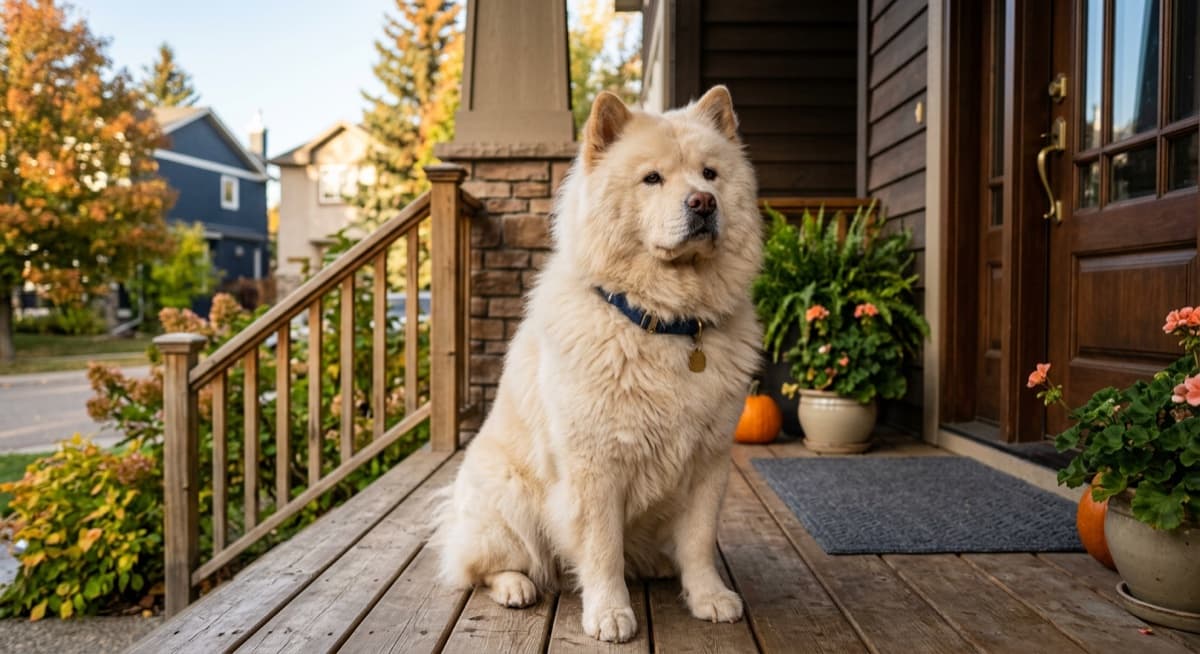
The Chow temperament
The Canadian Kennel Club describes the Chow Chow as dignified, with keen intelligence and an independent spirit, aloof and reserved with strangers. It notes that deep-set eyes give limited peripheral vision, so the dog is best approached from the front, and that although not overly active, it needs regular outdoor activity daily.
Approach and handling
Because a Chow may not see a hand coming from the side, sudden touches can startle it. Approach from the front, let the dog see and sniff you, and ask visitors not to reach over its head. Teach handling of paws, ears, mouth and the thick coat gradually, pairing every touch with food, so grooming and vet visits stay calm.
Browse adoptable Chow Chows
Ask the rescue how the dog reacts to strangers, handling and grooming.
See Available Chow Chows →Socialisation
Reserve with strangers is part of the breed, but fear is not. The American Veterinary Society of Animal Behavior identifies the first three months as the key socialisation window (AVSAB). Keep exposure calm, let the dog choose to approach, and reward relaxed watching. Do not expect a Chow to greet everyone; polite tolerance is a good outcome.
Training an independent dog
Chows learn quickly but do not see the point of endless repetition. Keep sessions short, use rewards the dog values, and stop while it is still engaged. The AVSAB humane training statement recommends reward-based methods and links force to fear and aggression, a risk you do not want in a reserved breed.
Exercise and heat
Daily walks and some play are enough for most Chows. Their heavy coats make heat hard, so walk in cool parts of summer days and provide shade. Many are naturally clean and easy to house-train.
Frequently asked questions
Are Chow Chows aggressive?
They are aloof and reserved with strangers, not aggressive by default. Gentle socialisation, respectful handling and force-free training reduce the risk of defensive behaviour.
Why should I approach a Chow from the front?
The Canadian Kennel Club notes deep-set eyes limit side vision. Approaching from the front avoids startling the dog.
Are Chow Chows easy to train?
They are intelligent but independent. Short, rewarding sessions work far better than repetition or pressure.
Are Chow Chows good with kids?
Some do well with respectful older children. Supervise, and teach children not to grab, hug or approach from the side.
How much exercise does a Chow Chow need?
Regular daily outdoor activity, such as walks and play. Avoid heat because of the heavy coat.
Are Chow Chows good for first-time owners?
They suit patient owners who are happy with an independent, reserved dog and will put work into handling and socialisation.
Sources
- Canadian Kennel Club: Chow Chow: dignified, independent, aloof with strangers; approach from the front; daily outdoor activity
- American Veterinary Society of Animal Behavior: Position Statement on Humane Dog Training: reward-based training recommended
- American Veterinary Society of Animal Behavior: Position Statement on Puppy Socialization: first three months most important
General information, not a substitute for a qualified trainer or behaviour professional. For growling, snapping or sudden behaviour change, start with your veterinarian to rule out pain, including eye or skin discomfort.
Related guides
New dog? Start with these care guides
Everything a new adopter needs to set up a safe, happy home.