The short answer
Gently clean and fully dry the facial folds, the nose rope and the tail pocket a few times a week, and daily if the folds are deep or the dog drools. Keep the dog lean, since extra weight deepens folds. See a vet for redness, odour, discharge, or a dog that rubs its face or scoots, rather than treating at home.
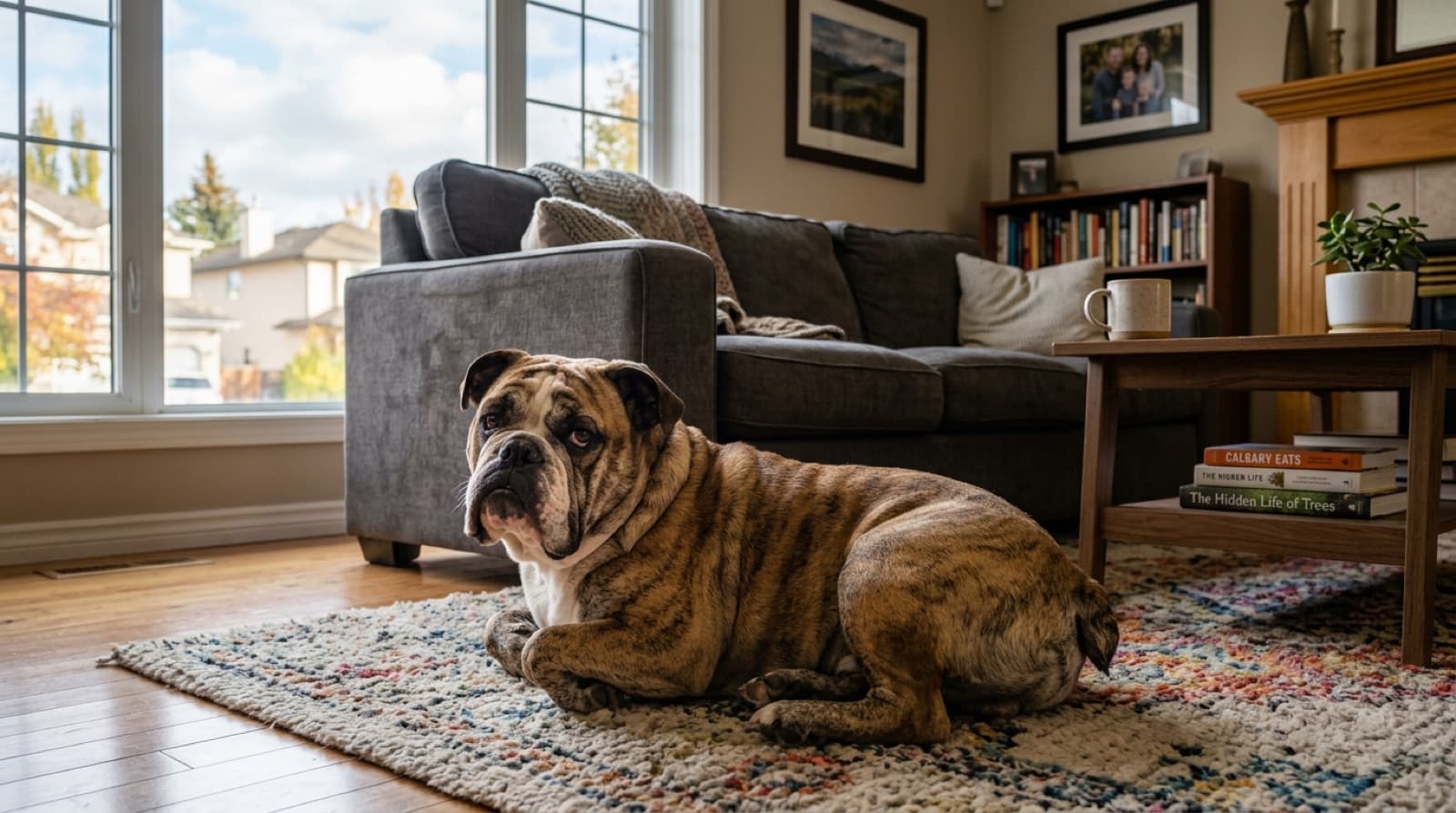
Why folds matter so much
A UK VetCompass study of skin fold dermatitis found English Bulldogs had about 49 times the odds of crossbreed dogs, the highest of any breed, followed by French Bulldogs and Pugs. A separate study of English Bulldogs ranked fold dermatitis as the breed’s top predisposition.
The folds are warm, dark and often damp, so yeast and bacteria thrive there. Once the skin is inflamed it becomes itchy and sore, and the dog rubs it, which makes things worse.
A simple routine
A few times a week, and daily for deep folds or heavy droolers:
- Gently open each fold and wipe it with a soft, damp cloth or a cleanser your vet recommends.
- Dry the fold completely with a clean, soft cloth. Dampness left behind does more harm than skipping a day.
- Do the nose rope (the fold above the nose), the lip folds, any neck or body folds and the tail pocket.
- Look for redness, odour, discharge or broken skin while you work.
- Keep the session short and calm, with a treat at the end.
Browse adoptable English Bulldogs
Ask the rescue how the dog’s folds have been cared for, and whether any fold or tail-pocket infections have needed treatment.
See Available English Bulldogs →Don’t forget the tail pocket
Many Bulldogs have a screw tail sitting in a deep pocket of skin. It is easy to miss and a common site of infection. Signs include odour, scooting, licking or reluctance to be touched there. Clean and dry it gently as part of the routine, and see your vet if it is red or sore.
Folds, heat and weight
Heat and humidity make fold problems worse, and so does extra weight, which deepens the folds. Keeping a Bulldog lean and cool helps the skin as well as the breathing; see our English Bulldog health guide for the bigger picture.
If folds stay inflamed despite good care, your vet may look for an underlying allergy, or discuss surgery to reduce an extreme fold. Do not use creams or medications on the folds without your vet’s advice.
Frequently asked questions
How often should I clean my English Bulldog’s folds?
A few times a week for most dogs, and daily for deep folds, heavy droolers or hot, humid weather. Always dry the folds completely.
What does an infected skin fold look like?
Redness, a bad smell, discharge, broken or moist skin, and a dog that rubs or scratches the area. See your vet for diagnosis and treatment.
What is a Bulldog tail pocket?
A deep fold of skin around a short screw tail. It traps moisture and is easy to miss, so include it in the cleaning routine.
Why are English Bulldogs so prone to fold infections?
Their deep wrinkles trap warmth and moisture. UK research found English Bulldogs have the highest odds of skin fold dermatitis of any breed.
Can I use human wipes or creams on my Bulldog’s folds?
Ask your vet first. Some products irritate dog skin, and an existing infection needs a proper diagnosis before anything is applied.
Does weight affect skin folds?
Yes. Extra weight deepens folds and traps more moisture, so keeping a Bulldog lean helps the skin as well as the breathing.
Sources
- O’Neill et al., skin fold dermatitis in dog breeds in the UK (Europe PMC): English Bulldog OR 49.07; French Bulldog 25.92; Pug 16.27 vs crossbreeds
- O’Neill et al., English Bulldogs in the UK: a VetCompass study (Europe PMC): skin fold dermatitis is the top predisposition
General information, not veterinary advice. Diagnosis and treatment decisions belong with your veterinarian.
Related guides
New dog? Start with these care guides
Everything a new adopter needs to set up a safe, happy home.