Showing 159 cats
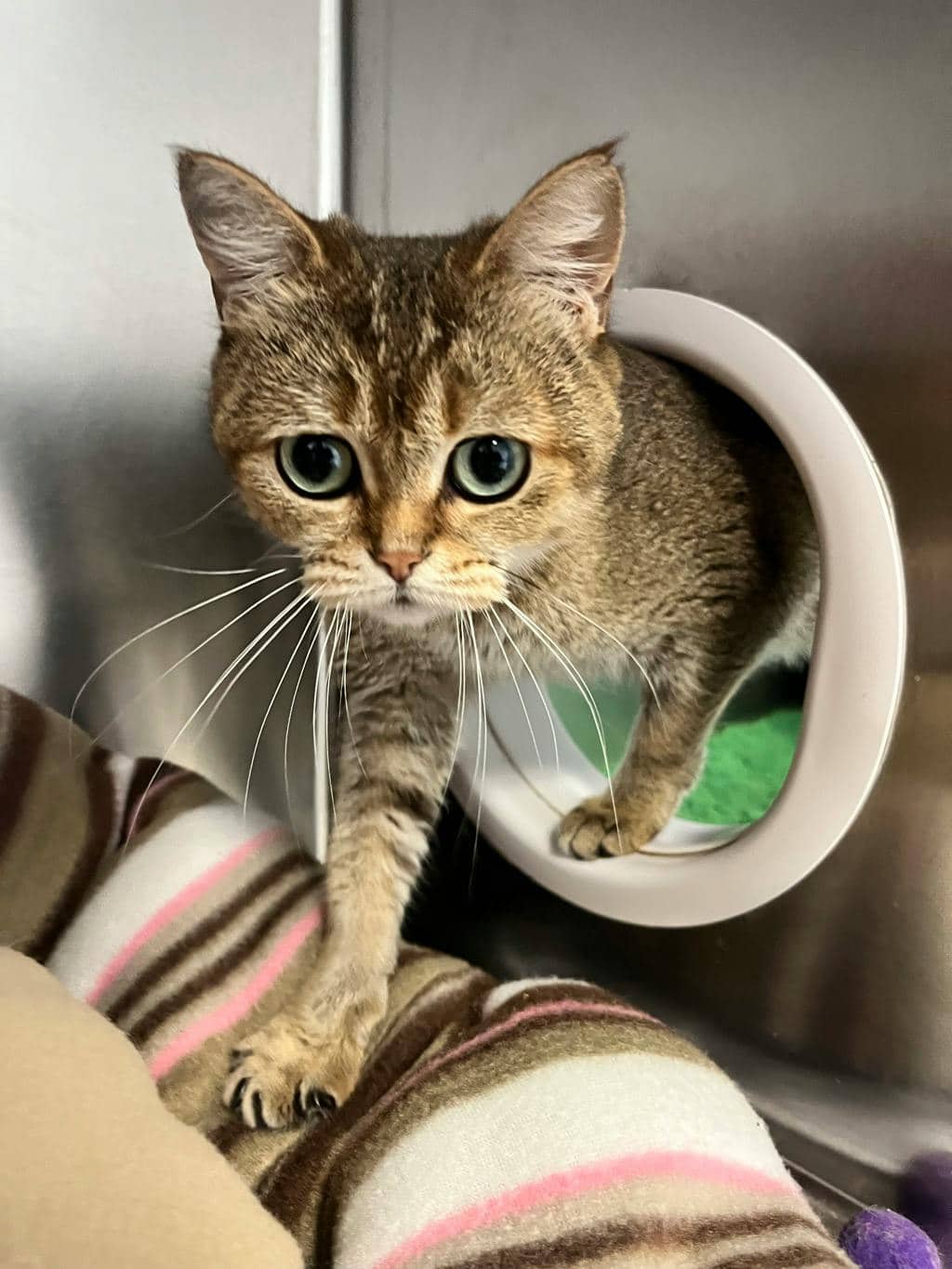
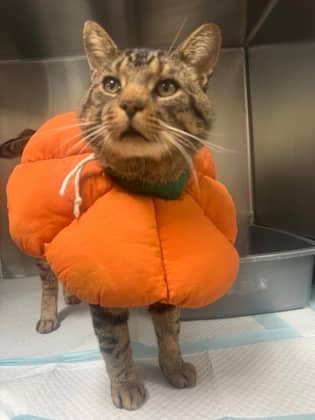

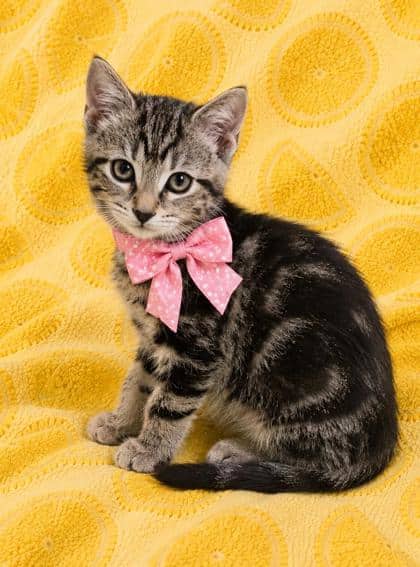
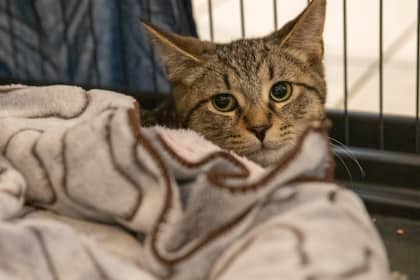
Karen
2 months • Domestic Shorthair/Mix
Cambridge & District Humane Society
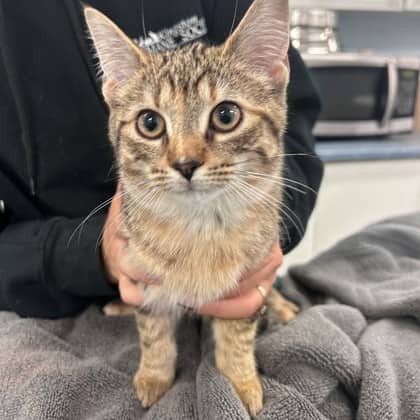
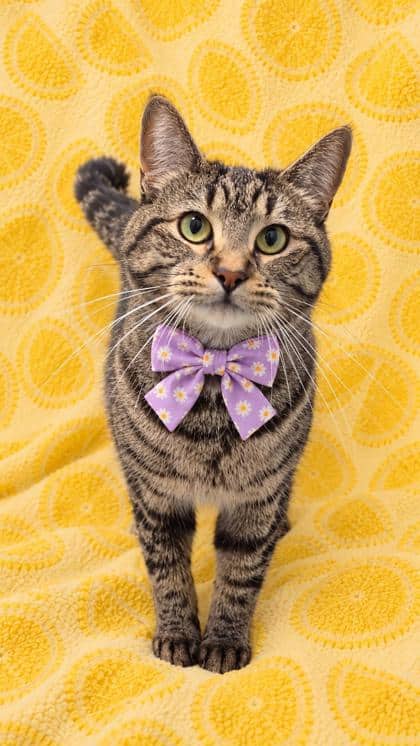
Sage
1 year 6 months • Domestic Shorthair/Mix
Cambridge & District Humane Society
Get notified when a Brown Cat is listed
We will email you the moment a Brown Cat becomes available in Ontario, from a rescue or an owner rehoming.
A "brown cat" in rescue is almost always a brown tabby
When an Ontario rescue lists a cat as brown, it nearly always means a brown tabby: the warm, bronzed coat of a black-based cat whose tabby gene bands each hair so it reads brown rather than flat black. A true solid brown cat, without a hint of striping, is essentially never a random-bred shelter cat. If you searched for a brown cat, the results here are tabbies, and that is exactly what you want.
It helps to search loosely. Adopters looking for a brown cat should try "brown", "brown tabby" and "tabby" interchangeably, because the same cat gets described all three ways by different rescues. The brown tabby is the single most common cat in Ontario rescue, so this is usually one of the longer lists on the site rather than a rare find.
The genetics, and where true brown really comes from
The brown tabby is the wild-type cat coat, the one closest to the ancestral wildcat, and it is the most common coat in the world. The colour is built on black pigment; the agouti (tabby) gene bands each hair so the cat looks warm brown instead of solid. Within that you will see mackerel (narrow stripes, the most common), classic (bold swirls), ticked (banded hairs, so the cat can look almost plain) and spotted patterns.
True solid brown, the chocolate colour and its dilute cinnamon, is a recessive gene confined almost entirely to pedigree breeds. The Havana Brown is the classic example, the sable of a Burmese and the seal-brown points of a pointed cat are separate breed genetics again, and none of these turn up by chance in random-bred rescue litters. So a shelter brown cat is a common tabby, not a rare Havana Brown, and it should never carry a rarity price. A documented Havana Brown or Burmese is a breeder situation, not a shelter one.
Living with a brown tabby in Ontario
Ordinary domestic shorthair or longhair care, depending on the individual. Indoor living is the sensible default across the GTA and Ottawa given traffic and the urban raccoon population, and a longhaired brown tabby wants brushing several times a week to stay ahead of mats.
There is no evidence that coat colour drives personality, and unlike the tortoiseshell or the ginger, the brown tabby has no sex-linked story: it is simply the most numerous colour, so it turns up at every age and temperament. Judge the individual cat. The foster who has lived with it can tell you how it greets strangers, how it handles being picked up, and what it does when the house is empty, which is worth far more than the coat.
Looking more broadly? Browse every adoptable cat across the province on Cat Adoption Ontario.
The rescues that most often list Brown Cats across the province are Toronto Humane Society, Ottawa Humane Society, and Ontario SPCA (Ottawa Area).
Brown Cat Adoption FAQ — Ontario
How many Brown Cats are available for adoption in Ontario?
As of September 2026, 159 Brown Cats are available for adoption in Ontario across 26 rescues on LocalPetFinder. Listings update regularly as cats are adopted and new ones arrive — browse the current Brown Cats above and apply directly through the rescue.
Where can I adopt a brown cat near me in Ontario?
LocalPetFinder gathers adoptable brown cats, which are almost always brown tabbies, from the Ontario rescues we cover, including the Toronto Humane Society, the Ottawa Humane Society and Ontario SPCA branches. It is one of the most common coats in rescue, so there are usually several listed across the province at any time. Try searching "brown", "brown tabby" and "tabby" interchangeably, and each profile links straight to the rescue to apply.
Is a brown cat rare or valuable?
No. A "brown cat" in rescue is a brown tabby, the single most common cat coat there is, so it should never carry a rarity price. True solid brown, the chocolate colour, is a recessive gene found almost only in pedigree breeds such as the Havana Brown, and those come from breeders rather than shelters. If a listing describes a random-bred shelter cat as a rare brown breed, treat that as a red flag rather than a selling point.
What is the difference between a brown tabby and a Havana Brown?
A brown tabby is a black-based domestic cat whose tabby gene bands each hair to read warm brown, with visible stripes, swirls or spots. It is the ancestral wild coat and by far the most common. A Havana Brown is a rare pedigree breed carrying a recessive gene for a true solid brown coat with no tabby markings. The brown cats you will find in Ontario rescue are tabbies; a documented Havana Brown is a breeder situation, not a shelter one.
How much does it cost to adopt a Brown Cat in Ontario?
Adopting a Brown Cat in Ontario typically costs $100 to $300, and kittens usually carry a premium at $200 to $400. The exact fee varies by rescue, and older cats are often reduced. That fee is not a purchase price. It covers work already done on the cat: spay or neuter, vaccinations, deworming, microchip, and a basic vet workup, which would cost several hundred dollars more if you arranged it yourself after buying. Colour is not a breed, so there is no breeder route to this coat specifically, and the fee reflects the cat's age and the veterinary work already done rather than its markings. Ask the rescue what is included before you apply, since a few include extras like a starter bag of food or a first-month insurance trial.
Popular cat breeds in Ontario
Brown Cat adoption by city in Ontario
Each city page lists only the brown cats available from rescues serving that city.