The short answer
Great Danes turn up in Ottawa rescue periodically, usually surrendered over the space, cost, or short lifespan of a giant breed. Best options: the Ottawa Humane Society, Sit With Me Dog Rescue, Rocky Road Rescue, and For the Love of Dogs Ottawa, plus Ontario Great Dane and giant-breed rescues. Adoption fee: about $400 to $800 versus $1,500 to $3,000 from a breeder, plus the $22 City of Ottawa licence. Danes are gentle, calm, affectionate giants, wonderful family dogs, but they are hugely expensive to keep ($3,000 to $5,000+/year), short-lived (7 to 10 years), and prone to serious conditions, especially bloat. They need space, a warm home, and a big budget. Go in with eyes open, and insure early.
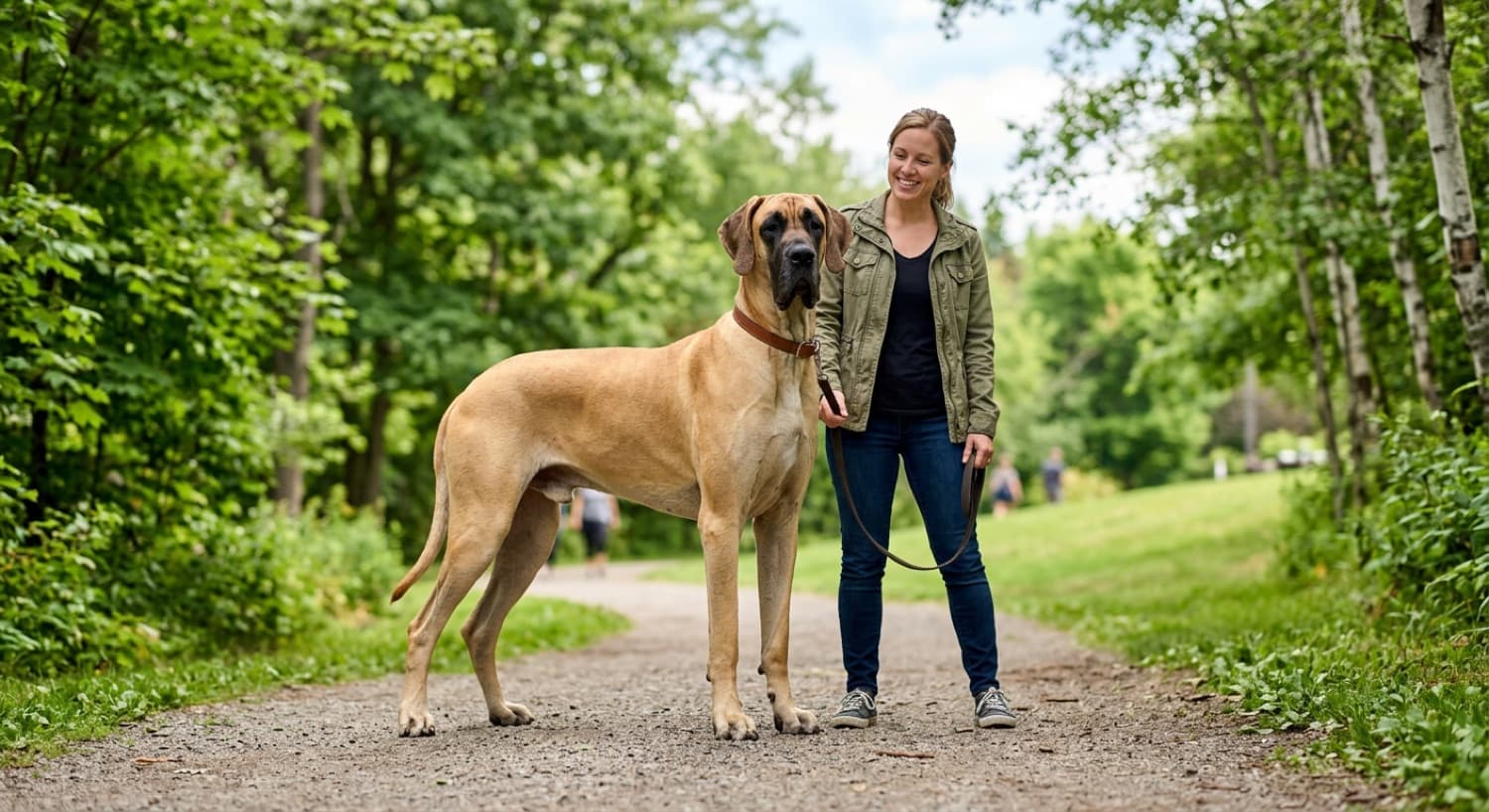
Know the giant-breed realities first
A Great Dane is a major commitment of space, budget, and heart: very high costs, a short 7-to-10-year lifespan, and serious health risks led by bloat. Before adopting, read our Great Dane health guide and bloat (GDV) guide, and price pet insurance. Health decisions for any individual dog should always be made with your veterinarian.
Where can I adopt a Great Dane in Ottawa?
Great Danes and Dane mixes turn up in Ottawa rescue periodically. Best places to check: the Ottawa Humane Society, Sit With Me Dog Rescue, Rocky Road Rescue, and For the Love of Dogs Ottawa, plus Ontario Great Dane and giant-breed rescues. Browse all currently available Danes on LocalPetFinder's Great Dane breed page, and set up email alerts to hear when a good match is listed.
For the full Ottawa rescue landscape, see our best dog rescues in Ottawa guide, or browse everything at once on the main Ottawa dog adoption listings.
The real cost is giant, and the health-testing rule
Rescue adoption fees run roughly $400 to $800, versus $1,500 to $3,000 from a breeder. Add the $22 City of Ottawa licence and Ontario’s 13 per cent HST. But the fee is the small part: a giant breed’s food, weight-dosed medication, gear, and vet bills push realistic costs to $3,000 to $5,000-plus a year, and the breed’s serious health risks can add major expense. Insurance early is strongly advised.
If you buy rather than adopt, choose only breeders who:
- Are CKC-registered (Canadian Kennel Club)
- Health-test both parents for heart (cardiac screening), hips, thyroid, and eyes, and breed with attention to temperament and, as far as possible, longevity
- Allow home visits, take dogs back at any age, and are transparent about the breed’s health and lifespan realities
See the licence details in our Ottawa pet licensing guide and the full medical picture in our Great Dane health issues guide.
Browse adoptable Great Danes in Ottawa
Live inventory from Ottawa and NCR rescues, including Danes and Dane mixes with foster notes on temperament and any health needs. Refreshed regularly, so set an alert for the right match.
See Available Great Danes →Why Danes end up in NCR rescue
Space and size. Owners who did not fully anticipate living with a dog the size of a small pony.
Cost. The food, medication, and vet bills of a giant breed overwhelm some owners, especially after a big health bill.
Health and lifespan. Bloat, heart disease, and bone cancer mean some Danes come into rescue as their needs grow.
Housing and impulse. Rentals that will not accommodate a giant dog, and impulse acquisitions drawn to the size.
Most Ottawa Dane surrenders are gentle, loving dogs whose owners were overwhelmed by the scale, cost, or health demands of a giant breed. The single biggest health emergency to understand is covered in our bloat (GDV) guide.
Frequently Asked Questions
Where can I adopt a Great Dane near me in Ottawa?
Great Danes and Dane mixes turn up in Ottawa rescue periodically, often surrendered when owners underestimate the space, cost, or short lifespan of a giant breed. Start with the Ottawa Humane Society, Sit With Me Dog Rescue, Rocky Road Rescue, and For the Love of Dogs Ottawa, plus breed-specific Great Dane and giant-breed rescues in Ontario. Browse currently available Great Danes on LocalPetFinder’s Great Dane breed page, which updates regularly, and set email alerts, because a well-matched Dane can be adopted quickly. Purebred Danes are less common in rescue than smaller breeds, so patience and fast alerts help, and being open to a Dane mix or an adult, including a senior, widens your options. Breed rescues that understand giant-breed needs and health are especially worth seeking out.
Is there a Great Dane rescue in Ontario?
There is no single dominant Great Dane-only rescue serving all of Ottawa, but breed-specific Great Dane and giant-breed rescues operate in Ontario, and the general rescues, the Ottawa Humane Society, Sit With Me Dog Rescue, Rocky Road Rescue, and For the Love of Dogs Ottawa, take in Danes and mixes. Breed and giant-breed rescues understand the specific needs and health profile and can be excellent at matching dogs to suitable homes. Placement often involves careful screening given the breed’s size and space needs, so confirm the application and home-check requirements early, and run the usual legitimacy check: a physical address or named foster network, recent adoptable listings, and, where applicable, charitable status in the Canada Revenue Agency listings. For a giant breed with real health considerations, a rescue that discloses and manages those honestly is worth seeking out.
How much does it cost to adopt a Great Dane in Ottawa?
Ottawa Great Dane rescue adoption fees run roughly $400 to $800, below the $1,500 to $3,000 a breeder charges. The fee covers spay or neuter, vaccinations, microchip, deworming, and a vet workup. Add the City of Ottawa dog licence, $22 a year for a sterilized dog, and Ontario’s 13 per cent HST. But the adoption fee is the small part: Great Danes are giant dogs, so ongoing costs are among the highest of any breed. Expect large food bills (a Dane eats a lot), medication and preventives dosed by weight (much more expensive than for a small dog), bigger beds, crates, and gear, and higher costs for everything from boarding to any surgery. Realistic annual costs run $3,000 to $5,000-plus a year, and the breed’s serious health risks, including bloat and heart disease, can add major expense. Budget honestly, and consider pet insurance taken out early.
How long do Great Danes live, and is that a real consideration?
Yes, it is one of the most important things to understand about the breed. Great Danes have one of the shortest lifespans of any dog, typically just 7 to 10 years, a consequence of their giant size (larger breeds generally live shorter lives) and their predisposition to serious conditions like bloat, heart disease, and bone cancer. This is heartbreaking but real: adopting a Dane means loving a wonderful dog for fewer years than most breeds offer. It does not mean every Dane dies young, some live longer with good care and genetics, but prospective owners should go in knowing the years will likely be few. Many owners feel the gentle, affectionate nature and the joy of sharing life with such a magnificent dog are absolutely worth it, but it is a decision to make with full awareness of the short lifespan and the emotional reality that comes with it.
Are there free Great Danes for adoption in Ottawa?
Rarely legitimately, and caution is warranted. Free or very cheap Great Dane listings on Kijiji, Facebook Marketplace, or websites are often owners desperate to offload a giant dog whose size or cost overwhelmed them, backyard breeders clearing stock, or scams (especially any asking for a deposit or shipping fee sight-unseen). A "free" Dane with unknown history and no vet care is a worse deal than a properly-vetted rescue dog for a few hundred dollars, which includes spay or neuter, vaccines, microchip, and an exam, real value for a giant breed. Owner-rehoming with a fee and full vet records can be legitimate, especially given how often giant dogs need rehoming when circumstances change, but scrutinise the paperwork, ask honestly about temperament, health, and any bloat or heart history, request a recent vet visit, and always meet the dog at its current home before any money changes hands.
What are common Great Dane mixes in rescue?
Dane mixes appear in rescue and are often wonderful, sometimes a touch hardier or slightly smaller than a purebred. A Great Dane-Labrador (Labradane), Great Dane-Mastiff, or Great Dane-Shepherd leans into size and can be a marvellous family dog. A Dane crossed with another large breed moderates or amplifies different traits. Many rescue dogs are simply "Great Dane mix" of uncertain parentage, often identified by the tall, rangy build. As always, read the foster’s temperament and health notes, because a mix can lean toward either parent in size, energy, temperament, and health, and a rescue’s honest assessment of the individual dog, including any known health issues, matters. For adopters drawn to the Dane’s gentle nature but wary of the full giant-breed cost and health profile, a mix, especially one with a slightly smaller or hardier second breed, can be a thoughtful choice.
Why do Great Danes end up in Ottawa and Ontario rescues?
Several giant-breed-specific reasons. Space and size catch out owners who did not fully anticipate living with a dog the size of a small pony, one that takes up the couch, needs a big vehicle, and is a lot of dog to manage. Cost is a major factor: the food, medication, and vet bills of a giant breed are high, and some owners surrender when the expense, or a big health bill, becomes overwhelming. The short lifespan and health issues (bloat, heart disease, bone cancer) mean some dogs come into rescue as their needs increase. Impulse acquisitions by people drawn to the impressive size without grasping the reality also contribute. Add the ordinary causes of moves, housing changes (many rentals will not accommodate a giant dog), and life changes, and Ontario rescues see Danes periodically. Most are gentle, loving dogs whose owners were simply overwhelmed by the scale, cost, or health demands of a giant breed.
Do Great Danes handle Ottawa winters?
Only moderately, and they need help, because despite their size they are not a cold-weather breed. Great Danes have a short, thin, single coat and, despite their bulk, relatively little insulation, so they feel Ottawa’s winter cold and can get chilly quickly, especially seniors or lean dogs. A large, well-fitted winter coat is genuinely useful for cold-weather walks (finding giant sizes takes some searching), and short outings on the coldest days are wise, watch for shivering and lifted paws. Their large paws are also exposed to salt and ice, so rinse after walks. The upside is that their moderate exercise needs can be partly met indoors, and many Danes are happy with shorter winter walks. A Great Dane is fundamentally an indoor dog, it should never be left outside in Ottawa cold, and needs a warm, spacious home with a big, cushioned bed to protect its joints and keep it comfortable through the winter.
Related Guides
New dog? Start with these care guides
Everything a new adopter needs to set up a safe, happy home.