The short answer
Greyhounds are generally healthy, with unusual breed-specific quirks. The big one: they have a real anesthesia and drug sensitivity, so use a greyhound-savvy vet for any procedure (and they have naturally different normal bloodwork). Also plan for dental disease (very common, budget for cleanings), bloat (deep-chested emergency), thin skin and paw corns (soft bedding, gentle handling), acute cold sensitivity (a winter coat is essential), and an elevated bone-cancer risk with age. Greyhounds live a long 10 to 14 years for their size. Routine Ottawa care runs $1,000 to $1,800 a year plus HST. Insure early for the cancer/bloat wildcards. Make all health decisions with your vet.
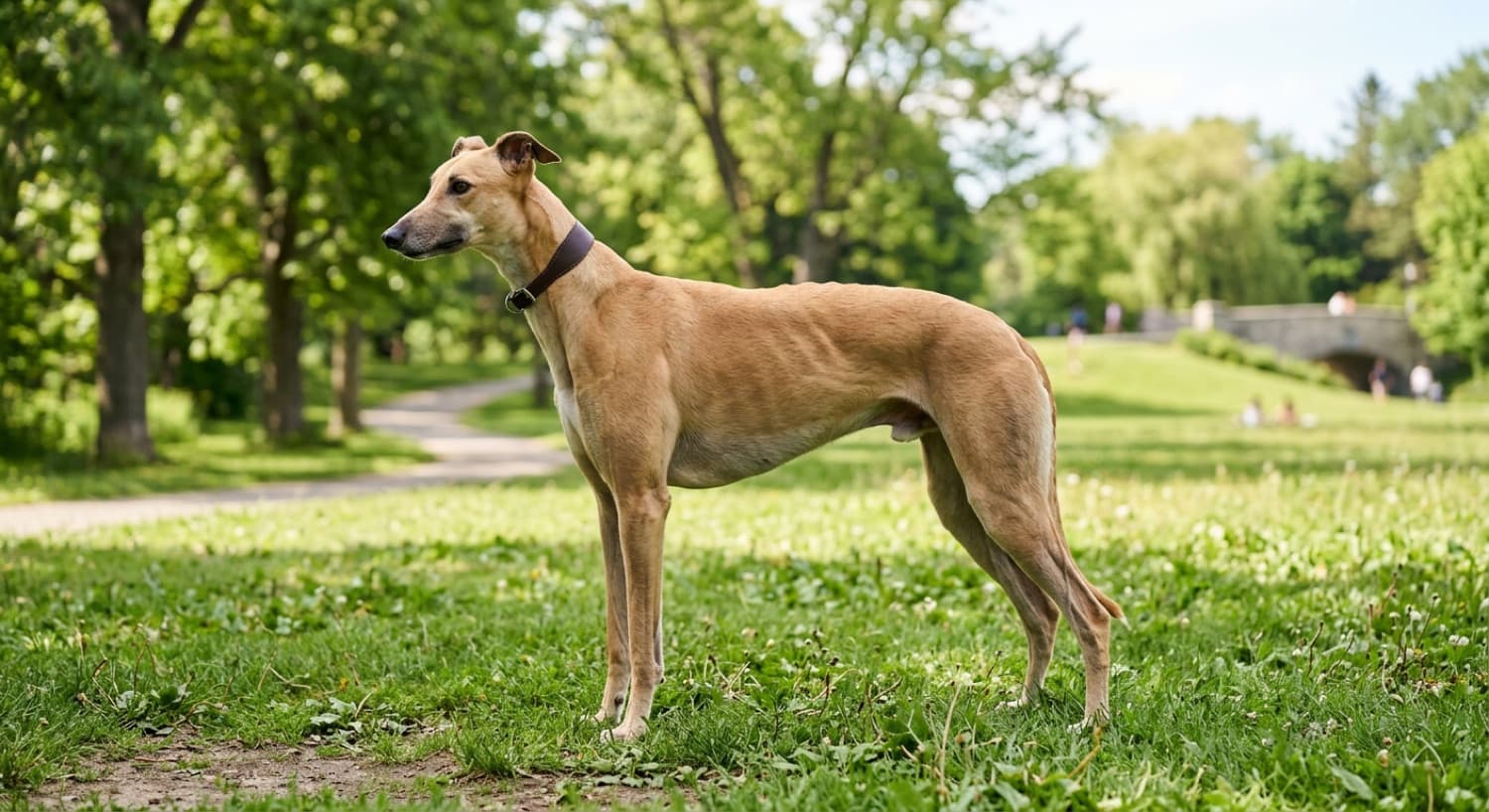
Greyhounds are one of the more genuinely healthy large breeds, they escaped hip dysplasia and many common problems, but they come with a short list of unusual quirks that set them apart from other dogs. Knowing these, and having a greyhound-savvy vet, is the key to caring for the breed well. This is a planning list, and every point should be discussed with your own veterinarian.
Emergencies, and the anesthesia note
A distended, hard belly with unproductive retching and restlessness is possible bloat (GDV), a deep-chested-breed emergency, go to an emergency vet immediately. And critically for this breed: before any surgery or sedation, ensure your vet knows the dog is a Greyhound and uses greyhound-appropriate anesthesia. Ottawa has 24-hour care, including the Alta Vista Animal Hospital. Save the number now.
The greyhound-savvy vet, and anesthesia
The most important breed-specific health fact is that Greyhounds metabolise certain anesthetics and drugs differently, mainly due to their very low body fat, so some drugs routine for other dogs can be riskier or slower to clear. Experienced greyhound vets use greyhound-appropriate protocols, which makes surgery, including the routine spay/neuter and dental cleanings the breed needs, safe. Ensure your vet knows the dog is a Greyhound and is familiar with (or willing to research) greyhound anesthesia before any procedure.
Greyhounds also have naturally unusual “normal” bloodwork, higher red blood cell counts and different thyroid values, that a greyhound-savvy vet interprets correctly rather than mistaking for disease. Reputable greyhound adoption groups can often recommend greyhound-experienced vets in the Ottawa area, which is worth asking about when you adopt.
Dental, bloat, skin, corns, and cancer
Dental. Very common in the breed, especially retired racers. Brush regularly, provide dental chews, and budget for professional cleanings, the most predictable Greyhound health cost.
Bloat. As a deep-chested breed, GDV is a risk. Feed smaller meals, avoid hard exercise right after eating, know the emergency signs, and discuss a preventive gastropexy with your vet.
Thin skin and corns. The skin tears and bruises easily and needs soft bedding and gentle handling; the breed is also prone to painful paw corns that cause limping. Have any limp or skin injury checked.
Bone cancer. Like many large breeds, Greyhounds carry an elevated osteosarcoma risk; act promptly on any persistent lameness or swelling, especially in older dogs.
Cold. Thin coat and no fat mean acute cold sensitivity, a winter coat is essential in Ottawa (see the adoption guide). For routine-care savings, see our Ottawa low-cost vet guide.
Meet a healthy Greyhound in Ottawa
Rescue Greyhounds come vetted (often with a dental already done) and with honest health notes, so you know what you are adopting. Browse available Greyhounds from Ottawa and NCR rescues and greyhound groups.
See Available Greyhounds →Frequently Asked Questions
Are Greyhounds a healthy breed?
Generally yes, Greyhounds are a fairly healthy, athletic breed that largely escaped the exaggerated conformation and hip dysplasia that burden many breeds, and they are not prone to the joint problems you might expect from a large dog. That said, "healthy" comes with a set of breed-specific quirks every owner must know, several of which are unusual. Dental disease is very common (racing diets and genetics), they are a deep-chested breed with real bloat (GDV) risk, they have a notable sensitivity to certain anesthetics and drugs (low body fat changes how they metabolise them), their thin skin tears easily and they can develop painful paw corns, they feel cold acutely, and, like many large breeds, they carry an elevated risk of bone cancer (osteosarcoma). Greyhounds also have naturally unusual bloodwork values. None of this makes them a difficult breed, but it does mean finding a greyhound-savvy vet and understanding the quirks. Always make health decisions for your individual dog with your veterinarian.
Why do Greyhounds need a greyhound-savvy vet for anesthesia?
Because Greyhounds metabolise certain anesthetic drugs differently from other breeds, largely due to their very low body fat and unique physiology, and some anesthetics that are routine for other dogs can be riskier or slower to clear in a Greyhound. Experienced greyhound veterinarians and adoption groups are well aware of this and use greyhound-appropriate anesthetic protocols and drug choices, which makes procedures (including the routine spay or neuter and dental cleanings the breed needs) safe. The practical takeaway for an Ottawa owner is to ensure your vet knows the dog is a Greyhound and is familiar with, or willing to research, greyhound-specific anesthesia protocols before any procedure, and reputable greyhound adoption groups can often recommend greyhound-experienced vets. This is not a reason for alarm, greyhounds have surgery safely all the time, but it is a genuine breed-specific consideration that a good vet will handle routinely. Greyhounds also have naturally different normal bloodwork (higher red cells, different thyroid values), which a greyhound-savvy vet will interpret correctly.
Why do Greyhounds have dental problems?
Dental disease is one of the most common health issues in Greyhounds, driven by a combination of genetics and, for retired racers, the soft diets fed during racing careers that did little to keep teeth clean, so many greyhounds arrive in adoption with significant tartar and gum disease, and reputable adoption groups often include a dental cleaning as part of the intake vetting. Left unmanaged, dental disease causes pain, tooth loss, and infections that can affect overall health. Prevention is routine home care plus professional cleanings: brush the teeth regularly with dog toothpaste, provide appropriate dental chews, feed a good diet, and have your vet assess the teeth at checkups and clean them (under greyhound-appropriate anesthesia) as needed. Starting a brushing routine early, gently with a retired racer new to it, pays off. Dental care is one of the most predictable ongoing health needs for the breed, so build it into your routine and budget from the start.
What is bloat, and are Greyhounds at risk?
Yes. As a large, deep-chested breed, the Greyhound is at elevated risk of gastric dilatation-volvulus (GDV, or bloat), where the stomach fills with gas and can twist, cutting off blood supply. It is a true emergency, a dog can die within hours, and signs include a distended or hard belly, unproductive retching, restlessness, pacing, drooling, and collapse. If you see these, get to an emergency vet immediately; do not wait. Reduce risk by feeding two or three smaller meals rather than one large one, avoiding vigorous exercise right after eating, using a slow-feeder if your dog gulps, and not letting the dog gorge on water after exertion. Some owners of at-risk deep-chested breeds discuss a preventive gastropexy (surgically tacking the stomach) with their vet, sometimes done at the same time as spay or neuter. Knowing the emergency signs and keeping a 24-hour vet’s number saved can genuinely save a Greyhound’s life.
What are paw corns and thin skin issues in Greyhounds?
These are two greyhound-specific quirks worth knowing. Greyhounds have very thin skin with little protective fat, so it tears and bruises more easily than a typical dog’s, minor scrapes can need more care, and they benefit from soft bedding (bony joints and thin skin over hard surfaces lead to calluses and pressure sores). Separately, greyhounds are prone to corns, hard, painful thickenings on the paw pads that other breeds rarely get, which cause limping and can be tricky to treat; if your greyhound develops an unexplained limp, have the pads checked for corns. Neither issue is dangerous, but both are part of caring for the breed: provide thick, soft bedding throughout the home, be gentle with the skin, protect the paws (booties help on rough or salted ground), and address any limp or skin injury promptly. A greyhound-savvy vet will be familiar with both corns and the breed’s delicate skin.
How much does Greyhound health care cost in Ottawa?
Routine annual care for a large but healthy breed, a wellness exam, vaccines, parasite prevention, and dental attention, runs roughly $1,000 to $1,800 a year for a Greyhound in Ottawa, plus Ontario’s 13 per cent HST. Greyhounds are easy keepers who do not eat as much as some large breeds, which helps. The predictable ongoing cost is dental care, and the budget wildcards are the breed-specific ones: any procedure requires greyhound-appropriate anesthesia (routine at a savvy vet), bloat surgery would be several thousand dollars if it occurred, and the elevated bone-cancer risk can mean expensive treatment in older age. Corns and skin issues add minor ongoing care. Overall the breed is relatively affordable and healthy for its size, with dental as the main predictable cost, and pet insurance taken out while the dog is young helps with the bone-cancer and bloat wildcards. See our Ottawa low-cost vet guide for routine-care savings.
Is pet insurance worth it for a Greyhound?
It can be, mainly for the bone-cancer and bloat wildcards. Greyhounds are generally healthy and affordable for routine care, so the case is less overwhelming than for a highly health-prone breed, but the breed carries an elevated risk of osteosarcoma (bone cancer), which can be expensive to treat, plus the bloat risk of a deep-chested breed and the ordinary accidents an active, thin-skinned dog is prone to. Insurance taken out while your Greyhound is young and healthy locks in coverage before any condition becomes a pre-existing exclusion, which matters especially for the cancer risk that rises with age. Note that most insurance does not cover routine dental cleanings, a predictable Greyhound cost, so read the terms. Premiums for a Greyhound commonly run $45 to $80 a month in Ottawa. Weigh it against your savings buffer, and if you insure, do it early. Many greyhound owners combine insurance for the big risks with a savings buffer for dental.
How long do Greyhounds live?
Greyhounds typically live around 10 to 14 years, which is long for a large breed and reflects their generally sound, athletic constitution. A well-cared-for Greyhound with good dental care and attentive management of the breed’s quirks often reaches the upper end, while bone cancer or bloat can cut a life short. Longevity depends on the usual levers: diligent dental care, keeping the dog at a healthy (lean, as the breed naturally is) weight, providing soft bedding and gentle handling for the thin skin, using a greyhound-savvy vet, and annual (later twice-yearly) vet checks that catch conditions like cancer early. For Ottawa owners, that lifespan means a decade or more of a gentle, low-key companion, and budgeting for dental care throughout and possible senior health issues later. A retired racer adopted at two to five years old still has a full life ahead, and the breed’s easygoing nature makes those years pleasant and low-drama for most dogs.
Related Guides
New dog? Start with these care guides
Everything a new adopter needs to set up a safe, happy home.