The short answer
Start at the Ottawa Humane Society and Ottawa-area rescues, then search Ontario-wide, doodles land in rescue with some regularity thanks to the doodle boom. Adoption runs about $400 to $800 plus HST (vs $2,000 to $4,000-plus from a breeder). The big surprise cost is grooming: the coat grows continuously, mats readily, and needs professional grooming every 6 to 8 weeks. “Hypoallergenic” is only sometimes true, coat type varies by generation, so meet the actual dog. Doodles are usually active and smart, needing real exercise and training. Judge the individual dog, not the label, and lean on the rescue’s honest assessment.
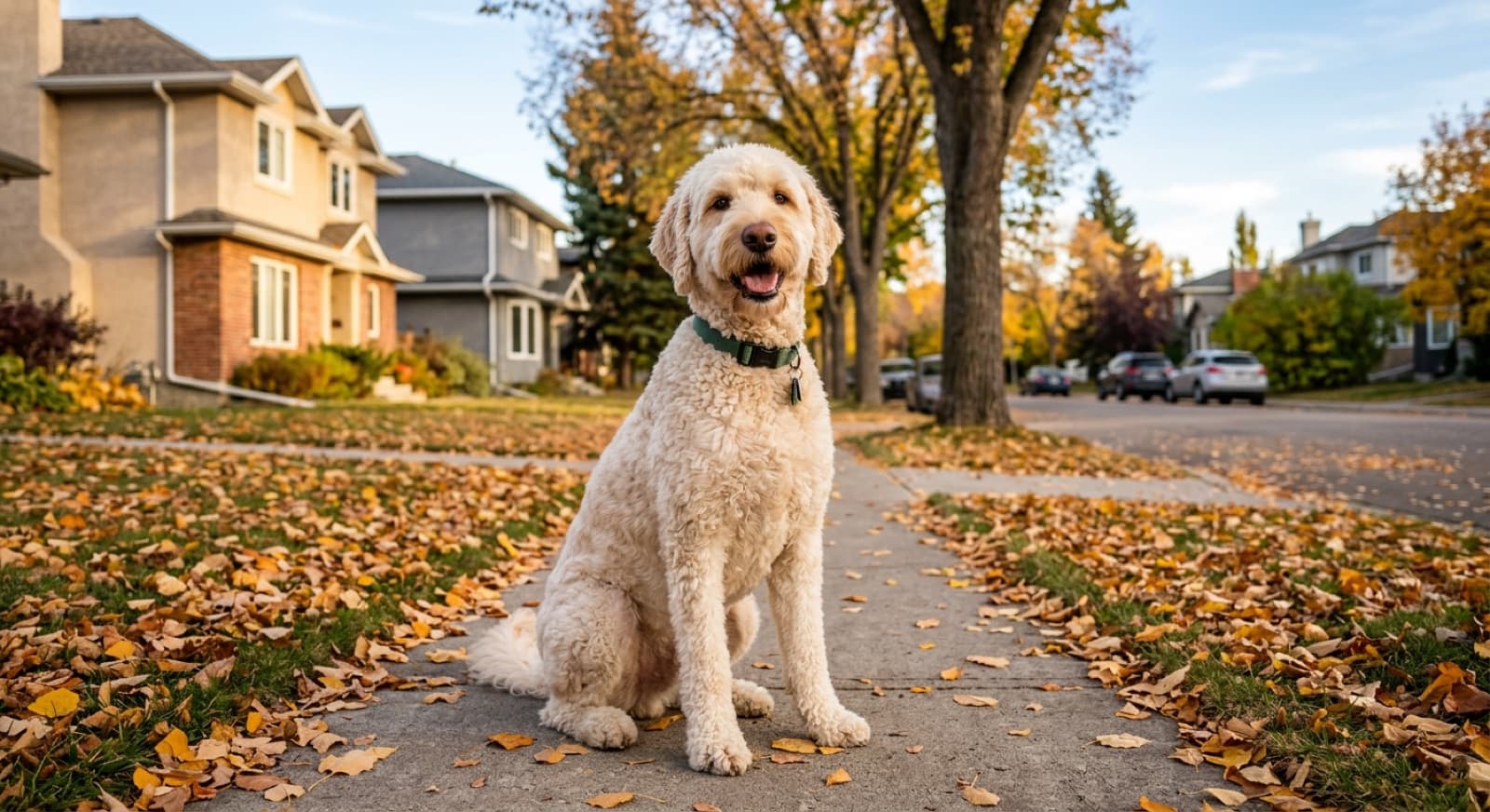
The Labradoodle is one of the most popular dogs in the country and one of the most misunderstood. Marketed for years as a low-maintenance, hypoallergenic family dog, the reality is more nuanced: doodles are usually active, intelligent dogs with high-maintenance coats, and the gap between the marketing and the reality is exactly why so many end up in rescue. The good news for adopters is that those rescue doodles are typically lovely dogs who simply landed in an unprepared home.
“Labradoodle” is not a standardised breed
A Labradoodle is a Labrador crossed with a Poodle, and there is no breed standard, so size, coat, shedding, and temperament vary enormously by generation and by which parent a dog takes after. Do not assume a doodle is low-shedding or hypoallergenic; the curlier, more allergy-friendly coats are also the ones that need the most grooming. Judge the individual dog and lean on the rescue’s assessment, not the label.
Where to look, and the cost reality
Begin with the Ottawa Humane Society and all-breed Ottawa rescues (Sit With Me Dog Rescue, Rocky Road Rescue, For the Love of Dogs Ottawa Rescue), plus doodle-specific rescues, then widen across Ontario. Being open to a doodle cross, an adult, or a dog of unknown generation improves your odds. LocalPetFinder pools adoptable dogs from Ottawa and across the province so you can set a breed alert instead of refreshing shelter pages.
Adoption runs about $400 to $800 plus HST and includes spay/neuter, vaccines, microchip, and a vet check, versus $2,000 to $4,000-plus for a breeder puppy. Then budget the real recurring cost: professional grooming every 6 to 8 weeks (often $70 to $120-plus per visit) plus at-home brushing, along with the $22 City of Ottawa dog licence, quality food, and routine vet care. See the American Kennel Club Poodle profile for the Poodle-coat background that drives doodle grooming, and our Ottawa low-cost vet guide for routine-care savings.
Find your doodle in Ottawa
Doodles land in rescue more than people expect, and a prepared home is exactly what they need. Browse available Labradoodles and doodle mixes from Ottawa and Ontario rescues, refreshed regularly.
See Available Labradoodles →Frequently Asked Questions
Where can I adopt a Labradoodle in Ottawa?
Start with the Ottawa Humane Society and Ottawa-area all-breed rescues such as Sit With Me Dog Rescue, Rocky Road Rescue, and For the Love of Dogs Ottawa Rescue, then widen the search across Ontario, because doodles do turn up in rescue more than you might expect. The doodle boom of the last decade means many were bought impulsively, and a meaningful number end up surrendered when owners underestimate the grooming, energy, or cost, so Labradoodles and doodle mixes appear in Ontario rescue with some regularity. Doodle-specific and general rescues both handle them. Being open to a doodle cross, an adult, or a dog whose exact generation is unknown will improve your odds and speed. LocalPetFinder aggregates adoptable dogs from Ottawa and across Ontario into one place so you can search by breed and set an alert rather than refreshing shelter pages. Because “Labradoodle” is not a standardised breed, expect variety in size, coat, and temperament, and lean on the rescue’s assessment of the individual dog rather than assumptions about the label.
How much does it cost to adopt a Labradoodle in Ottawa?
Adoption fees at Ottawa-area rescues typically run about $400 to $800 for a Labradoodle or doodle cross, plus Ontario’s 13 per cent HST where applicable, and that fee covers spay/neuter, vaccinations, microchipping, and a vet check, hundreds of dollars of care already done. Compare that with a Labradoodle puppy from a breeder, which commonly runs $2,000 to $4,000-plus (doodles are marketed at premium prices despite not being a recognised breed), and adoption is dramatically cheaper up front. The cost that surprises doodle owners most is grooming: the curly or wavy coat does not shed much but grows continuously and mats readily, so professional grooming every 6 to 8 weeks (often $70 to $120-plus per visit in Ottawa) is a real, recurring, non-negotiable expense, plus regular at-home brushing. Budget also for setup costs, the $22 City of Ottawa dog licence, quality food, and routine vet care. Adoption keeps the purchase price low; the grooming is where doodle ownership actually costs money over the years, and it is the single most underestimated line item.
Why do Labradoodles end up in rescue?
Labradoodles end up in rescue for the same reasons many popular, impulsively purchased dogs do, plus a few doodle-specific ones. The doodle craze led to enormous numbers being bred and bought, often by people drawn to the “hypoallergenic, low-maintenance” marketing without understanding the reality, and when the dog turns out to need substantial exercise (Labrador and Poodle are both active breeds), serious ongoing grooming, and training for a smart, sometimes bouncy dog, some owners give up. Life changes (moves, finances, time), allergies that did not resolve as hoped, and the sheer cost of grooming all contribute. Because doodles are bred by a huge range of sources, from careful breeders to backyard operations and puppy mills, some also come with health or temperament issues from poor breeding. None of this reflects badly on the dogs, who are typically wonderful companions in the right home; it reflects a mismatch between doodle marketing and doodle reality. For an adopter, that means rescue doodles are often perfectly lovely dogs whose first owners simply were not prepared, and a prepared second home is exactly what they need.
Are Labradoodles hypoallergenic and low-shedding?
It depends heavily on the individual dog, and this is the biggest misconception about the breed. Because a Labradoodle is a Labrador crossed with a Poodle, coat type varies enormously depending on the generation and which parent’s coat the dog inherited: some Labradoodles have curly, Poodle-like, low-shedding coats that many allergy sufferers tolerate well, while others (especially early-generation or Labrador-dominant dogs) have wavier or straighter coats that shed more and are less allergy-friendly. So “Labradoodles are hypoallergenic” is only sometimes true, no dog is fully allergen-free, and the doodle label alone does not guarantee a low-shedding coat. Anyone adopting for allergy reasons should meet and spend real time with the specific dog first, and ideally choose a curlier-coated individual. The important flip side: the low-shedding coats that are allergy-friendlier are exactly the ones that mat and require the most grooming. For an adopted doodle, the rescue can usually tell you how much the dog sheds and what its coat is like, ask, and set expectations based on the actual dog, not the marketing.
Are Labradoodles good family dogs?
Yes, for an active, engaged family, Labradoodles are typically friendly, intelligent, affectionate, and playful, and they often make excellent family companions, inheriting the sociability of both the Labrador and the Poodle. They tend to do well with children and other dogs, are highly trainable thanks to Poodle intelligence and Labrador biddability, and bond closely with their people. The caveats are the ones that catch unprepared owners: doodles are usually genuinely active dogs that need substantial daily exercise and mental stimulation (both parent breeds are working dogs), and a bored, under-exercised doodle can become destructive, mouthy, or hyperactive. They also need real grooming and consistent training, especially through a bouncy, mouthy adolescence. Because temperament varies with breeding and generation, individual doodles differ, some are calmer, some are very high energy. So a Labradoodle fits an active family that will exercise, train, groom, and engage it, and it is a poor match for a sedentary household or an owner expecting a low-effort dog. For an adopted doodle, meet the dog, learn its energy and history from the rescue, and match honestly to your lifestyle.
What should I know before adopting a doodle in Ottawa?
Three realities: the coat needs serious grooming (budget for it), doodles are usually active and smart (be ready to exercise and train), and “Labradoodle” is not a standardised breed (expect variation, and judge the individual dog). Beyond that, Ottawa suits an active doodle well, the region has abundant trails and off-leash areas like Bruce Pit and Conroy Pit, and most doodles love the outdoors year-round, handling Ottawa winters comfortably (though the coat needs drying after wet or snowy outings to prevent matting). Line up a groomer you trust early, since the grooming is relentless, and a good vet. Adopt through a reputable Ottawa or Ontario rescue that assesses each dog’s temperament, coat, and energy honestly, and be wary of anyone selling cheap doodle puppies online, which can be scams or poorly bred puppy-mill dogs. A rescue doodle is usually a wonderful dog whose first owner underestimated the commitment; if you go in prepared for the exercise, training, and especially the grooming, a Labradoodle is a joyful, affectionate addition to an active Ottawa home.
Related Guides
New dog? Start with these care guides
Everything a new adopter needs to set up a safe, happy home.