The short answer
The Newfoundland’s signature health concern is the heart condition SAS (subvalvular aortic stenosis), so have the heart screened and sourced from heart-tested lines. As a deep-chested giant, plan for the high risk of bloat (GDV), a life-threatening emergency (consider a preventive gastropexy). Also plan for hip and elbow dysplasia, the breed-specific cystinuria (cystine bladder stones, testable), and real heat sensitivity from the heavy coat. Newfies live 9 to 10 years (typical for a giant). Routine Ottawa care runs high (giant-breed food, gear, and vet costs). Keep the dog lean, screen the heart, stay bloat-aware, manage summer heat, and insure early. Make all health decisions with your vet.
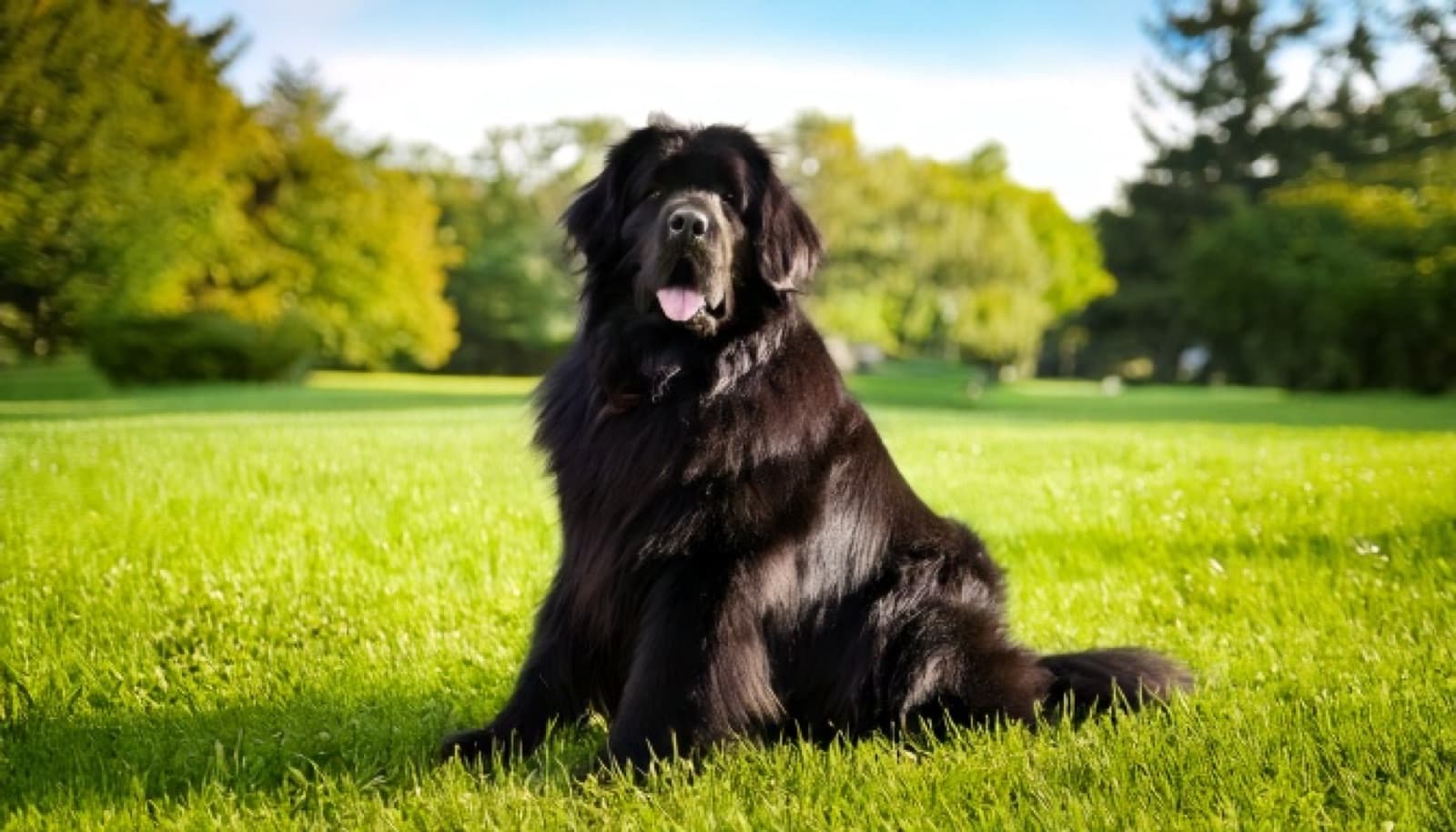
Newfoundland health is, in large part, giant-breed health, the heart, the risk of bloat, the joints, and the shorter lifespan that come with a very large dog, plus a couple of breed-specific concerns like SAS and cystinuria. Understanding these lets an Ottawa owner plan and protect the dog. This is a planning list; every point should be discussed with your own veterinarian, who should always be told the breed.
Bloat (GDV) is a race against the clock
A distended abdomen, unproductive retching, restlessness, and collapse point to bloat, a life-threatening emergency in deep-chested giant breeds that can kill within hours and needs immediate surgery. Get to an emergency vet at once, never wait-and-see. Ottawa has 24-hour care including the Alta Vista Animal Hospital. Ask your vet about a preventive gastropexy, and save the emergency number now.
Heart, bloat, joints, and cystinuria
Heart (SAS). The breed’s signature concern, often first found as a murmur; source from heart-tested lines, have the heart checked at every vet visit, and follow cardiology guidance if diagnosed. Bloat. The deep chest puts the breed at real GDV risk, feed smaller meals, avoid heavy exercise around meals, and discuss a preventive gastropexy.
Joints. Hip and elbow dysplasia are common and matter in a giant dog, keep the Newfie lean, manage puppy growth carefully, and value breeders who screen. Cystinuria. A breed-specific inherited stone disorder (testable); manage with hydration, diet, and monitoring, and treat inability to urinate as an emergency.
Heat. The heavy coat makes Newfoundlands prone to overheating, manage Ottawa summers with shade, water, AC, and cool-of-day activity, and never shave the coat. See our grooming, drool, and heat guide, our Ottawa low-cost vet guide for savings, and the Canadian Kennel Club for breed background.
Meet a healthy Newfoundland in Ottawa
Rescue Newfoundlands come with a vet workup and honest health notes, including any heart findings. Browse available Newfoundlands and mixes from Ottawa and Ontario rescues.
See Available Newfoundlands →Frequently Asked Questions
What health problems are Newfoundlands prone to?
Newfoundlands are a giant breed, and their health picture reflects that, along with a few breed-specific concerns Ottawa owners should plan for. The most important breed-specific issue is subvalvular aortic stenosis (SAS), a heart condition the breed is notably prone to, which can range from mild to serious and, in significant cases, shorten life. As a large, deep-chested breed, Newfoundlands are also at real risk for bloat (gastric dilatation-volvulus, GDV), a life-threatening emergency. Orthopedically, hip and elbow dysplasia are common (and more consequential in such a heavy dog). The breed also has a specific inherited condition called cystinuria, a defect in kidney processing that leads to cystine bladder stones, for which testing exists. Other considerations include other heart conditions, hypothyroidism, and, because of the heavy coat, real heat sensitivity (a management issue more than a disease). Giant breeds also have shorter lifespans than smaller dogs. Most of these are managed through good breeding (health-tested parents, including heart and hip screening), keeping the dog lean, bloat awareness, careful heat management, and attentive veterinary care. Overall a well-bred Newfoundland from health-tested lines is a wonderful dog, and the highest-value things an owner can do are heart screening, bloat awareness, and weight and heat management. Always make health decisions for your individual dog with your veterinarian.
What is SAS, and why do Newfoundland owners need to know about it?
Subvalvular aortic stenosis (SAS) is a congenital (present-from-birth) heart condition in which a ridge or band of tissue below the aortic valve narrows the outflow of blood from the heart, forcing the heart to work harder, and it is the most important breed-specific health concern in the Newfoundland, which is notably predisposed to it. SAS ranges widely in severity: mild cases may cause few problems and a normal or near-normal life, while moderate-to-severe cases can lead to exercise intolerance, fainting, and, in the worst cases, sudden death or heart failure, sometimes in a young dog. SAS is often first detected as a heart murmur on a routine veterinary exam, and diagnosis and grading involve cardiac ultrasound (echocardiogram), ideally by a veterinary cardiologist. This is a major reason responsible Newfoundland breeders have their breeding dogs’ hearts screened by a cardiologist and do not breed affected dogs, and why sourcing from heart-tested lines matters so much. For an owner, the practical points are: have your Newfoundland’s heart listened to at every vet visit (murmurs prompt further investigation), be aware of signs like exercise intolerance or fainting, and follow your vet’s or cardiologist’s guidance if SAS is diagnosed (management may include activity modification and, in some cases, medication). For an adopted Newfie, ask the rescue whether a heart murmur has ever been noted, and consider a cardiac check. SAS awareness is central to Newfoundland health.
What is bloat, and why is it a risk for Newfoundlands?
Bloat, medically gastric dilatation-volvulus (GDV), is a sudden, life-threatening emergency in which the stomach fills with gas and can twist on itself, cutting off blood supply, and it is one of the most important things for any giant, deep-chested breed owner, including Newfoundland owners, to understand, because it can kill a dog within hours and requires immediate emergency surgery. The signs every Newfie owner must know include a distended or swollen abdomen, unproductive retching (trying to vomit with nothing coming up), restlessness and obvious distress, drooling (harder to spot in an already-drooly breed, so watch for a change), pacing, and collapse, and if you see these, it is a race to an emergency vet, not a wait-and-see situation. Because the Newfoundland is a large, deep-chested breed, the risk is real. Risk-reduction strategies to discuss with your vet include feeding smaller meals rather than one large one, avoiding heavy exercise right before and after eating, using measures to slow fast eaters, and considering a preventive gastropexy (a surgery that tacks the stomach in place to prevent the twist), often done at spay/neuter and worth discussing for a giant breed. Knowing the signs and having an emergency plan, including the number of a 24-hour Ottawa vet, is essential for any Newfoundland owner, this is the one condition where minutes truly matter.
Do Newfoundlands have hip, joint, or urinary problems?
Yes, all three are worth knowing for the breed. On joints, hip and elbow dysplasia, inherited malformations leading to arthritis, are common in Newfoundlands and more consequential because of the breed’s great size and weight, with signs including stiffness, difficulty rising, reluctance to climb or move, and lameness; responsible breeders screen hips and elbows, and the biggest owner-controlled levers are keeping the dog lean (excess weight dramatically worsens joint disease in a giant breed), managing growth appropriately in puppyhood (giant-breed puppies should not be overfed or over-exercised while their joints develop, and need an appropriate large/giant-breed diet), and providing sensible, non-jarring exercise. On urinary health, Newfoundlands have a specific inherited condition called cystinuria, a defect in the kidneys’ handling of the amino acid cystine that leads to cystine crystals and bladder stones, which can cause straining, blood in the urine, and, in a serious emergency (more common in males), a urinary blockage; cystinuria is testable, and affected dogs are managed with diet, medication, high water intake, and monitoring, so ensuring good hydration and knowing the urinary warning signs matters. None of these is a reason to avoid the breed, they are what a Newfoundland owner watches for and what good breeding screens against. For an adopted Newfie, keeping the dog lean protects the joints, and knowing any urinary history helps, treat inability to urinate as an emergency.
How long do Newfoundlands live, and is pet insurance worth it?
Newfoundlands typically live around 9 to 10 years, which is on the shorter side and reflects the reduced lifespan of giant breeds generally, a well-cared-for Newfie, kept lean with attentive heart, joint, and weight care, bloat awareness, and careful heat management, has the best chance of reaching or exceeding that. On insurance: it is often particularly worthwhile for the breed, and arguably more compelling than for many, because the Newfoundland combines giant-breed baseline costs with the potential for genuinely expensive conditions, cardiac care for SAS, emergency bloat surgery, giant-breed orthopedic surgery, and cystinuria management can each run into significant money, and insurance taken out while the dog is young and healthy locks in coverage before anything becomes a pre-existing exclusion. This matters especially for the heart and hips: if a murmur, SAS, or dysplasia is already documented, no insurer will cover the related care, and these are among the breed’s most likely and costly issues. The unpredictable big-ticket items (bloat, cardiac, orthopedic) are exactly what insurance is designed for. Premiums for a young giant breed are typically higher than for a small dog (reflecting size and risk), often $60 to $110-plus a month in Ottawa. Weigh it against your savings buffer: giant-breed emergencies are among the most expensive in veterinary medicine, so if you could not comfortably absorb a several-thousand-dollar surgery or cardiac workup, insurance is sensible. For an adopted adult Newfie, ask about any known heart, joint, or urinary issues before insuring. Either way, keeping the dog lean, heart screening, bloat awareness, and heat management are the biggest levers for a long, healthy Newfoundland life.
Related Guides
New dog? Start with these care guides
Everything a new adopter needs to set up a safe, happy home.