The short answer
The Newfoundland’s thick double coat needs brushing several times a week (daily during the twice-yearly coat blows) with a slicker brush and undercoat rake, plus periodic professional grooming, and it sheds heavily year-round. Never shave the coat (it insulates against cold and heat). The breed drools, keep cloths handy and accept the slobber, it can’t be eliminated. Critically, the heavy coat makes Newfies heat-sensitive: an Ottawa summer needs AC, shade, water, cool-of-day activity, and heatstroke vigilance (swimming is a great cool-down). Winters, by contrast, are the breed’s element. Grooming, drool, and summer heat are the real daily commitments, not exercise.
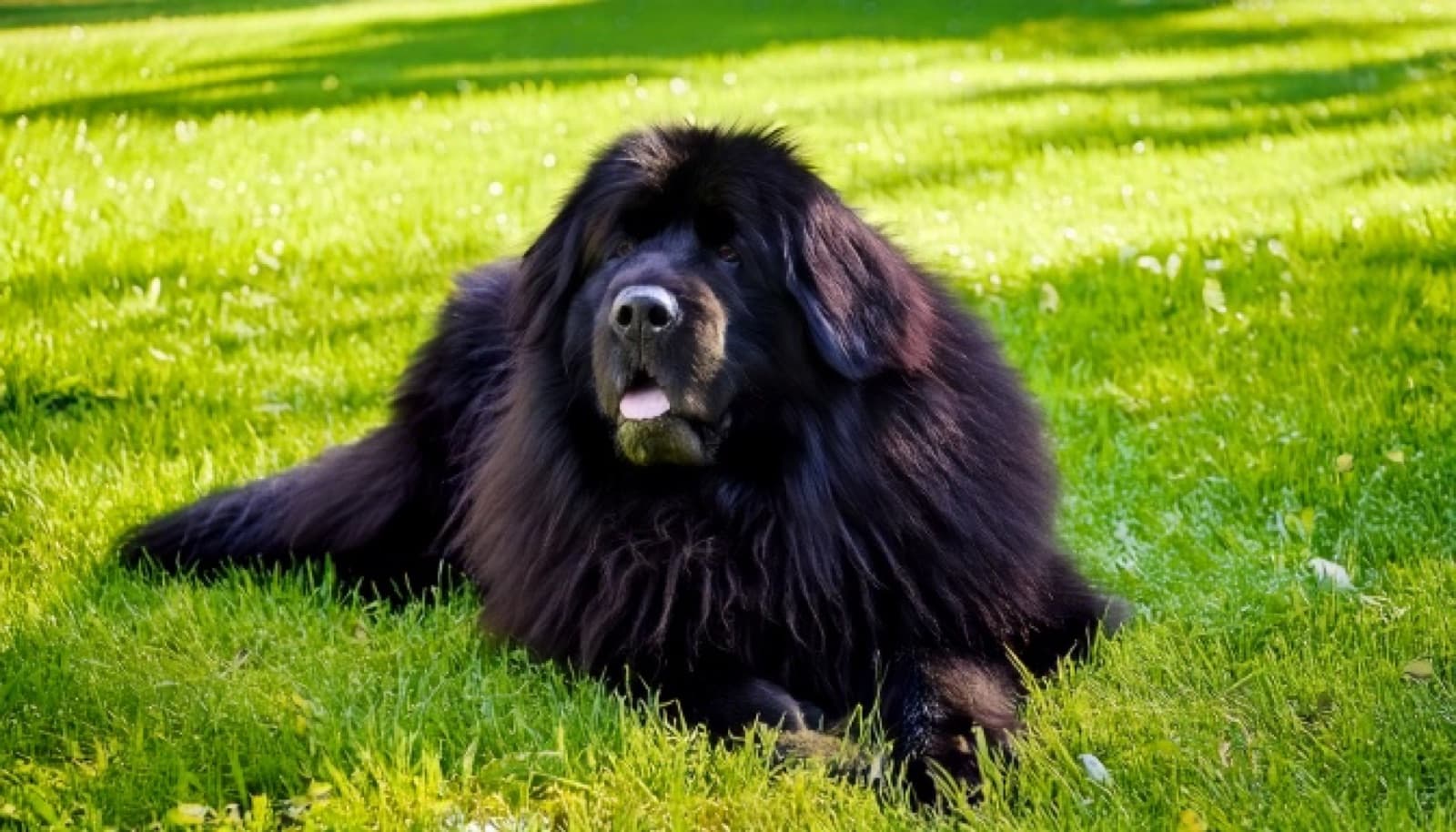
Owning a Newfoundland is wonderful, and it is also hands-on. The same magnificent coat that makes the breed so striking (and so comfortable in an Ottawa winter) demands real grooming and sheds heavily, the loose jowls that give the gentle face its character produce a lot of drool, and that heavy coat makes summer heat a genuine safety issue. Understand these three realities, and the day-to-day care of a gentle giant is entirely manageable.
Heat is a real summer danger, never shave the coat
The heavy double coat makes Newfoundlands prone to overheating, and heatstroke is a real Ottawa summer risk. Provide AC, shade, and water, exercise only in the cool of the day, and watch for frantic panting, weakness, or collapse (an emergency). Do not shave the coat to cool the dog, it insulates against heat as well as cold and protects the skin. Swimming is a great, safe cool-down for this water-loving breed.
The coat, the drool, and the seasons
Coat. Brush the thick double coat several times a week (daily during coat blows) with a slicker brush and undercoat rake, working to the skin in the mat-prone zones (behind the ears, armpits, feathering). Add periodic professional grooming for a bath and de-shed. Expect heavy shedding year-round, and never shave.
Drool. Inherent to the breed (from the loose jowls), worst after drinking, eating, and in heat. Keep cloths handy around the house and car, wipe the jowls after water, and accept a certain amount of slobber, it varies by dog, so ask a rescue.
Seasons. Winter is the Newfoundland’s joy (dry the coat after snowy outings, wipe off road salt), while summer needs real heat vigilance. Build in the giant-breed basics too, keep the dog lean and know the signs of bloat. See our Newfoundland health guide for the medical side, and the Canadian Kennel Club for breed-standard grooming background.
Ready for the coat and the cloths?
If you can commit to the grooming, drool, and summer heat care, a Newfoundland is a gentle, devoted giant. Browse available Newfoundlands and mixes from Ottawa and Ontario rescues, refreshed regularly.
See Available Newfoundlands →Frequently Asked Questions
How much grooming does a Newfoundland need?
Newfoundlands need substantial grooming, and this is a real, ongoing commitment of owning the breed. The Newfoundland has a thick, heavy, water-resistant double coat, a coarse outer coat over a dense undercoat, and it requires regular brushing to prevent matting and manage the significant shedding, realistically several times a week, and often daily during the heavy seasonal “coat blows” twice a year when the undercoat sheds in enormous quantities. Brushing a coat this large and dense takes real time (expect a proper session to take a while), and you will need good tools: a sturdy slicker brush, an undercoat rake, and a metal comb, working systematically down to the skin to prevent mats forming underneath, especially in high-friction areas like behind the ears, the armpits, and the feathering on the legs and tail. Many owners also use a professional groomer periodically for a thorough bath, blow-dry, de-shedding, and tidy (bathing a giant, heavily coated dog at home is a major undertaking). Beyond the coat, grooming includes regular nail trims (important for a heavy dog), ear cleaning, and dental care. Crucially, never shave a Newfoundland’s double coat, whether to reduce shedding or to cool the dog, the coat insulates against both cold and heat and protects the skin, and shaving can damage it and impair temperature regulation. Grooming a Newfoundland is a genuine part of the breed’s care, not an occasional afterthought.
Do Newfoundlands shed a lot?
Yes, Newfoundlands shed a great deal, and it is one of the practical realities that surprises unprepared owners. The thick double coat sheds moderately to heavily year-round, and then “blows” dramatically twice a year (typically spring and fall) when the dense undercoat sheds in huge quantities over a few weeks, producing tumbleweeds of black fur throughout the home. Managing the shedding means committing to regular brushing year-round (which removes loose hair before it ends up on your floors and furniture) and intensive daily brushing during coat-blow season, plus tolerance for fur on everything, this is a breed that leaves its mark on a household. A good undercoat rake and de-shedding tools are essential, and periodic professional grooming with a high-velocity blow-dry can remove a remarkable amount of loose undercoat at once. As with the coat generally, you should never shave a Newfoundland to reduce shedding, the double coat serves important functions and does not grow back properly after shaving. Prospective owners who cannot tolerate significant dog hair in their home, or who are house-proud, should think carefully about whether the breed suits them. For those who can accept it, the shedding is simply part of life with a magnificent dog, and a good brushing routine keeps it manageable. Combined with the drool, the shedding means a Newfoundland home is not a pristine one, and that is worth being honest with yourself about before adopting.
How do I manage a Newfoundland’s drool?
Managing a Newfoundland’s drool is mostly about acceptance, routine cleanup, and a good supply of cloths, because the drool itself cannot be eliminated, it comes from the breed’s loose jowls (flews) and is an inherent feature. Newfoundlands drool most after drinking (water gets caught in the jowls and then slung around), after eating, when hot, when excited, and in anticipation of food, and a head shake can fling slobber several feet onto walls, furniture, clothing, and people. Practical management includes: keeping “drool rags” or microfibre cloths handy throughout the house and in the car so you can wipe the dog’s mouth (especially after it drinks) and clean surfaces quickly; wiping the jowls after meals and water; cleaning walls and furniture regularly; protecting your clothing when you know slobber is likely; and simply building the cleanup into your routine. There is real variation between individual dogs, some Newfies drool much more than others, so if drool is a concern, ask a rescue how much a particular dog slobbers. The key point for a prospective owner is honest expectation-setting: if you cannot tolerate drool on your walls, floors, furniture, and clothes, the Newfoundland is likely not the breed for you, whereas if you can shrug it off and keep a cloth handy, the drool is a small price for one of the most gentle, devoted dogs there is. Go in prepared, with cloths ready and realistic expectations, and the drool becomes just a manageable quirk.
Are Newfoundlands sensitive to heat, and how do I keep one cool in Ottawa summers?
Yes, Newfoundlands are genuinely sensitive to heat, and it is one of the most important care considerations for the breed in Ottawa, because the thick, heavy double coat that makes them so comfortable in cold weather also makes them prone to overheating in hot, humid conditions, and heatstroke is a real risk. In Ottawa’s hot, humid July and August, keeping a Newfoundland safe means: providing air conditioning or a consistently cool space (this is close to essential for such a coated giant in summer), constant access to fresh water and shade, exercising only in the cool of early morning or evening (never in the heat of the day and never strenuously in warm weather), and never leaving the dog in a hot car or space. Watch for the signs of overheating, heavy frantic panting, excessive drooling (harder to judge in an already-drooly breed, so watch for a change or distress), weakness, bright red gums, and collapse, which constitute an emergency needing immediate cooling (cool, not ice-cold, water) and veterinary care. Newfoundlands often love water, so access to safe swimming (with supervision and water-safety awareness) is a wonderful way to help them cool off and exercise in summer. Crucially, do not shave the coat to cool the dog, that is a myth that can backfire by removing the coat’s insulating and protective functions; manage the environment instead. The happy flip side is that Ottawa winters are the Newfoundland’s element, this cold-weather breed revels in snow and cold, so it is summer heat, not winter, that owners must actively plan around.
What does a Newfoundland’s overall care routine look like in Ottawa?
A Newfoundland’s care routine centres on the coat, the drool, and, seasonally, heat management, and it is more hands-on than for an average dog. Weekly (and more often in coat-blow season): brush the thick double coat thoroughly with a slicker brush and undercoat rake to prevent matting and manage shedding, and wipe the drool and clean surfaces as needed. Regularly: trim nails (important for a heavy dog), clean the ears, brush the teeth or provide dental care, and check the skin under that dense coat. Periodically: consider professional grooming for a proper bath, blow-dry, and de-shed. Daily, keep drool cloths handy and manage the slobber. Exercise-wise, Newfoundlands have moderate needs, regular walks and, ideally, swimming (which they usually love and which is easy on the joints), but they are not high-energy, so the effort is in the grooming and heat management more than the exercise. Seasonally in Ottawa: winter is easy and joyful for this cold-loving breed (just dry the coat after wet, snowy outings and wipe off road salt), while summer requires real heat vigilance (AC, shade, water, cool-of-day activity, and never shaving the coat). Also build in the giant-breed basics: keep the dog lean to protect the joints, know the signs of bloat, and stay on top of veterinary care. None of this is difficult individually, but the grooming, drool, and summer heat management are genuine, ongoing responsibilities that owners of short-coated or small breeds simply do not have, and they are the day-to-day reality of sharing your life with a gentle giant.
Related Guides
New dog? Start with these care guides
Everything a new adopter needs to set up a safe, happy home.