The short answer
Shelties are hardy and long-lived (12 to 15 years), but the single most important thing to know is MDR1, a common herding-breed gene mutation that makes affected shelties dangerously sensitive to certain common drugs. DNA-test for it and always tell your vet your dog is a sheltie. Also plan for eye conditions (Collie Eye Anomaly, PRA, both DNA-testable), hip dysplasia, hypothyroidism, and a couple of inherited blood/skin conditions. Routine Ottawa care runs $800 to $1,400 a year plus HST, with low grooming cost. Know MDR1, keep the dog lean, source from tested lines, and consider insuring early. Make all health decisions with your vet.
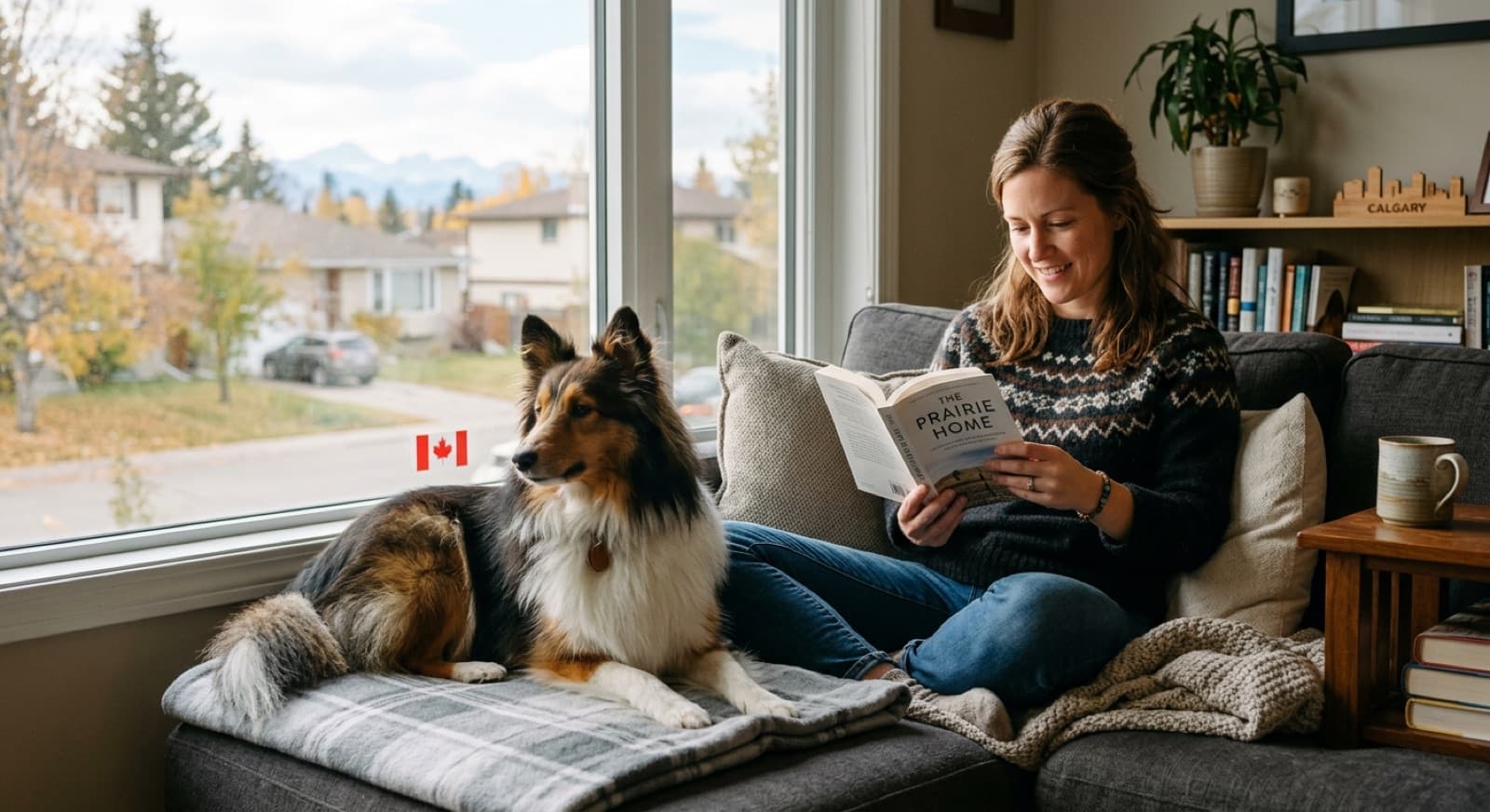
Shelties are a robust, long-lived breed, and most stay healthy for many years, but they carry a handful of inherited conditions, and one of them, the MDR1 drug sensitivity, is genuinely a piece of life-saving knowledge every owner should have. Understanding these lets an Ottawa owner protect the dog. This is a planning list; every point should be discussed with your own veterinarian, who should always be told the breed.
MDR1: tell every vet your dog is a sheltie
Many shelties carry the MDR1 mutation, which makes them dangerously sensitive to certain common medications, sedatives, and anesthetics. DNA-test for it (an inexpensive cheek swab) and always tell any vet your dog is a sheltie before any drug, sedation, or anesthesia. This simple step prevents serious, sometimes fatal drug reactions. For an unknown-status rescue, treat as potentially affected until tested.
MDR1, eyes, hips, and thyroid
MDR1. The most important sheltie health issue, a genetic drug sensitivity. Test, and always inform your vet. Safe management is simple once you know the status.
Eyes. Collie Eye Anomaly (present from birth, ranging mild to severe) and PRA (gradual vision loss) occur, both DNA-testable, so source from eye-tested lines and monitor for changes. Cataracts also occur.
Hips, thyroid, and more. Hip dysplasia occurs (keep the dog lean); hypothyroidism is common and easily managed with lifelong medication; and von Willebrand disease (a bleeding disorder, DNA-testable) and dermatomyositis (a skin/muscle condition) occur in the breed. Gallbladder mucoceles can develop with age. For routine-care savings, see our Ottawa low-cost vet guide, and the Canadian Kennel Club for breed background.
Meet a healthy sheltie in Ottawa
Rescue shelties come with a vet workup and honest health and temperament notes. Browse available Shelties and sheltie mixes from Ottawa and Ontario rescues.
See Available Shelties →Frequently Asked Questions
What health problems are Shelties prone to?
Shetland Sheepdogs are generally a hardy, long-lived breed, but they do have several characteristic, largely inherited concerns Ottawa owners should know, many of which good breeding and genetic testing control. Eye conditions are prominent: Collie Eye Anomaly (CEA, an inherited developmental eye condition shared with Collies) and progressive retinal atrophy (PRA) both occur, with DNA tests available, so responsible breeders screen. A crucial breed issue is MDR1 (multidrug resistance) gene sensitivity, a genetic mutation, common in shelties and related herding breeds, that makes affected dogs dangerously sensitive to certain common medications, so every sheltie owner should know about it and ensure their vet does too. Other concerns include hip dysplasia, hypothyroidism (common and manageable), von Willebrand disease (a bleeding disorder, DNA-testable), and dermatomyositis (an inherited skin and muscle condition seen in the breed). They can also develop gallbladder issues (mucocele) with age. Most of these are managed through good breeding (health- and DNA-tested parents), MDR1 awareness, keeping the dog lean, and attentive veterinary care. Overall a well-bred sheltie is a healthy, long-lived dog, and the single most important owner action is knowing about MDR1. Always make health decisions for your individual dog with your veterinarian, and ensure your vet knows the breed’s MDR1 risk.
What is MDR1, and why does it matter for shelties?
MDR1 (multidrug resistance 1, also called the ABCB1 gene mutation) is an inherited genetic mutation, common in Shetland Sheepdogs and other herding breeds (Collies, Australian Shepherds, and others), that impairs the dog’s ability to pump certain drugs out of the brain, making affected dogs dangerously sensitive to a number of common medications, and it is one of the most important things for a sheltie owner to understand. Dogs with the MDR1 mutation can suffer serious, sometimes life-threatening neurological reactions to normal doses of certain drugs, including some common parasite preventives (at high doses), some sedatives and anesthetics, certain anti-diarrheal and chemotherapy drugs, and others. The critical protective steps are simple: have your sheltie DNA-tested for MDR1 (an inexpensive cheek-swab test) so you know its status, and always inform any veterinarian that your dog is a sheltie (and its MDR1 status if known) before any medication, sedation, or anesthesia, so they can choose safe drugs and doses. Many routine situations are perfectly safe, this is about avoiding specific problem drugs, not living in fear, but the knowledge genuinely prevents tragedies. For an adopted sheltie of unknown status, testing is worthwhile, and in the meantime treating the dog as potentially affected (and telling your vet) is the safe default. MDR1 awareness is the single most valuable piece of sheltie health knowledge.
Do Shelties have eye problems?
Yes, eye conditions are among the most characteristic sheltie health concerns, reflecting the breed’s Collie relationship, so eye health is a genuine part of sheltie ownership. The two main inherited conditions are Collie Eye Anomaly (CEA), a developmental abnormality of the eye present from birth that ranges from mild (no vision impact) to severe (affecting vision), and progressive retinal atrophy (PRA), a degeneration of the retina causing gradual, painless vision loss and eventual blindness. Both have DNA tests, so responsible breeders screen breeding stock and can reduce or avoid producing affected puppies, which is a key reason sourcing from health-tested lines matters. Shelties can also develop cataracts and other eye issues. For an owner, the practical steps are: source from eye-tested lines where possible, have any change in your dog’s vision or the appearance of its eyes (cloudiness, redness, bumping into things, hesitancy in dim light) checked by a vet or veterinary ophthalmologist, and consider periodic eye exams. For an adopted sheltie, ask the rescue about any known eye history, and monitor for changes. While eye conditions sound alarming, many shelties with mild CEA live entirely normal lives, and the DNA testing available means the breed’s eye health has improved where breeders test. Still, the eyes are an area every sheltie owner should keep on the radar.
How much does Sheltie health care cost in Ottawa?
Routine annual care for a small-to-medium dog, a wellness exam, vaccines, parasite prevention, and dental attention, runs roughly $800 to $1,400 a year for a sheltie in Ottawa, plus Ontario’s 13 per cent HST, with grooming costs low since most owners brush the shedding coat at home. One worthwhile one-time cost is DNA testing for MDR1 (and, if desired, other breed conditions), an inexpensive but genuinely valuable test. The budget wildcards are the inherited conditions: eye conditions (CEA is usually just monitored, but cataract surgery or specialist eye care can be costly); hip surgery if dysplasia is severe; hypothyroidism (lifelong but inexpensive medication once diagnosed); von Willebrand or dermatomyositis management; and gallbladder surgery if a mucocele develops with age. The most important cost-saver is not financial but safety: knowing your dog’s MDR1 status and informing your vet prevents dangerous, expensive drug reactions. Overall shelties are a reasonably economical breed to own, but the possibility of a surgical or chronic issue means many owners still find pet insurance worthwhile, ideally taken out while the dog is young and healthy. See our Ottawa low-cost vet guide for routine-care savings, and always ensure your vet knows the breed for medication safety.
Is pet insurance worth it for a Sheltie, and how long do they live?
Shelties are a long-lived breed, typically living around 12 to 15 years, and a well-cared-for sheltie, kept lean with attentive eye, thyroid, and dental care and MDR1 awareness, has a good chance of reaching the upper end. On insurance: it is a reasonable choice, because although shelties are generally healthy, the breed does carry real possibilities, eye conditions, hip issues, hypothyroidism, bleeding or skin disorders, and gallbladder problems with age, that can each become expensive, and insurance taken out while the dog is young and healthy locks in coverage before anything becomes a pre-existing exclusion. This matters most for the chronic and surgical items: any diagnosed condition tends to be excluded thereafter. Premiums for a young sheltie commonly run $40 to $70 a month in Ottawa (small-to-medium breeds are often at the lower end). Weigh it against your savings buffer: if you could comfortably absorb a surgical or specialist bill, self-insuring a generally healthy, long-lived breed is defensible; if not, early coverage is sensible. For an adopted adult sheltie, ask the rescue about any known eye, thyroid, or other history before insuring, since those may already be excluded. Whatever you decide on insurance, the two non-negotiables for a sheltie are MDR1 awareness and keeping the dog lean, both of which do more for long-term health and safety than anything else. For Ottawa owners, that lifespan means well over a decade of a devoted, intelligent companion.
Related Guides
New dog? Start with these care guides
Everything a new adopter needs to set up a safe, happy home.