The short answer
The cocker's signature issue is chronic ear infections (the long hairy ears trap moisture, a lifelong management job). Also plan for eye conditions (cherry eye, glaucoma, PRA, cataracts, dry eye), hip dysplasia and luxating patella, and predispositions to heart disease and autoimmune conditions. Cockers live 12 to 15 years. Routine Toronto care runs $900 to $1,500 a year, plus grooming every 6 to 8 weeks. Stay rigorous about ear care, monitor the eyes and act fast on changes, keep the dog lean, and consider insuring early. Browse adoptable Toronto dogs.
Ears: the signature issue
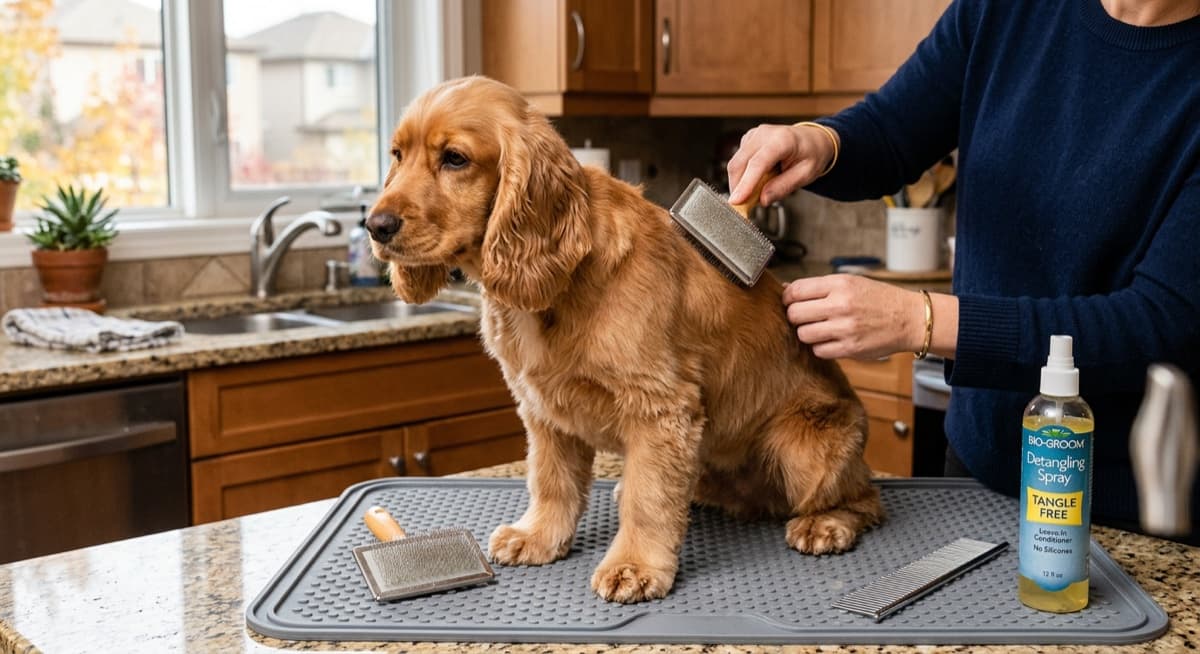
The cocker's long, heavy, hairy ears seal off the canal and trap moisture, making chronic ear infections a lifelong susceptibility, and the concern most cocker owners actually manage. Diligent routine care is the key: regular cleaning, thorough drying after baths or swims, managing the inner-ear hair, and addressing any underlying allergy. The signs, head shaking, scratching, odour, redness, and discharge, should never be ignored, and recurrent infections warrant a vet visit to find the underlying cause. Our ear-care and grooming guide covers the routine in detail.
Eyes, joints, heart, and autoimmune
Beyond the ears, cockers are strongly associated with eye conditions, cherry eye, glaucoma (urgent), PRA, cataracts, and dry eye, so regular eye checks and prompt attention to any change are essential. Hip dysplasia and luxating patella occur, and keeping the dog lean protects the joints. The breed is also predisposed to certain heart conditions and to autoimmune diseases like AIHA, so having the heart listened to at vet visits, and staying alert to signs like weakness or pale gums, is worthwhile. Sourcing from health-tested lines, or knowing a rescue dog's history, lowers the odds. Our low-cost vet guide covers routine-care savings.
Costs and insurance in Toronto
Because cocker health needs are both common (ears, eyes) and occasionally serious (heart, autoimmune), lifetime costs can run higher than a similarly sized breed without these predispositions. The eye conditions in particular, cherry-eye surgery, glaucoma, cataracts, can be individually expensive, which is why pet insurance, taken out while the dog is young and healthy, is often worthwhile: it locks in coverage before anything becomes a pre-existing exclusion. For an adopted adult cocker, ask the rescue about any known ear, eye, or heart history first. Either way, staying rigorous about ear care and keeping the dog lean are the biggest free protections. The Canadian Kennel Club has more on the breed.
Meet adoptable Cocker Spaniels in Toronto
Rescue cockers come with a vet check and honest foster notes, including any known ear or eye history.
See Available Cocker Spaniels →Frequently Asked Questions
What health problems are Cocker Spaniels prone to?
Cockers are lovely dogs but do carry a number of characteristic concerns. The most famous is chronic ear infections, the long, heavy, hairy ears trap moisture and make the breed extremely prone to painful, recurrent infections, a lifelong management issue. Eye conditions are the other big category: cherry eye, glaucoma (painful and vision-threatening), progressive retinal atrophy (PRA), cataracts, dry eye, and eyelid abnormalities. Orthopedically, hip dysplasia and luxating patella occur. The breed is also predisposed to certain heart conditions, some autoimmune diseases (notably autoimmune hemolytic anemia), and skin conditions and allergies. Most are manageable, and the highest-value everyday things an owner can do are stay rigorous about ear care, monitor the eyes and act promptly on changes, and keep the dog lean. Always make health decisions with your veterinarian.
Why are Cocker Spaniels so prone to ear infections?
It comes down to anatomy: the long, heavy, pendulous ears covered in hair hang down over the ear canal, sealing it off from air and trapping heat, moisture, wax, and debris, creating an environment where yeast and bacteria flourish. Add the breed’s tendency toward allergies (which drive ear inflammation) and hair that grows inside the canal, and you get one of the most ear-infection-prone breeds there is. Chronic or recurrent infections are painful and, if neglected, can require surgery. The signs, head shaking, scratching at the ears, odour, redness, discharge, and pain, should never be ignored. Prevention is diligent routine care, covered in our ear-care and grooming guide. Recurrent infections warrant a vet visit to check for an underlying allergy.
What eye problems do Cocker Spaniels have?
Cockers are one of the breeds most associated with eye problems, so eye care is a real part of ownership. The conditions to know include cherry eye (the tear gland of the third eyelid prolapses as a red mass, usually needing surgical repositioning), glaucoma (increased pressure in the eye, painful and rapidly vision-threatening, something of an emergency), progressive retinal atrophy (PRA, gradual inherited vision loss), cataracts, dry eye (needing lifelong management), and eyelid abnormalities. Signs of eye trouble, redness, cloudiness, a visible mass, squinting, tearing, a painful or enlarged eye, or bumping into things, warrant prompt veterinary attention, and a suddenly painful, red eye should be treated urgently. Responsible breeders screen eyes. Regular eye checks and keeping the eye-area hair trimmed help.
How much does Cocker Spaniel health care cost in Toronto, and is insurance worth it?
Routine annual care runs roughly $900 to $1,500 a year for a medium dog in Toronto, plus ongoing grooming every 6 to 8 weeks. The budget wildcards are the breed conditions, and cockers have a few: chronic ear infections (individually modest but frequent, and they add up), eye conditions (cherry-eye surgery, glaucoma management, cataract surgery, and lifelong dry-eye drops can all be costly), hip surgery if dysplasia is severe, and the potential for expensive care if a heart or autoimmune condition develops. Because cocker health needs are both common (ears, eyes) and occasionally serious (heart, autoimmune), lifetime costs can run higher than a similarly sized breed, which is why many owners find pet insurance worthwhile, ideally taken out while the dog is young and healthy. For an adopted adult cocker, ask the rescue about any known ear, eye, or heart history first.
Do Cocker Spaniels have heart or autoimmune problems?
Both are worth knowing. Cockers are predisposed to certain heart conditions (including dilated cardiomyopathy and valve disease), so having the heart listened to at vet visits and watching for coughing or exercise intolerance as the dog ages is worthwhile. The breed is also prone to some autoimmune diseases, notably autoimmune hemolytic anemia (AIHA), in which the immune system attacks the dog’s own red blood cells, a serious condition whose signs include weakness, pale gums, and lethargy that warrant prompt veterinary attention. Skin conditions and allergies (which often drive the ear problems) are also common. None of these should scare you off the breed, but they are why sourcing from health-tested lines, or knowing a rescue dog’s history, matters, and why staying alert to any change is part of responsible cocker ownership.
How long do Cocker Spaniels live?
Cocker Spaniels typically live around 12 to 15 years, a good lifespan for a medium dog. A well-cared-for cocker, kept lean with diligent ear, eye, and dental care, has a good chance of reaching the upper end. Longevity depends on staying rigorous about ear care, monitoring the eyes and acting promptly on any change, keeping the dog lean, keeping up dental care, managing any allergies, and staying alert to signs of heart or autoimmune disease. For a Toronto owner, that means well over a decade of a sweet, affectionate, merry companion, so the grooming and health-care commitment is a long one, but the payoff is a devoted family dog for many years.
Cocker Spaniel Adoption in Toronto
Where to adopt, costs, and the honest cocker reality.
Cocker Ears & Grooming
Preventing chronic ear infections and matting.
New dog? Start with these care guides
Everything a new adopter needs to set up a safe, happy home.