2 Great Pyrenees puppies available in Ontario
Under a year old, listed by rescues and shelters. Updated as shelters publish.
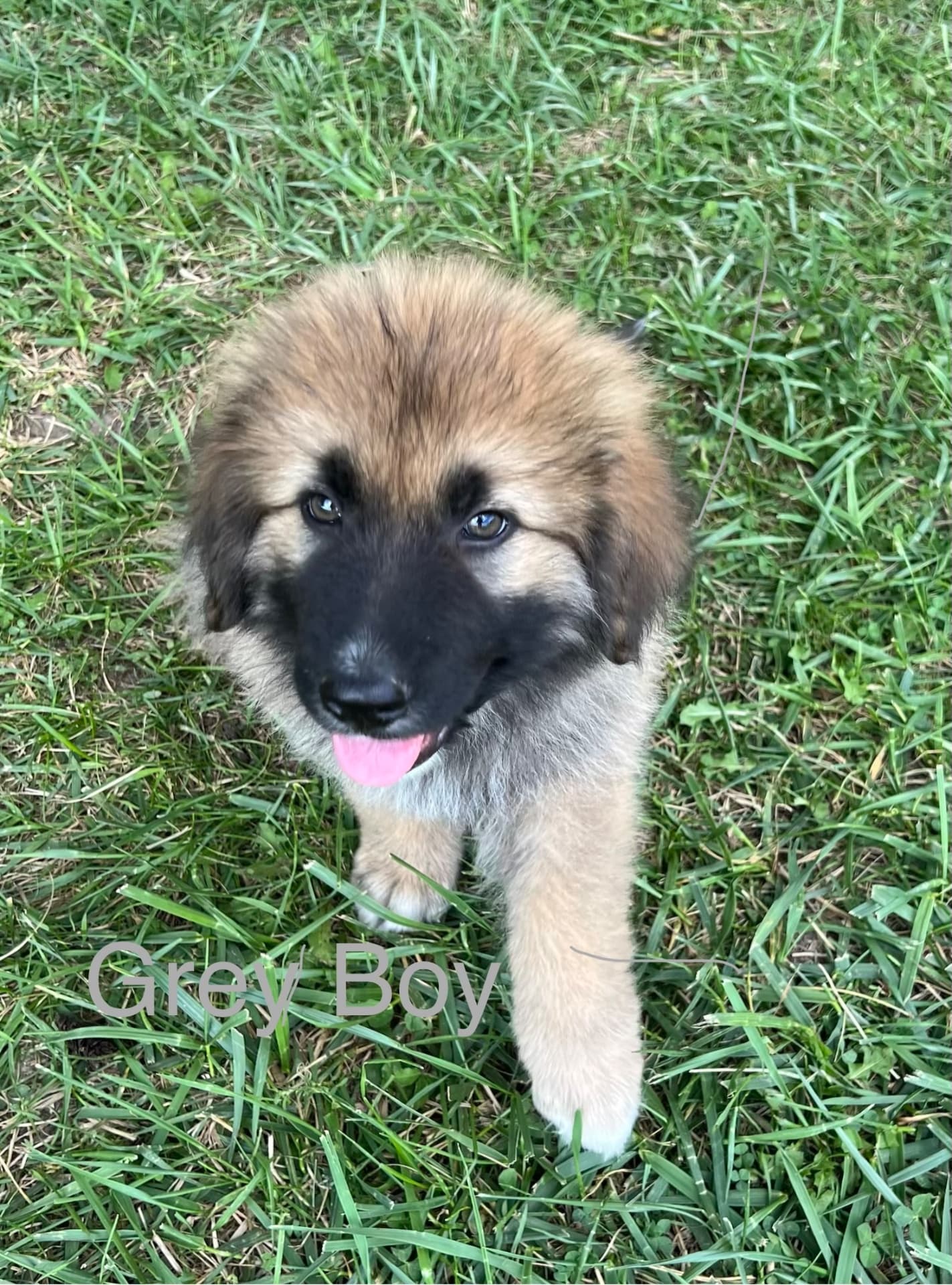
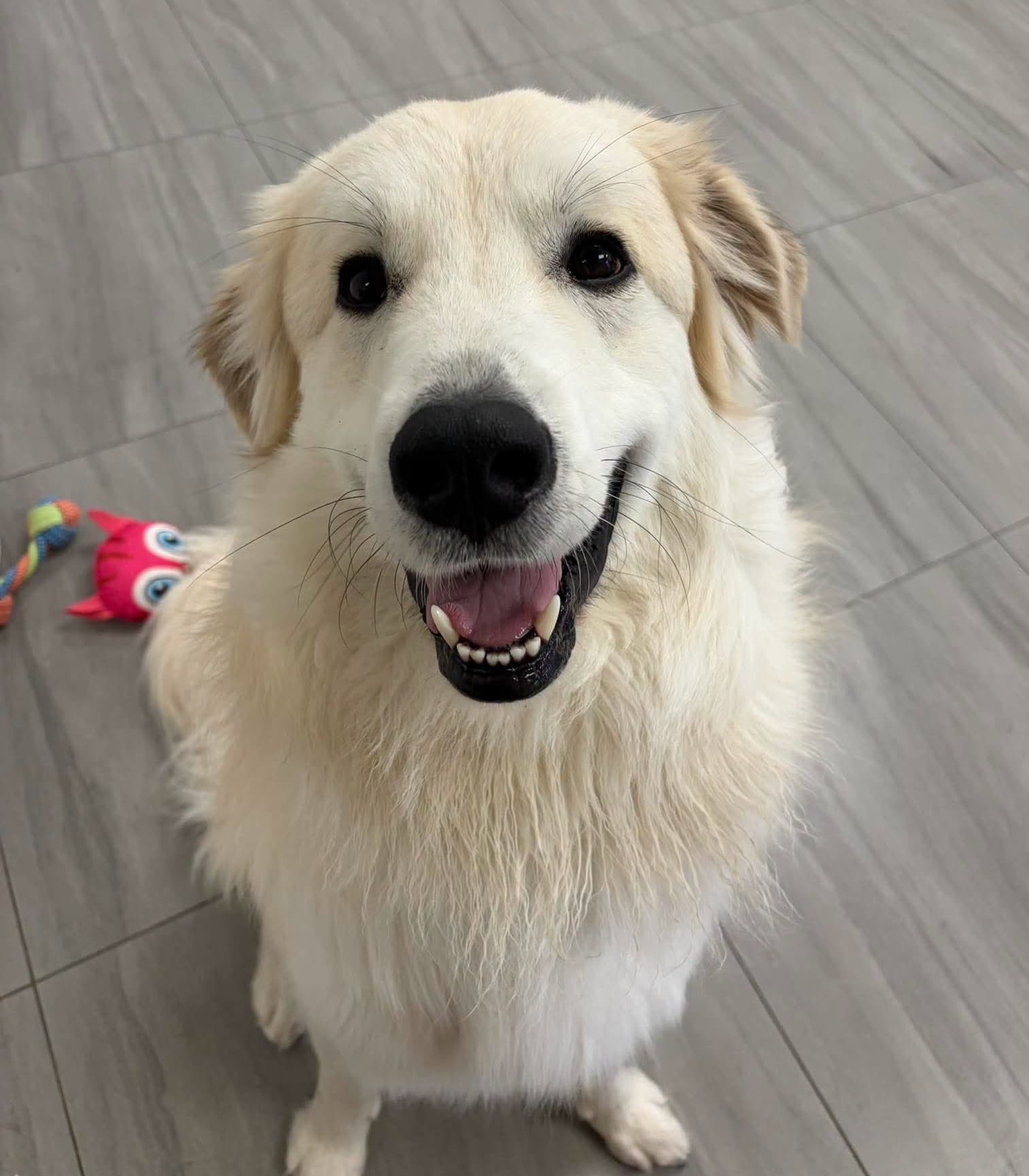
Showing 12 dogs

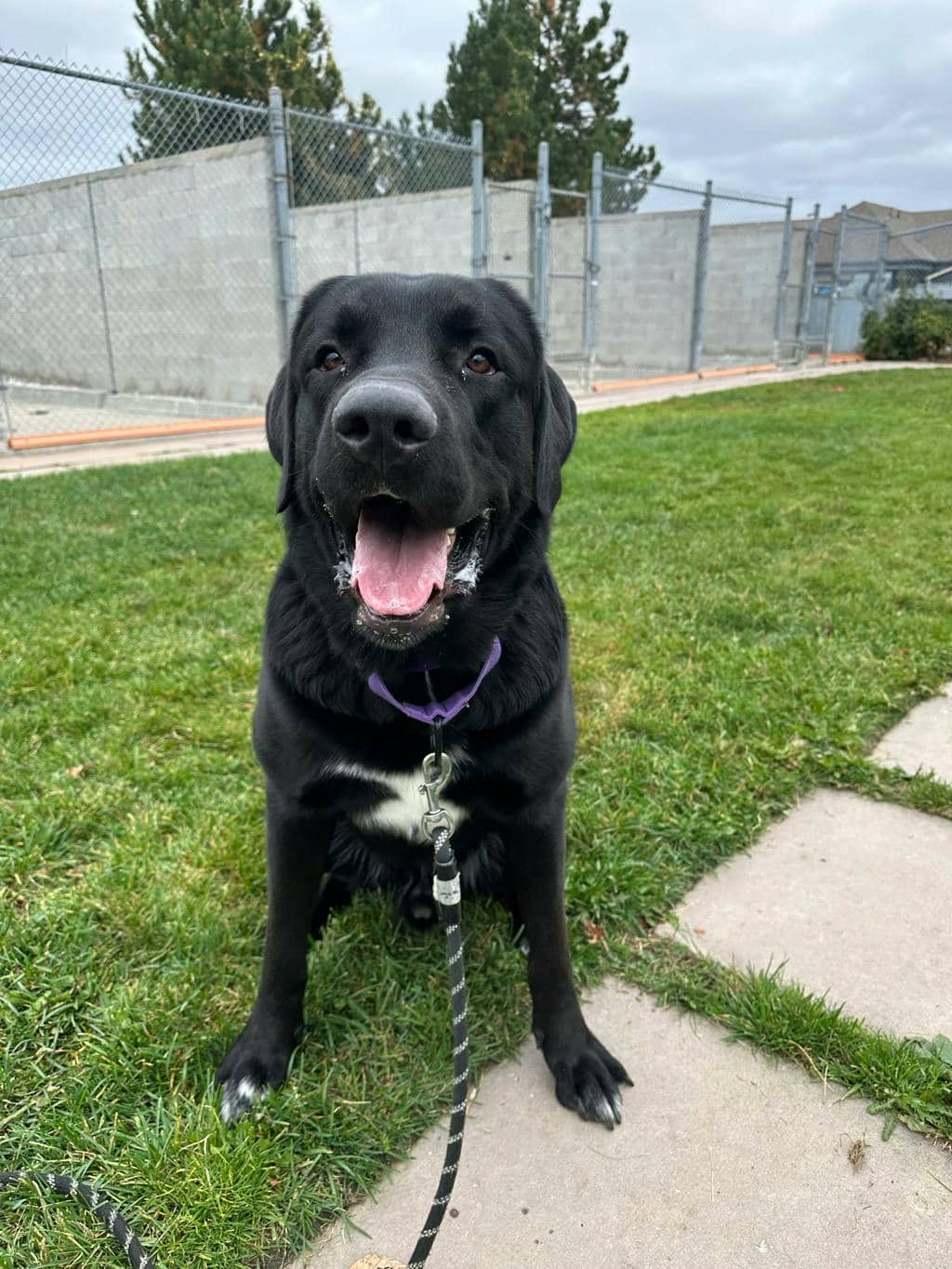
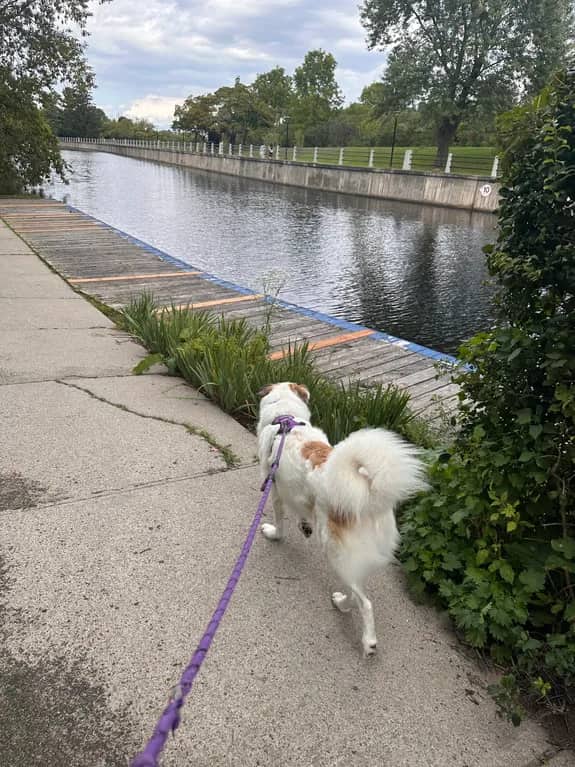
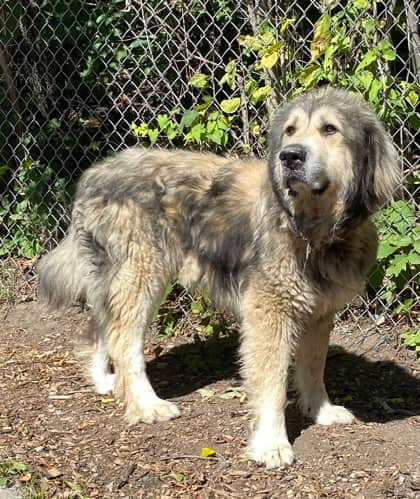
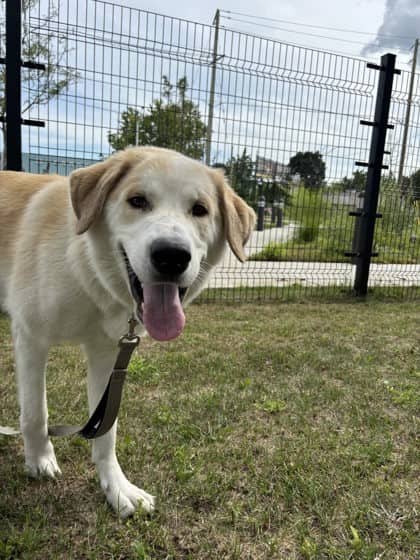
Get notified when a Great Pyrenees is listed
We will email you the moment a Great Pyrenees becomes available in Ontario, from a rescue or an owner rehoming.
Adopting a Great Pyrenees in Ontario
Great Pyrenees turn up moderately in Ontario rescue, often via rural transfer from farms that bought a Pyr as a livestock guardian and could no longer keep it. The Toronto Humane Society, the Ottawa Humane Society, and Ontario SPCA branches across rural Ontario see most of the intake. Many Pyrs arrive in Ontario rescue at 2 to 5 years old, often after being placed and surrendered once already by an urban household that underestimated the breed's temperament. A reputable rescue will provide written foster observations on barking, recall, fence security, and stranger reactivity before approving an application.
Most Pyrs in Ontario rescue are mistaken-identity surrenders. Urban adopters see the white teddy-bear coat and the calm demeanour at intake and assume the dog is a gentle family pet. The breed is gentle with family, but it is also an independent livestock guardian by genetic design — and the behaviours that come with that genetic design are extremely difficult to extinguish in a Toronto or Ottawa neighbourhood.
Livestock guardian traits in a GTA neighbourhood
Pyrs were developed in the Pyrenees mountains to guard sheep against wolves and bears. The instinct is to live with stock, patrol territory, and bark at perceived threats — including a passing pedestrian, a wind-blown plastic bag, a neighbour's door closing two units over, or a fox at 2 a.m. They bark constantly, especially at night. Toronto condos, Ottawa apartment buildings, and dense suburban neighbourhoods create immediate neighbour conflict — noise complaints under Toronto Municipal Code Chapter 591 (Noise) or Ottawa's noise bylaw are predictable. Pyrs do best on acreages, hobby farms, or very rural properties.
They are independent thinkers — the working purpose required them to make decisions without a handler present — which makes traditional obedience training difficult and recall essentially nonexistent. A Great Pyrenees should never be off-leash in unfenced spaces in Ontario. Toronto and Ottawa off-leash parks (High Park, Cherry Beach, Sunnybrook, Bruce Pit, Conroy Pit) are not fenced, and a Pyr that decides to patrol a 10 km territory is genuinely difficult to recover. Secure six-foot fencing at home with dig-prevention is essential. They are not aggressive but they are powerful (85 to 120+ lbs) and confident.
Coat, climate, and lifetime health
The thick white double coat insulates against minus 30+ indefinitely — Pyrs love snow and seek it out, and a Pyr at minus 25 in February is genuinely comfortable. Toronto humid summers above 28°C with humidex are the harder season. The dense coat traps heat and the breed cannot dump heat efficiently in GTA humidex conditions. Air conditioning indoors is essential and exercise must be restricted to dawn or after sunset on humid days. Never shave the coat — it damages regrowth and impairs heat regulation. Grooming runs $100 to $200 per professional visit at GTA salons every 6 to 10 weeks, plus daily brushing during the spring and fall coat blow.
Health: hip and elbow dysplasia, osteochondritis dissecans (OCD, a developmental joint condition), entropion, addisons disease and other autoimmune conditions, bloat (gastric dilatation-volvulus, $4,000 to $7,000 emergency surgery at GTA practices), and patellar luxation. Median lifespan is 10 to 12 years (long for a giant breed). The Ontario Veterinary College in Guelph and VCA Canada specialty branches handle the orthopaedic and endocrinology workups.
Looking more broadly? Browse every adoptable dog across the province on Dog Adoption Ontario.
The rescues that most often list Great Pyrenees across the province are Toronto Humane Society, Ottawa Humane Society, and Ontario SPCA (Ottawa Area). For breed-specific background, the Canadian Kennel Club is a useful reference.
Great Pyrenees Adoption FAQ — Ontario
Tap a question to expand
How many Great Pyrenees are available for adoption in Ontario?▼
Where can I adopt a Great Pyrenees near me in Ontario?▼
Are Great Pyrenees good apartment dogs?▼
Can a Great Pyrenees be off-leash in Toronto or Ottawa?▼
Can a Great Pyrenees handle a Toronto summer?▼
How much does it cost to adopt a Great Pyrenees in Ontario?▼
Can I get a Great Pyrenees free to a good home in Ontario?▼
Are these Great Pyrenees for sale in Ontario?▼
Where can I buy a Great Pyrenees in Ontario, and should I?▼
Are there free Great Pyrenees in Ontario, or great pyrenees under $500?▼
Are there Great Pyrenees puppies in Ontario, or only adults?▼
Where can I find a Great Pyrenees near me in Ontario?▼
Popular dog breeds in Ontario
Great Pyrenees adoption by city in Ontario
Each city page lists only the great pyrenees available from rescues serving that city, with local adoption details.
Need to rehome a Great Pyrenees?
If you can no longer keep your Great Pyrenees, you can list them for free on LocalPetFinder. Your dog stays in your home until you find the right family, you screen who applies, and there is no surrender fee. Not sure yet? Our guide to surrendering a dog in Canada walks through every option first.
List your dog for free →