The short answer
The Dalmatian's most breed-defining issue is urate bladder/kidney stones, a unique quirk of uric-acid metabolism (especially in males) that's genuinely manageable with a lower-purine diet, plenty of water, frequent urination, and vet monitoring, but a urinary blockage is an emergency. Deafness is common (one or both ears, linked to the coat genetics), but not a dealbreaker, deaf Dalmatians thrive with hand-signal training and safety awareness. Also watch for hip dysplasia, skin allergies, and eye conditions. They live ~11 to 13 years. The thin coat means real winter-warmth care in Montreal. Manage the diet and urinary health diligently, keep the dog lean and exercised, and consider pet insurance (enroll while young), the urinary risk makes a strong case.
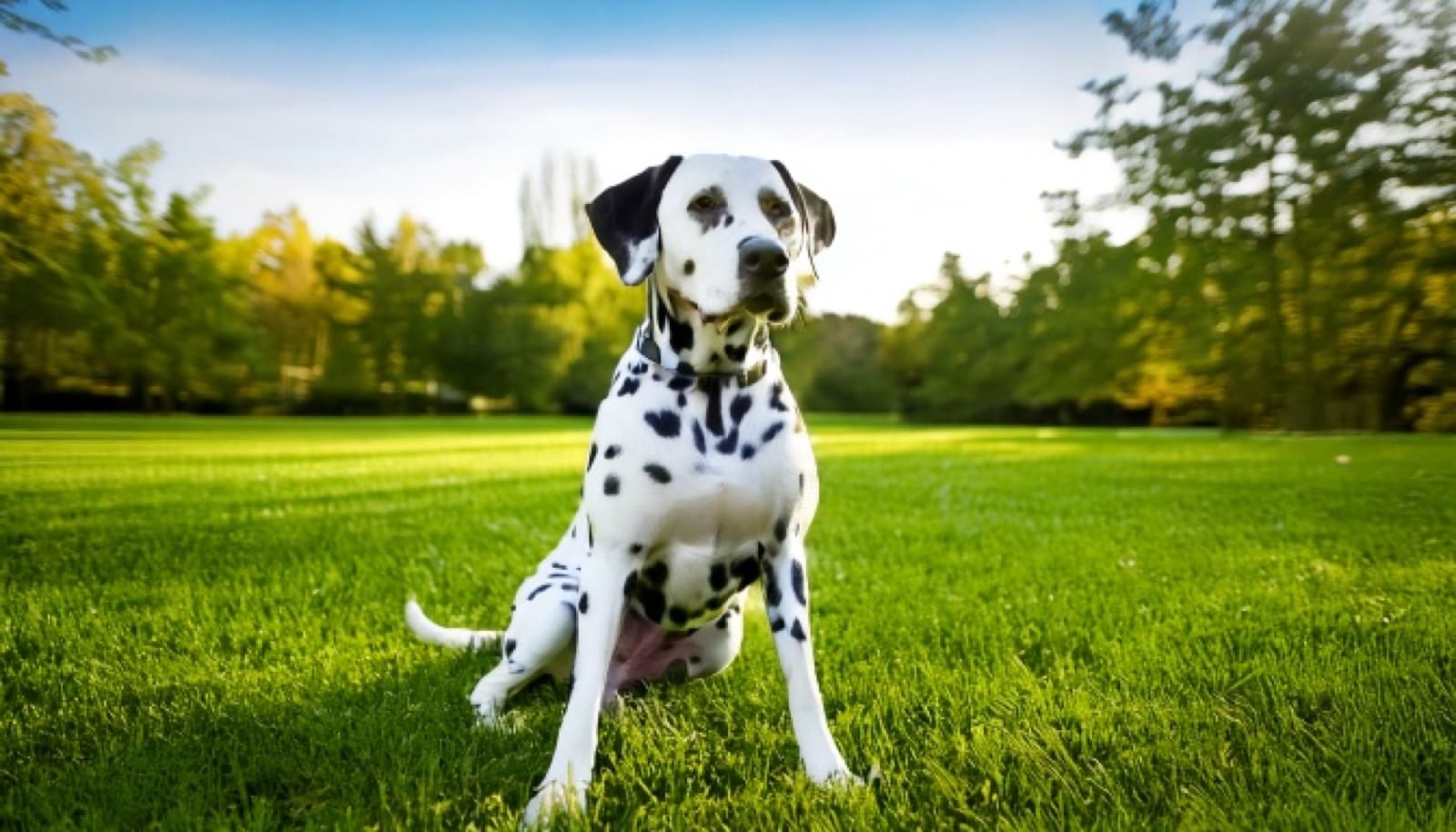
For a medium-sized athlete, the Dalmatian is generally robust, but it comes with one genuinely unusual health quirk that every owner needs to understand, urate stones, plus a common trait, deafness, that surprises people. Neither is a reason to avoid the breed; both are manageable with informed care. Here's the honest health picture, condition by condition, and what you can do about each.
Urate stones: the breed-defining issue
Here's the Dalmatian's signature health quirk: nearly all dogs convert uric acid into highly-soluble allantoin, but Dalmatians have a genetic difference that means they excrete uric acid itself, which is far less soluble and can crystallize into urate stones in the bladder or kidneys. This predisposes Dalmatians (especially males, whose narrower urethra can block) to painful, difficult, or bloody urination, straining, and, most dangerously, a complete urinary blockage, a life-threatening emergency.
Management is genuinely effective: a lower-purine diet (avoiding organ meats and high-purine foods, often a specific or veterinary diet, ask your vet, this is the cornerstone), high water intake to keep urine dilute, frequent urination (don't make the dog hold it), and veterinary monitoring (urine tests, imaging if needed).
Know the emergency: if a Dalmatian (especially a male) is straining and unable to urinate, that's a blockage, go to an emergency vet immediately (Montreal has 24-hour hospitals). Existing stones may need dietary dissolution or surgery. With proper diet and care, many Dalmatians never have a serious problem, discuss diet up front with your vet, and ask the rescue about any urinary history.
Deafness: common, not a dealbreaker
Deafness is common in Dalmatians, common enough to be a defining consideration. A significant proportion are born deaf in one ear (unilateral) or both (bilateral), because the gene for the spotted white coat is linked to a lack of the pigment cells that also help form the inner ear. Responsible breeders BAER-test puppies and are transparent about hearing.
It doesn't affect health or lifespan and doesn't make a lesser pet. A unilaterally-deaf dog is functionally near-normal; a fully deaf Dalmatian is still a wonderful, trainable pet that learns beautifully with hand signals, needing an informed owner who manages safety (leash in unfenced areas, secure fencing, since it can't hear traffic or a recall) and uses touch/vibration/light. We cover the practical side more in the adoption guide. For adopters, this is an argument for adopting an adult with a known hearing status, so you know exactly what you're taking on.
Joints, skin, and eyes
Beyond the two signature issues, Dalmatians can have hip dysplasia (an inherited hip-joint malformation causing pain, lameness, and arthritis, responsible breeders screen), skin allergies and sensitivities (the breed can be prone to these, sometimes needing ongoing management), and various inherited eye conditions. Older dogs occasionally see laryngeal paralysis or cardiac issues.
For joints, keep the dog lean (the breed's high energy usually keeps well-exercised Dalmatians naturally lean) and address lameness early; arthritis is manageable, and the Montreal winter cold can stiffen arthritic joints in this thin-coated breed, so senior Dalmatians need winter warmth and joint support as needed.
The thin coat and Montreal winters
The Dalmatian's short, fine, thin coat gives little insulation (it was bred as a running dog, not for cold), so it does not tolerate deep cold well. So: a warm coat/sweater for winter walks is genuinely necessary, the dog should live indoors and never be left out in the cold, watch for cold stress (shivering, reluctance) and consider paw protection against ice and de-icing salt. Critically for this high-energy breed, it can and should still exercise in winter with a coat and sensible limits, have a cold-weather activity plan (coated walks, runs, indoor games/dog sports, see the exercise & energy guide).
The thin coat doesn't make the Dalmatian unsuitable for Montreal, but it means actively managing winter warmth and having a plan to keep this energetic dog exercised through the cold. In summer, its short coat suits warm weather well, with normal heat precautions.
Lifespan and the pet-insurance case
Dalmatians live about 11 to 13 years. The most important breed-specific health task is proactive urate-stone management (diet, water, frequent urination, monitoring); beyond that, keep the dog lean and well-exercised (see the exercise & energy guide), current on preventive care, and alert to urinary signs, joints, and skin.
The urinary risk makes a strong case for pet insurance, urate stones can mean testing, prescription diets, stone-dissolution treatment, and surgery (an emergency blockage in a male is costly), sometimes recurring. Add potential hip dysplasia and skin allergies, and pet insurance is worth serious consideration. Enroll while young and healthy (before urinary problems start and get excluded), and read carefully how policies handle recurring conditions like urinary stones (some limit repeat claims). Keep an emergency fund regardless.
Browse adoptable dogs in Montreal
Adopting an adult Dalmatian lets a rescue share the dog's known health history, hearing status, and any urinary issues, especially valuable for this breed. Refreshed regularly across Montreal-area organizations.
See Available Dogs →Frequently Asked Questions
What health problems are Dalmatians prone to?
The breed-defining one is urate bladder/kidney stones (a unique uric-acid metabolism quirk, especially in males). Deafness is also common (one or both ears). Plus hip dysplasia, skin allergies, and eye conditions, and occasionally laryngeal paralysis or cardiac issues in older dogs. Many Dalmatians are healthy, and the two signature issues (urate stones, deafness) are both manageable with informed care.
What are urate stones, and how do I manage them?
Dalmatians excrete uric acid (rather than converting it), which can crystallize into urate stones, especially in males, causing painful urination and, at worst, a life-threatening blockage. Manage with a lower-purine diet (the cornerstone, ask your vet), high water intake, frequent urination, and vet monitoring. If a dog can't urinate, it's an emergency. With proper care, many Dalmatians never have a serious problem.
How common is deafness in Dalmatians?
Common, a significant proportion are deaf in one or both ears, linked to the spotted-white-coat genetics. Responsible breeders BAER-test puppies. It doesn't affect health or lifespan. Unilaterally-deaf dogs are near-normal; fully deaf Dalmatians train beautifully with hand signals and need safety management (leash off-property, secure fencing). Adopting an adult with a known hearing status tells you exactly what you're taking on.
How long do Dalmatians live?
About 11 to 13 years. Manage the urate-stone risk proactively (diet, water, frequent urination, monitoring, the most important breed-specific task), keep the dog lean and well-exercised, current on preventive care, and alert to urinary signs, joints, and skin. Seniors need winter warmth (thin coat) and joint support as needed.
Is pet insurance worth it?
For many owners, yes, largely because of the urinary risk (urate stones can mean testing, prescription diets, stone treatment, and emergency surgery, sometimes recurring). Add hip dysplasia and skin allergies. Enroll while the dog is young and healthy (before urinary problems get excluded), and read carefully how policies handle recurring conditions like urinary stones. Keep an emergency fund regardless.
Does the thin coat affect health in Montreal winters?
Yes. The short, fine coat gives little insulation, so the Dalmatian doesn't tolerate deep cold well, it needs a warm coat for winter walks, must live indoors (never left out in the cold), and benefits from paw protection against ice and salt. Crucially, this high-energy breed still needs winter exercise, so have a cold-weather plan (coated walks, indoor games). It handles summer heat well.
Related Montreal guides
Dalmatian Adoption in Montreal
Where to adopt, the energetic coach-dog temperament, deafness, family and climate fit, real costs, and who the breed suits.
Dalmatian Exercise & Energy
Meeting a coach dog's serious exercise and mental-stimulation needs, channeling the energy, and what happens when you don't, in Montreal's seasons.
Adoptable Dogs in Montreal
All currently available dogs across Montreal-area organizations, including Dalmatians and Dalmatian mixes. Updates regularly.
Montreal Dog Adoption Resources
All our Montreal dog adoption guides in one place.
New dog? Start with these care guides
Everything a new adopter needs to set up a safe, happy home.