← Back to Lloydminster catsLloydminster Cat Life

First Week With a Rescue Cat in Lloydminster

Start your new cat in one quiet safe room, not the whole house. A rescue cat needs to decompress, and the 3-3-3 rule sets the timeline: three days to hide and settle, three weeks to learn your routine, three months to fully trust the home. Get the litter box right, introduce other pets slowly, and know the male-cat urinary blockage emergency before you ever need the vet. Here is how to get week one right.

12 min read · Updated July 20, 2026
Author: LocalPetFinder Team
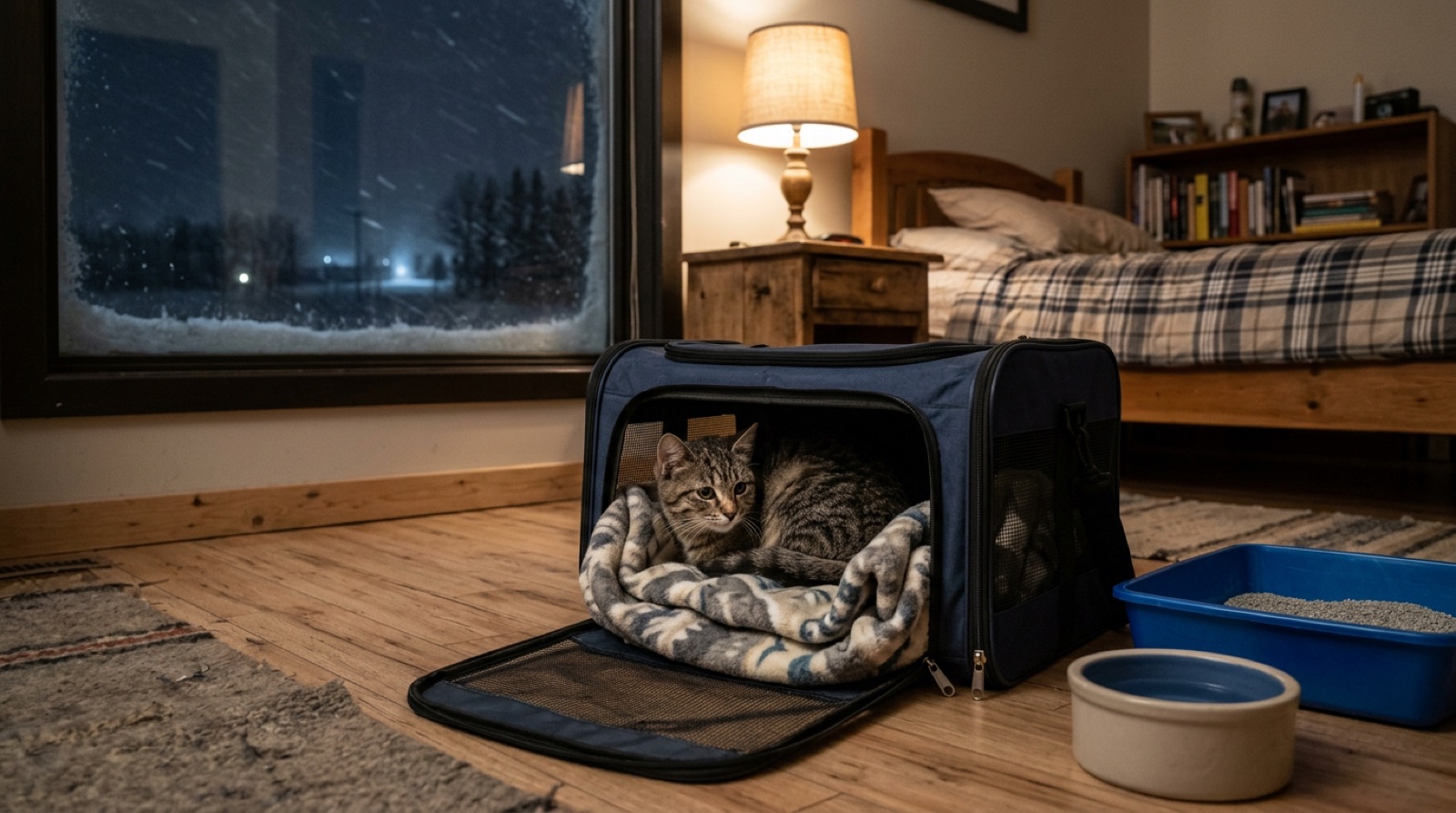
A rescue cat settling into a quiet safe room in a Lloydminster home during its first week

The short answer

Set your new cat up in a quiet safe room with litter, food, water and a hiding spot, and let it come out on its own schedule. Follow the 3-3-3 rule: three days to hide, three weeks to settle, three months to trust. Scoop the box daily and keep exterior doors shut. And learn the signs of a male-cat urinary blockage, a true hours-not-days emergency, plus your after-hours vet plan, before you need either.

The most common mistake with a new rescue cat is giving it too much space too soon. You want to welcome it, so you let it roam the whole house, and the cat promptly vanishes under a bed for days, unsure where its litter box even is. A single calm safe room does the opposite: it lets the cat feel secure, find everything it needs, and learn that you are safe.

Your rescue cat from Border Paws comes home already vetted, so week one is about emotional settling, not appointments. Go slow, keep it quiet, and the personality will emerge on the cat's own timeline.

The 3-3-3 Timeline

StageTimeframeWhat you see
HideFirst 3 daysTucked away, eats little, decompressing
SettleFirst 3 weeksExplores, learns the routine, personality shows
TrustFirst 3 monthsRelaxed, bonded, treats the home as its territory

A guide, not a stopwatch. Shy cats and formerly outdoor cats often take longer. Let the cat set the pace.

The Safe Room and Litter Basics

One quiet room to start. Litter box, food, water, a scratching post and a covered bed or open carrier to hide in. Keep it low-traffic and calm so the cat can build confidence before it takes on the whole house.

Litter box rules. Unscented litter to start, a quiet accessible spot away from the food, scooped daily. The general guide is one box per cat plus one extra, so a two-cat home needs three boxes.

Keep the doors shut. A new cat that slips outside in the border country faces coyotes, cold and traffic. Make sure the ID tag and microchip are current from day one, because the Lloydminster bylaw requires ID by six months and a door-dash cat needs it to get home.

A blocked cat is an hours-not-days emergency. Know the signs.

A urinary blockage, most common in male cats, is when a cat cannot pass urine, and it can be fatal within a day or two. Warning signs are straining in the litter box with little or nothing coming out, crying in pain, frequent box trips, licking the genitals, and vomiting or lethargy. Do not mistake it for constipation and do not wait. Lloydminster clinics run an after-hours on-call phone line rather than a staffed overnight emergency room, and the nearest 24-hour staffed hospital is a full emergency centre in Edmonton such as Guardian Veterinary Centre, about two and a half hours west on the Yellowhead. Save the local after-hours numbers, learn the Edmonton route, and keep this plan where everyone in the house can find it.

Browse adoptable Lloydminster cats

Every rescue cat here comes home vetted, so your first week is about bonding, not appointments. See who is looking for a home. Refreshed regularly.

See Available Lloydminster Cats →

Frequently Asked Questions

What is the 3-3-3 rule for a rescue cat?
The 3-3-3 rule is a rough timeline for how a rescue cat settles in. The first three days are for hiding and decompressing, when a new cat may tuck itself away and barely eat. The first three weeks are when it learns your routine and starts to explore and show its personality. The first three months are when it truly relaxes and treats your home as its territory. It is a guide, not a stopwatch, and shy cats often take longer. Knowing the pattern stops you worrying when a new cat spends its first days under the bed.
How do I set up a safe room for a new cat?
Start your cat in one quiet room rather than the whole house. Put the litter box, food, water, a scratching post and a cozy hiding spot like a covered bed or an open carrier in that room, and keep it calm and low-traffic. A new cat that has the run of a whole house is overwhelmed and often hides somewhere you cannot reach. One safe room lets the cat build confidence, find its litter box easily, and learn your voice and smell. Expand its territory gradually once it seems relaxed.
My new cat is hiding and will not come out. Is that normal?
Completely normal, especially in the first few days. Most rescue cats hide when they arrive somewhere new, and pushing them out makes it worse. Give the cat a safe hiding spot in its room, sit quietly nearby so it gets used to you, and let it come to you on its own schedule. Talk softly, keep the room calm, and resist the urge to pull it out for cuddles. Most cats start venturing out within a few days once they realise the space is safe. Patience is the whole game in week one.
How do I get the litter box right for a new cat?
Keep it simple and accessible. Use an unscented litter to start, since many cats dislike strong scents, and place the box in a quiet, easy-to-reach spot in the safe room away from the food. Scoop daily. The general rule is one box per cat plus one extra, so two cats means three boxes. If a cat avoids the box, the usual culprits are a dirty box, a location it dislikes, or stress from too much too soon, and occasionally a medical issue worth a vet call. In the first week, cleanliness and calm solve most problems.
What is a urinary blockage and why should I know about it?
A urinary blockage is when a cat, most often a male, cannot pass urine because the urethra is obstructed, and it is a true emergency measured in hours, not days. Warning signs include straining in the litter box with little or nothing coming out, crying in pain, frequent trips to the box, licking the genitals, and vomiting or lethargy. A blocked cat can die within a day or two if untreated. If you see these signs, do not wait and do not assume it is constipation. Call an emergency vet immediately, because minutes matter.
Where is the nearest emergency vet to Lloydminster?
Lloydminster clinics handle after-hours calls through an on-call system reached by phone, not a staffed overnight emergency room. Lloydminster Animal Hospital, for instance, connects after-hours callers to an on-call veterinarian. For a serious emergency such as a urinary blockage, the nearest 24-hour staffed hospital is in Edmonton, about two and a half hours west on the Yellowhead Highway. Saskatoon's teaching hospital is a further option roughly three hours east but may limit overnight intake. Identify your route and save the phone numbers now, so a real emergency is a fast decision rather than a frantic search.
My rescue cat will not eat. Should I worry?
In the first day or two, a scared new cat often eats little, and that is usually stress rather than illness. Offer food in the quiet safe room, try a strong-smelling wet food to tempt it, and give it privacy to eat. Most cats start eating within a day or two as they settle. What does warrant a vet call is a cat that refuses all food for more than about two days, because cats that stop eating can develop a serious liver problem, or a cat that also vomits, hides in pain or strains in the litter box. When appetite loss comes with other symptoms, phone the clinic.
How do I introduce a new cat to my existing cat?
Slowly, through scent first. Keep the new cat in its safe room and let the two cats smell each other under the door and by swapping bedding before they ever meet face to face. After a few days of calm, try short supervised meetings through a cracked door or a baby gate, and reward calm behaviour. Feed them on opposite sides of a closed door so they associate each other with good things. Rushing introductions is the most common way two cats end up in a lasting standoff, so let it take a week or two.
When can my new cat have the whole house?
Expand its space gradually once it is relaxed and confident in the safe room, usually after several days to a couple of weeks. Open the door and let the cat explore on its own terms rather than carrying it around, and make sure it can always find its way back to the litter box and its safe spot. Keep exterior doors shut and closed, because a new cat that bolts outside in the border country faces coyotes, cold and traffic. A cat that has learned the house is home is far less likely to try to leave it.

Ready When You Are

A calm safe room and a patient first week set up everything that follows. Start by finding the cat that fits your home.

Browse Available Lloydminster Cats →

New cat? Start with these care guides

Everything a new adopter needs to set up a safe, happy home.