← Back to Lloydminster dogsLloydminster Dog Life

First Week With a Rescue Dog in Lloydminster

Keep the first week calm, quiet and boring on purpose. A new rescue dog is decompressing, not misbehaving, and the 3-3-3 rule sets the timeline: three days to settle, three weeks to learn your routine, three months to fully trust the home. In the border city that also means winter-proofing a dog fresh from a shelter and knowing your after-hours vet plan, because the nearest 24-hour hospital is a drive away. Here is how to get week one right.

13 min read · Updated July 20, 2026
Author: LocalPetFinder Team
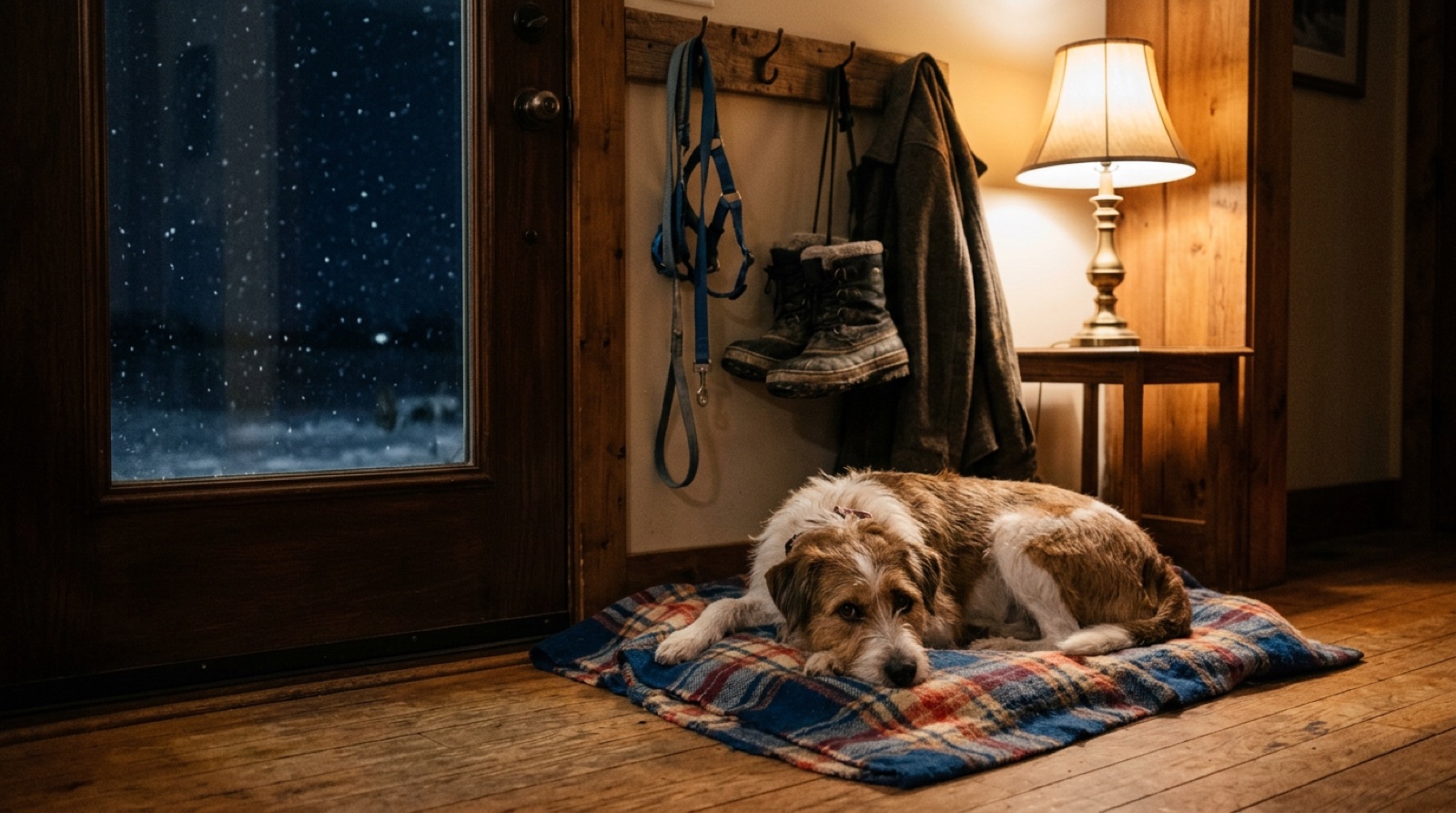
A calm rescue dog resting on a bed in a Lloydminster home during its first week

The short answer

Make week one calm and boring. Give the dog a quiet space, a simple routine, and short on-leash potty breaks. Follow the 3-3-3 rule: three days to decompress, three weeks to settle, three months to trust. Skip the off-leash park until recall is solid. Winter-proof a shelter dog with short outings and current ID. And know your after-hours vet plan now, because the nearest 24-hour staffed hospital is in Edmonton.

The most common mistake with a new rescue dog is doing too much, too soon. You are excited, so you invite people over, head to the dog park, and try to show your new dog everything at once. To a dog that just left a shelter and a familiar routine, all of that is overwhelming, and an overwhelmed dog cannot bond or learn.

The better plan is almost dull. A quiet space, a predictable routine, and patience. Your rescue dog from Border Paws or Pets Purpose comes home already vetted, so week one is about emotional settling, not appointments. Let the dog decompress and the personality will follow.

The 3-3-3 Timeline

StageTimeframeWhat you see
DecompressFirst 3 daysOverwhelmed, may hide, eat little, seem shut down
SettleFirst 3 weeksLearns the routine, personality starts to show
TrustFirst 3 monthsRelaxed, bonded, treats the home as its own

A guide, not a guarantee. Some dogs move faster, some with rough histories take longer. Let the dog set the pace.

Winter-Proofing a Shelter Dog

Cold comes fast on the prairie. A dog fresh from a shelter may not be conditioned to Lloydminster winters. In deep cold, keep outings short, watch for shivering and lifted paws, and bring a thin-coated or small dog back inside quickly.

Protect the paws. Booties help, and wiping paws after every walk clears road salt and the ice balls that form between toes. A coat is worth it for dogs without much of their own.

ID is a winter safety item. Lloydminster requires an ID tag by six months, and a dog that slips a gate in a storm needs a live phone number on its collar and a current microchip to get home fast. Confirm both before the first cold snap. The full rules are in our Lloydminster dog rules guide.

Bloat is an hours-not-days emergency. Have a plan before you need one.

Bloat, or GDV, is when a dog's stomach fills with gas and can twist, and it is most dangerous in large, deep-chested breeds. Warning signs are a swollen hard belly, trying to vomit with nothing coming up, drooling, pacing and distress. It kills quickly, so do not wait and do not try home remedies. Lloydminster clinics run an after-hours on-call phone line rather than a staffed overnight emergency room, and the nearest 24-hour staffed hospital is a full emergency centre in Edmonton such as Guardian Veterinary Centre, about two and a half hours west on the Yellowhead. Save the local after-hours numbers, learn the Edmonton route, and keep this plan somewhere everyone in the house can find it. Male cats can face a similar hours-not-days crisis with urinary blockage, so if you also have a cat, know the same plan for both.

Browse adoptable Lloydminster dogs

Every rescue dog here comes home vetted, so your first week is about bonding, not appointments. See who is looking for a home. Refreshed regularly.

See Available Lloydminster Dogs →

Frequently Asked Questions

What is the 3-3-3 rule for a rescue dog?
The 3-3-3 rule is a rough timeline for how a rescue dog settles in. The first three days are decompression, when the dog is overwhelmed and may hide, refuse food or seem shut down. The first three weeks are when it starts to learn your routine and show more of its real personality. The first three months are when it truly relaxes and trusts the home as its own. It is a guide, not a guarantee, and some dogs move faster or slower, but it helps you set expectations and not panic when a new dog is quiet at first.
How do I help my new rescue dog decompress?
Keep the first few days calm and boring on purpose. Give the dog a quiet space of its own, like a crate or a corner with a bed, and let it approach you rather than crowding it. Skip visitors, skip the dog park, and skip long outings. Stick to a simple routine of short leashed potty breaks, regular meals and plenty of rest. A tired, overstimulated dog cannot learn or bond, so the goal of week one is lowering the pressure, not showing the dog off or testing what it can do.
Should I take my new dog to the off-leash park right away?
No, wait. A brand-new rescue dog does not yet have reliable recall with you, does not know it is safe, and can bolt if something spooks it. In the open border country a dog that runs can cover a lot of ground fast. Give it a few weeks on-leash to bond and learn the routine first, and start recall training in a fenced yard or the fenced off-leash park before ever trying the unfenced R.H. Brekko Lake area. Rushing the off-leash step is how new dogs get lost.
How do I keep my rescue dog safe in a Lloydminster winter?
Prairie winters here are serious, and a dog fresh from a shelter may not be conditioned to the cold. Keep outdoor time short in deep cold, watch for lifted paws and shivering, and consider booties and a coat for a thin-coated or small dog. Wipe paws after walks to clear road salt and ice balls between the toes. Never leave a dog in a parked vehicle in winter. And make sure the ID tag and microchip are current, because a dog that slips a gate in a storm needs every chance to be found and returned quickly.
What is bloat and why should I know about it?
Bloat, also called GDV, is when a dog's stomach fills with gas and can twist, cutting off blood supply. It is a true emergency measured in hours, not days, and it is most common in large, deep-chested breeds like Great Danes, German Shepherds, Boxers and Standard Poodles. Warning signs include a swollen or hard belly, unproductive retching or trying to vomit with nothing coming up, drooling, pacing and obvious distress. If you see this, do not wait and do not try home remedies. Call an emergency vet immediately, because minutes matter.
Where is the nearest emergency vet to Lloydminster?
Lloydminster clinics handle after-hours calls through an on-call system reached by phone, not a staffed overnight emergency room. Lloydminster Animal Hospital, for instance, connects after-hours callers to an on-call veterinarian. For a serious surgical emergency such as bloat, the nearest 24-hour staffed hospital is in Edmonton, about two and a half hours west on the Yellowhead Highway. Saskatoon's teaching hospital is a further option roughly three hours east but may limit overnight intake. Identify your route and save the phone numbers now, so a real emergency is a fast decision, not a frantic search.
My rescue dog will not eat. Should I worry?
In the first few days, a nervous new dog often eats little or nothing, and that is usually decompression rather than illness. Offer food on a normal schedule, remove it after fifteen minutes if untouched, and try again at the next meal without making a fuss. Most dogs start eating within a couple of days as they settle. What does warrant a vet call is a dog that also vomits repeatedly, has diarrhea, seems lethargic or painful, or refuses food for more than about two days. When appetite loss comes with other symptoms, phone your clinic rather than wait.
How long until my rescue dog feels at home?
Follow the 3-3-3 timeline as a guide. Many dogs look like a different, happier animal by the three-week mark, and most are fully settled by three months. Some dogs, especially those with a rough history, take longer, and that is normal. The steady things that speed it up are a predictable routine, patience, and not flooding the dog with new experiences too fast. Resist the urge to test your dog's limits early. The dog that gets a calm, boring first month usually becomes the confident dog you hoped for by month three.
Should I crate train my new rescue dog?
A crate is worth trying, because it gives a new dog a safe den and helps with house training and settling. Introduce it gently, never as punishment, with treats and a comfortable bed so the dog chooses to go in. For a dog that came from a hoarding or neglect situation, a crate can feel confining at first, so go slowly and watch its comfort. If your dog panics in a crate, a gated small room can serve the same purpose. The aim is a defined safe space, whichever form works for the individual dog.
How do I introduce my rescue dog to my existing pets?
Go slow and neutral. For dog-to-dog introductions, start with a walk together on neutral ground rather than face-to-face in the house, and let them sniff and settle at their own pace. For cats, keep them separated at first and swap scents before any visual meeting, then use a barrier for early face-to-face. Feed pets separately and give the new dog its own space so nobody feels forced. Rushing introductions is the most common way a good match turns into a lasting conflict, so let the first week be about calm, controlled first impressions.

Ready When You Are

A calm first week sets up everything that follows. Start by finding the dog that fits your home.

Browse Available Lloydminster Dogs →

New dog? Start with these care guides

Everything a new adopter needs to set up a safe, happy home.