The short answer
A Corgi is a bold, smart, active herding dog in a small body, not an easygoing lap dog. Bred to move cattle, they nip at heels (normal herding behaviour to redirect, not punish), need 45 to 60 minutes or more of real daily exercise plus mental work, and tend to be vocal alert barkers. They are highly trainable but independent, so use force-free, reward-based training and start early. They are generally great with kids but supervise the herding and nipping with toddlers. Crucially, protect the long back: favour walking and running over repetitive jumping, and keep the dog lean. Meet the exercise and channel the drive, and a Corgi is a joy; skip it and it runs the household. Prairie winters mean leaning on indoor work.
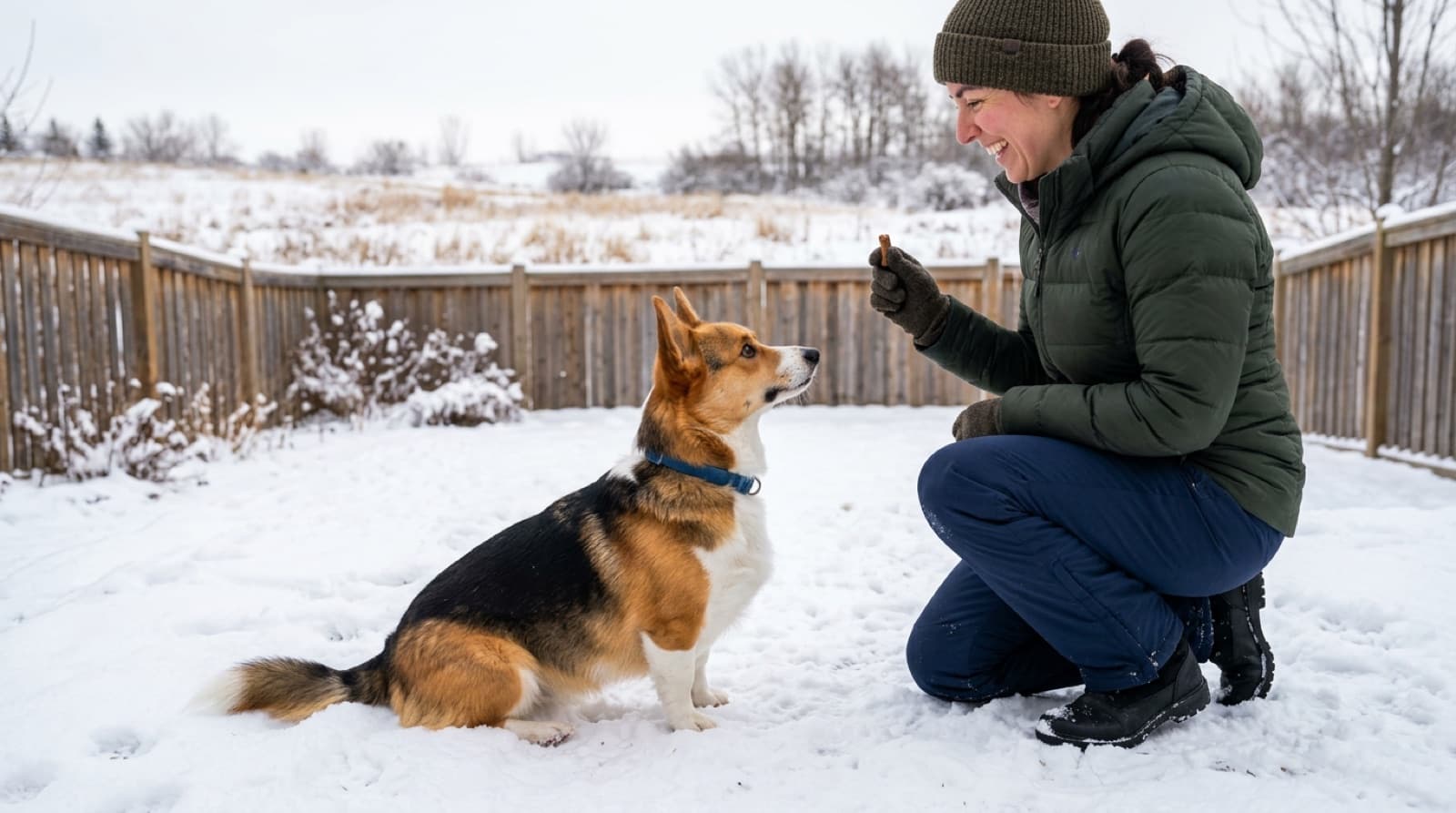
A big dog in a small body
Bold, confident, intelligent, active, and full of personality, a Corgi has a strong work ethic under the cute exterior. Bred to herd cattle by nipping at heels and darting away, they are brave, quick, alert, and independent-minded, not the placid lap dog their appearance suggests, plus deeply affectionate, often funny and bossy, and typically vocal alert barkers.
This combination makes Corgis wonderful, entertaining companions for the right home, but it means the breed needs real exercise, mental engagement, and training to channel the herding drive, and it can nip, herd, and bark if those needs are not met. It fits the bold, active herding temperament the Canadian Kennel Club describes for the Welsh Corgi. Understand that you are adopting a working herding breed in a compact package, and a Corgi is one of the most rewarding dogs there is, exactly the gap between image and reality that drives the surrenders in our Corgi adoption guide.
The herding drive and heel-nipping
Nipping at heels is a hardwired herding behaviour, not aggression. Bred to move cattle by nipping at their legs, a Corgi may instinctively nip at the heels of running children, other pets, joggers, or bicycles. It is normal, but it needs managing, especially around young children.
Redirect rather than punish: teach the Corgi an alternative like coming to you or targeting a toy when the urge hits, interrupt and redirect chasing before it escalates, avoid games that encourage chasing heels, and give the herding drive an appropriate outlet through training, fetch, or dog sports. Supervise closely with young children, and teach both the dog and the kids appropriate interaction. Consistency from everyone in the household matters, because mixed responses confuse the dog. With early force-free training and a real outlet, the nipping becomes manageable, and many Corgis learn to channel the instinct into games instead of heels.
Exercise: more than you think, and back-safe
Plan on 45 to 60 minutes or more of real exercise a day plus mental work. This is a working herding breed with genuine drive, not a couch dog, and it thrives with a job: training, puzzle feeders, and dog sports like agility, rally, or herding games. A bored, under-exercised Corgi becomes destructive, vocal, and prone to unwanted herding.
One important caveat comes from the breed's build: protect the back by favouring sustained activity like walking and running over repetitive high-impact jumping, and limit stair and furniture jumping, which stresses the long spine, as covered in our Corgi health issues guide. Keep exercise sensible in prairie heat and cold. A well-exercised, mentally engaged Corgi is calm and happy at home; an under-stimulated one is a handful.
Barking and force-free training
Corgis are vocal alert barkers by breeding, good little watchdogs but a real issue in apartments and a genuine surrender reason. You cannot train the voice out of a herding breed, but you can reduce excessive barking: meet the exercise and mental needs so boredom barking drops, avoid rewarding barking with attention, teach a quiet cue with rewards, and manage triggers, such as blocking window views of the street. Do not punish barking harshly, which raises anxiety.
On training generally, Corgis are highly intelligent and very trainable but independent, so they excel at reward-based, force-free training and can be a little stubborn. Their food motivation is a real asset, balanced against the weight-gain tendency, so use small treats or part of the daily ration. Start early, keep sessions short and varied, be consistent, and prioritize redirecting the herding and nipping, a reliable recall, and a quiet cue. Group classes help. Avoid harsh, dominance-based methods, which backfire with this clever, sensitive breed.
Browse adoptable Corgis in Regina
An adult rescue Corgi lets you meet the individual dog and its energy and noise level before you commit. Corgis and Corgi crosses from Regina rescues. Refreshed regularly.
See Available Corgis →Exercise and management through a prairie winter
A Corgi's thick double coat gives good cold tolerance, so it handles winter walks better than most small dogs and often loves the snow, but its short legs mean the belly drags in deep snow and it tires faster, so keep walks on cleared or packed routes, pack a path in the yard, and watch the low underside getting cold and snow-caked. Wipe the feet after walks and trim paw fur to reduce ice balls.
The bigger challenge is meeting the exercise and mental needs of an active herding dog when deep cold shortens outdoor time, because an under-exercised Corgi gets vocal and destructive. Lean on indoor work through the coldest weeks: training sessions, puzzle feeders, scent games, and short indoor play, while protecting the back by avoiding repetitive jumping. On milder days, a securely fenced yard lets a Corgi run and herd safely. Our Regina winter dog care guide has the full cold-weather routine.
Frequently Asked Questions
What is a Corgi's temperament really like?
A Corgi is often described as a big dog in a small body, and that captures it well: bold, confident, intelligent, active, and full of personality, with a strong work ethic under the cute exterior. Corgis were bred to herd cattle, driving animals many times their size by nipping at heels and darting out of the way, so they are brave, quick, alert, and independent-minded, not the placid lap dog their appearance suggests. They are also deeply affectionate and bonded to their families, often funny and a little bossy, and they tend to be vocal, alert barkers. This combination makes them wonderful, entertaining companions for the right home, but it means a Corgi needs real exercise, mental engagement, and training to channel that herding drive, and it can nip, herd, and bark if those needs are not met. Understand that you are adopting a working herding breed in a compact package, and a Corgi is one of the most rewarding dogs there is.
Do Corgis nip, and how do I manage the herding behaviour?
Yes, nipping at heels is a hardwired Corgi herding behaviour, not aggression, because the breed was developed to move cattle by nipping at their legs, so a Corgi may instinctively nip at the heels of running children, other pets, joggers, or bicycles. It is normal breed behaviour, but it needs managing, especially around young children. The approach is to redirect rather than punish: teach the Corgi an alternative behaviour like coming to you or targeting a toy when it feels the urge to herd, interrupt and redirect chasing and nipping before it escalates, avoid games that encourage chasing heels, and give the dog an appropriate outlet for the herding drive through training, fetch, or dog sports. Supervise closely with young children and teach both the dog and the kids appropriate interaction. Consistency from everyone in the household matters, because inconsistent responses confuse the dog. With early force-free training and a real outlet for the drive, the nipping becomes manageable, and many Corgis learn to channel the instinct into games and work instead of heels.
How much exercise does a Corgi need?
More than people expect from a short-legged dog. Plan on around 45 to 60 minutes or more of real exercise a day for an adult Corgi, plus mental stimulation, because this is a working herding breed with genuine energy and drive, not a couch dog. Walks, off-leash running in a safe fenced area, fetch, and play all count, and Corgis particularly thrive with a job to do, whether that is training, puzzle feeders, or dog sports like agility, rally, or herding-style games. A bored, under-exercised Corgi becomes destructive, vocal, and prone to unwanted herding and nipping, so meeting both the physical and mental needs is essential. One important caveat comes from the breed's build: protect the back by favouring sustained activity like walking and running over repetitive high-impact jumping, and avoid too much stair and furniture jumping, which stresses the long spine. Keep exercise sensible in prairie heat and cold. A well-exercised, mentally engaged Corgi is a calm, happy dog at home, while an under-stimulated one is a handful.
Do Corgis bark a lot?
Yes, Corgis tend to be vocal, and barking is one of the traits that surprises new owners. As herding dogs bred to move livestock and alert to activity, Corgis are natural alert barkers that will sound off at people passing, other animals, noises, and anything they think warrants announcing, and some are quite talkative in general. This makes them good little watchdogs but can be an issue in apartments or close neighbourhoods and is a real surrender reason. You cannot train the voice out of a herding breed entirely, but you can reduce excessive barking: meet the dog's exercise and mental needs so boredom barking drops, avoid inadvertently rewarding barking with attention, teach a quiet cue with reward-based training, and manage the environment to reduce triggers, such as blocking window views of the street. Do not punish barking harshly, which can increase anxiety. If a quiet dog is essential for your housing, be honest with yourself before adopting, because Corgis are naturally vocal and no training makes them silent.
Are Corgis easy to train?
Corgis are highly intelligent and very trainable, but their independence and herding-bred initiative mean they can also be stubborn and like to do things their own way, so training a Corgi is rewarding but requires consistency. The breed excels at reward-based, force-free training and genuinely enjoys the mental work, and their strong food motivation is a real training asset, though it must be balanced against the breed's tendency to gain weight, so use small treats or part of the daily food ration. Start training early, keep sessions short, upbeat, and varied to hold the dog's interest, and be consistent, because a smart Corgi will happily exploit an inconsistent rule. Prioritize the behaviours that matter most for the breed: redirecting the herding and nipping, a reliable recall, calm behaviour, and a quiet cue for the barking. Group classes help with both training and socialization. Avoid harsh, dominance-based methods, which backfire with this sensitive, clever breed. A Corgi that gets structured, positive training is a joy; an untrained one runs the household.
Are Corgis good with kids and other pets?
Corgis are generally good with children and can be wonderful, playful family dogs, but the herding instinct means the main thing to manage is nipping at the heels of running, excited kids, which is normal breed behaviour rather than aggression but needs training and supervision, especially with toddlers. Teach children not to run and shriek in ways that trigger the herding drive, and teach the dog to redirect the urge. With other dogs, Corgis are usually sociable when well socialized, though their bold, bossy personality means they do not always realize they are small, so supervise interactions with much larger dogs. With cats and small pets, the herding and chase drive varies by individual, and a rescue's foster notes are the best guide, so ask specifically whether a Corgi has lived with cats. As with any breed, supervise early introductions, go slowly, and manage the herding behaviour. A well-socialized, well-trained Corgi from a good match fits a busy, active family home beautifully.
Can a Corgi live in an apartment in Regina?
A Corgi can live in an apartment if you fully meet its exercise and mental needs and manage the barking, but it takes commitment, because this is an active, vocal herding breed, not a naturally quiet small dog. The two apartment challenges are exercise and noise. On exercise, a Corgi needs its full daily physical and mental workout regardless of living space, so plan for real walks, off-leash running in fenced areas, and indoor enrichment, because an under-exercised Corgi in a small space becomes destructive and even more vocal. On noise, Corgis are alert barkers, so you will need to manage triggers and teach a quiet cue to keep the peace with neighbours. The breed's smaller size is genuinely apartment-friendly, and many Corgis live happily in apartments, but only with an owner who provides the exercise and does the training. Protect the back too, since stairs and jumping on and off furniture in a small space add up. Sort the exercise and barking plan first, and a Corgi can thrive in a Regina apartment.
How do I exercise and manage a Corgi through a Regina winter?
A Corgi's thick double coat gives good cold tolerance, so it handles prairie winter walks better than most small dogs and often loves the snow, but its short legs mean the belly drags in deep snow and it tires faster, so keep walks on cleared or packed routes, pack a path in the yard, and watch the low-slung underside getting cold and snow-caked. Wipe or rinse the feet after walks to clear salt and ice-melt, and trim paw fur to reduce ice balls. The bigger winter challenge, as always, is meeting the exercise and mental needs of an active herding dog when deep cold shortens outdoor time, because an under-exercised Corgi gets vocal and destructive. Lean on indoor work through the -35 to -45 windchill weeks: training sessions, puzzle feeders, scent games hiding treats around the house, and short indoor play, while protecting the back by avoiding repetitive jumping. On milder days, a securely fenced yard lets a Corgi run and herd safely. With sensible cold-weather care and indoor enrichment, a Corgi stays happy and well behaved through a Regina winter.
Related Guides
New dog? Start with these care guides
Everything a new adopter needs to set up a safe, happy home.