The short answer
Huskies and husky crosses are among the most common dogs in Saskatchewan rescue, arriving through northern transport and surrendered when the escape drive and exercise needs set in. Best Saskatoon rescues: the Saskatoon SPCA, Saskatoon Dog Rescue, New Hope Dog Rescue, and We All Need a Rescue. Adoption fee: about $300 to $575 versus $1,000 to $2,500 from a breeder. The husky reality: a secure fenced yard is close to mandatory, recall cannot be trusted off-leash, and these dogs need serious daily exercise. The upside on the prairies: the double coat thrives in cold. Adult rescues through a foster-based group are the smart path.
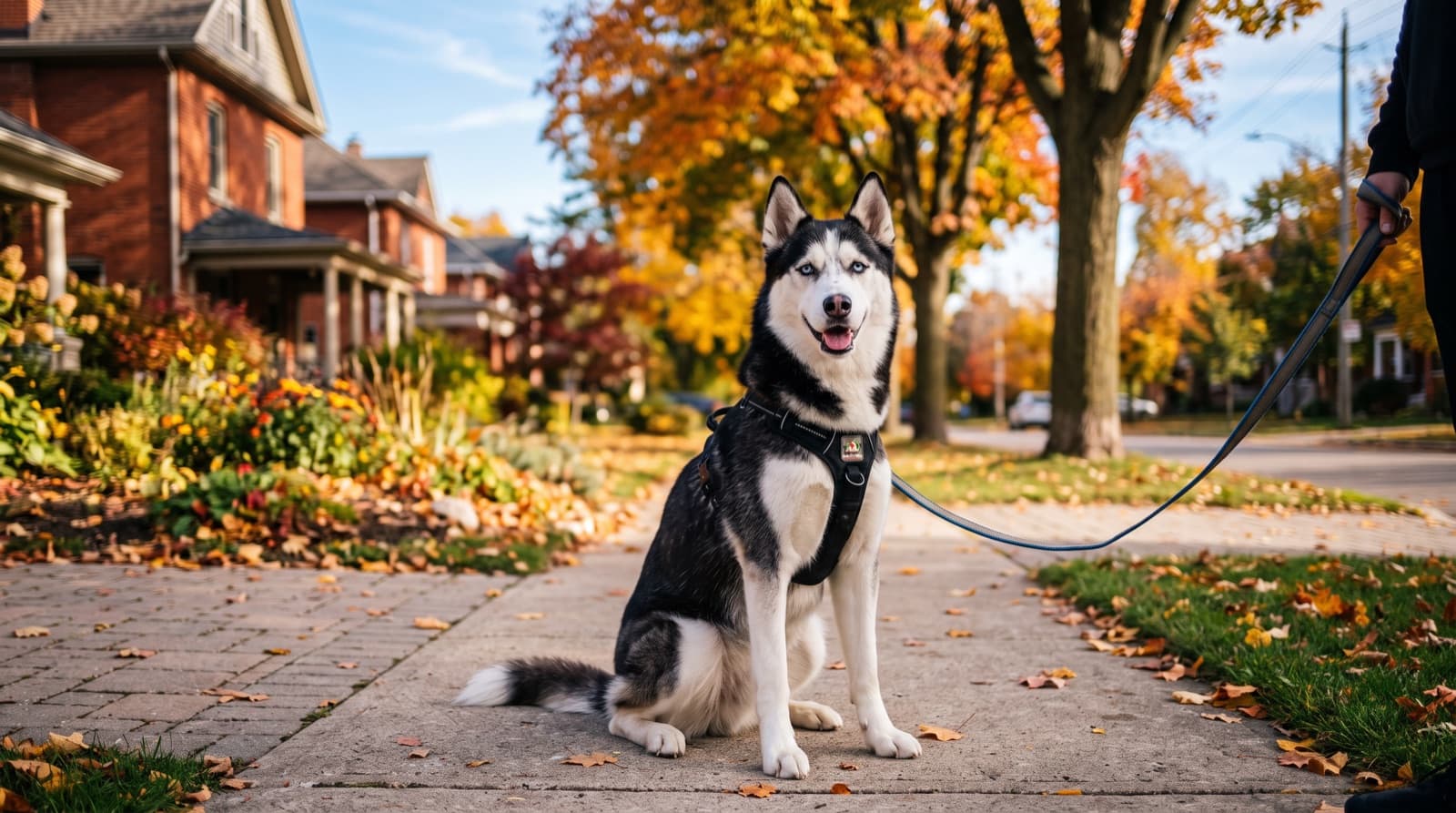
Where can I adopt a Husky in Saskatoon?
Huskies and husky crosses are among the most common dogs in Saskatoon rescue. Best places to check: the Saskatoon SPCA, Saskatoon Dog Rescue, New Hope Dog Rescue, and We All Need a Rescue. Northern and reserve-community transport keeps a steady stream of huskies and husky-shepherd crosses coming into Saskatchewan rescue. Browse all currently available huskies and husky mixes on LocalPetFinder's Husky breed page, which updates regularly. Most rescue huskies are 1 to 4 year old adults, surrendered once the exercise and escape reality set in.
For the full Saskatoon rescue landscape and how each organisation works, see our best dog rescues in Saskatoon guide. Saskatoon Dog Rescue in particular runs spay-neuter-and-return work in remote northern communities, so many of its dogs come from that pipeline.
The escape drive is the real husky problem
The number-one reason huskies fill rescues is not aggression or health. It is the escape and roaming drive. Huskies climb fences, dig under them, bolt through open gates, and slip leashes, and their recall is famously unreliable.
Huskies were bred to run, and that instinct does not switch off in a backyard. A husky that gets loose does not come when called, follows its nose for kilometres, and in a Saskatoon winter faces genuine cold-exposure danger on top of traffic and getting lost. This is why a secure, tall fence with dig protection is close to mandatory, and why most experienced husky owners never let them off-leash in unfenced areas.
If you cannot provide a secure yard and commit to leashed exercise, a husky is the wrong breed, full stop. This is the single most important thing to understand before adopting one, and it is covered in depth in our husky winter and escape-drive guide. The American Kennel Club is blunt about the breed's need for secure containment.
How much does it cost to adopt a Husky in Saskatoon?
Saskatoon husky rescue adoption fees run roughly $300 to $575. Fees include spay or neuter, core vaccines, microchip, deworming, and a vet check. Senior and harder-to-place huskies are often reduced. Buying from a breeder: $1,000 to $2,500. Annual care: roughly $1,500 to $3,000 per year, and Saskatchewan adds about 11 percent tax to vet services and food. Huskies are generally one of the healthier breeds, so insurance is less critical than for some, but enrol early if you want it because pre-existing conditions are always excluded.
| Source | Husky Fee Range | What's Included |
|---|---|---|
| Saskatoon SPCA | $315 to $575 | Spay or neuter, vaccines, microchip, vet check |
| Foster-based rescue (Saskatoon Dog Rescue, New Hope) | $300 to $500 | Spay or neuter, vaccines, microchip, foster temperament plus history |
| Senior / harder-to-place husky | Often reduced | Same as above, at a lower fee |
| Breeder puppy | $1,000 to $2,500 | Initial vaccines only, unknown adult temperament |
For the full first-year budget with the Saskatchewan tax picture, see our Saskatoon adoption costs guide.
Are there free huskies for adoption in Saskatoon?
Almost never legitimately. Free husky listings on Kijiji, Facebook Marketplace, or local buy-and-sell groups are typically:
(1) Backyard breeders using free framing as bait
(2) Owners offloading a husky they cannot manage, with no screening
(3) Outright scams demanding shipping or release fees
(4) Dogs with serious behaviour or escape problems being passed on without disclosure
Real husky adoption is never free. Even the lowest rescue fee covers basic medical care at well below cost. Owner-rehoming with a small fee can be legitimate, but verify it: vet records, an in-person meeting at the dog's current home, and honest answers about why the dog is being rehomed, escape history included.
Common husky crosses in Saskatchewan rescue
Most rescue huskies here are crosses, and the husky-shepherd is the most common of all.
| Cross | Weight | Notes |
|---|---|---|
| Husky-Shepherd (Shepsky) | 45 to 85 lbs | The most common prairie cross. High energy, strong escape drive, needs a secure yard and a job. |
| Husky-Malamute type | 55 to 90 lbs | Larger, even heavier coat, very cold-hardy. Strong pulling and roaming drive. |
| Husky-Lab (Huskador) | 45 to 80 lbs | Often a bit more biddable than a purebred husky. Still high-energy. |
| Northern-breed mix | 40 to 80 lbs | Common from northern transport. Cold-hardy, variable temperament. Read the foster notes. |
All husky crosses inherit some combination of high energy, a double coat, and roaming or prey drive. Saskatoon rescues often label dogs as husky mix on appearance alone, so read each rescue's temperament notes carefully.
Browse adoptable Huskies in Saskatoon
Live inventory from Saskatoon rescues, including husky crosses and senior dogs at reduced fees. A cold-loving breed built for prairie winters. Refreshed regularly.
See Available Huskies →Frequently Asked Questions
Where can I adopt a Husky near me in Saskatoon?
Huskies and husky crosses are among the most common dogs in Saskatoon rescue, so there is almost always one available. Best places to check: the Saskatoon SPCA on Hanselman Avenue, Saskatoon Dog Rescue, New Hope Dog Rescue, and We All Need a Rescue. Northern and reserve-community transport brings a steady stream of huskies and husky-shepherd crosses into Saskatchewan rescue. Browse all currently available Saskatoon huskies and husky mixes on LocalPetFinder's Husky breed page, which updates regularly. Most rescue huskies are 1 to 4 year old adults surrendered once the exercise and escape reality set in, and purebred puppies are less common than the crosses.
How much does it cost to adopt a Husky in Saskatoon?
Saskatoon husky rescue adoption fees run roughly $300 to $575, and the fee covers spay or neuter, core vaccines, a microchip, deworming, and a vet check. Senior and harder-to-place huskies are often reduced. A purchased husky puppy from a breeder typically runs $1,000 to $2,500, and you take on an unvetted puppy with unknown adult temperament. Annual care runs roughly $1,500 to $3,000 in Saskatoon, and Saskatchewan adds about 11 percent tax to vet services and pet food. Huskies are generally one of the healthier breeds, so insurance is less critical than for some breeds, but enrol early if you want it because pre-existing conditions are always excluded.
Why are there so many huskies in Saskatchewan rescues?
Two reasons stack up. First, huskies are genuinely demanding, high-energy dogs with a strong roaming and escape drive, and a lot of people adopt or buy one on looks without understanding that, then surrender it when the reality hits. Second, northern and reserve-community dog populations in Saskatchewan include many huskies and husky crosses, and transport rescue brings those dogs into Saskatoon and Regina to find homes. The result is that huskies and husky-shepherd crosses are among the most common dogs in prairie rescue. The upside for an adopter is that these dogs are built for the climate and there is real selection. The trade-off is that a husky needs a committed, active owner and a secure yard.
Are there free huskies for adoption in Saskatoon?
Almost never legitimately. Free husky listings on Kijiji, Facebook Marketplace, and local buy-and-sell groups are typically backyard breeders using free framing as bait, owners trying to offload a dog they cannot manage without any screening, outright scams, or dogs with serious behaviour or escape problems being passed on without disclosure. Real husky adoption is never free, because even the lowest rescue fee covers spay or neuter, vaccines, microchip, and a vet exam at well below cost. Owner-rehoming with a small fee can be legitimate, but verify it: vet records, an in-person meeting at the dog's current home, and honest answers about why the dog is being rehomed, escape history included.
Are huskies hard to train?
Huskies are intelligent but independent, which is a very different thing from stubborn or unintelligent. They were bred to run and make their own decisions on the trail, not to look to a handler for direction the way a shepherd does, so they are less naturally biddable and their recall is famously unreliable. Force-free, reward-based training works, but expect to work harder for less obedience than you would with a herding or working breed, and never assume a husky will come when called off-leash. The single most important training reality with a husky is that recall cannot be trusted around a fence line, an open gate, or a prey animal. Most experienced husky owners simply do not let them off-leash in unfenced areas.
Do huskies need a fenced yard in Saskatoon?
Yes, more than almost any other breed. Huskies are escape artists with a powerful roaming drive, and they climb, dig under, and bolt through gaps that would hold most dogs. A secure, tall fence with dig protection is close to mandatory, and even then a determined husky finds a way out, so supervision matters. This is the single biggest reason huskies are surrendered: they get loose, get picked up by animal services, or get hurt. In Saskatoon, an escaped husky in winter is also a cold-exposure risk. If you cannot provide a secure yard and committed leashed exercise, a husky is the wrong breed. Our husky winter guide covers the escape-and-recall problem in detail.
Are huskies good with kids and other pets?
Huskies are typically friendly, social dogs that do well with children and other dogs, which is part of why they are popular. The big caveat is prey drive. Many huskies have a strong instinct to chase and can be unsafe with cats, rabbits, and other small animals, and some are not reliable with small dogs either. A foster-based rescue is a real advantage here because the foster has seen the dog around other animals and can tell you the truth about a specific husky's prey drive. Huskies are also poor guard dogs, they tend to greet strangers as friends, so do not adopt one expecting protection. Slow, managed introductions are the rule with any new pet.
What is a husky-shepherd cross like?
The husky-shepherd cross, sometimes called a Gerberian Shepsky, is one of the most common dogs in Saskatchewan rescue because both parent breeds are heavily represented in northern intake. These dogs combine husky energy and roaming drive with German Shepherd intelligence and drive, which makes them demanding but rewarding for an experienced, active owner. Expect a cold-hardy double coat, very high exercise needs, a strong escape and prey drive that requires a secure yard, and real training commitment. They are a poor fit for a first-time owner who underestimates the work. Husky-Malamute types (larger, even more coat) and husky-Lab crosses also appear, with the Lab cross tending to be a bit more biddable.
Should I look at husky puppies for sale in Saskatoon instead of adoption?
Adoption is the better path for most Saskatoon households. Huskies are one of the most common breeds in prairie rescue, so you rarely need to buy one, and adoption gives you a known adult temperament, a full medical workup, and a $300 to $575 fee instead of $1,000 to $2,500. The surrender rate is high precisely because so many people bought a husky puppy on looks and could not handle the adult. If you do buy, only choose a CKC-registered breeder who health-tests the parents (hips and eyes), allows home visits and meeting the parents, takes dogs back at any age, and never sells through classifieds or buy-and-sell sites. Most husky listings on those sites are backyard breeders.
Are huskies good for first-time dog owners?
Generally not, unless you go in with your eyes open. Huskies are high-energy, independent, escape-prone, and hard to recall, which is a demanding combination for a first dog. The huskies that succeed in first-time homes usually have an active owner who runs, bikes, or skis with the dog, a secure fenced yard, and no illusions about off-leash reliability. If you love the breed and are ready for that, adopt an adult through a foster-based rescue so the temperament and prey drive are known, and commit to leashed exercise and a secure yard from day one. A husky is not a low-effort dog, but for the right active owner it is a wonderful, cold-loving companion.
Do huskies handle Saskatoon winters well?
Better than almost any breed. The husky is one of the few dogs genuinely built for prairie cold, with a dense double coat that lets it thrive at temperatures that would send most dogs indoors. Many huskies visibly prefer winter and are happiest running in the snow. They rarely need a coat, and cold tolerance is not the concern. The real winter problem with a husky is the escape and roaming drive combined with the cold: a husky that gets loose in a -30 windchill is in genuine danger, and recall failure on ice or in deep snow is a serious risk. So the winter story with a husky is upside on the coat and caution on the containment. Our husky winter guide covers exactly this.
Related Guides
New dog? Start with these care guides
Everything a new adopter needs to set up a safe, happy home.