The short answer
For most Calgary adopters, the Sheltie is right if four conditions hold. One: vocalisation will not get you evicted or in trouble with neighbours. Two: you commit to force-free training only, with no leash pops, e-collars, or harsh corrections. Three: you have time for 60 to 90 minutes of daily exercise plus mental enrichment despite the small size. Four: daily brushing fits your routine, with extra time during the spring and fall coat blow. The breed is gentle, family-bonded, top-ten intelligent, and one of the most rewarding small dogs when the fit is right. The deal-breakers are lifestyle mismatch, not temperament. If those four fit, keep reading. If even one is shaky, our resources hub covers steadier first-dog options.
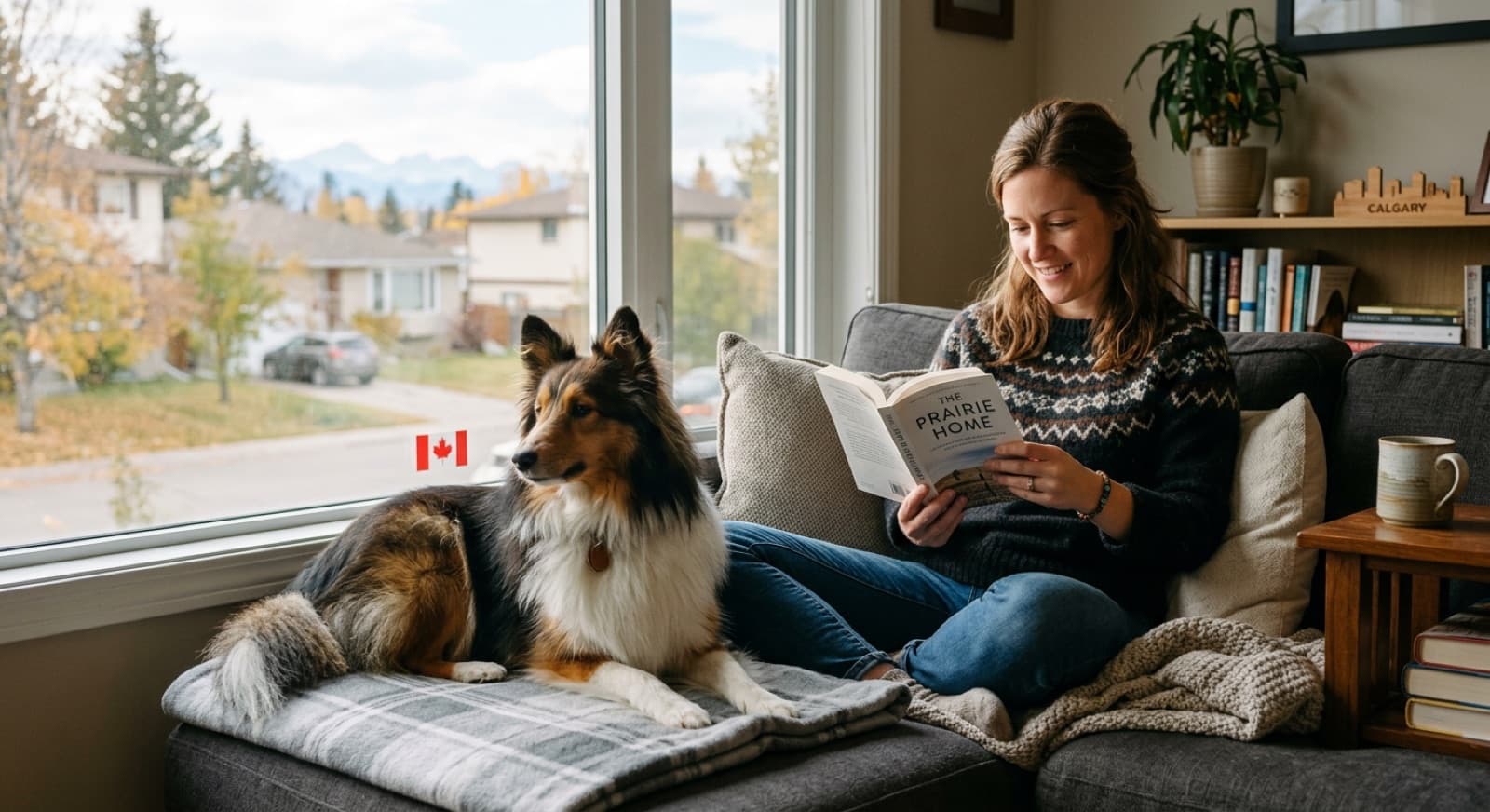
Honest Pros: Why People Love the Sheltie
Small size, apartment-compatible footprint
At 15 to 25 lbs and 13 to 16 inches tall, the Sheltie fits comfortably in a Calgary condo, townhouse, or smaller home. The footprint is small enough for a one-bedroom and the dog is light enough to lift onto a vet table without strain. The breed travels well on the C-Train, fits at most Calgary patios, and is easy on stairs and floors. Compared to a Rough Collie at 50 to 75 lbs, the Sheltie is the practical apartment-scale alternative.
Top-ten intelligence and highly trainable
The Sheltie ranks in the top ten of Dr. Stanley Coren's intelligence rankings, alongside Border Collies, Poodles, and German Shepherds. The breed learns new cues in fewer than five repetitions and retains them with 95 percent reliability. Force-free trainers like Raising Canine and Pup City Pup Academy report Shelties as one of the most rewarding small breeds to teach. The catch is that the intelligence cuts both ways: bored Shelties invent their own jobs, often vocal ones, and an under-trained Sheltie picks up nuisance behaviours quickly.
Gentle with kids and family-bonded
Shelties were bred to live and work alongside Shetland farming families, and the family-bonded temperament shows. Most Shelties are gentle, patient, and tolerant of household noise when raised with respectful kids. The breed is one of the better small-dog choices for households with children aged 6 and up. The caveat for younger kids is herding behaviour, which we cover in the cons section below.
Generally non-aggressive
The Sheltie is not an aggressive breed. Centuries of farm work selected for biddability, soft mouths, and a sound-the-alarm temperament rather than a confrontational one. Most Shelties are shy with strangers initially and warm up with calm introductions. The behaviours that get misread as aggression, vocal alerting and circling, are working-dog wiring, not threat. A well-socialised Sheltie is one of the gentlest small breeds available.
Long lifespan and generally healthy when responsibly bred
Sheltie lifespan runs 12 to 14 years, longer than many breeds. Hereditary issues exist (MDR1 drug-sensitivity, Collie Eye Anomaly, hip dysplasia, dermatomyositis), but health-tested lines from American Shetland Sheepdog Association member breeders or temperament-evaluated rescue dogs typically live full active lives. The Canadian Kennel Club lists the breed standard at ckc.ca. Responsible breeding has kept the breed in better shape than many small dogs.
Beautiful double coat
The coat is striking. Sable, tricolour, blue merle, and bi-black are the most common Calgary patterns, all with the signature white markings on chest, neck, and feet. The long outer coat with dense undercoat insulates well against Calgary winter and adds visual presence to a small frame. The maintenance is real (covered in the cons section), but the result is one of the most photogenic small breeds.
Good with cats when raised together
Shelties raised alongside cats from puppyhood typically coexist peacefully. The herding instinct may prompt some circling and gentle gathering, but the breed’s soft-mouthed wiring rarely escalates to predatory behaviour. Households introducing an adult Sheltie to a resident cat see good results when the introduction is paced over 2 to 4 weeks. Small pets (rabbits, hamsters, guinea pigs) are more variable; herding drive can stress prey animals even without contact.
Family-bonded loyalty
Shelties form deep bonds with their household. They follow you between rooms, settle near you on the couch, and want to be part of family activity. For owners who want a dog that genuinely shares the home rather than living parallel to it, the breed is one of the most rewarding small choices. The downside (separation anxiety risk in pack-bonded individuals) is real, but the upside is genuine companionship.
Honest Cons: What the Lassie Marketing Does Not Show
Notoriously vocal — the #1 surrender driver
The Sheltie is one of the most vocal breeds in dogdom, and vocalisation is the single most common reason the breed lands in Calgary rescue. Shelties bark at doorbells, vehicles passing the house, wildlife in the yard, the neighbour's garage door opening, and occasionally nothing visible at all. The barking is high-pitched, persistent, and carries through walls. Force-free training can teach a quiet cue and reduce frequency, but it cannot make the breed silent. Calgary Responsible Pet Ownership Bylaw 3M2006 governs chronic-barking complaints, with fines starting around $250 and escalating. Honest pre-adoption assessment of household tolerance and neighbour proximity is non-negotiable.
Sensitive temperament — force-free training only
Shelties are emotionally sensitive dogs. Leash pops, alpha rolls, raised voices, e-collars, and aversive corrections cause the breed to shut down, become fearful, or escalate to defensive snapping. Old-school dominance trainers are a wrong fit for the breed and damage takes weeks to undo. Calgary force-free trainers like Raising Canine and Pup City Pup Academy are the only honest choice. The good news is that the breed's top-ten intelligence makes force-free training fast and rewarding when handled correctly. The bad news is that there is no shortcut and no second method.
Heavy double-coat shedding
The double coat sheds year-round and blows out twice a year, in spring and fall, for roughly 3 to 6 weeks each coat-blow season. Plan on 10 to 15 minutes of brushing 3 to 4 times a week during normal coat, daily during coat blow. Monthly baths and line-brushing sessions help. Professional grooming every 8 to 12 weeks at $60 to $100 a session keeps the coat manageable. The hair gets into upholstery, car seats, and clothing. Households expecting a hair-free home will struggle. Households that accept dog-hair-as-decor are fine.
High exercise needs despite small size
A common Calgary mistake is treating a Sheltie like a calm small dog. The breed is a working herding dog in a small package, and it needs 60 to 90 minutes of daily exercise plus mental enrichment. Two short leash walks around the block are not enough. The breed thrives on off-leash time at Nose Hill or Fish Creek (with a solid recall built first), structured neighbourhood walks, agility, nose work, trick training, and puzzle feeders. Underexercised Shelties dig, vocalise, herd household members, and develop nuisance behaviours that are entirely preventable.
Herding behaviour aimed at moving things
The same wiring that made Shelties great at herding sheep makes modern dogs target running kids, bicycles, cars, joggers, and cats. Behaviours include circling, eye-stalking, nipping at heels, and chase. The behaviour is not aggression; it is genetic working-dog instinct firing on inappropriate triggers. Force-free training can redirect the drive into legitimate outlets (agility, treibball, herding ball, structured fetch), but the wiring is permanent. Owners with young kids should know that some Shelties chase and nip at moving children even though no harm is intended.
Separation anxiety in pack-bonded individuals
The deep family bonding that makes Shelties wonderful companions can tip into separation anxiety in individuals left alone for full workdays. Symptoms include constant vocalising, destructive chewing, house soiling, and stress behaviours like pacing or excessive grooming. The breed needs a someone-home-most-of-the-day household or a reliable daycare or midday walker. Calgary daycares like Pup City Pup Academy fit a Sheltie well because of the breed's dog-social temperament. Without that, the surrender risk is high.
MDR1 mutation in some lines
Roughly 10 to 15 percent of Shelties carry the MDR1 (Multidrug Resistance 1) gene mutation. Affected dogs cannot safely process certain common medications, including ivermectin in some heartworm products, loperamide (Imodium), and several anaesthetic drugs. The test is a one-time cheek swab through your vet, costs around $80 to $150 in Calgary, and is recommended by the American Shetland Sheepdog Association before any anaesthetic procedure. Test your Sheltie before the first dental cleaning or surgery and document the result with your vet. The breed is also predisposed to Collie Eye Anomaly (CEA), hip dysplasia, and dermatomyositis; reputable rescues and breeders screen for these.
Who Shelties Are RIGHT For
Active households tolerant of vocalisation
If your household considers a vocal dog endearing rather than maddening, you are aligned with the breed. The Sheltie talks, alerts, and announces. Active families who walk, hike, and spend time outdoors year-round at Nose Hill, Fish Creek, Bowmont, or Edworthy fit the breed well. Sedentary households expecting a quiet small dog do not.
Work-from-home or flexible-schedule owners
Someone home most days is the single biggest predictor of Sheltie success. Work-from-home setups, retirees, shift workers with flexible structure, or households with one stay-home adult fit the breed's pack-bonded temperament. If both adults work full days outside the home, a reliable daycare or midday walker is non-negotiable.
Force-free training mindset
If you are committed to positive-reinforcement training and willing to enrol in a class with a force-free trainer like Raising Canine or Pup City Pup Academy, the Sheltie's top-ten intelligence makes training fast and rewarding. If you prefer corrections, leash pops, or e-collars, the breed is the wrong fit. There is no middle ground.
Kid-tolerant household with respectful kids aged 6 and up
Shelties do well with calm, respectful school-age kids who can be taught to play without running away from the dog. Toddler-heavy households can work, but the parent needs to actively manage herding behaviour and supervise interactions. The breed is one of the better small-dog choices for kid-friendly households when the kid age fits.
Fenced yard or daily leash discipline
A securely fenced yard makes Sheltie ownership easier because the dog gets outdoor decompression without the herding triggers of bicycles and cars. Households without a fenced yard can still succeed, but they need consistent leash habits and access to Calgary off-leash spaces with a strong recall built through training.
Daily brushing as quality time
If 10 to 15 minutes of brushing 3 to 4 times a week sounds like a calm bonding ritual, you are well-matched to the breed. If it sounds like an unwelcome chore, the coat will frustrate you and the dog will pay the cost. Honest self-knowledge matters here.
Thicker-walled condo or detached single-family home
Concrete-frame condos with tolerant neighbours, or detached homes with some distance from the next building, give the vocal Sheltie a workable noise envelope. Thin-walled wood-frame townhouses and apartments are a real risk; chronic barking complaints can lead to bylaw fines and tenant disputes.
Who Shelties Are NOT Right For
Thin-walled condos with neighbour-noise sensitivity
The most common Calgary Sheltie surrender story is a vocal dog in a wood-frame condo or townhouse with thin walls and unhappy neighbours. Calgary Responsible Pet Ownership Bylaw 3M2006 fines for chronic barking start around $250 and escalate. If your unit has thin walls and you can hear the neighbours through them, they will hear your Sheltie. Choose a different breed or wait until you can move.
Full-workday-alone households without daycare
A Sheltie left alone for 8 hours a day, 5 days a week, with no daycare or midday walker is set up for separation anxiety, chronic vocalising, and surrender within 12 months. If both adults work full days outside the home, a real daycare plan is non-negotiable. Pup City Pup Academy and similar Calgary daycares fit the breed well, but the cost is real and ongoing.
Aversive-correction trainer mindset
If you believe in leash pops, e-collars, alpha rolls, or dominance training, the Sheltie is the wrong breed. The breed shuts down or escalates under harsh handling, and the damage is hard to undo. Force-free training with a credentialed Calgary trainer is the only honest method. If you are unwilling to commit to force-free, choose a less sensitive breed.
Low-grooming-budget households
The Sheltie coat is a daily and lifetime commitment. Households unwilling to brush 3 to 4 times a week, bathe monthly, and budget professional grooming every 8 to 12 weeks at $60 to $100 a session will end up with a matted, uncomfortable dog. The coat cannot be shaved; shaving damages regrowth. If the grooming budget or time is not there, choose a smooth-coated breed.
Low-exercise lifestyles
If your idea of dog ownership is two 15-minute leash walks around the block, the Sheltie is a poor fit. The breed needs 60 to 90 minutes of daily exercise plus mental enrichment, and the small size is misleading. Underexercised Shelties vocalise more, herd household members, and develop preventable nuisance behaviours.
Families expecting a low-maintenance small dog
The marketing image of the Sheltie as a small Lassie companion is misleading. The breed is a working herding dog in a small package. The workload (vocal management, force-free training, daily brushing, daily exercise, mental enrichment) is real and ongoing for 12 to 14 years. Anyone expecting a chill couch dog will be disappointed.
Adult vs Puppy: Which Sheltie Should You Adopt?
Sheltie puppies are rare in Calgary rescue. The breed is popular, breeders sell privately, and rescue intake is overwhelmingly adults. That sounds like a constraint but is often a positive for first-time owners: the rescue Shelties available are usually 4 to 9 year old surrenders with documented temperament histories.
An adult Sheltie arrives temperament-evaluated. The rescue knows:
- Vocal level (low, moderate, high) and what triggers it.
- Kid tolerance and whether herding behaviour around kids is present.
- Cat and small-animal tolerance.
- Alone-time tolerance and any separation anxiety history.
- Training history, including any aversive-training trauma to undo.
- Health status, including MDR1 testing if the previous owner did it.
- Grooming tolerance, brushing handling, and any matting history.
You match a known temperament to your home instead of betting on a developing one. For first-time Sheltie owners, an adult between 4 and 7 years old is the sweet spot: past the puppy chaos, plenty of life ahead, temperament settled. Seniors aged 8 plus are also a wonderful option if you have realistic expectations on lifespan and vet costs.
If you genuinely want a Sheltie puppy, the wait at Calgary rescues is long and the alternative is a Canadian Kennel Club registered breeder. Be patient and avoid the urge to buy from a backyard breeder or an unscrupulous Kijiji seller. Rescues like Calgary Humane Society, AARCS, BARCS, and the small breed-specific rescues across Western Canada occasionally have Sheltie puppies, but the wait can be months.
The Sheltie vs Mini Collie vs Mini Aussie Naming Confusion
A common Calgary mistake is treating three different breeds as one. They look alike at a glance because of the long coats and herding wiring, but they are not the same dog.
- Sheltie (Shetland Sheepdog): 15 to 25 lbs, Scottish origin, vocal, sensitive temperament, top-ten intelligence. The breed in this article.
- Rough Collie: The Lassie breed. 50 to 75 lbs, Scottish mainland origin, calmer in temperament, much larger. Not a “big Sheltie” despite the visual resemblance.
- Mini Australian Shepherd (now Miniature American Shepherd): Similar size to a Sheltie but separate breed lineage, higher working drive, less vocal but more physically intense.
A “Mini Collie” for sale is usually either a small Rough Collie (rare) or a marketing label on a Sheltie or a backyard mix. There is no recognised “Miniature Collie” breed. If a Calgary listing uses that name, ask for clarification. For the full side-by-side comparison, see our disambiguation guide.
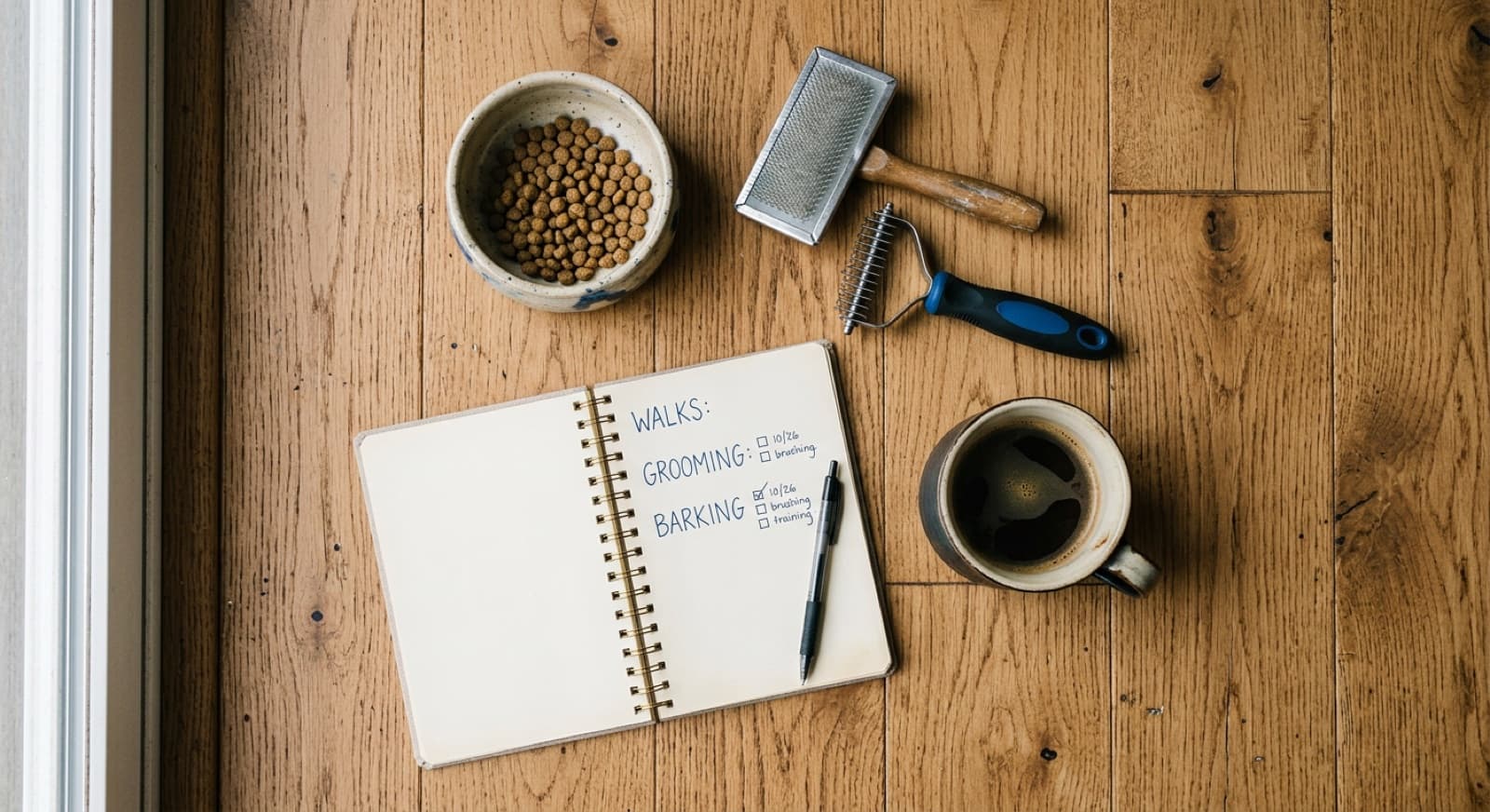
The Calgary Lifestyle Math
Calgary is unusually friendly to Sheltie ownership in some ways and challenging in others. The honest picture:
- Winter climate: The double coat handles Calgary winter beautifully. Most Shelties are comfortable down to -20C with normal walking, and many prefer cooler weather. Booties on heavily salted sidewalks protect paw pads, but no winter coat is needed for the dog.
- Summer heat above 25C: The thick coat that thrives at -20C is a problem above 25C. Walks shift to early morning before 8 AM and late evening after 8 PM. Midday is rest indoors with shade and water. Above 28C, no hard exercise outdoors. Hot asphalt is a paw burn risk; test with the back of your hand for 5 seconds.
- Vocalisation and bylaw 3M2006: Calgary Responsible Pet Ownership Bylaw 3M2006 governs noise complaints. Chronic barking can lead to fines starting around $250 and escalating with repeat complaints. The bylaw applies to all neighbourhood disturbances regardless of breed. Sheltie owners need to budget time and training to keep vocalisation within neighbour-tolerable limits.
- Off-leash spaces: Nose Hill, Fish Creek, Bowmont, and Edworthy work well for a Sheltie with a solid recall. The breed enjoys group play and is dog-social. Build recall with a force-free trainer before relying on off-leash time; the herding drive can override recall when bicycles or wildlife appear.
- Specialty vet access: Calgary has strong general veterinary access and specialist referral at Western Veterinary Specialist Centre for serious eye, neuro, or surgical concerns. MDR1 testing is available through most clinics.
- Rescue availability: Pure-breed Sheltie rescues are rare in Western Canada, so most Calgary Shelties end up at general rescues like Calgary Humane Society, AARCS, BARCS, Pawsitive Match, ARF Alberta, Cochrane Humane, and occasionally Heaven Can Wait. Inventory turns over quickly when it appears.
- Common mixes in Calgary listings: The Shollie (Sheltie x Border Collie), the Sheltie-Aussie cross, and the Sheltie-Corgi cross show up periodically. Mixes vary in temperament and often retain the vocal wiring; expect Sheltie cons in any Sheltie mix.
Foster-to-adopt is the safest test of fit
Calgary-area Sheltie adoptions through reputable rescues often offer a 2 to 4 week foster trial. You experience the daily vocalisation reality, the brushing rhythm, the exercise demand, and the household bonding intensity in real life. If the trial fits, you adopt. If not, the dog returns to foster with no fee lost. For a sensitive vocal breed like the Sheltie, this is the safest way to know.
See Available Shelties →10-Question Self-Assessment
Answer honestly. If you answer “no” or “not sure” to more than two, the Sheltie is probably not the right fit right now. That is useful information, not a judgment.
1. Will my household and neighbours tolerate a vocal dog?
Be honest about wall thickness, neighbour proximity, and your own noise tolerance. The breed talks. Force-free training reduces but does not eliminate vocalisation.
2. Am I committed to force-free training only?
No leash pops, no e-collars, no alpha rolls. Shelties shut down or escalate with harsh handling. Force-free trainers like Raising Canine and Pup City Pup Academy are the Calgary go-to.
3. Is someone home most days, or do I have a real daycare plan?
Work-from-home, retired, flexible schedule, or budgeted daycare. Full workdays outside the home with no plan is the single biggest predictor of Sheltie separation anxiety.
4. Can I provide 60 to 90 minutes of daily exercise plus mental enrichment?
Not just on weekends. Every day. The breed is a working herding dog in a small package, and underexercised Shelties develop preventable nuisance behaviours.
5. Does 10 to 15 minutes of brushing 3 to 4 times a week fit my routine?
More during the spring and fall coat blow. If brushing feels like a bonding ritual, you are aligned. If it feels like an unwelcome chore, the breed is the wrong fit.
6. Can I budget $60 to $100 per professional grooming session every 8 to 12 weeks?
On top of food, vet care, and supplies. Sheltie cost-of-ownership is real and ongoing for 12 to 14 years.
7. Are my kids respectful, or can they be coached to be?
Shelties do well with calm school-age kids aged 6 and up. Toddler-heavy households can work with active supervision, but herding behaviour around running children needs management.
8. Do I have a real plan for Calgary summer heat above 25C?
Early-morning walks, late-evening walks, midday rest indoors with shade and water. Above 28C, no hard exercise.
9. Am I prepared to handle MDR1 testing and breed-specific health screening?
A one-time MDR1 test through your vet costs $80 to $150 and is recommended before any anaesthetic procedure. Annual eye exams help catch Collie Eye Anomaly progression and other inherited eye conditions.
10. Am I ready for a 12 to 14 year commitment with a vocal, sensitive, intelligent companion?
The Sheltie is a long-lived breed and the workload is ongoing. Pet insurance from a young age is often worth the math given the breed's eye and joint risk profile.
Frequently Asked Questions
Is a Sheltie a good first dog?
Often yes, with one big asterisk. Shelties are small (15 to 25 lbs), gentle, top-ten intelligent, family-bonded, and generally non-aggressive. That profile is friendlier to first-time owners than most herding breeds. The asterisk is vocalisation. The Sheltie is one of the most vocal breeds in dogdom, and that is the single most common reason the breed lands in Calgary rescue. First-time owners who succeed tend to have a tolerance for a talky dog, a willingness to commit to a force-free trainer like Raising Canine or Pup City Pup Academy, and a household that is not in a thin-walled condo. If those fit, the Sheltie is a wonderful first dog.
Do all Shelties bark this much?
Most of them, yes. Vocalisation is a breed-defining trait, selected for by Shetland farmers who needed a small herding dog that could alert and move sheep with voice as well as body. Modern Shelties are not on Scottish farms, but the wiring is unchanged. They alert at doorbells, vehicles, wildlife, and neighbours arriving home. Force-free training can reduce frequency and teach a quiet cue, but you cannot train the breed silent. If quiet is the priority, a different breed is the honest answer. See our vocal management guide for the realistic plan.
Can I have a Sheltie in a Calgary condo?
It depends on the building. A thicker-walled concrete condo with tolerant neighbours can work. A thin-walled wood-frame townhouse or apartment is a real risk. Calgary noise complaints are governed by Responsible Pet Ownership Bylaw 3M2006, and a chronically barking dog can lead to fines starting around $250 and escalating. The honest pre-adoption test is to spend an hour in the unit and listen to the neighbours. If you can hear them clearly, they will hear your Sheltie clearly. Detached single-family homes are the easier fit.
Are Shelties good with kids?
Yes, generally very good with respectful kids aged 6 and up. Shelties are gentle, patient, and family-bonded. The caveat is the herding instinct. Some Shelties chase running kids, nip at heels, and circle to gather them, which can frighten young children even though the behaviour is not aggressive. Households with toddlers under 5 should know this and supervise actively. Households with school-age kids who can be taught to play calmly and respect the dog usually do very well with the breed.
What are the biggest cons of owning a Sheltie?
Notorious vocalisation that drives most surrenders, a sensitive temperament that shuts down under aversive training, heavy double-coat shedding with two big seasonal coat-blows a year, daily exercise needs of 60 to 90 minutes despite the small size, herding behaviour aimed at kids, cats, cyclists, and cars, separation anxiety in pack-bonded individuals, and MDR1 drug-sensitivity in roughly 10 to 15 percent of the breed. None are deal-breakers alone. Together they explain why Shelties land in Calgary rescue more often than the picture-perfect Lassie image suggests.
Who should NOT get a Sheltie?
Thin-walled-condo dwellers, full-workday-alone households without daycare, owners who plan to use corrections, leash pops, or e-collars, low-grooming-budget households, low-exercise lifestyles, and families expecting a small dog to mean a low-maintenance dog. The Sheltie is a working herding breed in a small package. A mismatch is not the dog's fault.
How bad is Sheltie shedding?
Heavier than most people expect for a small dog. The double coat sheds year-round and blows out twice a year, in spring and fall, for roughly 3 to 6 weeks each season. Plan on 10 to 15 minutes of brushing 3 to 4 times a week during normal coat, daily during coat blow, plus a monthly bath and line-brushing session. Calgary owners often book a groomer every 8 to 12 weeks at $60 to $100 a session. The coat is beautiful but it is a daily relationship.
What is MDR1 and does my Sheltie need testing?
MDR1 is a multidrug resistance gene mutation that affects roughly 10 to 15 percent of Shelties. Affected dogs cannot safely process certain common medications including ivermectin (in some heartworm products), loperamide (Imodium), and several anaesthetic drugs. The test is a cheek swab through your vet, runs around $80 to $150 in Calgary, and is a one-time test for life. The American Shetland Sheepdog Association recommends testing for any Sheltie before any anaesthetic procedure. Confirm MDR1 status with your vet before surgery.
Should I adopt a Sheltie puppy or adult?
For most first-time Sheltie owners, an adult is the safer pick. Sheltie puppies are rare in Calgary rescue because the breed is popular and most puppies sell privately. The adults who land in rescue are usually 4 to 9 years old and surrendered for vocalisation, lifestyle changes, or owner allergies. That makes the adoptable adult arguably the better match because temperament is already revealed: vocal level, kid tolerance, cat tolerance, training history, and alone-time tolerance are documented. You match a known temperament to your home instead of betting on a developing puppy.
What is the difference between a Sheltie, a Collie, and a Mini Aussie?
A Sheltie is a Shetland Sheepdog: small (15 to 25 lbs), Scottish origin, vocal, sensitive. A Rough Collie (the Lassie breed) is much larger (50 to 75 lbs), calmer in temperament, and from the Scottish mainland. A Mini Australian Shepherd (now called Miniature American Shepherd) is similar in size to a Sheltie but is a separate breed with different working drive and a higher energy ceiling. The three look superficially alike because of the long coats and the herding heritage, but they are not the same breed. See our full disambiguation guide for the side-by-side.
Sources and further reading
- American Shetland Sheepdog Association (assa.org): breed standard, health screening recommendations, and ethical breeding guidelines.
- American Kennel Club (akc.org): temperament, lifespan, and breed history.
- Canadian Kennel Club (ckc.ca): breed group, registered breeders, and Canadian breed standards.
- Calgary Humane Society (calgaryhumane.ca): local adoption process and surrender support.
- Calgary Responsible Pet Ownership Bylaw 3M2006: governing legislation for noise complaints and chronic-barking enforcement in Calgary.
This article is informational only and not a substitute for veterinary, behavioural, or insurance advice. Consult a Calgary veterinarian, a force-free trainer, and your own grooming salon for personalised guidance.
Related Sheltie guides
Sheltie Adoption Calgary →
Where to find a rescue Sheltie in Calgary, real adoption costs vs breeder pricing, what reputable rescues assess, and the foster-trial route.
Sheltie Barking and Vocal Management →
Force-free strategies to reduce vocalisation, teach a quiet cue, and stay within Calgary noise bylaw 3M2006 limits.
Sheltie vs Collie vs Mini Aussie →
Side-by-side comparison of the three look-alike herding breeds Calgary adopters most often confuse.
Shelties for Adoption in Calgary →
Live listing of available Shelties and Sheltie mixes across Calgary rescues when inventory exists.
New dog? Start with these care guides
Everything a new adopter needs to set up a safe, happy home.