The short answer
Adopt, do not buy. Edmonton rescues see German Shepherds regularly, with the highest volume through SCARS via northern-Alberta intake. Zoe's Animal Rescue and Edmonton Humane Society also list GSDs regularly. Fees $400 to $700 and include spay/neuter, vaccines, microchip, vet check. The canonical Edmonton GSD profile is a 1 to 3 year old adolescent. Confirm any condo or insurance restricted-breed list before applying. Shepherd mixes (Shepherd-Lab, Shepherd-Husky, Shepherd-Collie) are more common in rescue than purebreds.
Why so many German Shepherds end up in Edmonton rescue
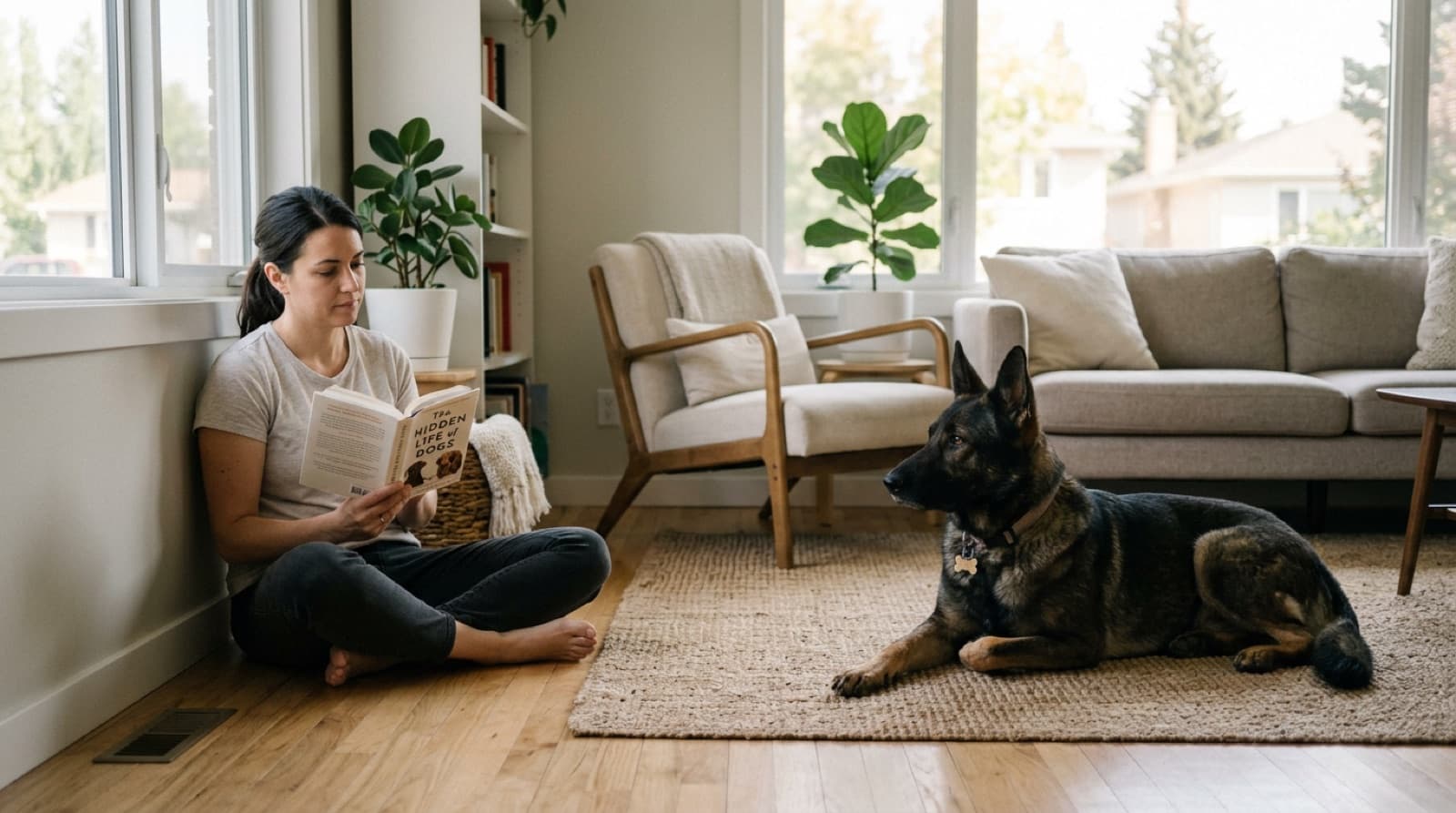
German Shepherds are among the most common dogs in Edmonton-area rescues. The canonical Edmonton pattern is the adolescent surrender. Most rescue GSDs you will meet here are 1 to 3 year old dogs who lost their first home during the high-energy stage, somewhere between eight months and three years old, when the puppy turns into a 70 lb working-breed adolescent with a real opinion.
The underlying mismatch is consistent. Owners underestimate the 60 to 90 minutes of daily exercise plus mental work a Shepherd needs to stay balanced through a long Edmonton winter. The dog hits the destructive phase. The household tries to scale back exercise instead of scaling up, the dog gets worse, and the surrender call to the rescue follows by month eighteen. None of this is the dog’s fault, and the rescue Shepherd you adopt is often a great dog who was set up to fail by a household that bought the wrong breed for their lifestyle.
Layered on top of the urban surrender story is the northern-Alberta intake pipeline. SCARS pulls Shepherds and Shepherd crosses from northern Alberta communities, where the breed is common and where formal rehoming infrastructure is thin. By the time those dogs reach Edmonton foster homes, many have spent time in larger northern shelters, and the SCARS foster network spends real effort assessing temperament before adoption. The result is a steady supply of adoptable Shepherds and Shepherd mixes in Edmonton most months.
The good news for adopters: with structure and training, these adolescent Shepherds settle into outstanding companions. The bad news for the impulse adopter: a rescue GSD is not a casual project. The reason the dog ended up in rescue at fourteen months will be the same reason a second household struggles, unless that household actually offers what the breed needs.
Edmonton rescues that consistently list German Shepherds
All seven of these are Edmonton-area rescues that carry Shepherds or Shepherd mixes in their listings on a regular cycle. Some are higher-volume than others, and the right starting point depends on what kind of Shepherd home you can offer.
- SCARS (Second Chance Animal Rescue Society): the highest-volume Shepherd source in Edmonton, driven by northern-Alberta intake. Foster-based, with detailed per-dog temperament write-ups from foster homes. Most SCARS Shepherds are adolescents and adults; puppy availability is sporadic. Strong fit for adopters who want a foster-tested Shepherd and can wait for the right match.
- Zoe's Animal Rescue: long-running Edmonton foster-based rescue. Shepherds and Shepherd mixes appear regularly. Zoe's temperament assessments are thorough and the application process emphasises fit over speed.
- Edmonton Humane Society: the city's largest shelter. GSDs and Shepherd crosses appear here as owner surrenders and transfers. Centralised facility intake means you can meet the dog in person before applying, which suits adopters who want a real-world read on energy and behaviour.
- AARCS (Alberta Animal Rescue Crew Society): headquartered in Calgary but with Edmonton-area foster homes. AARCS tags each dog with its current foster location, so Edmonton-foster Shepherds surface on Edmonton listings. Lower volume than the Edmonton-only rescues, but the foster-temperament write-ups are detailed.
- GEARS (Greater Edmonton Animal Rescue Society): smaller foster-based rescue with rotating Shepherd and Shepherd-cross intake. Lower inventory but often well-matched, foster-evaluated dogs.
- Hope Lives Here Animal Rescue: Edmonton-area foster-based rescue. Shepherd-type dogs appear in their listings periodically; smaller scale than SCARS or EHS.
- Alberta Homeward Hound Rescue Bureau (AHHRB): Edmonton-area foster-based rescue that intakes from northern Alberta. AHHRB does not formally label breeds (every dog is “Mixed Breed” on paper), so Shepherd-type dogs are identified by description and photos rather than a breed tag. Worth checking if you are open to a Shepherd cross.
Adopters sometimes ask whether there is an Edmonton GSD-specific rescue. As of writing we cannot verify an active Shepherd-specific rescue operating in Edmonton with current adoptable listings. If you find a rescue group by any breed-specific name, verify it the same way you would verify any pet transaction: a Canada Revenue Agency charitable registry check, a real address or named foster network, public-facing vet references, and a current adoptable-dog list. Most Edmonton GSD adopters find their dog through the rescues above.
What an Edmonton rescue German Shepherd actually costs
Edmonton rescue adoption fees for German Shepherds generally land between $400 and $700. The fee is not a sale price; it covers the medical work the rescue has already done on the dog. That typically includes:
- Spay or neuter surgery. Standalone, this is $350 to $700 at an Edmonton vet clinic for a large-breed dog.
- Core vaccinations. DAPP and rabies at minimum. Bordetella is often included if the dog has been boarded.
- Microchip implant and registration. Required by City of Edmonton bylaw for licensed dogs.
- Deworming and flea/tick treatment. Especially important for northern-intake dogs.
- Basic vet workup. Physical exam, dental check, and assessment of any chronic conditions. Many rescues will also have done preliminary hip and elbow palpation given the breed.
Stacked on their own, those services cost $900 to $1,400 at retail Edmonton vet pricing for a large-breed dog. The rescue fee is a recovery on costs, not a profit. Senior Shepherds (eight years and up) often have reduced fees, sometimes as low as $200 to $350, because the rescue is prioritising placement and a senior GSD is harder to home.
For comparison, a breeder German Shepherd puppy in Alberta runs $1,800 to $3,500 for pet-quality. Working or show lines from a Schutzhund or IGP-titled program climb to $5,000 or more. A breeder puppy comes with none of the vet work the rescue dog already has, so add another $900 to $1,400 in first-year vet costs to get an apples-to-apples picture. The rescue path is significantly cheaper, and the dog you adopt is past the worst chewing phase.
Beyond the fee, plan on ongoing Shepherd costs of $1,800 to $3,500 per year. Food is the biggest line because adult GSDs eat substantially. Joint supplements and orthopaedic beds are reasonable from age four onward given the breed's hip-and-elbow risk. Pet insurance for a young healthy Shepherd in Edmonton typically runs $50 to $90 per month and is worth the math, especially for hip dysplasia and bloat surgery coverage.
The restricted-breed reality in Edmonton condos and insurance
Alberta has no breed-specific legislation, and the City of Edmonton does not ban German Shepherds. The real-world friction lives one layer down, in housing policy and insurance underwriting. Get the housing and insurance picture clear before you apply, because Edmonton rescues see approved adoptions fall through when a condo board refuses the dog at move-in.
Condo boards and restricted-breed lists
A minority of Edmonton condo boards maintain internal restricted-breed lists that group Shepherds alongside Pit Bulls, Rottweilers, and Dobermans. The list is not legally required and varies building by building. Read your condo bylaws (not the bylaws of the strata, the specific dog-restriction schedule) before you apply for a Shepherd, and if anything looks restrictive, get written confirmation from the property management that the specific dog you are applying for is approved. Verbal approval is not enforceable when the board changes hands.
Rental landlords and pet schedules
Most Edmonton rental landlords do not have GSD-specific restrictions, but a written pet addendum to your lease is non-optional. The addendum should name the dog and confirm that the landlord has approved a German Shepherd by breed. Generic “dog OK” clauses can be revisited at lease renewal if a neighbour complains. Edmonton rescues will ask for the written addendum during the application; do not skip this step.
Home insurance and liability
A small number of insurance carriers in Alberta ask about dog breed at policy renewal and either decline coverage or exclude dog-bite liability when the dog is on their internal list. The list typically includes Pit Bull-type dogs and varies on whether Shepherds are included. Call your insurance broker before you adopt, ask the breed question directly, and confirm in writing if there is any ambiguity. Most carriers do not flag GSDs, but the ones that do can put a household in a bad spot at renewal.
What the rescue will ask
SCARS, AARCS, and EHS all ask about housing situation specifically on the application. They have seen the move-in-day rejection happen and would rather hold the dog longer than place it badly. Your application strengthens with a written landlord approval or condo-board confirmation in hand before the foster phone screen.
German Shepherd mixes are more common than purebreds in Edmonton rescue
Shepherd mixes are the single most common dog type in Edmonton and northern Alberta rescue. SCARS in particular takes in large numbers of Shepherd-cross dogs from northern intake, typically smart, athletic, biddable dogs that inherit the Shepherd's trainability without always carrying the full intensity of a purebred working line. Because “Shepherd mix” covers a huge range, the foster home's temperament write-up matters more than the label on intake.
The most common Edmonton Shepherd crosses, and what to expect from each:
- Shepherd-Lab (often the most family-friendly). The Lab influence adds easygoing trainability and reduces the Shepherd protective edge. These dogs are frequently assessed as solid all-purpose family dogs in Edmonton rescue, particularly suited to active households with kids over six. Energy is high but recoverable; trainability is high.
- Shepherd-Husky (high-drive double trouble). Two high-drive northern breeds combined. Expect serious exercise needs, possible vocalisation, and a real recall challenge. Best for experienced handlers with secure fencing. Often confused with “Pomsky” or generic Husky on intake, so read the description carefully.
- Shepherd-Collie (working-line drive). Border Collie or rough-Collie cross. Highly biddable, often a sport-dog candidate, but the Collie influence adds herding behaviour around kids and bikes that needs early management. Strong fit for a household that wants a project dog with structure.
- Shepherd-Lab-Husky three-way mixes. Common in northern intake. Best read through the foster notes; individual temperament varies sharply.
- Shepherd-Cattle Dog crosses. Higher energy, often more reactive, sport-dog material with experienced handling.
- Shepherd-Rottweiler or Shepherd-Mastiff crosses. Lower-energy but still protective. Often assessed as suited to confident handlers; rarely the right first dog.
The visual breed call on intake is not always accurate. A foster volunteer best-guesses the cross based on coat, ear set, build, and behaviour, but a dog labelled “Shepherd-Lab” on the listing might be Shepherd-Husky-Lab after a DNA test. Treat the label as a starting hypothesis and lean on the foster temperament write-up for the real picture.
One practical Edmonton consequence of the mix-heavy intake: if you have your heart set on a purebred GSD specifically, you may wait longer in rescue. If you are open to a Shepherd-mix, the inventory is much deeper and the foster-tested temperament information is often better than what you would get from a breeder waitlist.
What Edmonton rescues evaluate in a German Shepherd application
Edmonton Shepherd adoption applications are not pro-forma. Most rescues screen actively because the surrender rate on adolescent GSDs is real, and they would rather hold the dog longer than place it badly. The application questions cluster around a few areas:
- Fencing. Six-foot minimum for adolescent escape risk. Rescues will ask about height, material, gate latches, and whether the dog will be supervised in the yard. Some will adopt without a fenced yard if the exercise plan is exceptional; most prefer a fence. Renters need written landlord approval for any fence modifications before approval.
- Exercise capacity. Not vague answers about walks, but specific descriptions of duration, route, and what happens on -25 C days or after work meetings run long. A good answer covers 60 to 90 minutes of structured daily exercise plus mental work like scent games, training class, or food puzzles.
- Work-from-home and adolescent management. A nine-to-five GSD alone all day, especially an adolescent, is the household most rescues see surrenders from. Work-from-home, flexible hours, or a documented midday dog-walker arrangement strengthens the application substantially.
- Other pets. Prey drive varies, but cat households often need a specific cat-tested dog. Existing dogs are usually fine if temperaments match; the rescue will arrange a meet-and-greet.
- Kids. Most Shepherd-savvy rescues will adopt to families with kids over five or six, depending on the individual dog. Kids under three get more scrutiny because of the size, energy, and adolescent jumping phase.
- Prior dog experience. Some Edmonton rescues will not adopt working-line Shepherds to first-time dog owners. Others will if the application shows real homework: training class commitments, breed reading, references from a force-free trainer.
- Housing confirmation. Written landlord approval or condo-board confirmation specifying that a German Shepherd is approved. Generic “dog OK” addenda are not enough; the rescue wants the breed named.
The application is not a hurdle to clear; it is a conversation. If you have a smaller yard but a strong off-leash plan at Mill Creek Ravine or Terwillegar, say so. If you have never owned a Shepherd but you have been reading rescue temperament write-ups for six months, say so. Specificity wins applications.
Browse adoptable Edmonton dogs
Current Edmonton listings from SCARS, Zoe's Animal Rescue, Edmonton Humane Society, GEARS, Hope Lives Here, AHHRB, and AARCS Edmonton-foster dogs in one place. Filter by size, energy, and good-with-kids compatibility to find a German Shepherd or Shepherd mix whose foster notes fit your home before you apply.
See Edmonton Adoptable Dogs →How to apply for an Edmonton German Shepherd
Most Edmonton rescues run their application process online. The typical sequence:
- Find a specific dog you want to apply for. Edmonton rescues apply per-dog rather than maintaining a general waitlist (with some exceptions for puppies). Browse current listings and identify a specific Shepherd or Shepherd mix.
- Complete the online application. Expect 30 to 60 minutes for a thorough application. Have your landlord's contact information, your written pet addendum or condo-board confirmation, your vet's name if you have other pets, and two non-family references ready.
- Phone screen with the foster. If the application clears the first review, the dog's foster home will call you. This is the conversation that decides most applications. Be honest about exercise capacity, schedule, and prior breed experience.
- Home check or virtual home tour. Some Edmonton rescues do in-person home checks; others run a video walk-through. They are looking at the yard, the fence, and the general space.
- Meet-and-greet. Either at the foster's home, a neutral location, or the rescue facility. If you have other dogs, this is when the dog-dog introduction happens.
- Reference checks. Most Edmonton rescues call two references, including any prior vet if you have other pets. Give your references a heads-up so they pick up.
- Adoption contract and fee. Most rescues use a standard adoption contract that specifies the dog must be returned to the rescue if you can no longer keep them, ever. Read it.
Realistic timeline from application to dog-in-your-house is one to three weeks. Less in-demand dogs (adults, seniors, dogs with quirks) move faster. Puppies and popular adolescent Shepherds take longer because more applicants compete for each.
The first 30 days with an Edmonton rescue German Shepherd
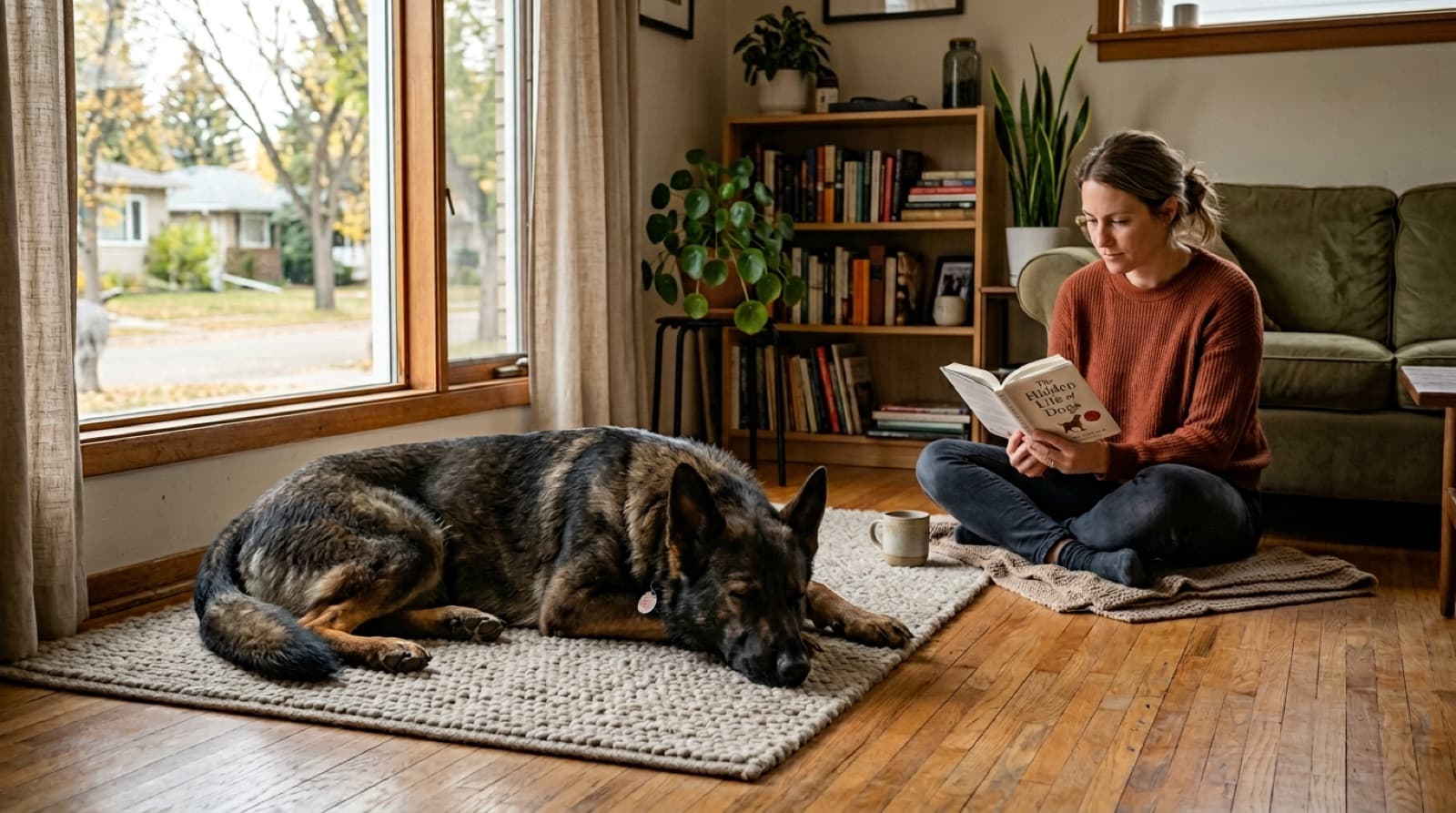
The 3-3-3 decompression principle applies to every rescue dog, and Shepherds are no exception. The first three days are about survival mode and safety. The first three weeks are about routine and adjustment. The first three months are about real personality emerging. Plan around it rather than against it.
Practical week-one priorities for an Edmonton rescue GSD:
- Yard check first. Walk the fence line looking for gaps, loose boards, dig points, low spots, and gate-latch weaknesses. Adolescent Shepherds test fences. Fix anything questionable before the dog goes out unsupervised.
- Stay on leash everywhere outside the yard. Recall is not yet established. Use a six-foot leash for transit and a 10 to 15 metre long-line for any open-space exploration. River-valley trails are well-suited for long-line work; off-leash zones are not yet appropriate.
- License the dog with the City of Edmonton. Required for any dog over six months. Tags should be visible on the collar from day one. License information is on the City of Edmonton dogs page, along with the Animal Care and Control Bylaw 21244 rules. The off-leash-without-control fine is $250.
- Establish structure. Twice-daily meals at consistent times, predictable walk windows, and clear house rules. Shepherds settle into structure faster than most breeds.
- Start light exercise. Long leashed walks rather than full off-leash sessions for the first two weeks. The dog needs to learn the neighbourhood, the routes, and your handling style.
- Add mental work early. A Shepherd that gets only physical exercise is still bored. Food puzzles, basic obedience refreshers, and short scent games burn brain energy in ways that physical exercise cannot.
- Winter routine startup. If you adopt in winter, the cold is on the Shepherd's side, but salted sidewalks are not. Paw wax or booties for city walks, paw-pad rinses after river-valley sessions.
- Hold off on the dog park. Not for the first two weeks at minimum. The stimulation and dog density are too much for a still-decompressing rescue.
- Enrol in a force-free class. Even an experienced dog owner benefits from a structured class with a new dog. Most Edmonton rescues will provide trainer recommendations during the foster phone screen.
By week three, you will start seeing the real dog. The first-three-days dog is rarely the dog you adopted. Expect more energy, more confidence, more opinion, and the beginning of any leftover behavioural quirks from the previous home. This is normal and predictable. By month three, structure and exercise have done most of their work, and the foster-write-up dog is the dog living in your house.
Frequently asked questions
Where can I adopt a German Shepherd near me in Edmonton?
German Shepherds and Shepherd crosses turn up regularly in Edmonton-area rescues. The highest-volume source is SCARS (Second Chance Animal Rescue), which pulls a steady stream of Shepherds and Shepherd mixes from northern Alberta communities. Zoe's Animal Rescue and Edmonton Humane Society also list GSDs regularly. AARCS, headquartered in Calgary, has Edmonton foster homes and tags Edmonton-area dogs accordingly. GEARS, Hope Lives Here, and Alberta Homeward Hound Rescue Bureau (AHHRB) carry smaller numbers of Shepherd-type dogs. Inventory rotates, so check current Edmonton listings for what is actually available right now.
Why are there so many German Shepherds in Edmonton rescues?
The canonical Edmonton pattern is the adolescent surrender. Most Edmonton rescue GSDs are 1 to 3 year old adolescents who lost their home during the high-energy stage. Owners underestimate the 60 to 90 minutes of daily exercise plus mental work a Shepherd needs to stay balanced through a long Edmonton winter, the dog hits the destructive adolescent phase, and the household gives up. Stacked on that is the northern-Alberta intake pipeline through SCARS, which pulls Shepherds and Shepherd crosses from northern communities where the breed is common and rehoming infrastructure is thin.
How much does it cost to adopt a German Shepherd in Edmonton?
Edmonton rescue adoption fees for German Shepherds typically run $400 to $700. The fee covers spay or neuter, core vaccinations, microchip, deworming, and a basic vet workup. Senior Shepherds (around eight years and up) often have reduced fees. Compare that to a breeder GSD puppy in Alberta, which generally runs $1,800 to $3,500 for pet-quality and higher for working or show lines. The rescue fee gap widens once you count the vet work already done on the rescue dog.
Are German Shepherds restricted breeds in Edmonton?
Alberta has no breed-specific legislation, and the City of Edmonton does not ban German Shepherds. The real-world friction is housing and insurance. Some Edmonton condo boards and a minority of rental landlords list GSDs alongside Pit Bulls and Rottweilers on internal restricted-breed lists, and a few insurance carriers ask about breed at policy renewal. Sort the housing and insurance questions before applying. Most Edmonton rescues will ask about your living situation specifically because they have seen approved adoptions fall through when a condo board refused the dog at move-in.
Are Shepherd mixes better than purebred Shepherds for Edmonton families?
Often, yes, and Shepherd mixes are more common in Edmonton rescue intake than purebreds. The most family-friendly cross is typically the Shepherd-Lab (the Lab influence adds easygoing trainability). Shepherd-Collie crosses tend toward working-line drive and want a job. Shepherd-Husky mixes combine two high-drive northern breeds and need experienced handling. The label on intake is often a foster best-guess; what matters more is the foster home's temperament write-up. Read each dog's notes carefully.
Are German Shepherds good first dogs in Edmonton?
They can be challenging for first-time owners because of drive, protectiveness, and the adolescent phase that lasts through about age three. If a GSD is your first dog, budget for a reputable Edmonton force-free trainer and start a class within weeks of bringing the dog home. Many rescue GSDs have foster-home temperament notes that flag which dogs suit a less-experienced household and which need an owner with prior working-breed experience. Ask the rescue directly.
How long does the Edmonton German Shepherd adoption application take?
Most Edmonton rescues use an online application followed by a foster phone screen and an in-person or virtual meet-and-greet. Expect one to three weeks from application to approval and home placement, sometimes faster for less in-demand dogs and longer for puppies or popular adolescents. SCARS sometimes moves faster on adults given the steady intake volume; EHS application timelines are often steadier. Read each rescue's application page before applying so you do not get filtered out for a fixable reason.
Do Edmonton rescues adopt German Shepherds to apartment renters?
Some will, most prefer a fenced yard. The harder question is exercise commitment, schedule, and noise. An adolescent GSD that does not get exercise tears up an apartment, and a stressed GSD can become reactive at building entryways. If you rent and want to apply, your case strengthens with a written landlord approval (some Edmonton condo boards restrict large breeds), a documented exercise plan, and ideally an older Shepherd whose energy has settled. Most rescues will home-check before approval.
Are German Shepherds good for Edmonton winters?
Yes. The GSD double coat handles deep cold well, and their high drive means they still want real exercise year-round. Plan for paw protection on heavily salted city sidewalks and watch for ice-ball buildup between the pads after river-valley walks. They thrive with winter jobs like scent work, structured tracking, or off-leash time in fenced zones. Edmonton-summer heat is harder on most Shepherds than Edmonton-winter cold.
What if I see a free German Shepherd on Kijiji Edmonton?
Treat free-GSD listings with caution. Common Edmonton patterns are owners bypassing formal rescue surrender (which means no behavioural disclosure), backyard breeders using free as a hook before the price reveals at pickup, and flippers collecting free dogs to resell. A legitimate owner-rehoming with a modest fee can be fine, but verification matters: ask for vet records, see the dog in its current home, and ask blunt questions about why the dog is being rehomed. If the answer is rushed or vague, walk. The Canadian Anti-Fraud Centre tracks pet scams in Canada.
Related Edmonton German Shepherd guides
Edmonton Adoptable Dogs
Current Edmonton-area German Shepherd and Shepherd-mix listings from SCARS, Zoe's, EHS, GEARS, Hope Lives Here, AHHRB, and AARCS Edmonton fosters.
German Shepherd Health Issues: Hips, DM, Bloat
German Shepherd health issues to plan for: hip and elbow dysplasia, degenerative myelopathy, bloat, EPI, hemangiosarcoma and drug sensitivity, plus what to ask your vet.
GSD Adolescence Edmonton
The 8-month to 3-year adolescent phase that drives most Edmonton GSD surrenders. Management, training, and surviving the hardest stretch.
GSD Exercise & Training Edmonton
60 to 90 minutes of daily exercise plus mental work: river-valley routines, scent games, force-free training class options, and winter programming.
Find your Edmonton rescue German Shepherd
Browse current Edmonton-area German Shepherd and Shepherd-mix listings. Foster temperament notes help you find the right match for your fencing, schedule, and home.
Browse All Edmonton Dogs →New dog? Start with these care guides
Everything a new adopter needs to set up a safe, happy home.