The short answer
Edmonton Shiba rescue is moderate-volume primitive-breed work. One or two purebreds reach Edmonton-area intake per month, with Shiba crosses somewhat more frequent. Edmonton Humane Society, AARCS Edmonton fosters, Zoe's, and SCARS see them most often. The breed is cat-like, NOT a Lab. Independent, dignified, escape-prone, and capable of the unmistakable Shiba scream. Adult fees $360 to $650. Plan 3 to 6 months. Confirm escape-proof fencing, condo neighbour tolerance for vocalisation, and a 14 to 16 year commitment BEFORE applying.
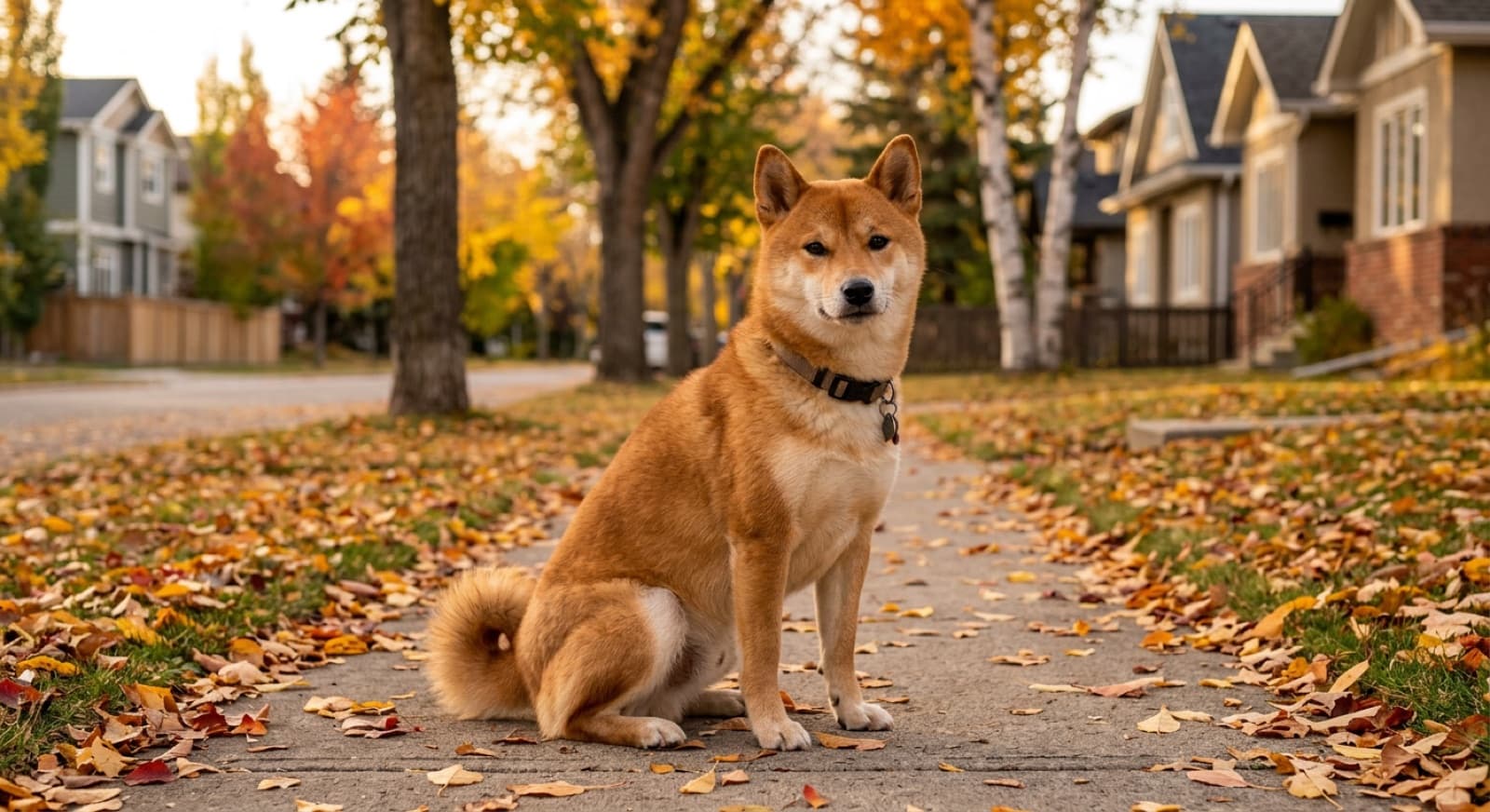
Why Shibas surrender to Edmonton rescue
Shiba surrender patterns in Edmonton are unusually predictable. Five reasons drive most intake, and almost none of them are about a dog that is actually a problem. They are about adopters who expected one breed and got another. Reading the patterns ahead of time helps adopters understand the foster write-up of any specific dog.
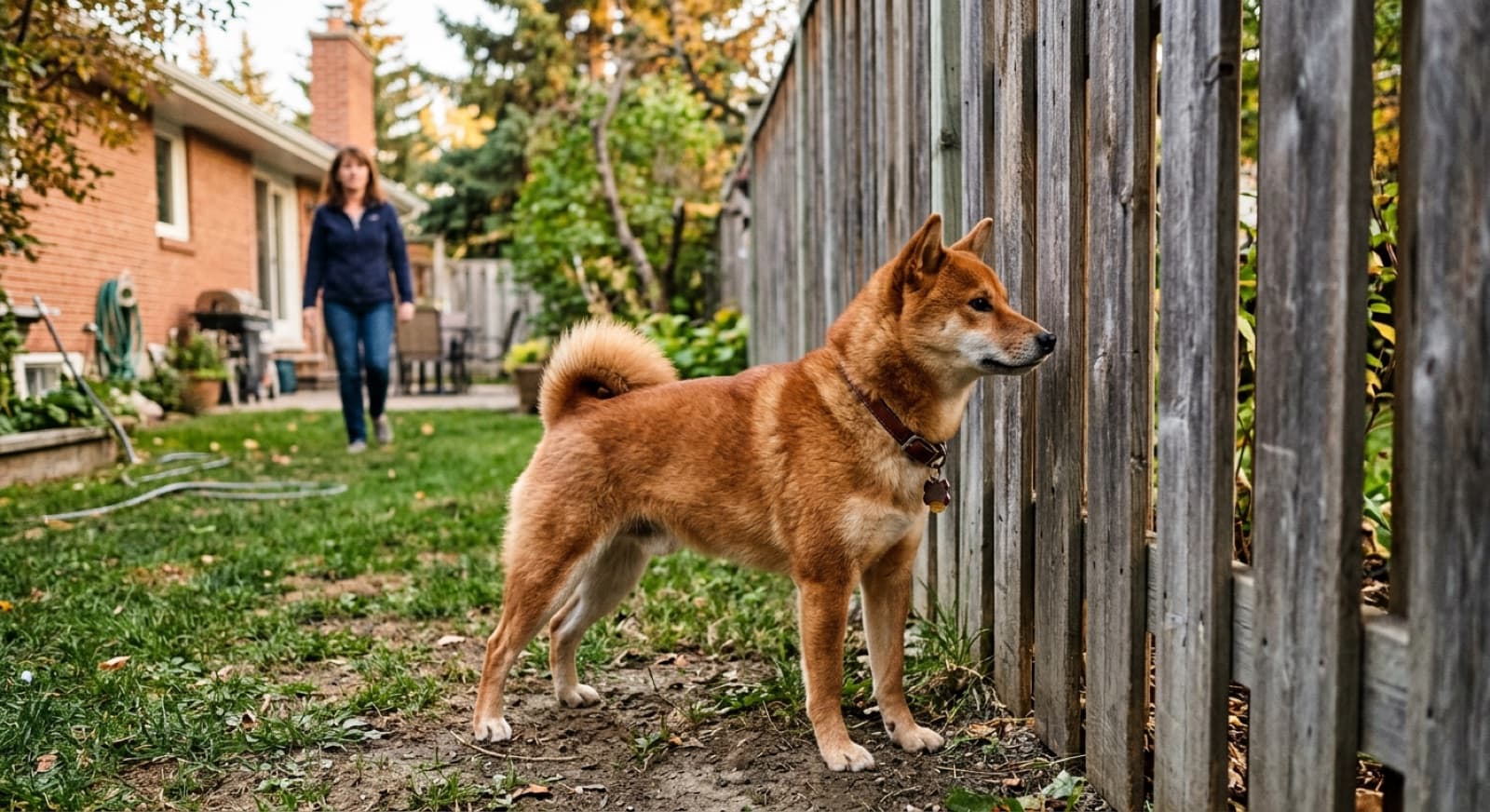
The most common pattern is the escape-artist owner-overwhelm surrender. A first-time Shiba owner installed standard four-foot residential fencing, watched the puppy clear it within a week, raised the fence, watched the dog dig under it, added a no-dig barrier, watched the dog bolt through the open gate the moment a delivery person rang the bell. Shibas are athletic, opportunistic, and motivated by squirrels, rabbits, and any open exit. The breed is one of the most-recovered escape artists at the City of Edmonton Animal Care and Control facility. By month six of repeated escapes, many families give up and surrender. The dog is not the problem; the home was not escape-proof.
The second pattern is allergy diagnosis. The Shiba double coat sheds heavily twice a year during seasonal coat blow and produces meaningful dander year-round. When a household member develops a dander allergy several years into the dog's life, the family faces a choice. Some keep the dog with HEPA filtration and frequent grooming; some surrender. The dog is usually well-adjusted and reaches rescue without behaviour concerns.
The third pattern is behaviour mismatch. The family adopted a Shiba expecting a cuddly Lab-style personality and got a primitive thinker who wants its own space, does not enjoy hugs, does not respond to repetitive obedience drilling, and bonds intensely with one or two people while remaining indifferent to the rest of the household. By month four or five the disappointment sets in. The “doge” meme and the Shiba Inu Instagram aesthetic have done genuine damage to the breed in Alberta over the past decade. Families adopt the cute internet dog and discover the real dog is fundamentally different.
The fourth pattern is Shiba scream complaints. In condo, townhouse, or attached-wall rental housing, the scream is the surrender trigger. The Shiba scream during nail trims, bath time, or vet visits is loud enough that neighbours file noise complaints. Most condo boards will escalate after the third complaint. Some families switch groomers, sedate for grooming, or invest in months of cooperative-care training. Many surrender instead. The dog itself is usually fine; the housing was wrong from the start.
The fifth pattern is adolescent maturation between 15 and 30 months. The cute puppy became an opinionated adult who started resource-guarding food bowls, pulling hard on leash, refusing recall, or showing reactivity to other dogs. The behaviours are normal Shiba adolescence and respond well to force-free training, but families who skipped early classes and expected the dog to grow out of it often surrender at this stage. These are the most-frequently-surrendered Shibas in Edmonton rescue: 18 to 28 months old, healthy, and just past the easy puppy stage.
Shiba Inu vs Akita: same country, different dog
Both breeds come from Japan. Both are spitz-type dogs with curled tails, prick ears, dense double coats, and the same general silhouette. But they are different working breeds bred for different jobs, and the daily-life experience of living with each is genuinely different. Adopters who research Japanese breeds often consider both. Choosing the right one for your household matters.
The Shiba is a primitive small-game hunter. The breed was developed in the mountainous regions of central Japan to flush birds and small game in dense brush. Adults are 17 to 23 lb, with a fox-like wedge-shaped head, a compact athletic frame, and a tightly curled tail carried over the back. The temperament is primitive: independent, alert, fast-reacting, prey-driven on small animals, escape-skilled, and cat-like in dignity. Shibas are the smallest of the six native Japanese spitz breeds and the most genetically distinct, with DNA studies placing them closer to wolves than most modern breeds.
The Akita is a guardian breed developed in the Akita prefecture of northern Japan for hunting large game (boar, bear) and guarding property. The American Akita line, the more common variety in Alberta rescue, runs 70 to 130 lb. The Akita Inu (Japanese Akita) runs 50 to 90 lb. Both are heavier, more deliberate, more property-bonded, and often dog-selective or same-sex aggressive as adults. The temperament is watchful and reserved rather than reactive; the Akita observes, assesses, and decides. See the linked Akita Adoption Edmonton guide for the full Akita-specific breakdown.
Practical differences for daily life: a Shiba will dart out an open door and disappear into the river valley chasing a scent; an Akita will plant itself in the doorway and decide whether the visitor enters. A Shiba can live in a condo if the household manages the scream; an Akita usually cannot fit a condo for size and noise reasons combined. A Shiba grooms itself like a cat and only screams during stress; an Akita is largely silent at home but watchful. A Shiba lives 14 to 16 years; an Akita lives 10 to 12 years. Both share the heavy seasonal coat blow and the never-shave rule. Both are independent thinkers who do not respond well to harsh training. But the daily-life dog you bring home is meaningfully different.
Edmonton rescues that list Shiba Inus
Seven Edmonton-area rescues see Shibas or Shiba crosses with enough frequency to be worth tracking. The realistic strategy is to set listing alerts at each one and apply same-day when a foster temperament write-up matches your home.
- Edmonton Humane Society: the highest-volume Edmonton intake source and the most consistent place to see a purebred Shiba in any given month. EHS sees Shibas primarily through urban owner-surrender, with the five surrender patterns above driving most cases. The centralised facility lets you meet the dog in person before applying, and the EHS behaviour team produces clear temperament write-ups. The EHS adoption page publishes current listings.
- AARCS (Alberta Animal Rescue Crew Society): headquartered in Calgary with Edmonton-area foster homes. AARCS tags each dog with its current foster location, so Edmonton-foster Shibas surface on Edmonton listings. AARCS foster write-ups are among the most detailed in the province and are explicit about cat tolerance, prey drive, recall reliability, and Shiba scream observations during handling.
- Zoe's Animal Rescue: long-running Edmonton foster-based rescue. Zoe's lists Shibas periodically, especially adolescent surrenders from the 18-to-28-month maturation wave. The foster network keeps each dog in a real home for assessment, which produces more accurate temperament notes than a shelter-only setting.
- SCARS (Second Chance Animal Rescue Society): the largest northern-Alberta intake rescue. SCARS pulls Shibas and Shiba-cross dogs (often Shiba-Husky combinations) from northern communities. Shiba mixes appear more often than purebreds. Worth a weekly listing check.
- Alberta Homeward Hound Rescue Bureau (AHHRB): Edmonton-area foster-based rescue intaking from northern Alberta. AHHRB lists every dog as Mixed Breed on paper as a matter of policy, so Shibas and Shiba-types are identified by photo and foster description. Worth checking even if a breed search returns nothing, because Shiba crosses appear in their listings under generic labels.
- GEARS and Hope Lives Here Animal Rescue: two smaller Edmonton foster-based rescues with limited Shiba intake. Both list Shibas occasionally. Lower frequency than the four rescues above but worth following with alerts.
Beyond the local list, there is no Shiba-specific rescue charity we can verify in Canada. The national breed club runs a rescue network that only posts dogs needing new homes; the next section covers it.
The Shiba Inu Canada rescue network
The breed is uncommon enough in Edmonton that any single rescue may go weeks without a Shiba in foster, so it helps to know the one national channel that exists. Shiba Inu Canada, the national breed club, runs a rescue network that posts Shibas needing new homes. It is a posting service, not a rescue charity, and its own page says: “There are not large numbers of Shiba Inu requiring rescue in Canada.” Check it alongside your Edmonton alerts, but do not expect a steady flow of Alberta dogs.
Beyond that network, adult Shibas occasionally come up through Facebook groups and through rehome requests from breeders whose original placements did not work out. The Canadian Kennel Club at ckc.ca lists registered breeders for adopters who want to ask about adult rehomes.
Verify any Shiba “rescue” you find online the same way you would verify any pet transaction: published address or named foster network, current adoptable list, public-facing vet references, and a Canada Revenue Agency charitable registry record where applicable. The Shiba market commands a high price point, and scam “rescues” asking for prepaid transport fees do appear from time to time.
The Doge meme reality
The Shiba is one of the most internet-famous dog breeds in the world. The “doge” meme of the early 2010s, the Shiba Inu cryptocurrency, the Shibe internet aesthetic, and the constant stream of Shiba-on-Instagram content have given the breed enormous public name recognition. Most Edmonton adopters who walk into the Edmonton Humane Society looking for a Shiba have seen hundreds of Shiba videos online before they ever met one.
The problem is that the internet Shiba is not the real Shiba. The cute videos show curated moments: the dramatic scream face, the goofy expression, the chubby puppy on a couch. They do not show the Shiba refusing to come back when called in an unfenced area, the Shiba clearing a four-foot fence in under a second, the Shiba resource-guarding food at adolescence, the Shiba indifferently walking past family members who want a snuggle, or the Shiba screaming during a nail trim loud enough that neighbours call the building manager.
The meme also drove a Shiba puppy boom in Alberta starting around 2017 and accelerating through the pandemic. Many of those pandemic puppies are now reaching adolescence (15 to 30 months old) and being surrendered as the gap between expectation and reality becomes obvious. Edmonton rescue intake for Shibas was light through the mid-2010s; it has been steadier since 2023 as the pandemic-puppy wave hits secondary rescue.
For adopters this is useful. Pandemic-puppy Shibas reaching rescue at 18 to 28 months are typically healthy, well-vaccinated, and surrendered for behaviour-mismatch reasons rather than dog-fault reasons. A Shiba in the rescue system today is more often a dog whose previous family expected a Lab personality, not a dog with a serious behaviour history. The temperament profile in the foster write-up will tell you which Shiba is in front of you.
Shiba Inu colours
Four colours appear in the breed under the Japan Kennel Club and Canadian Kennel Club standards. Most rescue Shibas in Edmonton are red, with occasional appearances of the other three.
- Red. By far the most common colour and the one most adopters picture when they hear “Shiba Inu.” A clear orange-red coat with white urajiro markings (the cream-to-white shading on the muzzle, cheeks, chest, belly, and inside of the legs). The classic doge-meme Shiba is red.
- Sesame. A red coat with even black-tipped hairs distributed throughout, creating a darker overall appearance with red underneath. True sesame is uncommon and often misidentified; many dogs sold as sesame are actually black-and-tan or heavily-shaded red. Occasionally appears in Edmonton rescue.
- Black-and-tan. A black coat with tan and white urajiro markings on the face, legs, and chest. Sometimes mistaken at first glance for a small Rottweiler. Appears in Edmonton rescue periodically.
- Cream. A cream or near-white coat. Healthy purebred Shibas, but not show-standard under the Japan Kennel Club because the urajiro markings cannot be seen against the cream background. Cream Shibas are uncommon in Edmonton rescue.
Colour does not affect temperament, health, or trainability. The foster write-up matters; the coat colour does not. Adopters sometimes hold out for a specific colour, which extends the search timeline significantly. The right dog in front of you is more important than the colour you pictured.
Common Shiba mixes in Edmonton rescue
Shiba crosses appear more often than purebreds in Edmonton rescue. Four patterns appear most often, and each shifts the temperament profile in predictable directions.
- Shiba-Husky (Shiberian). An athletic, vocal mid-sized dog usually 30 to 50 lb. The Husky influence adds prey drive, vocal range, and stronger escape drive. The Shiba influence keeps the independence and cat-like dignity. Six-foot dig-proofed fencing is non-negotiable. Cat compatibility is rare. Excellent winter dog for an Edmonton home with secure outdoor space.
- Shibadoodle (Shiba-Poodle). An emerging cross as the doodle wave reaches secondary rescue. Usually 20 to 35 lb. Temperament varies sharply depending on which parent dominates. The Poodle influence can soften the aloofness; the Shiba influence keeps the independence and escape drive. Coat is usually wavy and lower-shedding than purebred Shiba. Uncommon in Edmonton rescue but appearing.
- Shiba-Akita. A medium-sized cross usually 40 to 70 lb. Inherits the Japanese-spitz silhouette from both parents and often the dignified watchful temperament. Can be dog-selective or same-sex aggressive (Akita influence) and prey-driven (Shiba influence). Suits experienced primitive-breed adopters.
- Shiba-American Eskimo Dog. A small fluffy spitz cross usually 20 to 30 lb. Both parents are spitz-type with double coats and curled tails, so the cross often looks like a slightly larger fluffier Shiba. Temperament is usually less intense than purebred Shiba; the Eskimo influence adds sociability and trainability.
The breed label on any rescue cross is foster best-guess. Two dogs labelled Shiba-Husky can look and behave very differently. Read the temperament write-up carefully, ask the foster about the specific dog, and match the dog you are reading about rather than the breed concept.
What an Edmonton rescue Shiba actually costs
Adult dog adoption fees at the main Edmonton rescues run $360 to $650 (Edmonton Humane Society $360 plus an admin fee, SCARS $425, Zoe's $425, AHHRB $500, with small dogs at $500 to $650 at Zoe's and AHHRB), read on each rescue's own fee page in October 2026. The fee is a partial recovery on costs the rescue has already incurred, not a sale price. A typical Shiba adoption fee covers:
- Spay or neuter surgery. Standalone, this is $350 to $550 at an Edmonton vet clinic for a small-to-medium breed dog.
- Core vaccinations. DAPP and rabies at minimum. Bordetella is often included if the dog has been boarded.
- Microchip implant and registration. Required by City of Edmonton bylaw for licensed dogs.
- Deworming and flea and tick treatment. Standard intake processing.
- Basic vet workup. Physical exam, dental check, patellar palpation given the breed's patellar luxation rate, and an eye exam baseline.
- Behaviour assessment. Foster temperament write-up covering recall, prey drive, cat tolerance, kid tolerance, vocalisation, and scream observations during handling.
Stacked at retail Edmonton vet pricing, those services cost $900 to $1,400 for a small-to-medium-breed rescue intake. The rescue fee is a partial recovery. Senior Shibas (around ten years and up, given the breed's 14 to 16 year median lifespan) often have lower fees ($155 at Edmonton Humane Society, $300 at SCARS) because the rescue prioritises placement.
Beyond the fee, plan for ongoing Shiba costs of $1,800 to $2,800 per year for a healthy adult. Food costs less than for a large breed (Shibas eat 1 to 1.5 cups of quality kibble daily). Grooming is moderate: weekly brushing year-round, daily brushing during the twice-a-year coat blow, and an occasional bath at home or $40 to $70 at a groomer. Secure fencing is a one-time capital cost but a real one: dig-proofed six-foot fencing or escape-proof retrofits to existing four-foot fencing typically run $1,500 to $4,000 in Edmonton, and is non-negotiable. A long-line (10 to 15 metres) for off-property exercise is essential lifelong.
Pet insurance for a young healthy Shiba in Edmonton typically runs $50 to $90 per month, and the lifetime claim math from a single patellar luxation surgery, cataract treatment, or allergy workup recovers most of the premium history. Enrol in week one before any condition becomes pre-existing.
For comparison, the few registered Canadian breeders that publish prices ask about $3,000 plus tax to $4,500 for a pet Shiba puppy with health-tested parents (October 2026, small sample; see our Canadian Shiba Inu puppy price guide). Show-line and imported dogs cost more, and a cheap ad well below breeder prices is a red flag. The breeder puppy comes with health-tested ancestry, but without the spay or neuter, vaccinations, microchip, or behaviour assessment a rescue dog already has. For family-companion homes, rescue is usually the better path. For show or breeding prospects, an ethical breeder is the right choice.
The cat-like temperament reality
This is the single most important thing to understand before adopting a Shiba. The breed is not a Lab. It is not a Golden. It is not a Husky. The Shiba is a primitive Japanese hunting breed with a cat-like temperament profile, and the daily-life experience reflects that.
Shibas are independent thinkers. The breed was developed to flush small game in dense Japanese mountain brush, often working at distance from the hunter, making decisions on its own about which scent to follow and which bird to chase. Modern Shibas retain that independence. They are not interested in pleasing the handler for the sake of pleasing. They do not respond well to repetitive obedience drilling. They prefer to engage on their own terms.
Shibas groom themselves like cats. The breed licks its paws, washes its face, and maintains a remarkably clean coat with minimal human intervention. House-training is often easier than with other small breeds because the Shiba prefers to keep its living space clean. Many adopters comment that the dog seems more cat-like than dog-like in daily habits.
Shibas bond intensely with one or two people in the household and stay reserved with everyone else. They do not greet visitors enthusiastically. They will not jump into the laps of strangers. They observe new people, decide whether to engage, and often choose not to. This is normal Shiba behaviour, not a behaviour problem. Adopters who want a sociable family dog who greets every guest are usually not Shiba people.
Shibas have meaningful prey drive on cats, small dogs, rabbits, and squirrels. Many Shibas cannot live with a cat safely. Rescues that test for cat tolerance during foster placement will note results explicitly in foster write-ups. A Shiba that did fine with a calm adult cat in foster may still react differently to a kitten or a fleeing cat. Even cat-tolerant Shibas often cannot live with small mammals (rabbits, guinea pigs, ferrets) at all.
The training reality is that Shibas respond best to short, varied, force-free training sessions that respect the dog's independence. Harsh methods backfire badly with this breed. The Certification Council for Professional Dog Trainers publishes a credentialed-trainer directory filterable to Edmonton; trainers experienced with primitive breeds (Shibas, Akitas, Huskies, Basenjis) are the ones to seek out. A dedicated Shiba temperament and training guide is on the cluster roadmap.
Edmonton Shiba adopter readiness check
Before applying, work through this honestly. Most failed Edmonton Shiba placements come back to one or two of these questions not being answered before the dog moves in.
- Comfortable with a cat-like dog? The single most important question. A Shiba will love you on its own terms, not greet visitors enthusiastically, not respond well to obedience drilling, and not enjoy being hugged. If you want a sociable Lab personality, the Shiba is the wrong breed. Be honest with yourself before applying.
- Escape-proof fencing in place? Six-foot minimum, dig-proofed at the base, with secure gate latches the dog cannot manipulate. Standard four-foot residential fencing is not enough. Apartments and condos work with strict door discipline; detached homes need a real fence inspection before the dog arrives.
- Shiba scream tolerance from household and neighbours? In condo, townhouse, or attached-wall rental housing, the scream is the surrender trigger. If neighbours share walls or you have a noise-sensitive household, plan honestly. Some Shibas scream rarely; most scream during grooming, nail trims, baths, and vet visits.
- No-cat household or cat-tolerant individual dog? Many Shibas cannot live with cats safely. If you have a cat, the rescue will screen rigorously and may steer you toward a documented cat-tolerant adult Shiba rather than any available dog.
- No small mammals? Rabbits, guinea pigs, ferrets, and small birds are usually not safe with a Shiba. Be honest about your existing pets.
- Long-line commitment for off-property exercise? Most Shibas cannot be trusted off-leash outside fenced areas for the dog's entire life. A 10 to 15 metre long-line for river-valley walks is the realistic alternative. If you want a dog that hikes off-leash, the Shiba is not that dog.
- Time at home? Shibas are people-bonded but more tolerant of alone time than working-breed dogs. Four to six hours alone is reasonable for an adult. Full-time-out households need a daycare plan, although many Shibas do not thrive in group daycare due to dog-selective temperament.
- Daily exercise capacity? 45 to 60 minutes of structured daily activity plus mental work. Shibas are not endurance athletes; the breed prefers moderate daily walks plus puzzle feeders and scent games.
- Edmonton vet identified, ideally one comfortable with primitive breeds? The Shiba is not difficult medically, but the scream during routine handling can be alarming for vet staff who have not seen it. A vet who understands primitive-breed handling matters.
- Force-free trainer relationship planned? Within the first month of adoption. Trainers experienced with primitive or Asian breeds are the right fit. Avoid trainers who default to compulsive methods; Shibas fight back rather than comply.
If most of these check out, you are a strong candidate. If a few do not, the rescue may steer you toward a more settled adult dog or recommend you wait until your situation is ready. Either way, honesty in the application strengthens it.
Browse adoptable Edmonton Shibas and Shiba mixes
Current Edmonton listings from EHS, AARCS Edmonton-foster dogs, AHHRB, Zoe's, SCARS, GEARS, and Hope Lives Here in one place. Foster temperament notes matter more than the breed label; the cat-like Shiba in front of you is the dog you are adopting.
See Edmonton Adoptable Dogs →What Edmonton rescues evaluate for Shiba placement
Edmonton Shiba applications are screened more carefully than for many other small breeds. The reasons are practical: rescues have seen placements fail at the four-month mark when the family realised the cat-like temperament was not what they wanted, at the six-month mark when the dog cleared a four-foot fence and disappeared into the river valley, and at the adolescent stage when the Shiba scream during grooming triggered condo noise complaints. The thorough screening protects both the dog and the adopter.
The eight criteria most Edmonton rescues weigh for Shiba placement:
- Fencing inspection. Six-foot minimum height, dig-proofed at the base, gate latches the dog cannot manipulate. Apartment and condo applicants face questions about door discipline and the building's common-area layout.
- Existing-pet compatibility, especially cats. Detailed questions about any cats, small dogs, rabbits, or small mammals in the home. Many Shibas cannot live with cats; rescues will steer you toward documented cat-tolerant dogs or screen out incompatible matches.
- Realistic temperament expectations. The application or foster phone screen will probe whether you understand the cat-like temperament, the escape drive, and the Shiba scream. Adopters who expect a sociable Lab personality are usually steered toward a different breed.
- Housing-type honesty. Condo and attached-wall rental adopters face questions about neighbour proximity, noise-complaint history, and willingness to invest in cooperative-care training for grooming and nail trims.
- Prior primitive-breed or Asian-breed experience. Not required, but valued. First-time Shiba owners are not excluded if the prep work is real: training-class commitments, breed reading, and references from a force-free trainer who knows primitive breeds.
- Schedule and household structure. How many hours the dog will be alone on a typical day. Daycare plans, dog-walker availability, and household traffic patterns.
- Exercise plan. Specific duration, route, and what happens at -25°C. Most rescues want 45 to 60 minutes of daily activity plus mental work and accept long-line walks as the off-leash substitute.
- Financial readiness. Pet insurance commitment from week one is a strong signal. The application may ask about emergency funds for surgery or chronic care.
Specificity wins applications. If you have a fully fenced detached yard with six-foot dig-proofed fencing already in place and you live in a single-detached neighbourhood with no shared walls, say so. If you have lived with a Husky, Akita, Basenji, or other primitive breed before, say so. If you have already booked a consultation with a force-free trainer experienced with primitive breeds, say so. Rescues are not looking for a perfect adopter; they are looking for an honest adopter whose situation matches the dog in front of them.
How to apply for an Edmonton Shiba adoption
Most Edmonton rescues run their Shiba adoption process online. The typical sequence:
- Find a specific dog you want to apply for. Edmonton rescues apply per-dog rather than maintaining a general waitlist. Browse current Edmonton listings and identify a specific Shiba or Shiba mix whose foster notes match your home. Read the entire write-up, including the parts about recall, prey drive, cat tolerance, vocalisation, and any flagged adolescent behaviours.
- Confirm fencing and housing approval BEFORE applying. Inspect your fence honestly: height, base, gate latches, dig-points. If anything is questionable, plan the retrofit before applying. Confirm building or landlord approval if you rent. This is the single step that delays most Shiba placements when skipped.
- Complete the online application. Expect 30 to 45 minutes for a thorough Shiba application. Have your fencing photos ready to attach, your vet's name if you have other pets, and two non-family references.
- Phone screen with the foster. If the application clears the first review, the dog's foster home will call you. This conversation decides most applications. Be honest about expectations of temperament, existing pets, exercise capacity, schedule, and housing situation. Foster homes are looking for honesty rather than perfection.
- Home check or virtual home tour. Edmonton rescues frequently do home checks for Shiba placements, focused on fencing inspection, door-flow risk, and pet introductions. Virtual tours work when in-person is logistically difficult.
- Meet-and-greet, especially with existing dogs or cats. Either at the foster's home, a neutral location, or the rescue facility. If you have a cat, this is when the dog-cat introduction happens under controlled supervision. For prey-drive evaluation, expect 30 to 60 minutes minimum and possibly a second visit.
- Reference checks. Most Edmonton rescues call two references, including any prior vet if you have other pets. Give your references a heads-up so they pick up.
- Adoption contract and fee. Standard contracts specify the dog must be returned to the rescue if you can no longer keep them. Shiba contracts sometimes include clauses about not allowing breeding and committing to leash discipline outside fenced areas.
Realistic timeline from application to dog-in-your-house is 2 to 4 weeks for a Shiba placement. The realistic timeline from starting your search to bringing a dog home is 3 to 6 months because of moderate local intake and the additional screening rigour for primitive breeds.
The first 30 days with an Edmonton rescue Shiba
The 3-3-3 decompression principle applies to every rescue dog. With Shibas the first three days are about survival mode and safety. The first three weeks are about routine and the cat-like temperament starting to show. The first three months are about real personality emerging. Plan around it rather than against it.
Shelter-stressed Shibas often present quieter and more reserved than the dog they actually are. A Shiba that seemed shut-down on day three is frequently more confident, more opinionated, and more vocal by week three. The cat-like aloofness also intensifies as the dog settles and starts identifying its people from the rest of the world. This is normal Shiba behaviour, not a personality change.
Practical week-one priorities for an Edmonton rescue Shiba:
- Escape audit first. Walk the fence line on day one looking for gaps, loose boards, dig-points, gate-latch weaknesses, and any gap a 17 to 23 lb athletic dog could squeeze through. Shibas are determined when motivated by a squirrel. Fix anything questionable before the dog goes out unsupervised. Door discipline at all entrances from minute one.
- Stay on leash everywhere outside the yard. Recall is not yet established and may never be reliable. Use a six-foot leash for transit and a 10 to 15 metre long-line for any open-space exploration. River-valley trails work for long-line walks; off-leash zones are not yet appropriate.
- Temperament evaluation in your home. Spend the first week observing rather than introducing. How the dog handles your daily routine, the doorbell, family movement, and existing-pet interactions will inform everything else.
- License the dog with the City of Edmonton. Required for any dog over six months under the City of Edmonton animal care bylaw. Tags should be visible on the collar from day one because escape risk is real. Information is on the City of Edmonton dogs page.
- Slow-bond approach. Do not force handling, hugging, or interaction in week one. Let the dog approach you on its own schedule. The cat-like temperament rewards patience and respects distance; pushy interaction backfires.
- Grooming introduction. Start handling exercises in week one: paws, ears, mouth, tail base. Shibas are independent and often touch-sensitive on intake. Daily two-minute sessions paired with high-value treats establish the foundation for lifetime grooming. The first full bath can wait until week three or four. Cooperative-care training reduces the Shiba scream during grooming.
- Book a baseline vet visit. Within the first 30 days, have your Edmonton vet do a physical exam, listen to the heart, palpate patellas, and pull a baseline. Add an eye exam given the breed's glaucoma and PRA risk. Early diagnosis substantially changes management.
- Enrol pet insurance in week one. Any condition that appears after enrolment is covered; anything diagnosed before enrolment is pre-existing. Shibas benefit from early enrolment given the patellar luxation, allergy, and eye-condition risk.
- Establish structure. Twice-daily meals at consistent times, predictable walk windows, and clear house rules. Shibas appreciate predictability and clear expectations even though they will challenge them at adolescence.
- Add mental work early. A Shiba that gets only physical exercise is still under-stimulated. Puzzle feeders, basic obedience refreshers, chew enrichment, and scent games burn brain energy in ways physical exercise cannot. Shibas often excel at scent work because of the hunting heritage.
- Enrol in a force-free class. Within the first month. Choose a trainer experienced with primitive or Asian breeds. The CCPDT directory filtered to Edmonton helps. Avoid trainers who default to compulsive methods because Shibas fight back rather than submit.
- Hold off on the dog park. Not for the first two to four weeks, and longer if the foster notes flag any dog-selective or prey-driven behaviour. Many Shibas never enjoy dog parks; one-on-one play with vetted dog friends often works better lifelong.
By week three, the real dog starts emerging. By month three, structure and consistency have done most of their work, and the foster-write-up dog is the dog living in your house. For Shibas, this is when the dignified, opinionated, occasionally goofy, deeply loyal cat-like personality really shows, and the work of the first 30 days pays off.
Frequently asked questions
Where can I adopt a Shiba Inu near me in Edmonton?
Shibas reach Edmonton rescue at moderate volume, on the order of one or two purebreds per month across all Edmonton-area intake, with Shiba crosses appearing somewhat more often. The Edmonton Humane Society sees the most consistent purebred intake through owner surrender. AARCS, headquartered in Calgary, tags Edmonton-foster dogs and surfaces them on Edmonton listings; Shiba crosses (often Shiba-Husky Shiberian, Shiba-Eskimo) appear regularly. SCARS pulls Shiba and Shiba-cross dogs from northern Alberta communities. Zoe's Animal Rescue, GEARS, Hope Lives Here, and AHHRB list them periodically. There is no verified Shiba-specific rescue charity in Canada; the national breed club, Shiba Inu Canada, runs a rescue network that only posts the occasional dog needing a home. Plan a 3 to 6 month search timeline. Apply same-day when a foster temperament write-up matches your home.
Is a Shiba Inu like a Lab or a Golden Retriever?
No, and this single misunderstanding drives most Edmonton Shiba surrenders. The Shiba is a primitive Japanese hunting breed with a cat-like temperament. Independent, dignified, often aloof, frequently uninterested in pleasing the handler, and famously bad at recall. Shibas groom themselves like cats, are usually quiet day to day, and bond deeply with one or two people while staying reserved with everyone else. They do not greet visitors enthusiastically. They do not play fetch endlessly. They will love you on their own terms, not yours. The cute internet videos (the “doge” meme, the Shiba Inu Instagram aesthetic) created a generation of adopters who expected a fluffy social puppy and got a primitive thinker. For the right Edmonton home, the cat-like temperament is the feature. For the wrong home, it is a constant frustration.
What is the Shiba scream?
A piercing high-pitched vocalisation Shibas produce when distressed, restrained, frightened, or unhappy about a vet visit, nail trim, or bath. It is genuinely loud and unmistakable; first-time witnesses often think the dog is being seriously hurt. The scream is a normal Shiba behaviour rooted in the primitive temperament; it does not mean the dog is injured or that anything is wrong beyond the dog being unhappy with the moment. Condo and apartment neighbours hear it. The scream is the single most common Shiba complaint reason in shared-wall housing. A Shiba in a condo with thin walls and frequent grooming will scream regularly. Adopters in attached housing must be honest about this before applying.
How much does it cost to adopt a Shiba Inu in Edmonton?
Adult dog adoption fees at the main Edmonton rescues run $360 to $650 (Edmonton Humane Society $360 plus an admin fee, SCARS $425, Zoe's $425 or $500 for small dogs, AHHRB $500 or $650 for small breeds under 30 lb, checked October 2026). The fee covers spay or neuter, core vaccinations, microchip, deworming, parasite treatment, and a basic vet workup. Senior dogs often have lower fees, such as $155 at Edmonton Humane Society and $300 at SCARS. Compare that to a pet Shiba puppy from a registered Canadian breeder: the few that publish prices ask about $3,000 plus tax to $4,500 (October 2026, small sample), and show-line or imported dogs cost more. Plan another $200 to $400 in the first month for an Edmonton vet baseline including bloodwork, patellar palpation, and an eye exam.
Why do Shibas surrender to Edmonton rescue?
Five patterns dominate. Escape-artist owner overwhelm is the most common: the family installed a four-foot fence and the Shiba cleared it within a week, repeatedly. Allergy diagnosis is the second: the double coat sheds heavily during seasonal coat blow and produces dander year-round, and an unexpected family allergy can force a surrender. Behaviour mismatch is the third: the adopter expected a cuddly Lab personality and got a primitive dog that wants its own space, does not respond to traditional obedience, and does not enjoy being handled. Shiba scream complaints in shared-wall housing is the fourth: condo or rental neighbours filed noise complaints repeatedly. Adolescent maturation between 15 and 30 months is the fifth: the cute puppy became an opinionated adult who started resource-guarding, leash-pulling, or refusing recall, and the family ran out of patience.
How is a Shiba Inu different from an Akita?
They are both Japanese spitz breeds but very different dogs. Size is the obvious difference: Shibas are 17 to 23 lb adults, Akitas are 70 to 130 lb. The temperament difference matters more for adopters. Shibas are primitive hunters bred to flush small game; the breed retains real prey drive, cat-like independence, escape skill, and a sharp watchful awareness. Akitas are guardians bred to hunt large game and protect property; the breed is heavier, more deliberate, more bonded to the property, and often dog-selective or same-sex aggressive as adults. A Shiba will dart out an open door and disappear into the river valley. An Akita will plant itself in the doorway and decide whether the visitor enters. Both share the Japanese spitz coat reality (heavy seasonal coat blow, double coat, never shave), but the daily-life experience of living with each breed is genuinely different.
What colours do Shiba Inus come in?
Four colours appear in the breed. Red is by far the most common and the colour most adopters picture: a clear orange-red coat with white urajiro markings on the muzzle, chest, belly, and inside of the legs. Sesame is the second most common: a red coat with even black-tipped hairs throughout, creating a darker overall appearance. Black-and-tan is the third: a black coat with tan and white urajiro markings, sometimes mistaken for a small Rottweiler at first glance. Cream is the fourth and is not show-standard under the Japan Kennel Club because the urajiro markings cannot be seen against the cream background. Cream Shibas are healthy purebred dogs but cannot be shown. Rescue intake is mostly red with the occasional black-and-tan or sesame; cream Shibas are uncommon in Edmonton rescue.
Are Shiba mixes common in Edmonton rescue?
Shiba crosses appear more often than purebreds in Edmonton rescue, although both are uncommon overall. The most frequent patterns are Shiba-Husky (sometimes called Shiberian, athletic and vocal with prey drive), Shibadoodle (Shiba-Poodle, less common but appearing as the doodle wave reaches secondary rescue), Shiba-Akita (medium-sized, often dignified, sometimes dog-selective), and Shiba-American Eskimo Dog (small fluffy spitz cross). The breed label on any rescue cross is foster best-guess. Two dogs labelled Shiba-Husky can look and behave very differently. Read the foster temperament write-up carefully, ask the foster about the specific dog, and match the dog you are reading about, not the breed concept.
Can I let a Shiba Inu off-leash in Edmonton?
In most situations, no. The Shiba is one of the worst off-leash recall breeds. The primitive prey drive combined with the independent temperament means a Shiba who sees a squirrel, rabbit, or interesting scent will run, and recall under distraction is often unreliable for the dog's entire life. Edmonton fenced off-leash parks (Mill Creek Ravine off-leash zones, Buena Vista off-leash, Terwillegar off-leash) work for some Shibas after months of foundation work. The river valley unfenced trails do not. Many experienced Shiba owners use a 10 to 15 metre long-line for all off-property exercise lifelong and accept that off-leash freedom is not part of the breed's reality. This is normal for the breed, not a training failure.
What about the Shiba Inu health and lifespan?
Shibas live 14 to 16 years on average, one of the longest lifespans among medium-sized dogs. The breed is generally healthy compared to most pure breeds. Documented concerns include patellar luxation (loose kneecaps), hip dysplasia at lower rates than larger breeds, progressive retinal atrophy, glaucoma in some lines, allergies (atopic dermatitis), and occasional epilepsy. Cancer rates are moderate. The long lifespan is a planning factor for adopters; a 4-year-old Shiba may have 10 to 12 years ahead. Pet insurance enrolled in week one substantially de-risks the financial exposure. Premiums run $50 to $90 per month for a young healthy Shiba in Edmonton.
What if I see a free Shiba on Kijiji Edmonton?
Treat free-Shiba listings with caution. Common patterns are owners bypassing formal rescue surrender (no behavioural disclosure, no vet history), pandemic-puppy resellers moving on dogs whose behaviour reality did not match expectations, and dogs with serious behaviour issues being passed quietly. A legitimate owner-rehoming with a modest fee can be fine, but verification matters. Ask for vet records, see the dog in its current home, and ask blunt questions about why the dog is being rehomed, whether any bite history exists, and how the dog does with cats, small dogs, and being handled. If the answer is rushed or vague, walk. The Canadian Anti-Fraud Centre tracks pet scams, and Shibas appear in scam patterns because the breed commands a high price point.
Related Edmonton Shiba guides
Edmonton Adoptable Dogs
Current Edmonton-area Shiba, Shiba-mix, and small-primitive-breed listings from EHS, AARCS Edmonton fosters, AHHRB, Zoe's, SCARS, GEARS, and Hope Lives Here.
Shiba Inu Health Issues: Knees, Eyes, Hips
Shiba Inu health issues to plan for: slipping kneecaps, hips and eye disease (the breed club’s recommended tests), itchy skin, and the rare inherited disease GM1 gangliosidosis.
Shiba Temperament & Escape Edmonton
Cat-like primitive temperament, the Shiba scream, recall reality, prey drive, and the escape-proofing playbook that works for Edmonton rescue Shibas.
Shiba Inu Grooming Edmonton
Double-coat maintenance, twice-a-year coat blow, cooperative-care training for the Shiba scream during nail trims and baths, and why you must never shave a Shiba.
Find your Edmonton rescue Shiba
Browse current Edmonton-area Shiba and Shiba-mix listings. Foster temperament notes help you find the right match for your household, fencing situation, and tolerance for cat-like independence.
Browse All Edmonton Dogs →New dog? Start with these care guides
Everything a new adopter needs to set up a safe, happy home.