The short answer
Shibas are a relatively healthy breed with one of the longest medium-dog lifespans (14 to 16 years). The conditions that shape lifetime care are patellar luxation, atopic dermatitis (very common), glaucoma (Shiba-overrepresented eye emergency, the contralateral eye almost always follows the first), and GM1 gangliosidosis (Shiba-specific fatal lysosomal storage disease with a DNA test). Hypothyroidism is common and often missed. Annual ophthalmology and dermatology baselines are smart for any adult Shiba. Week-one pet insurance enrolment is high-leverage because glaucoma plus allergy claims drive lifetime cost. The American College of Veterinary Ophthalmologists and American College of Veterinary Dermatology credential the two specialties most Edmonton Shiba owners will use.
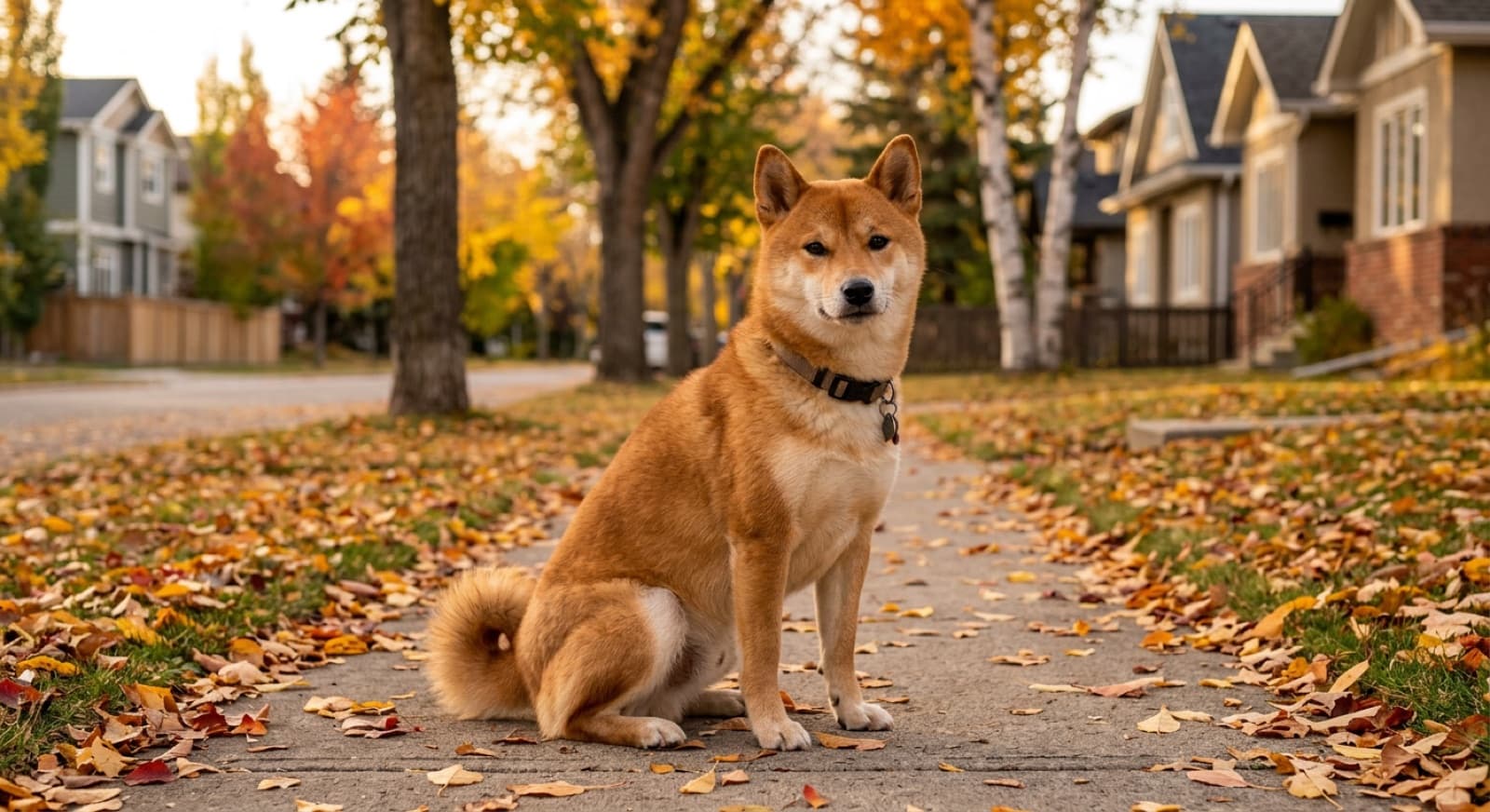
The Shiba Inu health picture, briefly
Shibas are a small to medium primitive spitz breed (17 to 23 pounds typical adult weight) with one of the longest median lifespans of any dog of comparable size: 14 to 16 years is the published reference range, and individuals reaching 17 or 18 are not unusual. The breed health profile is fundamentally good. There is no dominant breed-defining killer like Bernese hemangiosarcoma, Rottweiler osteosarcoma, or Boxer cardiac disease. There is no autoimmune trio like the Akita picture. Most Shibas live long, generally healthy lives with periodic vet visits for specific conditions rather than a stack of overlapping chronic illnesses.
Four conditions shape the breed care picture more than the others. Patellar luxation is the most common orthopaedic concern, driven by the small-frame body. Atopic dermatitis is the high-volume lifetime claim, common enough that most Shiba owners will deal with seasonal or year-round allergy management. Glaucoma is the eye-emergency concern Shibas are overrepresented for in the veterinary ophthalmology literature, and it presents fast enough that owner recognition is the difference between saved and lost vision. GM1 gangliosidosis is a Shiba-specific fatal genetic disease that affected puppies show by 5 to 7 months; the DNA test for breeding stock is the responsible-breeder norm in the breed.
Beyond those four, hypothyroidism is common and frequently missed. Hip dysplasia carries moderate prevalence (lower than the giant breeds but real). Progressive retinal atrophy has a DNA test. Cataracts and chylothorax appear at moderate rates. The cancer load is moderate, weighted toward lymphoma, hemangiosarcoma, and mast cell tumours in older dogs. Anaesthesia protocol matters because Shibas are lean-bodied. Dental disease is a small-jaw lifetime issue. Tail-tip necrosis is occasionally reported in dogs exposed to severe Edmonton cold. Demodicosis and flea-bite hypersensitivity are noted. Lipomas are common in seniors but rarely consequential. The American Animal Hospital Association publishes general pet insurance and senior-care guidance that applies to Canadian providers.
GM1 gangliosidosis (Shiba-specific)
GM1 gangliosidosis is a Shiba-specific autosomal-recessive lysosomal storage disease that is uniformly fatal. The disease was first characterised in Japanese Shiba lines in the early 2000s and has since been documented in North American Shiba populations. The underlying defect is a deficiency in the enzyme beta-galactosidase, which causes a toxic substrate (GM1 ganglioside) to accumulate inside cells, especially in the nervous system. The accumulation gradually destroys neurons, producing progressive neurological deterioration.
Clinical course
Affected puppies appear normal at birth. Neurological signs begin around 5 to 7 months of age and progress relentlessly. Owners notice ataxia (uncoordinated wobbly movement), head tremor, intention tremor (worse when reaching for food or attempting a movement), abnormal gait, vision loss, behaviour changes (lethargy, reduced responsiveness, sometimes increased anxiety), and eventual seizures. Most affected dogs die or are euthanised between 12 and 18 months of age. There is no cure or effective treatment; supportive care addresses comfort and quality of life only.
DNA test and breeding implications
A DNA test for the GM1 gangliosidosis mutation is available at several Canadian and US veterinary genetics labs at $80 to $150 per test. Three genotype categories matter: clear dogs (two normal copies, will never develop the disease and cannot produce affected puppies), carriers (one normal copy and one mutated copy, healthy themselves but can produce affected puppies if bred to another carrier), and affected dogs (two mutated copies, will develop and die from the disease). Responsible Shiba breeders test all breeding stock and never pair two carriers. The breed clubs in Japan and North America have endorsed this practice for nearly two decades; well-bred Shibas from health-tested lines should be functionally free of the disease.
What this means for rescue Shibas
For adult rescue Shibas in Edmonton, GM1 is rarely the relevant concern: affected dogs almost never live long enough to enter adult rescue. The disease shows by 7 months and kills by 18 months, so any Shiba who survives past age 2 is functionally not affected. The DNA test is reasonable to run on rescue Shiba puppies with unknown lineage, especially if the puppy shows any neurological signs in the 5 to 7 month window. For adult Shibas the test mainly confirms clear or carrier status, which only matters if breeding is contemplated (and rescue dogs are never bred). Edmonton rescue intake screens for neurological signs at the basic vet exam, so dogs visibly affected by GM1 would not typically enter the adoption pool.
Patellar luxation
Patellar luxation (medial luxation of the kneecap) is the most common orthopaedic issue in Shibas, driven by the small-frame body conformation and the specific limb angles of the breed. The kneecap (patella) sits in a groove on the front of the thigh bone. When the groove is shallow or the surrounding ligaments are loose, the patella pops out of place toward the inside of the leg. Severity ranges widely.
The four grades
- Grade 1: patella luxates only with manual manipulation by the vet; the dog is asymptomatic. Conservative management is standard.
- Grade 2: patella luxates intermittently during normal activity, producing the classic skipping or three-legged hopping gait that resolves spontaneously when the patella returns to position. Most Grade 2 cases are managed conservatively; symptomatic Grade 2 cases benefit from surgery.
- Grade 3: patella stays luxated most of the time and only reduces with manipulation. Frequent lameness, visible gait disturbance, progressive arthritis. Surgery is typically recommended.
- Grade 4: patella is permanently luxated and cannot be reduced. Significant gait disturbance with visible bowing of the limb. Surgery is recommended; outcomes are guarded depending on severity of bony deformity.
Conservative versus surgical management
Conservative management for Grade 1 and many Grade 2 cases combines lean body weight (overweight Shibas do dramatically worse), joint supplements (glucosamine, chondroitin, omega-3), controlled exercise that avoids high-impact jumping, and prescription anti-inflammatories during flares. Hydrotherapy is excellent for affected dogs but limited in availability in Edmonton.
Surgical correction is recommended for symptomatic Grade 2 cases and most Grade 3 and 4 cases. The standard procedures are trochlear groove deepening (carving a deeper channel for the patella to sit in), tibial tuberosity transposition (moving the attachment point of the patellar tendon to realign the pull), and sometimes soft-tissue reconstruction. Most cases need a combination. Cost runs $3,500 to $6,000 per knee at an Edmonton specialty practice. Bilateral cases are common; staged surgery (one knee, recover, then the other) is usually preferred over both at once. The Orthopedic Foundation for Animals maintains the patellar luxation database used by breeders and orthopaedic specialists.
Hip dysplasia
Hip dysplasia carries moderate prevalence in Shibas, lower than the giant breeds but meaningfully present. The condition involves abnormal hip joint development that progresses to arthritis with age. Signs include a bunny-hopping gait, reluctance to climb stairs or jump up, stiffness after rest (Edmonton winter mornings expose it clearly), weight-shifting away from the affected hip, and visible muscle wasting in the hindquarters in advanced cases. Diagnosis is by hip radiographs graded under the Orthopedic Foundation for Animals (OFA) or PennHIP systems, typically $300 to $600 at an Edmonton clinic. Most Shiba hip dysplasia cases respond well to conservative management with lean body weight, joint supplements, hydrotherapy where available, and prescription anti-inflammatories during flares. Severe cases benefit from femoral head ostectomy ($3,000 to $5,000) or total hip replacement ($6,000 to $9,000 per hip) at a specialty practice. The smaller Shiba body actually makes FHO an excellent option in many cases because the dog can compensate well after the surgery.
Atopic dermatitis and allergies
Atopic dermatitis (environmental allergies) is very common in Shibas and is the highest-volume lifetime claim for most Shiba owners. The immune system overreacts to common environmental allergens (tree and grass pollens, dust mites, household moulds), producing chronic skin inflammation, itch, and recurrent infections. The dense Shiba double coat hides early skin disease, so by the time owners notice the licking and chewing, the underlying inflammation is often already established.
What atopic dermatitis looks like
Recurrent ear infections (often the first sign), paw licking and chewing especially in the evening, face rubbing on carpet or furniture, recurrent skin infections in the chest, belly, and groin folds, chronic mild itch that ramps up seasonally, and progressive coat dullness or thinning in chronically affected areas. Edmonton seasons drive the pattern: tree pollens in April and May, grass pollens through summer, weed pollens in late summer, and indoor allergens (dust mites, household moulds) during the long winter when forced-air heating dries indoor air into the teens and twenties percent humidity.
Management options
- Topical management: medicated shampoos, ear cleaners, antiseptic wipes for affected skin folds. The bath protocol is the labour-intensive piece for owners but works.
- Oclacitinib (Apoquel): oral daily medication that blocks the itch signal pathway. Fast onset, generally well tolerated, $50 to $120 per month for a 20-pound Shiba.
- Lokivetmab (Cytopoint): monoclonal antibody injection given monthly to every six weeks at the vet clinic. Excellent for many Shibas, $80 to $150 per injection.
- Dietary trial: a strict eight to twelve week novel-protein or hydrolysed-protein diet trial to rule out food allergy as a contributor.
- Allergy testing and immunotherapy: serum or intradermal allergy testing through a veterinary dermatologist, followed by tailored allergen-specific immunotherapy injections or sublingual drops. The longest-lasting answer for severely affected dogs, $1,500 to $3,000 to start plus ongoing.
Lifelong management is the norm. Plan for $400 to $2,000 per year on allergy management once a Shiba becomes symptomatic. Flea-bite allergy compounds the picture for many Shibas; aggressive year-round flea prevention is non-negotiable in any allergic Shiba. The American College of Veterinary Dermatology credentials the specialists who handle complex allergy workups.
Browse adoptable Edmonton dogs
Current Edmonton-area listings. Shibas and Shiba crosses appear periodically at SCARS, EHS, AARCS Edmonton fosters, Zoe's, and Northern Alberta rescues. Foster notes flag any documented allergy, eye, or orthopaedic history. Plan a first-month vet workup with eye baseline, skin and ear exam, patellar grade assessment, and an anaesthesia-protocol conversation.
See Available Dogs →Glaucoma (Shiba-overrepresented eye emergency)
Glaucoma in Shibas is the single most time-sensitive emergency in the breed care picture. Permanent blindness can occur in 24 to 48 hours without treatment. The Shiba is overrepresented in the veterinary ophthalmology literature for primary closed-angle glaucoma, where the drainage angle of the eye is anatomically narrow and intraocular pressure spikes suddenly.
The signs to recognise immediately
- A red painful eye that the dog squints or holds shut
- Cloudiness or a foggy blue-grey appearance of the cornea
- Visible enlargement of the affected eye compared to the other eye
- Reduced vision in the affected eye (bumping into things on that side)
- Behaviour change consistent with pain (withdrawal, reduced appetite, head pressing in severe cases)
- A fixed dilated pupil that does not constrict in bright light
If you see any combination in a Shiba, call a 24-hour Edmonton emergency clinic and ask whether they have ophthalmology coverage or whether you should drive directly to a specialty ophthalmology practice. Intraocular pressure measurement at presentation confirms the diagnosis; pressures above 25 mmHg are elevated and pressures above 40 are an immediate threat to vision.
Treatment
Medical management with topical and oral pressure-lowering drugs (dorzolamide, timolol, latanoprost, oral methazolamide) is the first response and buys time. Surgical management is the definitive treatment: laser cyclophotocoagulation (laser treatment of the eye structures that produce fluid), gonioimplant (a drainage device implanted in the eye to relieve pressure), or enucleation (removal of the eye when vision is already lost and the eye remains painful). Cost runs $1,500 to $4,000 for initial workup and medical management, $3,000 to $6,000 per eye for surgical procedures, and $1,800 to $3,500 per eye for enucleation.
The contralateral eye almost always follows
One of the most important practical points for Shiba owners: once glaucoma develops in one eye, the other eye almost always develops glaucoma within 12 to 24 months. Prophylactic medical management of the unaffected eye (typically a topical drop given daily) is standard of care and significantly delays or prevents the second-eye event. This is not optional. The ophthalmologist managing the first eye should put the second eye on prophylactic treatment at the first visit. The American College of Veterinary Ophthalmologists credentials the specialists who handle these cases.
Cataracts and progressive retinal atrophy
Beyond glaucoma, Shibas carry moderate rates of cataracts and progressive retinal atrophy. Both contribute to the case for an annual ophthalmology baseline in adult Shibas.
Progressive retinal atrophy (PRA)
PRA is a progressive degeneration of the retina causing eventual blindness. There is no treatment. A DNA test is available for the form of PRA documented in Shibas and can be run at adoption or any time after to predict whether the dog will develop the condition. Most affected dogs adapt remarkably well to gradual vision loss when the home environment stays consistent and predictable. Annual ophthalmology evaluation for adult Shibas catches early signs and confirms the diagnosis on exam.
Cataracts
Cataracts (lens opacity progressively reducing vision) appear in Shibas at moderate rates and can be juvenile or senior in onset. Diagnosis is by ophthalmology exam. Treatment is phacoemulsification surgery at a veterinary ophthalmologist when vision restoration is the goal, running $3,500 to $5,500 per eye. Many older Shibas with bilateral cataracts adapt well to gradual vision loss when the home environment is stable, especially if the dog has been familiar with the layout for years. Routine senior bloodwork at the same visit screens for diabetes mellitus, which can drive cataract formation.
Hypothyroidism
Hypothyroidism is common in Shibas and frequently misread as behaviour problems or normal ageing. The thyroid gland under-produces thyroid hormone, slowing metabolism. Symptoms cluster around metabolism, skin, and behaviour: weight gain despite stable diet, lethargy, reduced exercise tolerance, dull or thinning coat with sometimes symmetrical hair loss on the flanks, recurrent skin or ear infections (compounding any atopic dermatitis the dog already has), cold intolerance (notable even in a cold-tolerant breed and a useful signal), and behaviour changes including increased anxiety, reduced sociability, or worsening reactivity in middle age.
The behaviour piece is the most under-recognised. A Shiba with worsening reactivity, new fearfulness, or unexplained anxiety at age four to seven deserves a full thyroid panel before any training adjustments. Many dogs return to baseline temperament within four to eight weeks of starting medication. Skipping the thyroid panel and assuming behaviour-only is a common mistake.
Diagnosis is by full thyroid panel including free T4 by equilibrium dialysis and TSH, not just baseline total T4 which has limited diagnostic value (total T4 can be suppressed by unrelated illness and is too easy to misread). Treatment is daily levothyroxine at $25 to $50 per month plus periodic rechecks. Most hypothyroid Shibas recover normal energy, coat, and temperament. The American College of Veterinary Internal Medicine credentials the specialists who handle complex endocrine cases.
Chylothorax
Chylothorax is a Shiba-noted thoracic disease where chyle (lymphatic fluid rich in fat) accumulates in the chest cavity, compressing the lungs and causing progressive breathing difficulty. Several breeds are overrepresented (Afghan Hounds, Borzoi, Shiba Inus among them). Presentation in a Shiba is progressive lethargy, exercise intolerance, increased respiratory effort, and eventually open-mouth breathing or visible distress. Diagnosis is by chest radiograph showing fluid in the pleural space, plus thoracocentesis (drainage and analysis of the fluid) to confirm the chyle character. Treatment is a combination of dietary management (low-fat diet to reduce chyle production), medical therapy (rutin and other supplements), and in many cases surgical intervention (thoracic duct ligation, pericardectomy) at a specialty practice. The condition is uncommon enough that most Shiba owners will not encounter it, but it sits in the breed care picture and Edmonton vets familiar with the breed will consider it when respiratory signs appear without an obvious cause.
Cancer load
Shibas carry a moderate cancer load, lower than the most cancer-stacked breeds (Bernese, Boxers, Golden Retrievers, Rottweilers) and consistent with the long average lifespan. Cancer becomes the leading end-of-life concern in many Shibas past age 12. The notable cancers in the breed:
- Lymphoma: presents as peripheral lymph node enlargement, sometimes with weight loss or lethargy. Diagnosis by fine needle aspirate. CHOP chemotherapy at an Edmonton specialty oncology practice runs $5,000 to $12,000 with median survival around 10 to 14 months for B-cell disease.
- Hemangiosarcoma: aggressive cancer of blood vessel cells, often arising in the spleen, heart, or skin. Splenic and cardiac hemangiosarcoma may present as acute collapse from internal bleeding. Diagnosis by imaging plus biopsy. Treatment is splenectomy plus chemotherapy where feasible, with median survival often 4 to 7 months even with treatment.
- Mast cell tumours: present as skin lesions of variable appearance. Diagnosis by fine needle aspirate. Treatment depends on grade and stage. The Shiba double coat hides skin lesions easily, so monthly home skin checks matter.
Practical owner takeaway for a senior Shiba: build the monthly home skin and lymph node check habit, schedule annual senior bloodwork starting at age eight, and book aspirate cytology on every new lump rather than wait-and-see. The Shiba coat hides small lesions well and the small body makes any palpable mass meaningful.
Anaesthesia profile (lean body composition)
Shibas have a mildly sighthound-like anaesthesia profile driven by lean body composition. Shiba body fat percentage is low compared to average dogs, and injectable anaesthetic agents that partition partly into fat are functionally over-dosed if total body weight is used for dose calculation. Lean body weight dosing matters. The concerns are milder than for true sighthounds (Greyhounds, Whippets) but real enough to deserve a conversation with the vet before any anaesthetic event.
The specific considerations in breed-experienced practice:
- Dose by lean body weight rather than total weight for lipid-soluble agents (thiobarbiturates, propofol bolus dosing).
- Careful pre-anaesthetic sedative choice (some vets avoid acepromazine in Shibas).
- Thoughtful opioid selection.
- Active warming during longer procedures despite the heavy coat (the underlying tissue cools quickly under anaesthesia).
- Slightly longer post-op monitoring than is standard for a 20-pound dog.
- Pre-op bloodwork including a thyroid panel, because untreated hypothyroidism amplifies anaesthetic depression.
For any anaesthetic event (spay, neuter, dental cleaning, mass removal, eye surgery, orthopaedic surgery), ask the vet whether their protocol accounts for the lean-body Shiba profile. Most experienced Edmonton small-animal practices handle this routinely; rural practices may not. The dental cleaning is a useful first opportunity to establish the breed-appropriate protocol because most adult Shibas need at least one dental over their lifetime.
Dental disease (small jaw, lifetime issue)
Shibas have small jaws that crowd 42 adult teeth into a relatively narrow arcade. The crowding produces lifelong dental disease risk: tartar accumulation, gum inflammation, periodontal disease, and eventually tooth loss if neglected. The breed average is one professional dental cleaning every 18 to 24 months for most adult Shibas, with some individuals needing annual cleanings. Each cleaning is an anaesthesia event (covered above) and costs $600 to $1,200 at an Edmonton clinic, more if extractions are needed. Home dental care (daily tooth brushing with dog-specific toothpaste, dental chews, water additives, dental diets) extends the interval between professional cleanings. The combination of a small jaw and a long Shiba lifespan means cumulative dental costs over a 15-year ownership are meaningful: budget $5,000 to $10,000 total across the dog lifetime for dental work alone. Untreated periodontal disease in older Shibas drives heart, kidney, and quality-of-life consequences, so this is not an optional cost. The American Animal Hospital Association publishes dental care guidelines that frame the schedule.
Tail-tip necrosis in Edmonton winters
Tail-tip necrosis (frostbite damage to the tip of the curled Shiba tail) is uncommon but reported in dogs exposed to severe Edmonton cold for extended outdoor periods. The Shiba double coat protects the body trunk well even at -25 to -30 degrees Celsius, but the tail tip, ear edges, and footpads are the most vulnerable peripheral tissues. The classic Shiba double-curl tail sits exposed in a way that the rest of the dog is not.
Signs of cold injury to the tail are a discoloured tail tip (pale, grey, or blue-black), sometimes with later sloughing of the affected skin and tissue weeks after the cold exposure. The discolouration may not appear immediately; some cases present as a gradually darkening tail tip over days. Owners often notice the dog licking or chewing the tail more than usual once sensation returns.
Prevention is the standard cold-weather Shiba routine for Edmonton owners:
- Limit outdoor time below -20 degrees Celsius to brief functional walks rather than extended yard time
- Never leave a Shiba outside unattended in deep cold, even if the dog appears comfortable initially
- Watch for cold-seeking behaviour (a Shiba who wants to come inside, comes inside)
- Dry the dog thoroughly after snow exposure (wet fur loses insulation value fast)
- Check the tail tip, ear edges, and footpads during the after-walk routine in deep cold weeks
- Consider a coat or sweater for sensitive individuals on the coldest days, especially shorter-coated or older dogs
Treatment of established tail-tip necrosis depends on severity and ranges from conservative management with bandaging and oral antibiotics through surgical amputation of the affected tail tip at $800 to $2,000 at an Edmonton clinic. The Shiba curl is a defining feature of the breed appearance, so most owners and vets try to preserve the tail when feasible.
Demodicosis, flea-bite allergy, and senior lipomas
Demodicosis
Demodicosis (mange caused by demodex mites) appears at moderate rates in Shibas, particularly in young dogs and dogs with immune compromise. Presentation is patchy hair loss with or without secondary infection, often on the face, paws, and limbs. Diagnosis is by skin scraping or hair pluck. Treatment is with oral isoxazoline drugs (the same class used for flea and tick prevention) which clear most cases in 8 to 16 weeks at modest cost. Localised demodicosis in young dogs often resolves spontaneously but warrants veterinary evaluation to rule out generalised disease.
Flea-bite allergy
Flea-bite hypersensitivity is common in Shibas and compounds atopic dermatitis when both are present. A single flea bite in an allergic Shiba triggers an inflammatory response far out of proportion to the bite itself, with itching that can last weeks. Aggressive year-round flea prevention is non-negotiable in any allergic Shiba, including through the Edmonton winter months when most owners assume flea risk is zero (indoor central heating preserves flea life cycles year-round in some Edmonton homes).
Lipomas in seniors
Lipomas (benign fatty tumours under the skin) are common in senior Shibas past age 10. Most are soft, mobile, slow-growing, and not painful. Diagnosis is by fine needle aspirate at the vet visit (an inexpensive in-clinic procedure that distinguishes lipoma from more concerning masses). Most lipomas need no treatment. Surgical removal is reserved for lipomas that grow large enough to interfere with movement or comfort. The practical rule is to aspirate every new lump rather than assume lipoma without confirmation; some malignant skin tumours mimic lipoma on physical exam.
Edmonton specialty veterinary access reality
Edmonton has solid general-practice veterinary coverage for Shibas. For routine care (annual physical, vaccinations, dental, bloodwork, weight management), any reputable Edmonton clinic is a fine starting point. For Shiba-specific work the picture matters more, especially for ophthalmology (glaucoma is the time-sensitive specialty referral) and dermatology (atopic dermatitis is the high-volume lifetime claim).
Edmonton ophthalmology
Edmonton has board-certified veterinary ophthalmologists for glaucoma workup and surgical management, cataract surgery, PRA confirmation, and the annual eye baseline that adult Shibas benefit from. Glaucoma is the specialty referral that matters most because the time window between presentation and permanent blindness can be hours. Identify your primary care vet's preferred ophthalmologist in the first month of ownership, and pre-save the contact info for at least one 24-hour Edmonton emergency clinic that can stabilise an eye pressure spike before the daytime referral.
Edmonton dermatology
Dermatology specialty access in Edmonton handles complex atopic dermatitis workups, allergy testing and immunotherapy, recurrent skin and ear infection investigation, and demodicosis treatment refractory to standard therapy. Most Shibas will use general-practice vet care for routine allergy management with Apoquel or Cytopoint; the dermatology referral matters for the cases where standard therapy is not enough or the diagnosis is unclear.
Internal medicine, orthopaedics, oncology
Internal medicine specialty access handles complex endocrine cases (hypothyroidism that does not respond to standard treatment, occasional Cushing workup), chylothorax investigation, and senior medical workups. Board-certified veterinary surgeons handle patellar luxation correction, hip and elbow procedures, and oncologic surgery. Oncology specialty practices handle the moderate cancer load that emerges in senior Shibas.
WCVM Saskatoon and Calgary specialty centres
The Western College of Veterinary Medicine at the University of Saskatchewan is the closest full veterinary teaching hospital, about five and a half hours each way from Edmonton. WCVM handles complex referrals beyond local capacity: difficult ophthalmology revisions, advanced internal medicine, complex oncology, and tertiary surgical procedures. Calgary specialty centres are a closer option for many advanced referrals.
Building your network in month one
The practical move when you adopt a Shiba: establish a primary Edmonton vet in the first month, ask specifically which ophthalmologist and which dermatologist they refer Shibas to, ask about the clinic anaesthesia protocol for lean-bodied breeds, and write the answers down. Pre-save at least one 24-hour Edmonton emergency clinic in your phone with directions. The eye-emergency window for glaucoma is short enough that knowing the pathway before you need it is the difference between saved and lost vision.
Pet insurance for an Edmonton Shiba
Week-one pet insurance enrolment is high-leverage for any rescue Shiba. Every Canadian provider excludes pre-existing conditions, which means the day a vet documents anything (a patch of skin scaling, a single elevated intraocular pressure reading, a documented grade-1 patellar laxity, a low thyroid value, a small mass), that condition becomes a permanent exclusion on any policy enrolled afterward. The clock starts the day you adopt.
The Shiba-specific value math is strong though not as dramatic as the most claim-heavy breeds. The high-leverage claims:
- Glaucoma initial workup and medical management: $1,500 to $4,000 plus lifelong medication
- Glaucoma surgical management: $3,000 to $6,000 per eye
- Enucleation for end-stage painful blind eye: $1,800 to $3,500 per eye
- Patellar luxation surgery: $3,500 to $6,000 per knee (frequently bilateral)
- Hip surgery (FHO or THR): $3,000 to $9,000 per hip
- Atopic dermatitis lifelong allergy management: $400 to $2,000 per year ongoing
- Allergy testing and immunotherapy: $1,500 to $3,000 to start plus ongoing
- Cataract surgery: $3,500 to $5,500 per eye
- Hypothyroidism lifelong management: $25 to $50 per month ongoing
- Lymphoma CHOP chemotherapy: $5,000 to $12,000
- Cumulative lifetime dental work: $5,000 to $10,000
A Shiba with bilateral glaucoma plus chronic allergies plus a single patellar luxation surgery can easily generate $15,000 to $25,000 in out-of-pocket costs across a few years. Add hypothyroidism, dental work, and a senior cancer diagnosis on top and lifetime out-of-pocket costs reach $25,000 to $40,000. Monthly premiums for a young healthy Shiba in Edmonton typically run $55 to $95 depending on deductible and reimbursement percentage.
What to look for in a Shiba policy:
- Hereditary and congenital conditions explicitly covered
- Explicit coverage of orthopaedic conditions including patellar luxation
- Annual coverage caps of $10,000 or more, ideally with no lifetime cap
- Coverage for prescription medications including lifelong allergy and thyroid medication
- Coverage of diagnostic imaging including CT and MRI
- Reasonable wait times for orthopaedic and chronic disease coverage
Compare three to four providers before enrolling. Your Edmonton vet and your foster contact can both share which providers other small-breed adopters have used and what their claim experience has been.
Adoption health workup: what to plan for the first month
Edmonton rescues do a baseline vet workup before adoption, but depth varies by rescue and by dog. For a Shiba, the first-month vet visit should establish baselines that ongoing care and insurance will build on.
What most Edmonton rescues cover
- Physical exam by a vet at intake including cardiac auscultation, lymph node palpation, and skin assessment
- Core vaccinations (DAPP and rabies, sometimes Bordetella if boarded)
- Spay or neuter surgery
- Microchip implant and registration
- Deworming and flea and tick treatment
- Basic adult bloodwork (CBC and chemistry panel) in many cases
- Treatment of any acute concerns identified at intake
What to add in your first-month vet visit
- Full ophthalmology exam (baseline for glaucoma, PRA, cataracts, lens position) with documented intraocular pressure readings in both eyes
- Full dermatology exam (baseline for atopic dermatitis, demodicosis, ear health), including a thorough coat and skin assessment
- Full thyroid panel including free T4 by equilibrium dialysis and TSH
- Patellar grade assessment in both stifles
- Hip radiographs if there is any orthopaedic concern (OFA or PennHIP grading)
- Body condition score documentation
- Anaesthesia protocol planning conversation for the eventual dental cleaning
- Optional DNA panel including GM1 gangliosidosis and PRA status (useful if the rescue did not test and lineage is unknown)
- Year-round flea prevention initiation if not already in place
For senior Shibas (ten years and up), add full senior bloodwork including urinalysis, careful cardiac auscultation, thorough lump check with aspirate cytology on any suspicious lesion, and an early conversation about quality-of-life monitoring as the dog moves into the 12 to 16 year window. Budget $600 to $1,200 for the first-month workup at an Edmonton clinic for an adult Shiba; $1,000 to $1,800 for a senior. The Canadian Kennel Club publishes breed-standard reference material that helps orient the conversation.
The Shiba lifespan and senior care after age ten
Shiba median lifespan sits at 14 to 16 years in most published references, with healthy individuals reaching 17 or 18. The arc is meaningfully longer than most medium and large breeds and dramatically longer than the cancer-stacked giant breeds. The trade-off is that the senior years are often longer and more involved than for shorter-lived breeds: a Shiba who lives to 16 spends six years (age 10 to 16) in the senior category, accumulating dental work, joint care, ophthalmology rechecks, allergy management, and eventually the cancer or organ-failure event that ends the story.
Reasonable senior-care adjustments for a Shiba after age ten, all guided by your Edmonton vet:
- Biannual vet exams instead of annual
- Full annual senior bloodwork including thyroid panel and urinalysis
- Annual ophthalmology check (cataracts and PRA progress through these years; glaucoma can present at any age)
- Annual dermatology recheck for dogs already managing atopic dermatitis
- Annual cardiac auscultation with low threshold to refer for echocardiogram
- Routine dental care including professional cleanings every 18 to 24 months (each dental is an anaesthesia event; protocol matters)
- Joint support (glucosamine, chondroitin, omega-3) and prescription anti-inflammatories during arthritis flares
- Tight weight monitoring (overweight Shibas do worse on every front; the small frame magnifies the impact of every extra pound)
- Aggressive lump monitoring with aspirate cytology on every new lesion rather than wait-and-see
- Mobility aids: orthopaedic bed, traction rugs on hardwood, ramps for stairs and vehicles where the dog uses them
- Home environment consistency for dogs with progressive vision loss
Pet insurance becomes harder and more expensive to obtain for first-time enrolment past age ten in this breed. If you adopt a senior Shiba, price-compare carefully and consider whether a dedicated savings account makes more sense than insurance. Talk through the math with your vet at the first visit, and have honest quality-of-life conversations early. Many senior Shibas live calm, dignified, devoted final years when their stack of conditions is managed thoughtfully. The 14 to 16 year window is a meaningful adoption commitment, and the breed rewards it.
Frequently asked questions
Where can I find a vet for a Shiba Inu near me in Edmonton?
Start with a general-practice Edmonton vet who refers to a board-certified veterinary ophthalmologist and a veterinary dermatologist, because the two Shiba specialty pathways you are most likely to use are eye work (glaucoma is an emergency presentation in this breed) and skin work (atopic dermatitis is the high-volume lifetime claim). Ask explicitly which ophthalmologist and which dermatologist they refer Shibas to, and write the answers down. Edmonton has adequate ophthalmology and dermatology specialty capacity for routine work; complex glaucoma cases sometimes route to Calgary specialty centres or to the Western College of Veterinary Medicine in Saskatoon. The anaesthesia conversation matters too because Shibas have a lean-body anaesthesia profile that benefits from a tailored protocol. The American College of Veterinary Ophthalmologists, the American College of Veterinary Dermatology, and the American College of Veterinary Internal Medicine credential the specialties an Edmonton Shiba owner uses most.
What are the main Shiba Inu health issues to know before adopting?
Shibas are a generally healthy breed with one of the longest medium-dog lifespans (14 to 16 years), but a handful of conditions matter. In rough order of practical importance: atopic dermatitis and allergies (very common, lifelong management); patellar luxation (the most common orthopaedic issue in the breed); glaucoma (Shiba-overrepresented, emergency presentation that can blind an eye in 24 to 48 hours untreated); GM1 gangliosidosis (Shiba-specific fatal lysosomal storage disease, DNA test available); hypothyroidism (common and often misread as behaviour or normal ageing); hip dysplasia (moderate); progressive retinal atrophy (DNA test available); cataracts; chylothorax (Shiba-noted thoracic disease); anaesthesia sensitivity (lean body composition); cancer at moderate rates; dental disease (small jaw); demodicosis; and tail-tip necrosis from -30 degree winter exposure. Week-one pet insurance enrolment is high-leverage because allergy plus glaucoma claims alone can drive the lifetime out-of-pocket bill into five figures.
What is GM1 gangliosidosis in Shiba Inus?
GM1 gangliosidosis is a Shiba-specific autosomal-recessive lysosomal storage disease that is uniformly fatal. The disease was first characterised in Japanese Shiba lines in the early 2000s and has since been documented in North American Shibas as well. Affected puppies appear normal at birth and begin showing neurological signs around 5 to 7 months: progressive ataxia (uncoordinated movement), head tremor, abnormal gait, vision loss, behaviour changes, and eventual seizures. There is no cure or effective treatment; affected puppies typically die or are euthanised by 12 to 18 months. A DNA test is available and inexpensive (about $80 to $150 through several Canadian and US labs). Responsible Shiba breeders test all breeding stock and never pair two carriers. For rescue Shibas, the disease is uncommon enough that most adult dogs in Edmonton rescue will not be affected (an affected dog rarely lives long enough to enter adult rescue), but the DNA test is reasonable to run on any rescue puppy with unknown lineage. Carriers are healthy and only matter for breeding decisions.
How serious is patellar luxation in Shibas?
Patellar luxation (medial luxation of the kneecap) is the most common orthopaedic issue in Shibas, driven by the small-frame body conformation and the lower limb angles typical of Japanese spitz breeds. Severity is graded 1 through 4: Grade 1 luxates only with manipulation and the dog is asymptomatic; Grade 2 luxates intermittently with skipping or three-legged hopping then returns to normal; Grade 3 stays luxated most of the time with frequent lameness; Grade 4 is permanently luxated with significant gait disturbance. Diagnosis is by physical exam plus radiograph. Most Grade 1 and many Grade 2 cases are managed conservatively with lean body weight, joint supplements, controlled exercise, and prescription anti-inflammatories during flares. Grades 3 and 4, or symptomatic Grade 2 cases, benefit from surgical correction (trochlear groove deepening, tibial tuberosity transposition, or both) at $3,500 to $6,000 per knee at an Edmonton specialty practice. Bilateral cases are common in the breed. The American College of Veterinary Surgeons governs the orthopaedic surgical board.
How serious is glaucoma in Shibas, and what should I watch for?
Glaucoma in Shibas is an emergency presentation that can cause permanent blindness in 24 to 48 hours without treatment. The Shiba is overrepresented in the veterinary ophthalmology literature for primary closed-angle glaucoma, where the drainage angle of the eye is anatomically narrow and intraocular pressure spikes suddenly. Signs to recognise immediately: a red painful eye that the dog squints or holds shut, cloudiness of the cornea (the eye looks foggy or blue-grey), visible enlargement of the eye (the affected eye looks bigger than the other), reduced vision or bumping into things, and behaviour change consistent with pain (withdrawal, reduced appetite, head pressing in severe cases). If you see any combination, call a 24-hour Edmonton emergency clinic and ask whether they have ophthalmology coverage or whether you should drive directly to a specialty ophthalmology practice. Intraocular pressure measurement at presentation confirms the diagnosis. Medical management (topical and oral pressure-lowering drugs) buys time. Surgical management (laser cyclophotocoagulation, gonioimplant, or enucleation for end-stage painful blind eyes) is the definitive treatment. Cost runs $1,500 to $4,000 for initial workup and medical management, $3,000 to $6,000 per eye for surgical procedures, and $1,800 to $3,500 per eye for enucleation when vision is lost. The contralateral eye almost always develops glaucoma within 12 to 24 months of the first eye, so prophylactic medical management of the second eye is standard. The American College of Veterinary Ophthalmologists credentials the specialists who manage these cases.
How common are allergies in Shibas?
Atopic dermatitis (environmental allergies) is very common in Shibas and is the high-volume lifetime claim for most Shiba owners. Presentation is recurrent ear infections, paw licking and chewing, face rubbing, recurrent skin infections, and chronic itch. The dense double coat hides early skin disease, so by the time owners notice the licking, the underlying inflammation is often well established. Edmonton seasons drive the pattern: tree pollens in April and May, grass pollens through summer, and indoor allergens (dust mites, household moulds) during the long winter when forced-air heating dries everything out. Workup ranges from symptomatic management (medicated shampoos, oclacitinib, lokivetmab injections, dietary trials) up to formal allergy testing and immunotherapy at a veterinary dermatologist. Lifelong management is the norm. Plan for $400 to $2,000 per year on allergy management once a Shiba becomes symptomatic. Flea-bite allergy compounds the picture for many Shibas; aggressive year-round flea prevention is non-negotiable.
How do I recognise hypothyroidism in a Shiba?
Hypothyroidism is common in Shibas and frequently misread as behaviour problems or normal ageing. The thyroid gland under-produces thyroid hormone, slowing metabolism. Symptoms cluster around metabolism and skin: weight gain despite stable diet, lethargy, reduced exercise tolerance, dull or thinning coat with sometimes symmetrical hair loss on the flanks, recurrent skin or ear infections, cold intolerance (notable even in a cold-tolerant breed), and behaviour changes including increased anxiety, reduced sociability, or worsening reactivity in middle age. The behaviour piece is the most under-recognised. A Shiba with worsening reactivity or new anxiety at age four to seven deserves a full thyroid panel before training adjustments. Diagnosis is by full thyroid panel including free T4 by equilibrium dialysis and TSH, not just baseline total T4 which has limited diagnostic value. Treatment is daily levothyroxine at $25 to $50 per month plus periodic rechecks. Most hypothyroid Shibas recover normal energy, coat, and temperament within four to eight weeks of starting medication.
Do Shibas have unique anaesthesia considerations?
Yes, though milder than the sighthound profile. Shibas are lean-bodied with low body fat percentage, which means injectable anaesthetic agents that partition partly into fat are functionally over-dosed if total body weight is used for dose calculation. Lean body weight dosing matters. The practical implications are dosing adjustment for lipid-soluble agents (thiobarbiturates, propofol bolus), careful pre-anaesthetic sedative choice (some vets avoid acepromazine in Shibas), thoughtful opioid selection, active warming during longer procedures despite the heavy coat, and slightly longer post-op monitoring. For any anaesthetic event (spay, neuter, dental cleaning, mass removal, eye surgery, orthopaedic surgery), ask the vet whether their protocol accounts for the lean-body Shiba profile. Most experienced small-animal practices in Edmonton handle this routinely; rural practices may not. This is not a reason to avoid necessary surgery; it is a reason to have the conversation in advance.
Is tail-tip necrosis a real concern in Edmonton winters?
Yes, though it is uncommon. Tail-tip necrosis (frostbite damage to the tip of the curled Shiba tail) is occasionally reported in dogs exposed to severe Edmonton cold (-25 to -35 degrees Celsius) for extended outdoor periods. The Shiba double coat protects the body well, but the tail tip and ear edges are the most vulnerable peripheral tissues. Signs are a discoloured (pale, grey, or blue-black) tail tip, sometimes with later sloughing of the affected skin. Prevention is the standard cold-weather Shiba routine: limit outdoor time below -20 degrees, never leave a Shiba outside unattended in deep cold, watch for cold-seeking behaviour (a Shiba who wants to come inside, comes inside), and dry the dog thoroughly after snow exposure. Treatment of established necrosis depends on severity and ranges from conservative management with bandaging and antibiotics through surgical amputation of the affected tail tip. The Shiba curl is the breed signature, so most owners try to preserve the tail when feasible.
Should I get pet insurance for an Edmonton rescue Shiba?
Yes, and enrol in week one. The Shiba insurance math is strong though not as dramatic as the most claim-heavy breeds (Bulldogs, Bernese, Akitas). The high-leverage claims for a Shiba are glaucoma (a single surgical episode can run $5,000 to $8,000 across both eyes plus lifelong medication), allergy management ($400 to $2,000 annually for life once symptomatic), patellar luxation surgery ($3,500 to $6,000 per knee, frequently bilateral), and hypothyroidism management ($25 to $50 monthly for life). Every Canadian provider excludes pre-existing conditions and the clock starts the day you adopt. A patch of skin scaling, a single elevated intraocular pressure reading, a documented grade-1 patellar laxity, or a low T4 value at any vet visit becomes a permanent exclusion. Monthly premiums for a young healthy Shiba in Edmonton typically run $55 to $95 depending on deductible and reimbursement percentage. Look for explicit hereditary and congenital coverage, explicit coverage of orthopaedic conditions, annual caps of $10,000 or more, coverage of prescription medications including lifelong allergy and thyroid medication, and reasonable wait times for orthopaedic disease coverage. The American Animal Hospital Association publishes general pet insurance evaluation guidance that applies to Canadian providers.
What is the realistic Shiba Inu lifespan?
Shibas have one of the longest medium-dog lifespans in any published reference, sitting at 14 to 16 years median with healthy individuals reaching 17 or 18. The arc is meaningfully longer than most medium breeds and considerably longer than the cancer-stacked giants (Bernese 7 to 9, Rottweiler 8 to 10, Akita 10 to 12). The senior years for a Shiba are often shaped by the cumulative load of allergies, hypothyroidism, dental disease (the small jaw is a lifelong issue), cataracts, and the moderate cancer load that becomes the leading end-of-life concern past age 12. Many Shibas remain physically active into their mid-teens with thoughtful weight management and joint care. The long lifespan is a meaningful adoption decision factor: a young adult Shiba adopted at age 3 is a 12 to 13 year commitment, longer than most large-breed adoptions.
Related Edmonton Shiba Inu guides
Edmonton Adoptable Dogs
Current Edmonton-area listings from SCARS, Zoe's, EHS, GEARS, Hope Lives Here, AHHRB, and AARCS Edmonton fosters. Shibas and Shiba crosses appear periodically.
Shiba Inu Adoption Edmonton
Rescue sources, real adoption costs versus breeder pricing, common Shiba surrender patterns, and the first 30 days for an Edmonton Shiba adopter.
Shiba Inu Temperament and Escape Edmonton
The famous Shiba independence, the cat-like temperament, the Shiba scream, the escape and recall reality, and what Edmonton households work for the breed.
Shiba Inu Coat and Grooming Edmonton
The double coat, the twice-yearly coat blow, why you never shave a Shiba, Edmonton winter and summer coat care, and the daily skin check that catches allergy and demodex early.
Find your Edmonton rescue Shiba Inu
Browse current Edmonton-area listings. Shibas and Shiba crosses appear at SCARS, EHS, AARCS Edmonton fosters, Zoe's, and Northern Alberta rescues periodically. Your first-month vet workup should build the ophthalmology, dermatology, thyroid, and patellar baseline plus the anaesthesia-protocol conversation.
Browse All Edmonton Dogs →New dog? Start with these care guides
Everything a new adopter needs to set up a safe, happy home.