The short answer
Purebred Corgis are in high demand and less common in rescue, but they appear, and Corgi mixes more often. Best options: the Central Alberta Humane Society and Four Feet and a Heartbeat, with Calgary and Edmonton rescues about an hour and a half away. Adoption fee: about $300 to $700 versus $1,500 to $3,500 from a breeder, plus the $37.55 City of Red Deer licence. Corgis are smart, energetic herding dogs, not lap dogs: expect exercise needs, vocalising, heel-nipping, strong wills, and heavy shedding. Watch the weight, since it protects the long back. Both Pembroke and Cardigan appear in rescue. For an active home, a Corgi is a joy; for most, an adult is the easiest pick.
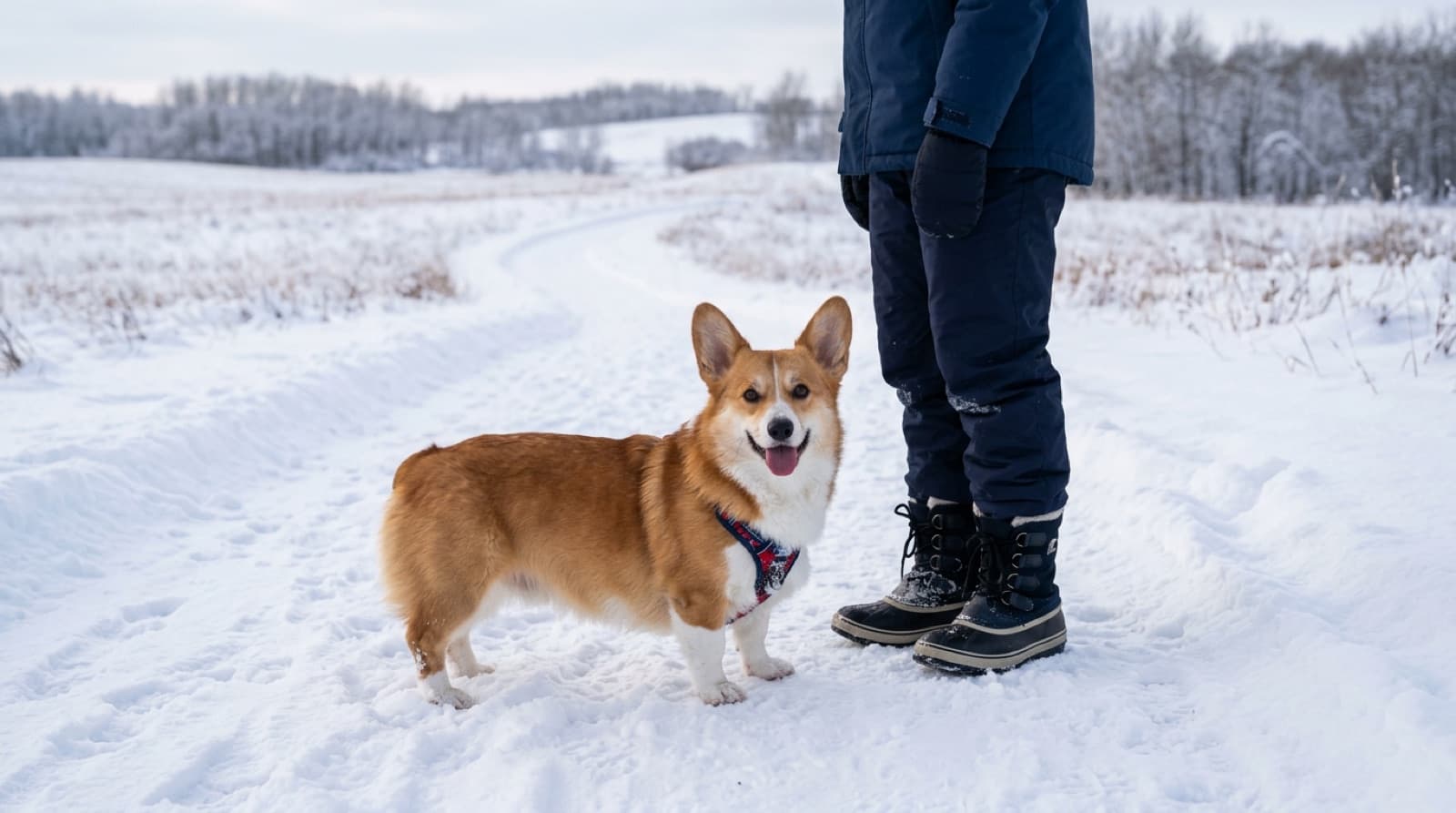
Where can I adopt a Corgi in Red Deer?
Corgis and Corgi mixes appear in Red Deer rescue through the year. Best places to check: the Central Alberta Humane Society (still widely called the Red Deer SPCA) and Four Feet and a Heartbeat, with Calgary and Edmonton rescues about an hour and a half away. Browse all currently available Corgis on LocalPetFinder's Corgi breed page, and because demand is high, set up email alerts to hear the moment one is listed.
For the full Red Deer rescue landscape, see our best dog rescues in Red Deer guide, or browse everything at once on the main Red Deer dog adoption listings.
What it costs, and the health-testing rule
Rescue adoption fees run roughly $300 to $700, including spay or neuter, vaccines, microchip, and a vet workup, versus $1,500 to $3,500 from a breeder for this popular breed. Add the $37.55 City of Red Deer licence and Alberta’s 5 per cent GST. Annual care is moderate, roughly $1,300 to $2,300. The biggest budget lever is weight: keeping a Corgi lean protects its long spine and prevents costly disc problems, so measured feeding is real preventive medicine.
If you buy rather than adopt, choose only breeders who:
- Are CKC-registered (Canadian Kennel Club)
- Health-test both parents, including hips, eyes, and DM (degenerative myelopathy) status
- Allow home visits, take dogs back at any age, and never sell through classifieds
The breed’s popularity attracts casual backyard litters, so verify carefully. See the full budget in our Red Deer adoption costs guide and the medical detail in our Corgi health issues guide.
Browse adoptable Corgis in Red Deer
Live inventory from Central Alberta rescues, including Pembrokes, Cardigans, and Corgi mixes with foster temperament notes. Refreshed regularly, so set an alert.
See Available Corgis →Why Corgis end up in Central Alberta rescue
The image-versus-reality gap. People adopt a Corgi for the looks and get a smart, energetic herding dog that needs real exercise and mental work.
The herding instincts. Nipping at heels, herding children and pets, and barking surprise owners expecting a placid lap dog.
Weight and back problems. Overfeeding a food-motivated breed brings disc trouble and health-cost surrenders.
Most Central Alberta Corgi surrenders are wonderful dogs whose owners underestimated the herding brain in the short body. The training side is covered in our Corgi temperament and training guide.
Frequently Asked Questions
Where can I adopt a Corgi near me in Red Deer?
Purebred Corgis are less common in Red Deer rescue because they are popular and usually kept, but they do appear, and Corgi mixes turn up more often. Start with the Central Alberta Humane Society (still widely called the Red Deer SPCA) and Four Feet and a Heartbeat, and because Red Deer sits between Calgary and Edmonton, both about an hour and a half away, some adopters widen the search to city rescues there. Browse currently available Red Deer Corgis and Corgi mixes on LocalPetFinder’s Corgi breed page, which updates regularly, and set up email alerts, because Corgis are in high demand and a purebred one is usually adopted within days of listing.
Is there a Corgi rescue in Alberta?
There is no large registered Corgi-only rescue based in Central Alberta, but the general rescues place Corgis and Corgi mixes: the Central Alberta Humane Society and Four Feet and a Heartbeat both take them in. National Corgi breed rescues exist and occasionally transport dogs, but placement is not guaranteed, so confirm any transport terms directly before applying. Run the usual legitimacy check on any breed-specific group: a physical address or named foster network, recent adoptable listings, and, where applicable, charitable status in the Canada Revenue Agency listings. Because Corgis are popular and in demand, be especially wary of scam listings; for most Red Deer adopters the general Central Alberta rescues are the reliable path.
How much does it cost to adopt a Corgi in Red Deer?
Red Deer Corgi rescue adoption fees run roughly $300 to $700, well under the $1,500 to $3,500 a breeder charges for this popular breed. The fee covers spay or neuter, vaccinations, microchip, deworming, and a vet workup. Add the $37.55 City of Red Deer dog licence for an altered dog. Corgis are small-to-medium, so ongoing costs are moderate: annual care runs roughly $1,300 to $2,300 a year, and Alberta adds 5 per cent GST to food, supplies, and vet care, with no provincial sales tax on top. The breed-specific budget note is the back and weight: keeping a Corgi lean protects its long spine and prevents costly disc problems, making measured feeding real preventive medicine. Pet insurance runs commonly $35 to $70 a month for a young Corgi.
What is the difference between a Pembroke and a Cardigan Corgi?
They are two distinct breeds that look similar. The Pembroke Welsh Corgi is the more famous one, the royal breed, typically tailless (or docked historically), slightly smaller, with a foxier face, and it is the one most people picture. The Cardigan Welsh Corgi is a bit larger and heavier-boned, always has a full tail, comes in more colours including blue merle and brindle, and has larger, more rounded ears. Temperamentally both are smart, active herding dogs, though Cardigans are often described as slightly more reserved and Pembrokes as more outgoing. In rescue you will see both, plus many mixes. For most adopters the differences are minor next to the shared Corgi traits of intelligence, energy, and a big personality.
Should I look at Corgi puppies for sale in Red Deer instead of adoption?
Adoption is the better path for most Red Deer households, and it is worth noting the Corgi puppy market is expensive and, thanks to the breed’s social-media popularity, attracts backyard breeders. Buying makes sense mainly if you want a purebred from a health-tested line for showing or sport. For a companion, adoption gives you a known adult temperament, a full vet workup, and a $300 to $700 fee instead of $1,500 to $3,500. If you do buy, choose only CKC-registered breeders who health-test both parents, including hips, eyes, and DM (degenerative myelopathy) status, allow home visits, and take dogs back at any age. The breed’s popularity means many casual litters, so verify carefully. A rescue Corgi with a vet workup is often the safer, saner choice.
What are common Corgi mixes in rescue?
Corgi mixes are common and often delightful, inheriting the short legs and big personality in various combinations. A Corgi-Australian Shepherd (Auggie) is smart and high-energy with strong herding drive. A Corgi-Husky (Horgi or Siborgi) is vocal, active, and heavy-shedding. A Corgi-Dachshund (Dorgi) has an even longer back, so the disc considerations matter more. A Corgi-Lab or Corgi-Shepherd tends to be a sturdy, medium family dog. Because Corgi mixes often keep the long back, the spinal-health and weight-management points apply to most of them. As always, read the foster’s temperament notes, since a mix can lean toward either parent in energy, vocal tendency, and herding drive.
Why do Corgis end up in Red Deer and Alberta rescues?
The reasons trace to the gap between the cute image and the working reality. People adopt a Corgi for the looks and get a smart, energetic herding dog that needs real exercise and mental work, and the mismatch drives surrenders. The herding instincts, nipping at heels, herding children and other pets, and the tendency to bark surprise owners who expected a placid lap dog. Weight-related back problems, often from overfeeding a food-motivated breed, bring health-cost surrenders. And the breed’s popularity means some were impulse-bought without preparation. Most Central Alberta Corgi surrenders are wonderful dogs whose owners underestimated the herding brain in the short-legged body. Matched to an active home, a Corgi rarely becomes a problem.
Are Corgis good for first-time dog owners in Red Deer?
They can be, for an active first-time owner with realistic expectations. Corgis are affectionate, sturdy, portable, and endlessly entertaining, and their intelligence makes them trainable, which are real points in their favour. The honest caveats are the herding-breed traits: they are energetic and need daily exercise and mental work, they can be vocal, they may nip at heels or try to herd kids and pets, they are strong-willed, and they shed heavily. For a first-time Red Deer owner willing to exercise the dog, train consistently, and manage the herding behaviours, a Corgi is a fantastic companion. Adopting an adult past the wild puppy stage makes it easier, and shows you the individual dog’s energy and vocal levels up front.
Do Corgis handle Red Deer winters?
Well, for the most part, with two caveats. Corgis have a thick double coat built for outdoor herding work, so they are genuinely cold-hardy and many love the snow, handling a Central Alberta winter better than a short-coated breed. The first caveat is the short legs: in deep snow a Corgi’s belly drags and it tires faster, so a shovelled path helps and deep drifts are hard going. The second is the paws and the shedding: wipe salt off after walks, watch for ice balls in the paw fur, and expect heavy shedding year-round, worse during seasonal coat blows, even in winter. Keep up exercise with indoor games on the coldest days, since a bored, under-exercised Corgi finds trouble.
Related Guides
New dog? Start with these care guides
Everything a new adopter needs to set up a safe, happy home.