The short answer
The defining Dachshund health issue is the back, intervertebral disc disease (IVDD), which the breed is more prone to than almost any other, and which has its own dedicated guide. Beyond the back, watch for dental disease, patellar luxation (a slipping kneecap), eye conditions, and obesity, which worsens everything. Most Dachshunds live 12 to 16 years. The two habits that protect a Doxie most: keep it lean and protect its spine. Given the sudden, costly nature of disc disease, insurance is worth strong consideration, but read the IVDD terms carefully. Red Deer has local 24-hour emergency care, with spinal surgery referred to Calgary or Edmonton.
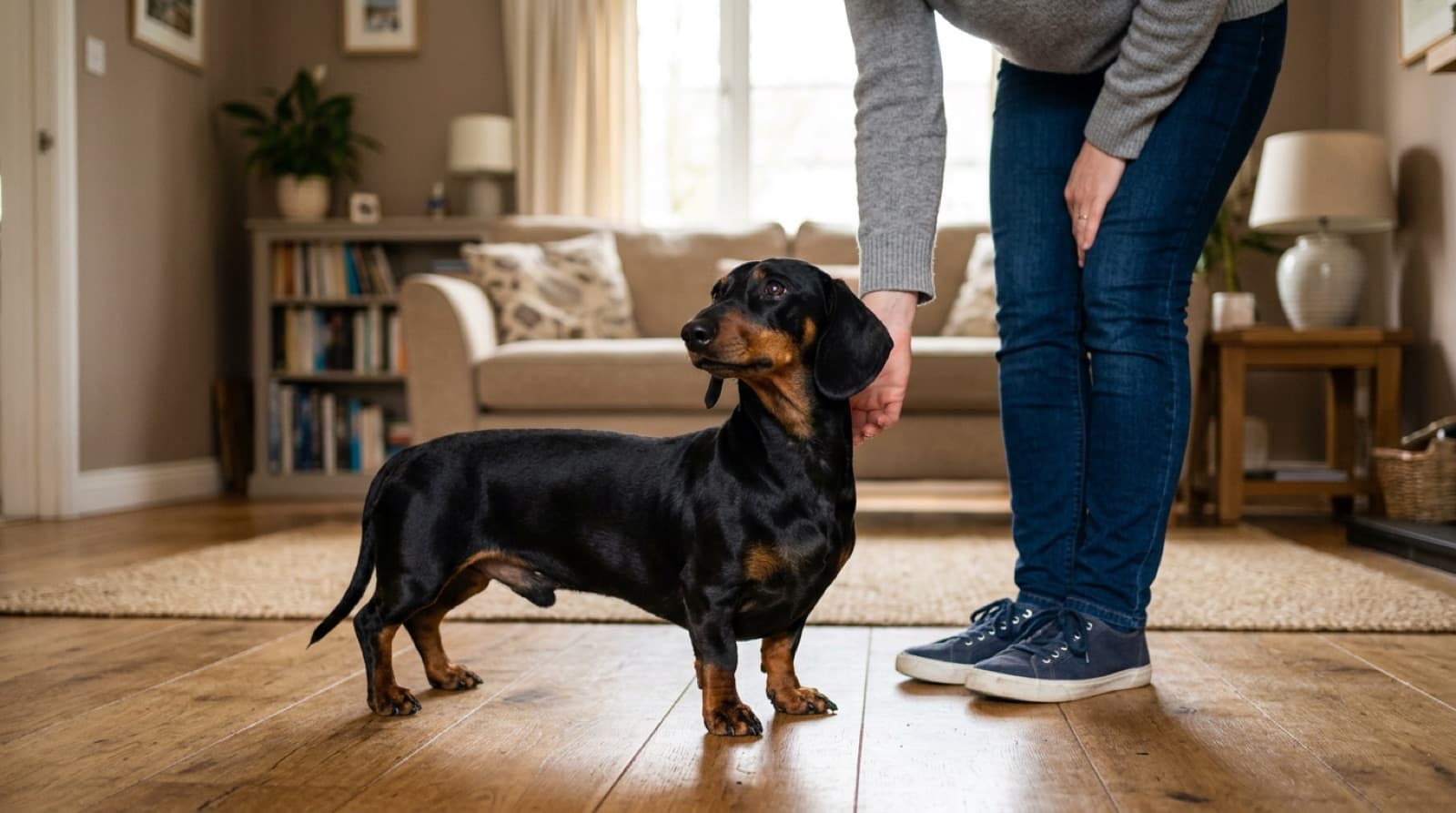
The back: the defining concern
Dachshunds are far more prone to intervertebral disc disease (IVDD) than most breeds, because of the long spine and short legs, and a significant portion of the breed experiences some form of it. It ranges from painful but manageable episodes to severe cases causing paralysis and needing emergency spinal surgery. Crucially, much of the risk is influenced by things owners control, weight, jumping, and handling, so prevention genuinely works. Because this topic is so central to owning the breed, we cover prevention, early signs, and treatment fully in our Dachshund back care and IVDD guide, which every Doxie owner should read.
The Orthopedic Foundation for Animals maintains the databases reputable Dachshund breeders screen against.
Dental, knees, eyes, and weight
Dental disease. Small crowded mouths trap food and build plaque fast, and untreated dental disease is painful and can affect the heart. Brush regularly, use dental chews, and keep up professional cleanings.
Patellar luxation. A slipping kneecap, common in small breeds. Watch for a skip in the gait or a briefly held-up back leg. Mild cases just need a lean weight and monitoring; severe ones may need surgery.
Eyes. Progressive retinal atrophy and cataracts appear in the breed; annual eye checks catch changes early.
Weight. Obesity is the multiplier: it worsens the back, loads the knees, and strains the heart. Measured feeding is the cheapest, most effective health tool the breed has. Epilepsy and Cushing’s disease are seen less commonly and are manageable when diagnosed.
What it costs, and the referral picture
| Condition | Typical Treatment Cost | Notes |
|---|---|---|
| Disc disease (conservative) | $300 to $1,000 | Rest, medication, crate management for milder cases |
| Spinal surgery (severe IVDD) | $4,000 to $8,000+ | Usually referred to Calgary or Edmonton specialists |
| Dental cleaning (+ extractions) | $300 to $1,000+ | Preventable with home care; recurring need if neglected |
| Patellar surgery | $2,000 to $4,000 | Per knee; only severe cases |
| Obesity-driven problems | Varies widely | Largely preventable with measured feeding |
Figures are Canadian dollars and before Alberta’s 5 per cent GST. See the full budget in our Red Deer adoption costs guide.
Meet an adoptable Dachshund in Red Deer
A rescue Dachshund comes with a vet workup already done, including any known back history. Browse who is available.
See Available Dachshunds →Frequently Asked Questions
What health problems are Dachshunds prone to?
Dachshunds are generally long-lived, and their health concerns centre on that famous long back plus a few small-dog issues. The defining problem is intervertebral disc disease (IVDD), the back and disc condition the breed is more prone to than almost any other, covered in depth in our dedicated back-care guide. Beyond the back, Dachshunds are prone to dental disease (common in small breeds), patellar luxation (a slipping kneecap), eye conditions including progressive retinal atrophy, obesity (which worsens the back and everything else), and less commonly epilepsy and Cushing’s disease. Most Dachshunds live 12 to 16 years. The two habits that protect a Doxie’s health most are keeping it lean and protecting its spine, both entirely within an owner’s control.
How serious is the Dachshund back problem?
It is the breed’s single most important health issue, serious enough that it has its own dedicated guide. Dachshunds are far more prone to intervertebral disc disease (IVDD) than most breeds because of their long spine and short legs, and a significant portion of the breed experiences some form of it in their lives. It ranges from painful but manageable episodes treated with rest and medication to severe cases causing paralysis and needing emergency spinal surgery. The good news is that much of the risk is influenced by things owners control: weight, jumping, and how the dog is handled. Because this topic is so central to owning the breed, we cover prevention, early signs, and treatment fully in our Dachshund back care and IVDD guide, which every Doxie owner should read.
Why is dental care important for Dachshunds?
Like many small breeds, Dachshunds are prone to dental disease, crowded teeth, tartar buildup, gum disease, and eventual tooth loss, and it is more than a cosmetic issue. Untreated dental disease is painful, can lead to infection that affects the heart and other organs, and shortens quality of life. Small mouths mean teeth crowd and trap food, so plaque builds fast. Prevention is straightforward but must be consistent: brush the teeth regularly with dog-specific toothpaste, provide appropriate dental chews, and have your vet check the teeth at annual exams and do professional cleanings when needed. Starting a brushing routine early makes it far easier. Good dental care is one of the most underrated things you can do for a small dog’s long-term health and comfort.
What is patellar luxation in a Dachshund?
Patellar luxation is a kneecap that slips out of its normal groove, common in small breeds including Dachshunds. Signs are an intermittent skip or hop in the gait, holding a back leg up briefly mid-stride, or occasional lameness that comes and goes. Mild cases often need no treatment beyond keeping the dog lean and monitoring, while more severe cases can cause pain and arthritis and may need surgical correction. It is usually diagnosed by your vet feeling the knee during an exam. As with most of the breed’s orthopaedic concerns, keeping the dog at a healthy weight reduces the stress on the joints and helps. If you notice a persistent skip or your dog favouring a back leg, have your vet assess the knees.
How much do Dachshund health problems cost to treat in Red Deer?
It varies, and the back is where it gets expensive. Routine care runs a few hundred dollars a year. Disc disease ranges from conservative management with rest and medication for a few hundred dollars to spinal surgery that runs $4,000 to $8,000 or more. Dental cleanings run a few hundred dollars and more if extractions are needed; patellar surgery a few thousand per knee. Alberta charges 5 per cent GST on vet services, with no provincial sales tax. Red Deer has capable everyday vet care and 24-hour emergency clinics locally, so an after-hours back crisis does not mean a long drive, and spinal surgery is usually referred to Calgary or Edmonton, about an hour and a half away. Because back problems can strike suddenly and cost thousands, pet insurance for a young Dachshund, commonly $35 to $70 a month, is worth serious consideration.
Should I get pet insurance for a Dachshund?
For this breed, yes, more than for many, and the reason is the back. Disc disease can strike suddenly and, if surgery is needed, cost thousands, which is exactly the kind of unpredictable, expensive event insurance exists for. Enrol while the dog is young and healthy, because insurers exclude pre-existing conditions, and a Dachshund adopted as an adult may already have a back or knee issue on record. Expect roughly $35 to $70 a month for a young Dachshund. Read carefully how the policy handles IVDD specifically, since some policies limit or exclude it, along with per-condition and annual limits and the reimbursement percentage. Combined with keeping the dog lean and protecting the back, insurance rounds out a sensible plan for the breed’s defining risk.
How long do Dachshunds live, and how do I maximise it?
Dachshunds are long-lived, commonly 12 to 16 years, and the levers that maximise it are weight, back protection, and dental care. Keeping the dog lean is the single biggest factor, protecting the spine, knees, and heart at once, and it directly reduces the disc-disease risk that defines the breed. Protect the back specifically with ramps, no repetitive jumping, and proper lifting. Stay on top of dental care to prevent the painful, organ-affecting disease small breeds are prone to. Keep up annual vet exams and eye checks, and provide daily exercise appropriate to the back. A lean, well-managed Dachshund with a protected spine and clean teeth often stays lively and healthy well into its teens.
Is it safe to adopt an adult or senior Dachshund with unknown history?
Usually yes, and Dachshunds age well, so an adult or senior can have many good years ahead. A reputable rescue does a vet workup before adoption and shares what it knows, including any back history, which is exactly what you want to know for this breed. Book your own wellness exam with a Red Deer vet in the first week or two to set a baseline, including a look at the back, knees, teeth, and weight, since many surrendered Dachshunds arrive overweight and slimming down protects the spine. For a senior, expect to absorb some vet costs directly, as insurers exclude pre-existing conditions. Many adopters find an adult Dachshund’s known temperament and settled energy ideal, and a rescue is honest about any back issues so you can plan the care.
Related Guides
New dog? Start with these care guides
Everything a new adopter needs to set up a safe, happy home.