The short answer
The Malamute's main health concerns are hip and elbow dysplasia, bloat (GDV) (a sudden, life-threatening emergency deep-chested breeds are prone to, learn the signs), eye conditions (cataracts, PRA), hypothyroidism (common, very manageable with medication), and some breed-specific hereditary issues (chondrodysplasia, polyneuropathy, zinc-responsive dermatosis). Lifespan is ~10 to 14 years. The levers you control: keep the dog lean, exercise well while protecting growing joints, groom diligently, and feed to reduce bloat risk. Know the bloat warning signs, unproductive retching and a distended belly mean an emergency vet, immediately. Insure early, before conditions are excluded.
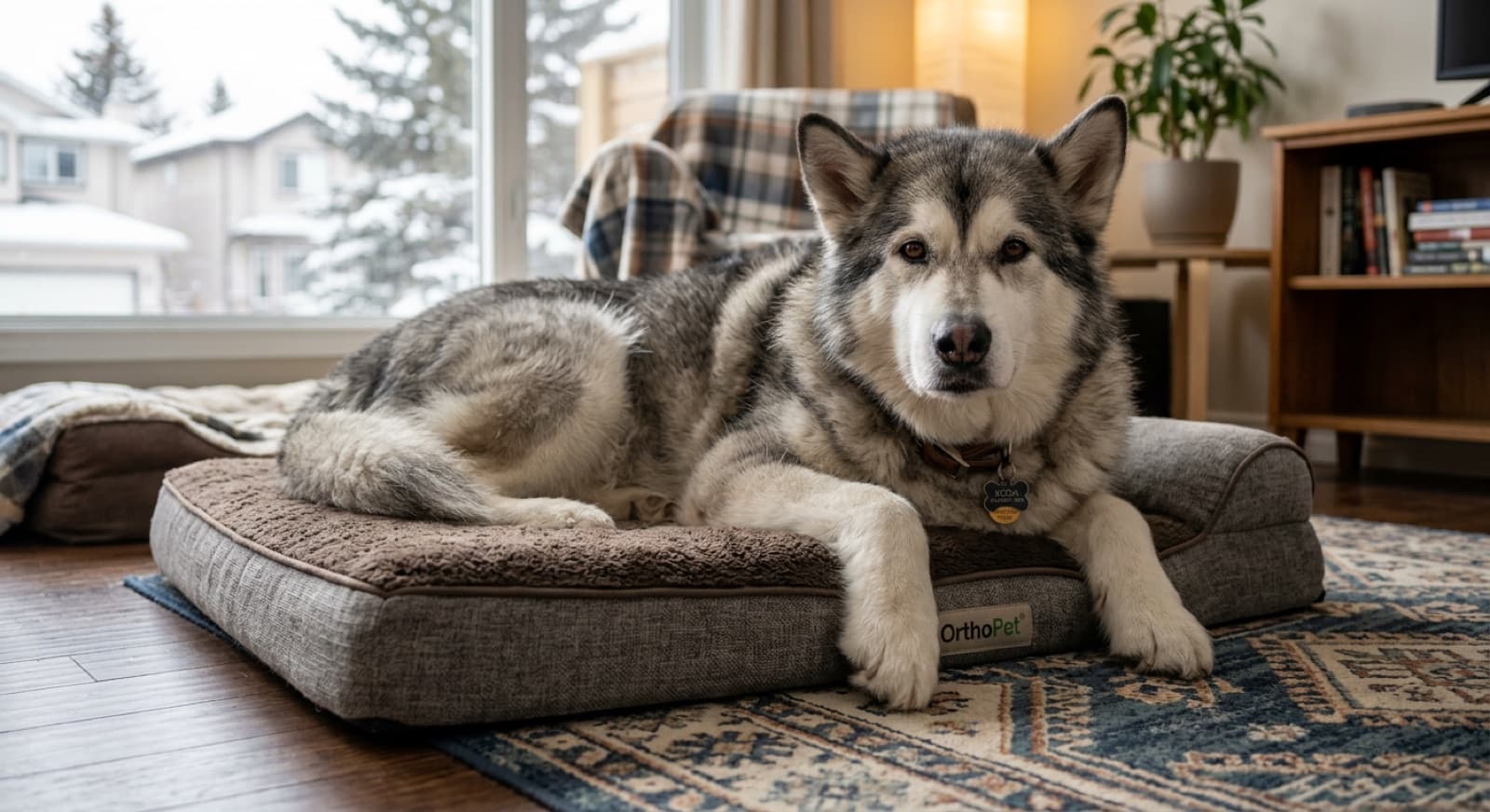
The Alaskan Malamute is a robust large working breed, but it carries the large-breed health map plus a few breed-specific hereditary conditions. None should scare off a prepared owner, but knowing them, especially recognizing bloat, is part of responsible ownership. Here is the medical picture, condition by condition.
Bloat (GDV), the emergency to know
Bloat, or gastric dilatation-volvulus (GDV), is a sudden, life-threatening emergency where the stomach fills with gas and can twist, cutting off blood supply. It can kill within hours, and large, deep-chested breeds like the Malamute are at elevated risk. This is one of the most important things a Malamute owner must understand. Warning signs: a swollen or distended abdomen, unproductive retching (trying to vomit but nothing comes up), restlessness and distress, drooling, and pacing. If you see these, get to a Vancouver emergency vet immediately, minutes matter.
Risk reduction: feed two or more smaller meals a day rather than one large one, avoid vigorous exercise right before and after eating, use a slow-feeder if the dog gulps, and do not let the dog gorge on water. Some large-breed owners discuss a preventive gastropexy (a surgical tacking of the stomach that prevents the twist) with their vet, sometimes done at spay or neuter. The VCA guide to bloat is essential reading before you bring a Malamute home.
Hips, elbows, and weight
Hip and elbow dysplasia are common concerns in Malamutes, as in most large breeds, joint malformations that lead to arthritis, pain, and reduced mobility. The breed can also be affected by chondrodysplasia, a hereditary form of dwarfism affecting the joints and limbs. Signs include stiffness, difficulty rising, reluctance to exercise or climb stairs, limping, or an altered gait.
Management ranges from weight control, joint supplements, appropriate exercise, and anti-inflammatory medication for milder cases up to surgery for severe ones. The single most important thing an owner controls is weight, keeping a Malamute lean significantly reduces joint load and slows arthritis, and appropriate exercise that builds muscle without overstressing joints helps (avoid forced high-impact exercise in puppies whose growth plates have not closed). Vancouver's trails and cool climate make it easy to keep a Malamute fit. Ask the rescue about known mobility issues, and start good weight management from day one.
Eyes, thyroid, and skin
Eyes: Malamutes are prone to cataracts, progressive retinal atrophy, and other eye conditions, watch for cloudiness, vision changes, redness, or squinting, and assess promptly. Thyroid: hypothyroidism is relatively common, affecting metabolism, weight, energy, and coat; signs include weight gain, lethargy, and coat problems, and it is diagnosed with a blood test and managed effectively with daily medication, very manageable once identified.
Skin: some Malamutes develop zinc-responsive dermatosis, a breed-specific skin condition causing crusty, scaly lesions (often around the face and pressure points) that responds to zinc supplementation under veterinary guidance. The breed can also experience polyneuropathy, a hereditary nerve condition affecting coordination. Routine vet care monitoring eyes, thyroid, and skin, plus prompt attention to symptoms, is the key to catching and managing these, most of which are treatable when identified.
Lifespan and keeping a Malamute healthy
Alaskan Malamutes typically live around 10 to 14 years, and much of keeping one healthy is within your control. Keep the dog lean, provide the substantial exercise the breed needs while protecting growing joints in puppies, maintain diligent grooming and skin care (watch for zinc-responsive skin issues), and stay on routine vet care so joint, eye, thyroid, and other issues are caught early. Crucially, know the signs of bloat and feed to reduce the risk.
Feed a good-quality diet, keep vaccinations and parasite prevention current, and maintain dental care. A Malamute that is kept lean, well-exercised, well-groomed, fed with bloat precautions, and given routine monitoring has an excellent chance at a long, healthy life, much of it down to an engaged owner providing consistent care.
Is pet insurance worth it?
Pet insurance is worth considering for an Alaskan Malamute, because as a large working breed it combines higher baseline vet costs with a real risk of expensive conditions, hip or elbow surgery, emergency bloat surgery (which can run into the thousands), eye surgery, and the ongoing cost of managing hypothyroidism, and Vancouver vet care is not cheap. The bloat risk in particular, where a single GDV surgery is a major bill, strengthens the case for a large deep-chested breed.
As always, take out insurance while the dog is young and healthy, before any condition is diagnosed and excluded. Compare providers, understand coverage and any breed-specific limits, and read the fine print. For many owners, insurance turns the unpredictable risk of a large emergency bill, or the ongoing cost of a chronic condition, into a manageable monthly cost, which suits a breed with both emergency (bloat) and chronic (thyroid, joints) potential. If you self-insure, commit to a substantial emergency vet fund. See our Vancouver adoption and ownership costs guide for the numbers.
Browse adoptable Alaskan Malamutes in Vancouver
Rescue Malamutes come vet-checked, and a good rescue will share a dog's known health history so you can adopt informed. Refreshed regularly across Lower Mainland rescues.
See Available Alaskan Malamutes →Frequently Asked Questions
What are the main health problems?
Hip and elbow dysplasia, bloat (GDV), eye conditions (cataracts, PRA), hypothyroidism, and breed-specific issues (chondrodysplasia, polyneuropathy, zinc-responsive dermatosis). Lifespan ~10 to 14 years. Weight control and bloat awareness are the biggest levers.
What is bloat and why is it dangerous?
GDV is a sudden emergency where the stomach fills with gas and can twist, killing within hours, deep-chested large breeds are at risk. Signs: distended belly, unproductive retching, restlessness. Get to an emergency vet immediately. Feed smaller meals and ask about preventive gastropexy.
Do they have hip and joint problems?
Yes, hip and elbow dysplasia are common, plus the hereditary chondrodysplasia. Keeping the dog lean is the biggest lever, and appropriate exercise that builds muscle without overstressing joints (avoid high-impact in puppies). Vancouver's trails make fitness easy.
What eye, thyroid, and skin conditions affect them?
Eyes: cataracts, PRA. Thyroid: hypothyroidism is common but very manageable with daily medication. Skin: zinc-responsive dermatosis (breed-specific, treated with zinc supplementation). Plus possible polyneuropathy. Routine monitoring catches these early.
How long do they live?
Around 10 to 14 years. Keep the dog lean, exercise well while protecting growing joints, groom diligently, feed with bloat precautions, and stay on routine vet care. An engaged owner watching for the breed's risks gives a Malamute the best shot.
Is pet insurance worth it?
Worth considering, a large breed with both emergency (bloat) and chronic (thyroid, joints) risks that can be costly. Take insurance out while the dog is young, before conditions are excluded. If you self-insure, keep a substantial emergency fund, bloat does not wait.
Related Vancouver guides
Alaskan Malamute Adoption in Vancouver
Where to adopt in BC, the powerful independent temperament, real costs, and who it suits.
Malamute vs Siberian Husky
Size, temperament, exercise, and which northern breed fits your Vancouver home.
Adoptable Alaskan Malamutes in Vancouver
All currently available Malamutes and Malamute mixes with foster health notes. Updates regularly.
Low-Cost Vet Care in Vancouver
Affordable clinics and options for routine care and the checks a large northern breed needs.
New dog? Start with these care guides
Everything a new adopter needs to set up a safe, happy home.