The short answer
Aussies are generally healthy and athletic (12 to 15 years) but carry hereditary conditions, most genetically testable: the MDR1 drug-sensitivity mutation (critically important, common medications can be toxic), hip and elbow dysplasia, eye conditions (collie eye anomaly, cataracts, PRA), and epilepsy in some lines. There is also the double-merle risk: breeding two merle dogs produces frequently deaf or blind puppies. The single most important thing: know your dog's MDR1 status and tell every vet it's a herding breed before medications. Also keep the dog lean, monitor the eyes, and keep up with vet checkups. Insure while young. Adopting a vet-checked adult lets you assess the real dog.
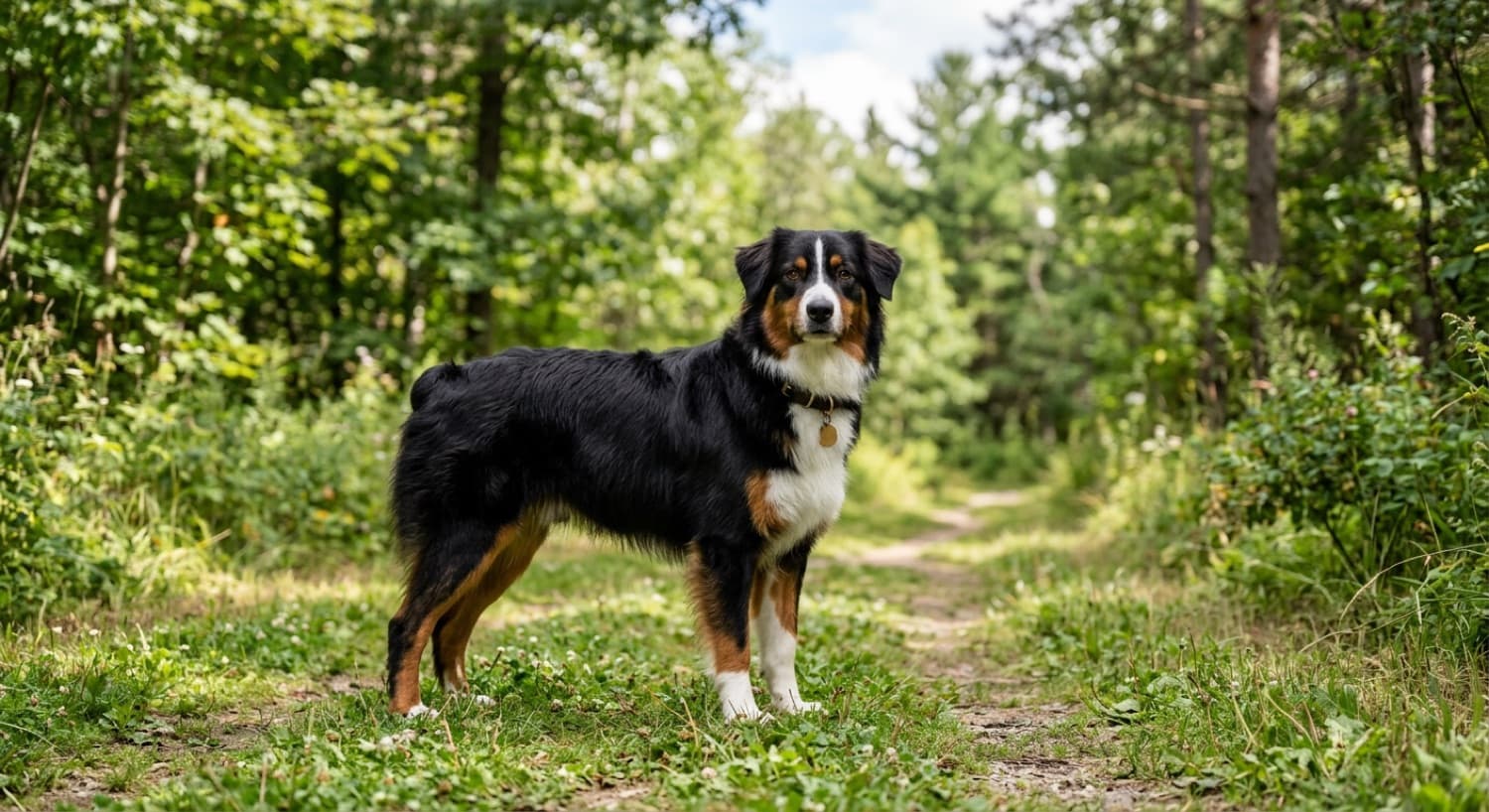
What health problems are Australian Shepherds prone to?
Generally healthy and athletic, with several hereditary conditions, most genetically testable. The most practically important is the MDR1 gene mutation (a drug sensitivity). Others: hip and elbow dysplasia; a range of eye conditions (collie eye anomaly, cataracts, PRA, iris colobomas); epilepsy in some lines; and hypothyroidism. There is also a serious welfare issue specific to the merle colour, the double-merle problem (breeding two merles produces frequently deaf or blind puppies). Because so many conditions are testable, a dog from health-tested lines or a vet-checked rescue is lower-risk, and many Aussies are healthy into old age. Knowing the MDR1 status is genuinely important.
What is MDR1, and why does it matter?
MDR1 (ABCB1) is a genetic mutation common in herding breeds that affects how the dog processes certain medications, one of the most important things an Aussie owner can know. Dogs with the mutation cannot properly clear certain drugs from the brain, so normal doses of some common medications, high-dose ivermectin, loperamide, some sedatives, and certain chemotherapy agents, can reach toxic or fatal levels, causing severe neurological reactions. The reassuring part: a simple, inexpensive cheek-swab test reveals whether your Aussie carries it, and if so, you and your vet simply avoid or adjust the risky drugs, so it is entirely manageable once known. Test your Aussie (or ask if it has been done), and always remind any vet that your dog is a herding breed before medications are given.
The VCA guide to the MDR1 gene is essential reading for any herding-breed owner.
Do Australian Shepherds have hip or eye problems?
They can have both, so both are worth monitoring, though genetic and screening tools help. On hips and elbows, Aussies are prone to dysplasia, so keep the dog lean, avoid overexercising a growing puppy, and look for health-tested lines. On eyes, the breed is prone to several inherited conditions: collie eye anomaly (present from birth), cataracts, progressive retinal atrophy (a genetic path to blindness), and iris colobomas, many of them testable, so well-bred dogs are lower-risk. Regular vet eye checks, watching for cloudiness or vision difficulty, and keeping the dog lean for joint health are the practical steps. A vet-checked adult rescue lets you see how the dog moves and flags any known eye or joint issues.
What is the double-merle problem in Australian Shepherds?
An important ethical and health issue specific to merle-coloured breeds. The merle gene produces the beautiful blue and red merle coats, and a dog with one copy is healthy. But breeding two merle dogs together means roughly a quarter of puppies inherit two copies (“double merle”), and these dogs are frequently born deaf, blind, or both, often mostly white. Responsible breeders never breed merle to merle, precisely to avoid this, which is one more reason to avoid untested breeders and to adopt. If you adopt a mostly-white Aussie or one with vision or hearing differences, it may be a double merle, and while these dogs can live wonderful lives with appropriate care, it is worth knowing so you can support the dog properly. Deaf or blind dogs adapt remarkably well with a committed owner.
How long do Australian Shepherds live, and how do I keep mine healthy?
Typically 12 to 15 years. The highest-impact things: know the MDR1 status and flag the herding-breed sensitivity to every vet; keep the dog lean (protects the joints); provide the substantial exercise and, just as importantly, the mental stimulation this working breed needs; keep up regular grooming to keep the skin under that double coat healthy (drying after wet Vancouver walks matters); monitor the eyes; and keep up with routine checkups so joint, eye, thyroid, and other issues are caught early. Because so many conditions are genetically testable, an Aussie from health-tested lines or a vet-checked rescue starts you off well. Consider pet insurance while the dog is young.
Should I get pet insurance for an Australian Shepherd?
Worth considering. While generally healthy, Aussies are prone to conditions that can be costly, hip or elbow surgery, eye treatment, epilepsy management (which can be lifelong), and treatment of any adverse drug reaction, and a single major issue or chronic condition can add up. Insure while the dog is young and healthy, before any condition is diagnosed and excluded, especially relevant for the hereditary joint, eye, and neurological risks. Compare Canadian providers on hereditary and chronic coverage, read the exclusions, and weigh insurance against a dedicated fund. Their athletic, high-activity lifestyle also carries injury risk (agility or hard trail running can cause strains), another reason a plan for unexpected bills is sensible for the breed.
Our Vancouver adoption cost guide has the full budgeting picture, and our low-cost vet guide helps with routine care.
Browse adoptable Australian Shepherds in Vancouver
Live inventory from Lower Mainland rescues, each with a foster's notes on temperament, energy, and any known health history. Refreshed regularly.
See Available Australian Shepherds →Frequently Asked Questions
What health problems are Aussies prone to?
MDR1 drug sensitivity (most important), hip and elbow dysplasia, eye conditions (collie eye anomaly, cataracts, PRA), and epilepsy in some lines, plus the double-merle risk. Most are genetically testable, and many Aussies are healthy into old age.
What is MDR1?
A herding-breed drug-sensitivity mutation. Affected dogs can be poisoned by normal doses of some common medications (ivermectin, loperamide, some sedatives). A cheek-swab test reveals the status; then your vet simply avoids the risky drugs. Always flag the herding breed to your vet.
Do they have hip or eye problems?
Both occur. Hip and elbow dysplasia (keep the dog lean), and inherited eye conditions (collie eye anomaly, cataracts, PRA), many testable. Regular eye checks and health-tested lines lower the risk.
What is a double merle?
A puppy from breeding two merle dogs, inheriting two merle copies, frequently deaf, blind, or both, often mostly white. Responsible breeders never breed merle to merle. These dogs can live great lives with a committed owner.
How long do they live?
Typically 12 to 15 years. Know the MDR1 status, keep the dog lean, meet the exercise and mental needs, monitor the eyes, and keep up routine care.
Do I need pet insurance?
Worth considering. Hip or eye surgery, epilepsy management, or injury from their athletic lifestyle can add up. Insure while young, before hereditary or chronic conditions are diagnosed and excluded.
Related Vancouver guides
Australian Shepherd Adoption in Vancouver
Where to adopt in BC, the energy reality, real costs, and who the breed truly suits.
Aussie Exercise & Mental Stimulation
How much activity the breed really needs, and how to meet it in Vancouver.
Adoptable Australian Shepherds in Vancouver
All currently available Aussies and Aussie mixes with foster health notes. Updates regularly.
Low-Cost Vet Care in Vancouver
Affordable clinics and options for routine care, screening, and eye checks.
New dog? Start with these care guides
Everything a new adopter needs to set up a safe, happy home.