The short answer
Greyhounds are relatively healthy and hardy (often 12 to 14 years), with fewer widespread hereditary problems than many breeds, but a few important quirks. The single most critical: anaesthesia sensitivity, always tell your vet the dog is a sighthound before any sedation or surgery. They are prone to dental disease (many retired racers arrive needing dental work), bloat (a deep-chested breed), and bone cancer (osteosarcoma). They also have unusual but normal bloodwork (higher red cells, lower platelets) that can confuse a vet unfamiliar with the breed. Provide a warm coat and soft bed for their thin skin. Overall a lower-maintenance dog health-wise than many breeds.
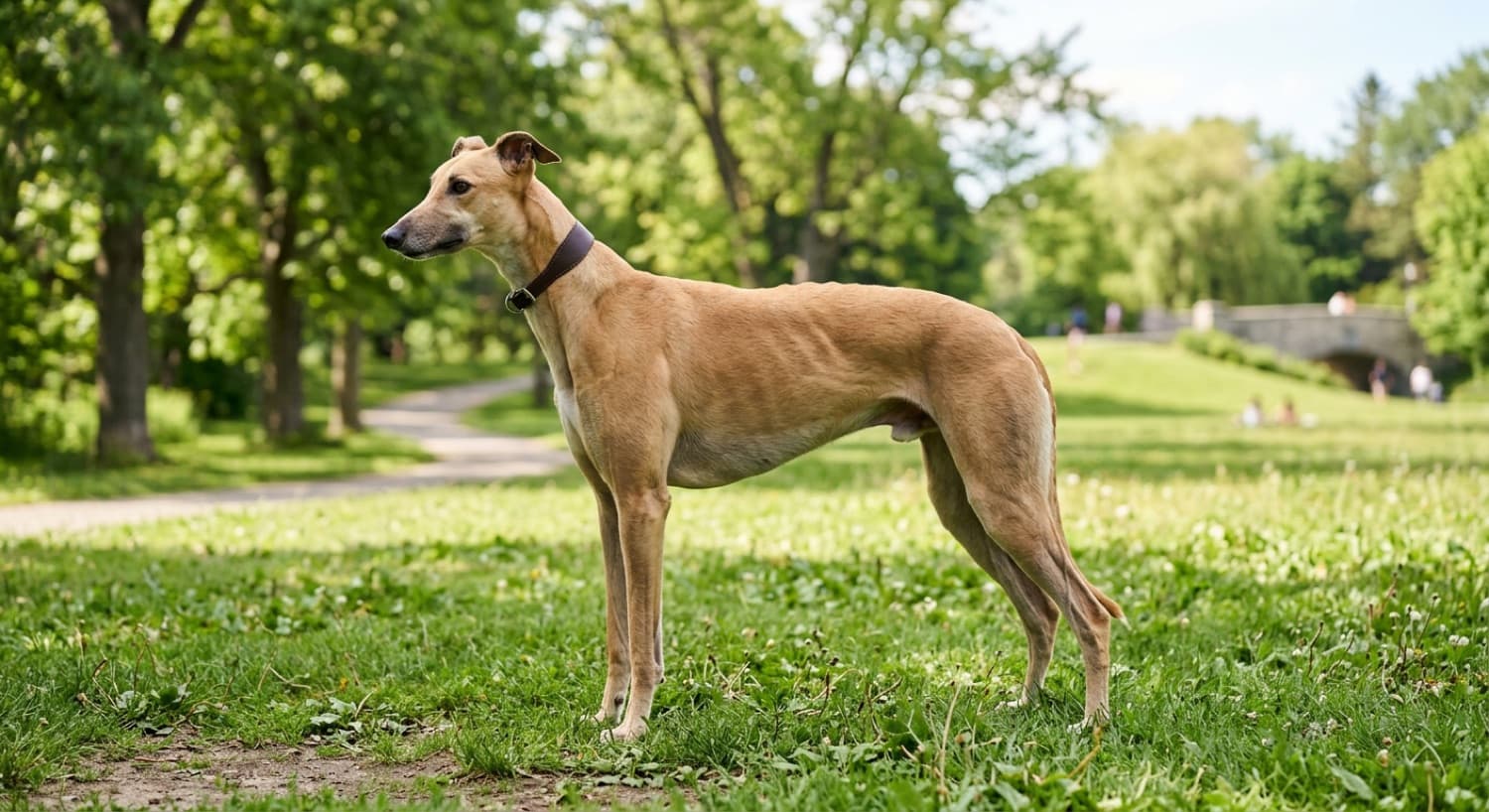
Are Greyhounds a healthy breed?
Yes, on the whole, a relatively healthy, hardy breed with fewer of the widespread hereditary problems that plague many popular breeds, partly because they have been bred for function (running) rather than extreme features. They are not brachycephalic, they have sound structure, and many live to 12 to 14 years. That said, the breed has several specific quirks: a notable anaesthesia sensitivity, a strong tendency to dental disease, a risk of bloat, an elevated risk of bone cancer, and some unusual normal bloodwork. None of these makes the Greyhound unhealthy, they are mostly things to be aware of and manage, and overall a Greyhound is often lower-maintenance health-wise than many breeds.
Why are Greyhounds sensitive to anaesthesia?
This is one of the most important Greyhound health facts, and it can be life-saving to know. Greyhounds (and sighthounds generally) metabolize certain anaesthetic drugs differently, largely because of their very low body fat (many anaesthetics redistribute into body fat, which Greyhounds barely have) and breed-specific liver metabolism. As a result, standard anaesthetic protocols and doses used for other dogs can be dangerous for a Greyhound, causing prolonged or difficult recoveries or worse. The critical takeaway: before any procedure requiring sedation or anaesthesia, from a dental cleaning to surgery, make sure your vet knows your dog is a Greyhound and uses a sighthound-appropriate protocol. Most vets are aware, but it is always worth confirming, and a strong reason to choose a vet experienced with the breed. This single piece of knowledge is one of the most valuable things a Greyhound owner can carry.
Do Greyhounds have dental problems?
Yes, dental disease is one of the most common health issues in Greyhounds. The breed is prone to significant tartar buildup, gum disease, and tooth loss, and retired racers in particular often arrive with poor dental health from their track diet and life, which is why reputable Greyhound rescues typically include a dental cleaning in intake vetting. Left unmanaged, dental disease causes pain and the bacteria can affect the heart and other organs. Prevention is straightforward: brush the teeth regularly (ideally daily) with dog toothpaste, provide appropriate dental chews, and keep up with professional cleanings under anaesthesia as your vet recommends (using the sighthound protocol). Starting and maintaining a dental-care routine is one of the highest-impact things a Greyhound owner can do.
Are Greyhounds at risk of bloat or bone cancer?
Both are real risks worth knowing. As a large, deep-chested breed, the Greyhound is prone to bloat (GDV), a sudden, life-threatening emergency where the stomach fills with gas and can twist. Know the signs, a distended belly, unproductive retching, restlessness, drooling, distress, treat them as an immediate emergency requiring a rush to a Vancouver emergency vet, and consider risk-reduction like smaller meals and, in some cases, a preventive gastropexy discussed with your vet. Separately, Greyhounds have an elevated risk of osteosarcoma (bone cancer), one of the more common serious diseases in the breed, often presenting as lameness or a painful swelling on a leg; any persistent limping or bony swelling warrants prompt assessment. Neither should deter you from the breed, they are things to act on quickly if signs appear, and prompt attention makes a real difference with both.
The VCA guide to bloat covers the signs and prevention.
Why does my Greyhound's bloodwork look abnormal?
A genuinely important quirk to understand, because it can cause unnecessary alarm. Greyhounds (and sighthounds) naturally have several blood values that fall outside the normal reference ranges used for typical dogs, and these are perfectly normal for the breed, not signs of disease. Greyhounds typically have a higher red blood cell count and hematocrit (built to carry oxygen for sprinting), and often lower platelet counts, lower white blood cell counts, and different thyroid and protein values. A vet unfamiliar with sighthounds might see these and worry, or misdiagnose, when they are breed-normal. The takeaway: make sure your vet knows your dog is a Greyhound so they interpret bloodwork against sighthound reference ranges, and if a result looks off, ask whether it might simply be breed-normal before pursuing further testing. Choosing a vet experienced with the breed avoids a lot of unnecessary worry and testing.
Should I get pet insurance for a Greyhound?
Worth considering, though the breed's general hardiness makes it less critical than for a very health-intensive breed. The main costs that can arise are dental care (which many need), bloat surgery, and, unfortunately, treatment for osteosarcoma if it occurs, which can be significant. Insure while the dog is young and healthy, before any condition is diagnosed and excluded, and note that many rescue Greyhounds are adopted as young adults (retired racers of two to five years), so you can still often insure them before conditions develop. Compare Canadian providers on hereditary, chronic, and cancer coverage, read the exclusions, and weigh insurance against a dedicated fund. Given moderate routine costs but the possibility of a big bill from bloat or cancer, a plan for the occasional major expense is sensible.
Our Vancouver adoption cost guide and low-cost vet guide help with budgeting and routine care.
Browse adoptable Greyhounds in Vancouver
Live inventory from Lower Mainland and Greyhound-specific rescues, each with a foster's notes on temperament and any known health history. Retired racers usually arrive already dentally cared for. Refreshed regularly.
See Available Greyhounds →Frequently Asked Questions
Are Greyhounds a healthy breed?
Yes, relatively hardy with fewer hereditary problems than many breeds, often living 12 to 14 years. The quirks to know: anaesthesia sensitivity, dental disease, bloat, bone cancer, and unusual-but-normal bloodwork.
Why the anaesthesia sensitivity?
Their very low body fat and breed-specific metabolism mean standard doses can be dangerous. Always tell your vet the dog is a sighthound before any sedation or surgery so they use a sighthound-appropriate protocol. This can be life-saving.
Do they have dental problems?
Yes, one of the most common issues, and retired racers often arrive needing dental work. Brush regularly, use dental chews, and keep up professional cleanings (with the sighthound anaesthesia protocol).
Bloat or bone cancer risk?
Both are real. As a deep-chested breed, they can bloat (know the signs, rush to an emergency vet). They also have elevated osteosarcoma risk, so any persistent limp or bony swelling needs prompt assessment.
Why does the bloodwork look off?
Greyhounds have breed-normal values outside standard-dog ranges, higher red cells, lower platelets and white cells, different thyroid and protein numbers. Make sure your vet reads it against sighthound ranges to avoid false alarms.
Do I need pet insurance?
Worth considering, less critical than for health-intensive breeds. Dental, bloat surgery, or cancer treatment can be costly. Insure young adults (like retired racers) before conditions develop. Routine care is otherwise affordable.
Related Vancouver guides
Greyhound Adoption in Vancouver
Where to adopt in BC, why they are gentle couch potatoes, real costs, and who the breed suits.
Greyhound Off-Leash & Recall
The prey drive, the never-off-leash rule, the martingale collar, and safe exercise.
Adoptable Greyhounds in Vancouver
All currently available Greyhounds and mixes with foster health notes. Updates regularly.
Low-Cost Vet Care in Vancouver
Affordable clinics for routine and dental care, and finding a sighthound-savvy vet.
New dog? Start with these care guides
Everything a new adopter needs to set up a safe, happy home.